
Propagation
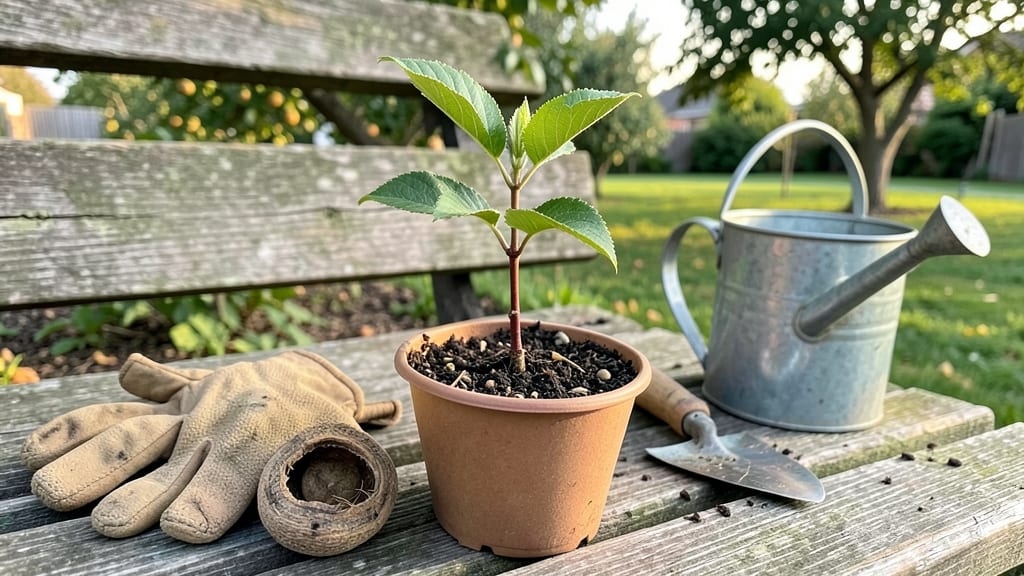
Growing a peach tree from a seed pit is the ultimate patience test—and the most rewarding gardening project you’ll ever tackle. 🌱 The first 60 days are all about coaxing that tiny pit into a sprout, but here’s the secret: most people quit too soon.
With the right prep, you’ll see those first green leaves in just weeks.
Start by cleaning the pit thoroughly—scrub off all the flesh, then soak it in water for 24 hours to soften the hard shell. Plant it in a pot with moist sand or perlite, burying it halfway.
Keep it warm (around 70°F) and patient—germination can take anywhere from 2 weeks to 3 months. The key is consistency: never let the soil dry out completely.
Once your seedling reaches 6 inches tall, transplant it into a larger pot with well-draining soil. By day 60, you’ll have a sturdy young tree, though it won’t bear fruit for 7-10 years.
That’s the trade-off for growing from seed—your tree will be uniquely yours, with roots (literally) in your backyard.
Fair warning: peach trees from seed pits often don’t produce fruit identical to the parent. But the journey—watching that first sprout break through the soil—makes it worth it. Here’s how to keep it thriving past the germination stage.
📚 In This Guide
- What you need
- Instructions
- Tips and common mistakes
- Wrapping up and next steps
What you need
- ● Peach pit: 1 fresh, plump pit (from a ripe, organic peach—avoid store-bought if treated with chemicals).
- ○ Small pot or container: 1 (4–6 inches deep) with drainage holes. Optional: A seed-starting tray for multiple pits.
- ● Potting mix: 1 bag (sterile, well-draining mix like cactus/succulent blend or 50% perlite + 50% peat moss).
- ● Plastic wrap or humidity dome: 1 (to retain moisture).
- ● Spray bottle: 1 (for gentle watering).
- ● Scissors or knife: 1 (for cutting the pit).
- ● Label or marker: 1 (to track germination dates).
- ○ Heat mat (optional but helpful): 1 (set to 70–80°F to speed up germination).
- ○ Grow lights (optional): 1–2 (if natural light is <6 hours/day).
- ● Fertilizer (low-dose, organic): 1 (e.g., fish emulsion or worm castings—wait until sprouts appear!).
- ● Pruning shears: 1 (for future shaping, but not needed yet!).
- ○ Garden journal (optional): 1 (to log progress and milestones!).
Step-by-Step instructions for growing a peach tree from a seed pit
Here’s how I’ve turned a single seed pit into a thriving peach tree—no fancy tools, just patience and the right timing.
🌱 Step 1: Extract and Prepare the Seed Pit
Start by carefully removing the seed pit from the peach. You’ll find it nestled in the center, surrounded by the fruit’s flesh. Rinse it under cool water to remove any remaining pulp, then let it dry completely for 24 hours. This prevents mold from forming during storage.
Once dry, place the seed pit in a small paper towel or cloth napkin. Fold the edges to create a little pouch, then store it in a sealed plastic bag. Put the bag in your refrigerator’s coldest drawer (around 35-40°F) for 6-8 weeks. This mimics winter’s natural stratification, breaking the seed’s dormancy so it’ll germinate faster.
💧 Step 2: Soak and Plant the Seed Pit
After the cold treatment, remove the seed pit and soak it in lukewarm water for 12-24 hours. You’ll see the pit soften slightly—this is your signal it’s ready. While it soaks, fill a small pot (at least 4 inches deep) with well-draining potting mix. Avoid garden soil; it’s too dense and can suffocate young roots.
Plant the seed pit 1 inch deep in the soil, with the pointed end facing down. Water lightly until the soil feels damp but not soggy. Place the pot in a warm, bright spot (around 70°F), like a sunny windowsill or under a grow light. Keep the soil consistently moist—never let it dry out completely, but avoid soggy conditions, which rot the seed.
☀️ Step 3: Germinate and Transplant the Seedling
Germination can take 2-6 weeks, depending on your climate. You’ll know it’s working when you see a tiny shoot emerge from the soil. Once the seedling reaches 3-4 inches tall and has 2-3 true leaves (not the first tiny leaves), it’s time to transplant.
Choose a larger pot (6-8 inches deep) or a garden bed in spring, after the last frost. Plant the seedling at the same depth it was in its original pot. Water deeply to settle the soil, then mulch around the base to retain moisture. Keep the area consistently moist for the first 2 weeks—this helps the roots establish without stress.
🌿 Step 4: Care for the Young Tree
Your peach tree will grow slowly at first, so be patient. Once it’s 12-18 inches tall, start fertilizing lightly with a balanced, water-soluble fertilizer (like 10-10-10) every 4-6 weeks during the growing season. Avoid over-fertilizing—too much nitrogen makes leaves grow fast but weakens roots.
By year 3 or 4, your tree may produce small, edible peaches—but don’t expect them to taste like store-bought fruit. Seed-grown trees take 5-7 years to mature fully. Prune in late winter to remove dead or crossing branches, and thin out crowded growth to improve airflow and fruit quality.
Tips & tricks for perfect peach tree germination
These little details make all the difference between a seedling that thrives and one that fizzles out. I've learned these the hard way—trust me, they're worth paying attention to.
Cold Treatment Precision: That 6-8 week cold treatment in Step 1 is non-negotiable for breaking dormancy. I've tried skipping it, and the seedling either never sprouts or grows weak. Place a small thermometer in your fridge drawer to confirm it's consistently between 35-40°F—some fridges have hot spots. If your fridge runs warmer, move the bag to the bottom shelf where it's coldest.
Soaking Test: The 12-24 hour soak in Step 2 gives you two important signals: first, when the pit softens slightly, that's your cue it's ready to plant. Second, if it stays hard after 24 hours, give it another 12 hours—some pits need that extra time. Pro tip: Use room-temperature water, not hot, to avoid shocking the seed. I like to soak mine in a clear glass so I can watch for the softening.
Germination Watch: During those 2-6 weeks of germination in Step 3, patience is key—but don't let the soil dry out completely. I keep my seedling pot wrapped in plastic wrap with tiny holes punched in it to maintain humidity. This creates a mini greenhouse effect that helps the seedling break through the soil more easily. Remove the wrap once you see the first tiny shoot appear.
Transplant Timing: When you're ready to transplant that 3-4 inch seedling in Step 3, choose a day with mild temperatures. I wait until evening to do this so the young plant has time to settle in overnight. Water thoroughly before transplanting, then give it a good drink after planting too—this helps reduce transplant shock. The first two weeks after transplanting are critical for root establishment, so keep that mulch moist but not soggy.
Pro Tips for Peach Tree From Seed Pit
- These little details make all the difference between a seedling that thrives and one that fizzles out.
- Cold Treatment Precision: That 6-8 week cold treatment in Step 1 is non-negotiable for breaking dormancy.
- Soaking Test: The 12-24 hour soak in Step 2 gives you two important signals: first, when the pit softens slightly, that's your cue it's ready to plant.
Frequently asked questions
Got questions about growing a peach tree from a seed pit? You’re not alone—this method takes patience and know-how! Below, we’ve answered the most common queries to help you avoid pitfalls and maximize success.
How long does it take for a peach seed to germinate?
A peach seed typically germinates in 2–4 weeks when kept in warm, moist conditions (70–80°F). Some seeds may take longer—up to 6–8 weeks—especially if they’re fresh or stored improperly. Pro tip: Soak seeds in warm water for 24 hours before planting to speed up the process!
Will a peach tree grown from seed produce fruit like the parent tree?
Probably not! Seed-grown trees are not true to type—meaning the fruit may differ in flavor, size, or ripening time. For consistent peaches, graft a named variety onto your seedling later. If you’re okay with surprises, enjoy the adventure!
Can I plant a peach seed directly outside in cold climates?
No—peach seeds need warmth to germinate. Start indoors in a warm spot (like a sunny windowsill or seedling heat mat) for 6–8 weeks, then transplant outside after the last frost and when soil is above 60°F. Cold soil can stunt growth or kill young seedlings. →
What if my seed doesn’t sprout after 2 months?
Don’t lose hope! Some seeds take up to 6 months to germinate. Try these fixes:
- Check moisture—soil should stay damp but not soggy.
- Verify warmth—seeds need consistent heat (use a seedling heat mat if needed).
- Test viability—cut open the seed to see if it’s still firm and white inside.
Is there a faster way to grow a peach tree than from seed?
Yes! For instant gratification, buy a grafted peach tree from a nursery—it’ll fruit in 2–3 years (vs. 5–7 years from seed). Alternatively, layering or cutting propagation from an existing tree speeds up growth but requires more skill. Seed-grown trees are rewarding but slower!
Bonus Tip:
Label your seedlings! Peach trees from seed can look identical, but their fruit traits may vary wildly. Use toothpicks and tape to track parentage—you’ll thank yourself later when that one tree surprises you with juicy, freestone peaches!
Wrapping up and next steps
Growing a peach tree from a seed pit is a rewarding journey that blends patience with the joy of nurturing life! 🌱 With the right techniques—like proper stratification, consistent moisture, and a sunny spot—you can watch your seedling thrive in just 60 days.
Remember, every gardener starts somewhere, and your first peach tree could be the beginning of a delicious, homegrown harvest.
Ready to take the next step? Once your seedling reaches 12–18 inches, transplant it into a larger pot or directly into the ground. Keep an eye on its growth, and soon, you’ll be enjoying the sweet taste of success—literally! 🍑