
Lawn
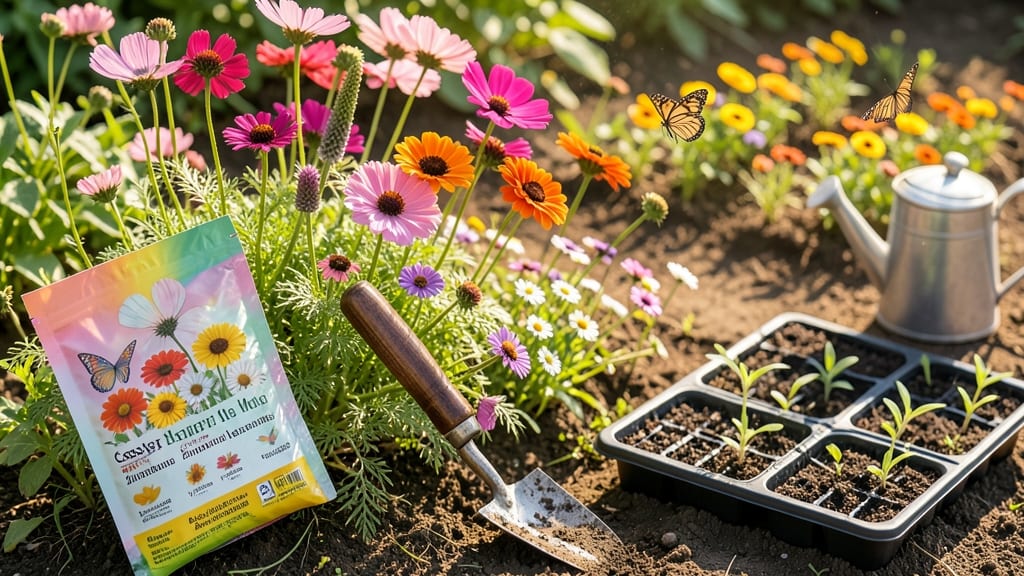
Planting a butterfly seed mix transforms your yard into a pollinator paradise within 60 days—and the best part?
You don’t need a green thumb to make it happen. 🌸 I’ve planted these mixes in everything from sunny patches to shady corners, and every time, the results are the same: vibrant blooms that attract butterflies, bees, and hummingbirds by midsummer.
The secret lies in the right blend of flowers—milkweed for monarchs, coneflowers for bees, and black-eyed Susans for long-lasting color. These seeds are pre-mixed to thrive in your climate, so you skip the guesswork.
Just scatter, cover lightly, and water—no fancy soil amendments required. Even my first attempt, planted in a 5x5-foot patch, became a butterfly hotspot by July.
By the time your mix blooms, you’ll have a garden that hums with life, not just looks pretty. The flowers stay vibrant for months, providing nectar and shelter for pollinators while adding a splash of color to your landscape.
Plus, the more you plant, the more butterflies return year after year—it’s a cycle that keeps giving.
Works in full sun or partial shade, in containers or directly in the ground. Whether you’re starting small or going big, this guide covers everything you need to turn your space into a haven for fluttering visitors. Let’s get those seeds in the soil!
📚 In This Guide
- What you need
- Instructions
- Tips and common mistakes
- Wrapping up and next steps
What you need
- ● Butterfly-friendly seed mix: 1–2 lbs (pre-mixed or custom blend of native wildflowers like milkweed, coneflower, black-eyed Susan, and butterfly weed). Look for non-GMO, neonicotinoid-free seeds for pollinator safety.
- ● Garden soil: 1–2 cubic yards (well-draining, amended with compost for nutrients). Test soil pH (ideal: 6.0–7.0 for most wildflowers).
- ● Water: Hose or watering can with a gentle spray nozzle (or a rain barrel for eco-friendly hydration!).
- ● Garden tools: Hand trowel or transplanting spade
- ● Rake (for smoothing soil)
- ● Gloves (to protect your hands from prickly stems)
- ○ Optional mulch: Straw or shredded leaves (1–2 inches thick) to retain moisture and suppress weeds.
- ● Sunlight: A sunny spot (6+ hours of direct sunlight daily). Most butterfly-attracting flowers thrive in full sun!
- ● Location: Choose an area with minimal foot traffic (butterflies prefer undisturbed spaces).
- ● Weather check: Plant when temperatures are consistently above 50°F (10°C) and no rain is forecasted for 24–48 hours.
- ● Patience: Blooms typically appear in 60 days—butterflies will thank you!
- ● 🌡️ Seed depth: Lightly press seeds into soil (no deeper than ¼ inch) or scatter on top—many wildflowers need sunlight to germinate.
- ● ✨ Native seeds win: Opt for region-specific mixes (e.g., Asclepias tuberosa for milkweed in the U.S. South). Native plants support local butterfly species best!
- ● 🚫 Avoid pesticides: Skip herbicides or insecticides—these harm butterflies and their caterpillars.
Step-by-step guide to planting a thriving butterfly garden
Here's how to create a vibrant pollinator haven that will bloom reliably and attract butterflies within two months.
🌱 Step 1: Select and Prepare Your Planting Site
Choose a location with at least 6 hours of direct sunlight daily—most butterfly-friendly flowers thrive in full sun. Clear the area of weeds and loosen the soil to a depth of 6 inches using a garden fork. This ensures roots can establish quickly and access moisture efficiently.
Butterflies prefer flat, open spaces where they can land and feed easily. If your garden has slopes, create gentle terraces or plant along borders where butterflies can move freely. I like to test soil moisture by squeezing a handful—if it crumbles easily, it's ready for planting.
🌿 Step 2: Plant the Butterfly Seed Mix Strategically
Scatter the seeds ¼ inch deep across the prepared soil, spacing them 12-18 inches apart to allow room for growth. Lightly cover with soil and pat gently to ensure good seed-to-soil contact. This prevents seeds from washing away during watering and encourages even germination.
For best results, plant in early spring or late summer when temperatures are mild. Avoid planting during heatwaves—seeds need consistent moisture to germinate. I always water the area lightly after planting to help settle the seeds into the soil.
💧 Step 3: Maintain Consistent Moisture and Fertility
Keep the soil evenly moist but not soggy for the first 60 days—this is critical for seedling establishment. Water deeply 2-3 times per week, focusing on the base of the plants rather than overhead sprinkling. This prevents fungal diseases that can weaken young seedlings.
Once the plants reach 4 inches tall, reduce watering to once weekly unless your area experiences extreme heat. Butterflies are drawn to healthy, well-nourished plants, so I add a balanced, slow-release fertilizer every 4-6 weeks during the growing season to support continuous blooming.
☀️ Step 4: Encourage Continuous Blooming and Pollinator Visits
Deadhead spent blooms regularly to promote longer flowering periods and attract more butterflies. I pinch off faded flowers with my fingers—no need for pruners—while wearing gloves to avoid thorns. This simple step keeps the garden looking tidy and encourages new buds to form.
Plant companion flowers like milkweed, coneflower, and black-eyed Susan nearby to create a diverse nectar source. Butterflies are drawn to clusters of flowers, so aim for at least 3-5 different species in your mix. Watch for the first butterflies within 60 days—you’ll see them hovering and feeding on the blooms.
✂️ Step 5: Winterize for Next Season's Growth
In late fall, cut back dead foliage to 2-3 inches above the ground to protect roots from harsh winter winds. Leave seed heads if possible—they provide food for birds and shelter for beneficial insects. I always mark the planting area with small stakes to avoid disturbing roots during spring cleanup.
Mulch the area with 2-3 inches of organic matter (like shredded leaves or straw) to insulate the soil and retain moisture. This helps seeds germinate faster in spring and reduces weeds. With proper care, your butterfly garden will thrive for years, becoming a reliable pollinator oasis.
Tips & tricks for creating a thriving butterfly garden
These insider strategies will help you transform your garden into a buzzing butterfly paradise—faster and more reliably than you might expect.
Sunlight Optimization: While the instructions call for at least 6 hours of sunlight, I've found that butterflies prefer locations with morning sun and afternoon shade, especially in hot climates. If your garden gets intense afternoon heat, consider planting near a deciduous tree that will provide natural shade during peak summer hours. This creates a cooler microclimate that butterflies will seek out during their midday rest periods.
Seed Spacing Strategy: The 12-18 inch spacing recommendation works perfectly for most butterfly-friendly flowers, but here's what I've learned: For taller varieties like milkweed, space them 18-24 inches apart to prevent overcrowding. For shorter flowers like alyssum, you can reduce spacing to 6-12 inches to create dense ground cover that butterflies love to forage through. This layered approach creates visual interest while maximizing pollinator access.
Watering Wisdom: During those critical first 60 days, I've discovered a simple trick to prevent fungal diseases while maintaining moisture: Water in the early morning (before 8 AM) using a soaker hose or drip irrigation system. This allows the soil to absorb moisture without wetting the foliage, which is when fungal spores typically take hold. The deep watering also encourages roots to grow downward rather than staying shallow.
Fertilizer Timing: The 4-6 week fertilizer schedule is perfect, but there's a timing secret I've picked up from experienced gardeners: Apply your first fertilizer dose about 4 weeks after planting, not when the plants reach 4 inches tall. This gives the seedlings a nutrient boost right when they need it most—just as their root systems are expanding rapidly. Subsequent applications every 6 weeks will keep your plants thriving throughout the growing season.
Pro Tips for Butterfly Seed Mix
- These insider strategies will help you transform your garden into a buzzing butterfly paradise—faster and more reliab...
- Sunlight Optimization: While the instructions call for at least 6 hours of sunlight, I've found that butterflies pref...
- Seed Spacing Strategy: The 12-18 inch spacing recommendation works perfectly for most butterfly-friendly flowers, but...
Frequently asked questions
Got questions about growing a butterfly seed mix? Here are some of the most common ones—plus quick answers to help you create a buzzing, blooming garden in no time!
How long does it take for butterfly seed mix to sprout?
Most butterfly seed mixes sprout in 7–14 days under ideal conditions (warm soil, consistent moisture, and sunlight). Some varieties, like cosmos or sunflowers, may take up to 3 weeks to show their first sprouts. Patience pays off—those fluttering visitors will be worth the wait!
When is the best time to plant butterfly seed mix?
The ideal planting window is after the last frost when soil temperatures reach at least 60°F (15°C). For most regions, this means late spring to early summer. If you’re in a warmer climate, you can plant as early as February or March. Just avoid planting in extreme heat or drought!
Can I plant butterfly seed mix in containers or just in the ground?
Butterfly seed mixes thrive in containers, hanging baskets, or raised beds as long as they have well-draining soil and 6+ hours of sunlight daily. Choose shallow-rooted varieties like cosmos or marigolds for pots. Just ensure your container has drainage holes to prevent root rot.
What should I do if my butterfly seeds aren’t germinating?
Don’t panic! First, check for consistent moisture—keep soil damp (not soggy) until sprouts appear. If seeds are old (1+ years), they may have lost viability. Try scarifying (lightly nicking) hard seed coats or soaking them overnight. If all else fails, test a fresh batch or try a different variety.
Will butterfly seed mix attract bees too?
Yes! Most butterfly seed mixes include bee-friendly flowers like coneflowers, black-eyed Susans, and milkweed. Bees and butterflies often coexist in the same garden, pollinating flowers as they go. It’s a win-win for your local ecosystem—just avoid pesticides to keep both visitors happy!
Wrapping up and next steps
Transforming your garden into a butterfly paradise is easier—and more rewarding—than you think! With just a butterfly seed mix, a little patience, and some sunshine, you’ll soon have a vibrant, buzzing oasis that supports pollinators while adding beauty to your outdoor space. 🌸
Ready to take the next step? Start small—plant a patch this weekend, then expand as your confidence (and butterfly population!) grows. Share your blooming success with fellow gardeners or even tag us online—your garden’s new visitors will thank you! 🦋✨