What this work is made with
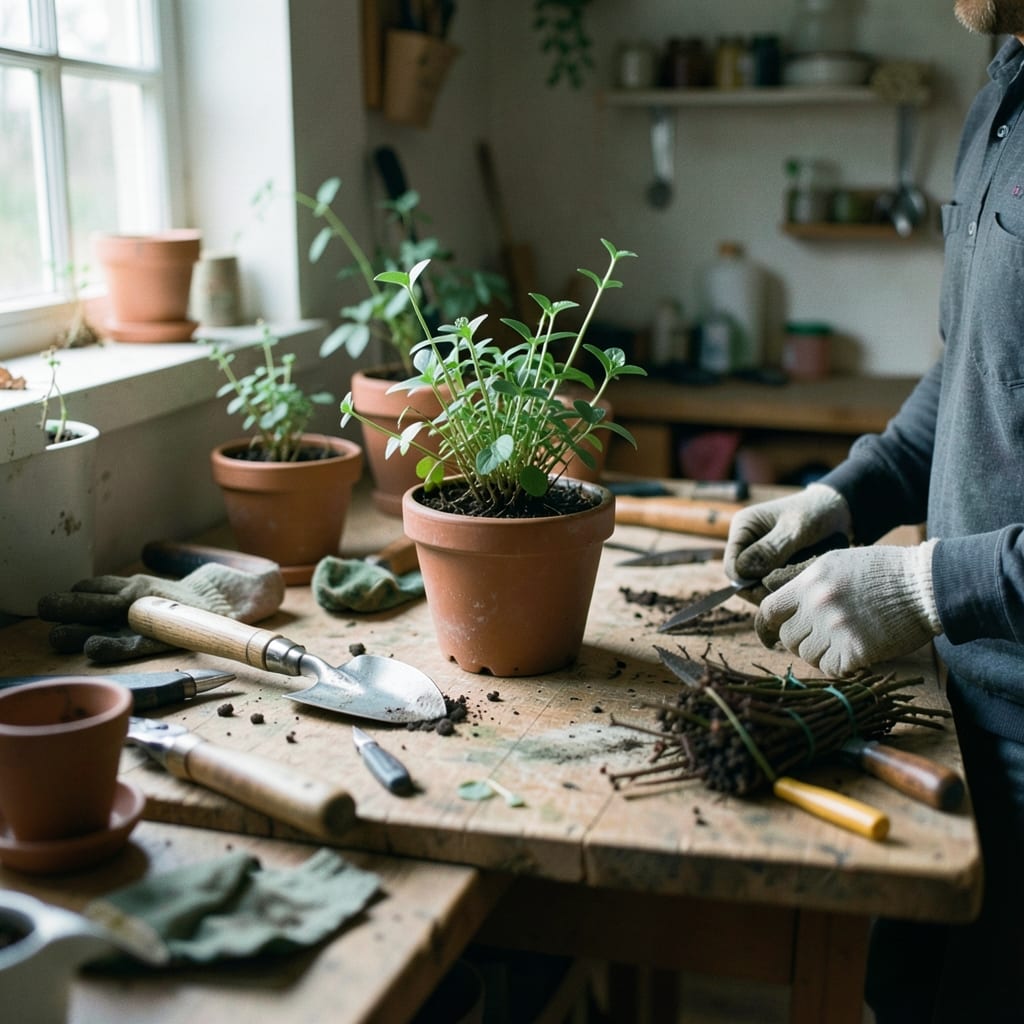
This page is a list of things, not a story. Gardening is a practice of hands and soil, not just words—so the work here depends on objects that shape what you’ll find.
These are the things that hold the site together: the tools, the wear, the quiet lessons learned from dirt and light.
Seed Sprout is for anyone who has ever watched a seed split open, or wondered how to coax another life from the earth. Here, we name what grows the work, not what writes it.
The things that do the work
Four objects keep this site alive. They are not glamorous, not new, and not always perfect—but they are what the work depends on. Each has its own story of wear, of what it has taught, and of how it changes the way we garden here.
The trowel
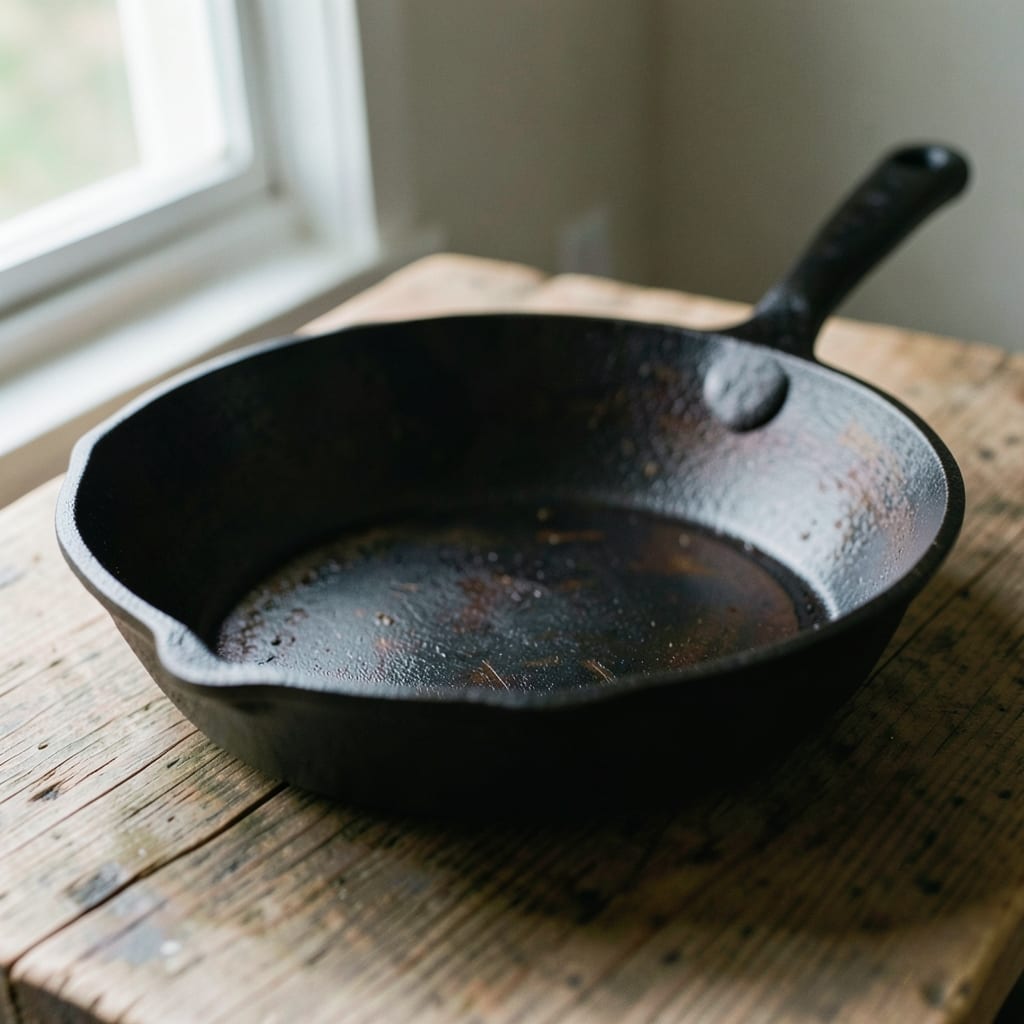
A bent, twenty-year-old steel trowel with a handle worn smooth from years of digging. It arrived with Guadalupe’s first garden plot, handed down from her abuela, who used it to break ground for cilantro and jalapeños.
It taught her that every garden starts with a scar in the earth—and that the best tools are the ones that bend with you. Now, it’s the first thing she reaches for when a seedling needs space, its blade nicked but still sharp enough to split soil cleanly.
The cracked seedling tray
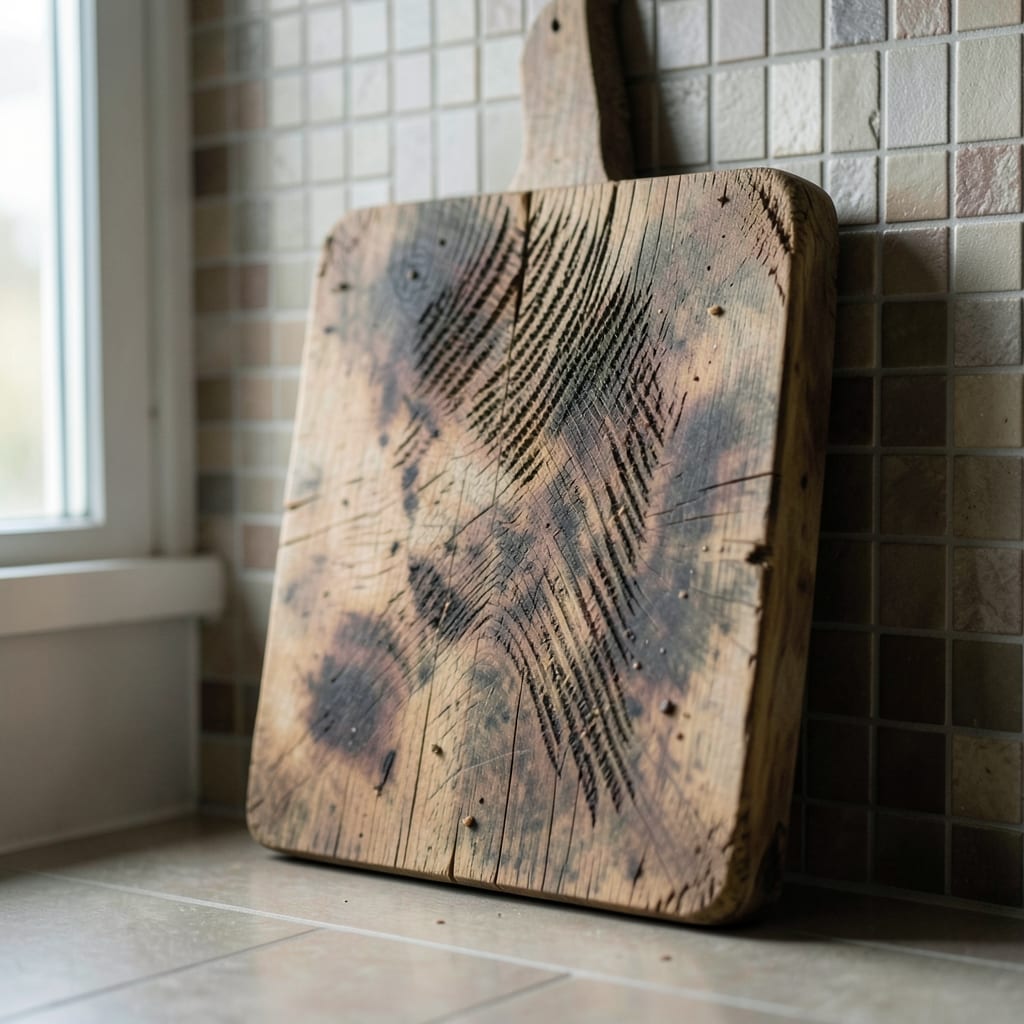
A plastic tray, split down one side and held together with duct tape, salvaged from a hardware store clearance bin. It’s held together with more tape than structural integrity, but it’s been here since day one.
It proved that the best gardening tools aren’t always the most expensive. Now, it’s where every seedling starts—even if the cracks mean some plants get a head start by leaning against the broken edge.
The wooden pruning shears
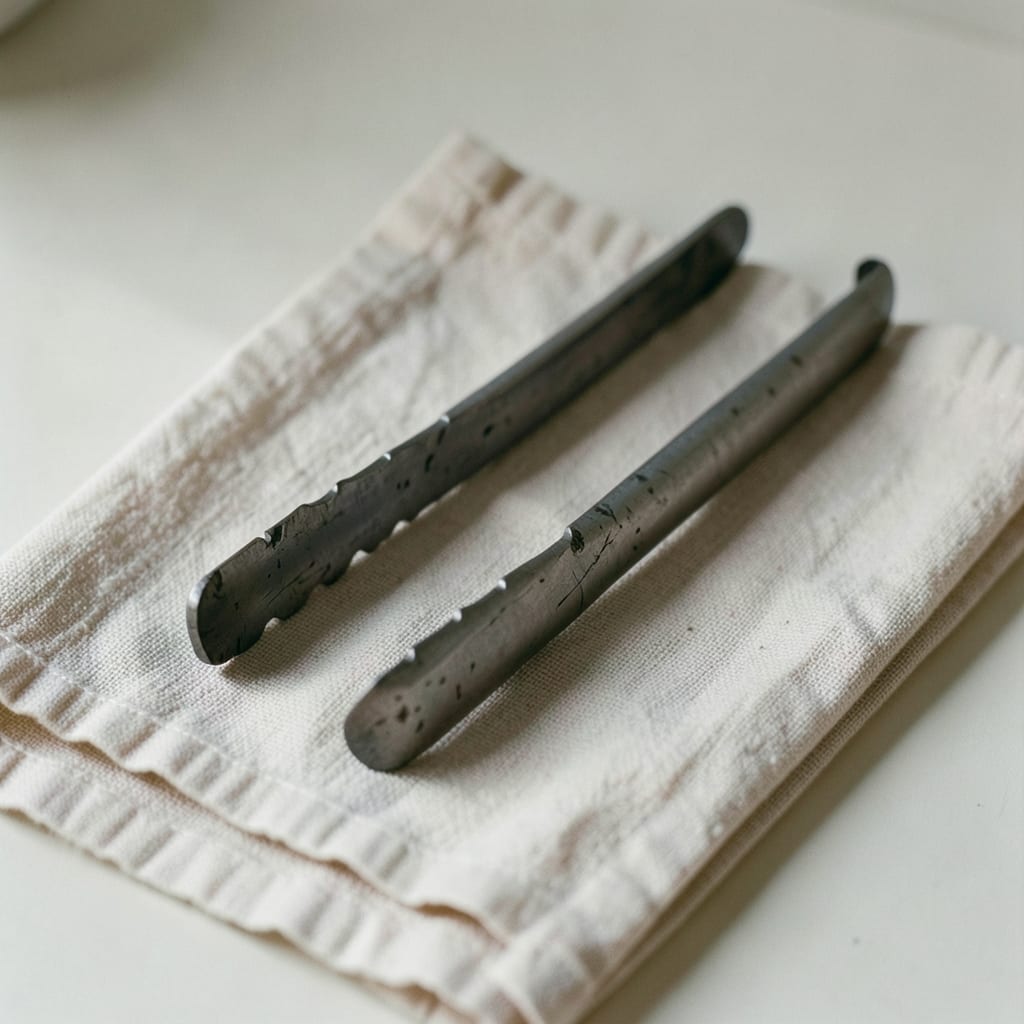
A pair of old wooden-handled shears, the blades pitted from years of snipping dead growth. They were a gift from a neighbor who’d been gardening since before Guadalupe could walk, and they’ve outlasted three sets of metal replacements.
They taught her that the right tool doesn’t need to be new—just right for the job. Now, they’re the only shears she uses, their blades grooved from years of cutting back tomatoes and roses, their wood handle worn to a perfect grip.
The rain gauge
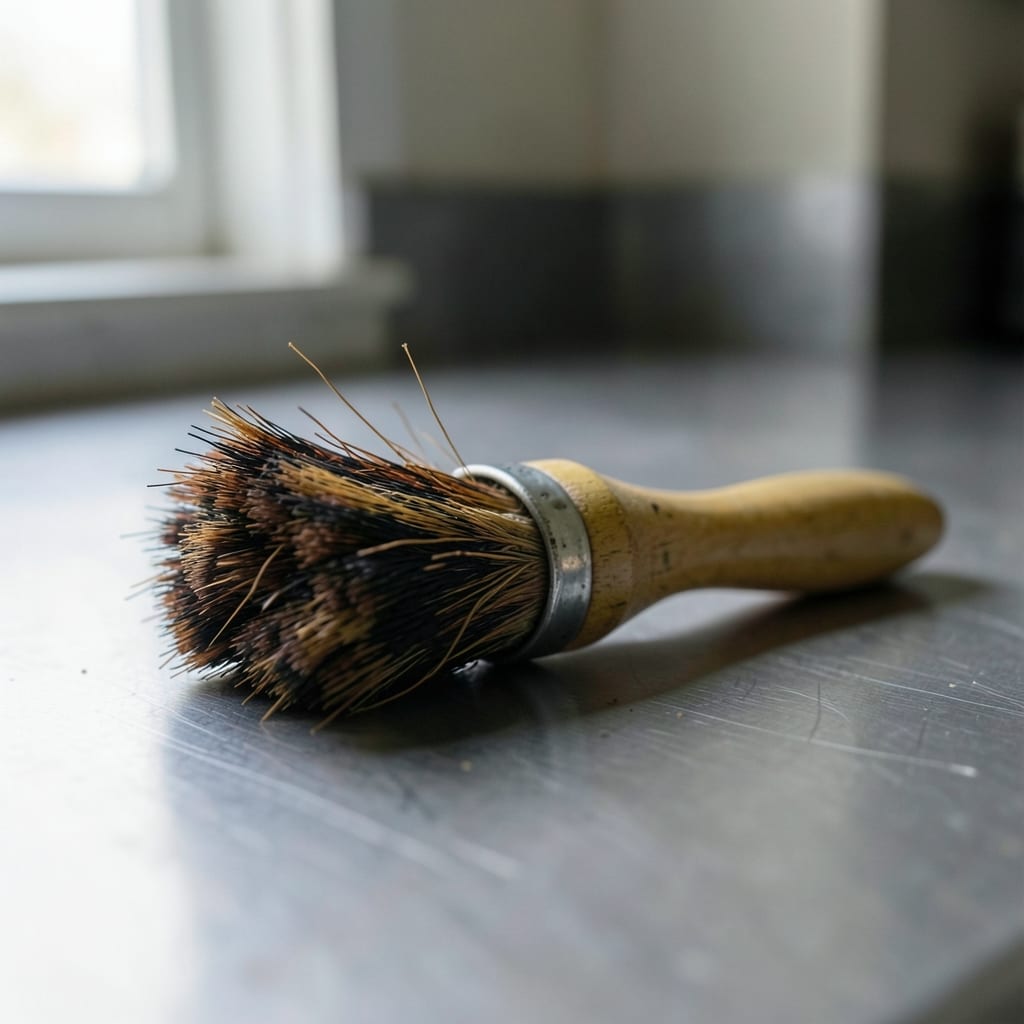
A simple glass cylinder with a funnel top, filled with pebbles to slow evaporation. It’s been here since the first drought, when Guadalupe realized she couldn’t trust the weather app to tell her when the soil was thirsty.
It taught her that gardening is as much about measuring what you can’t see as what you can. Now, it sits in the corner of every guide to watering, its markings faded but its lessons clear: too little, and the roots wither; too much, and the soil drowns.
What is not in the drawer
This work does without a few things—by choice, not by lack. Some tools complicate more than they help, and some distractions pull focus from the soil.
Deliberately absent
- A soil pH meter—because most home gardens don’t need lab precision, just good compost.
- A high-end camera—because a seedling’s first leaf is more interesting than a perfect shot.
- A pressure washer—because dirt is part of the work, not a stain to scrub away.
- A garden planner app—because the best layouts grow from trial, not a screen.
Behind the scenes
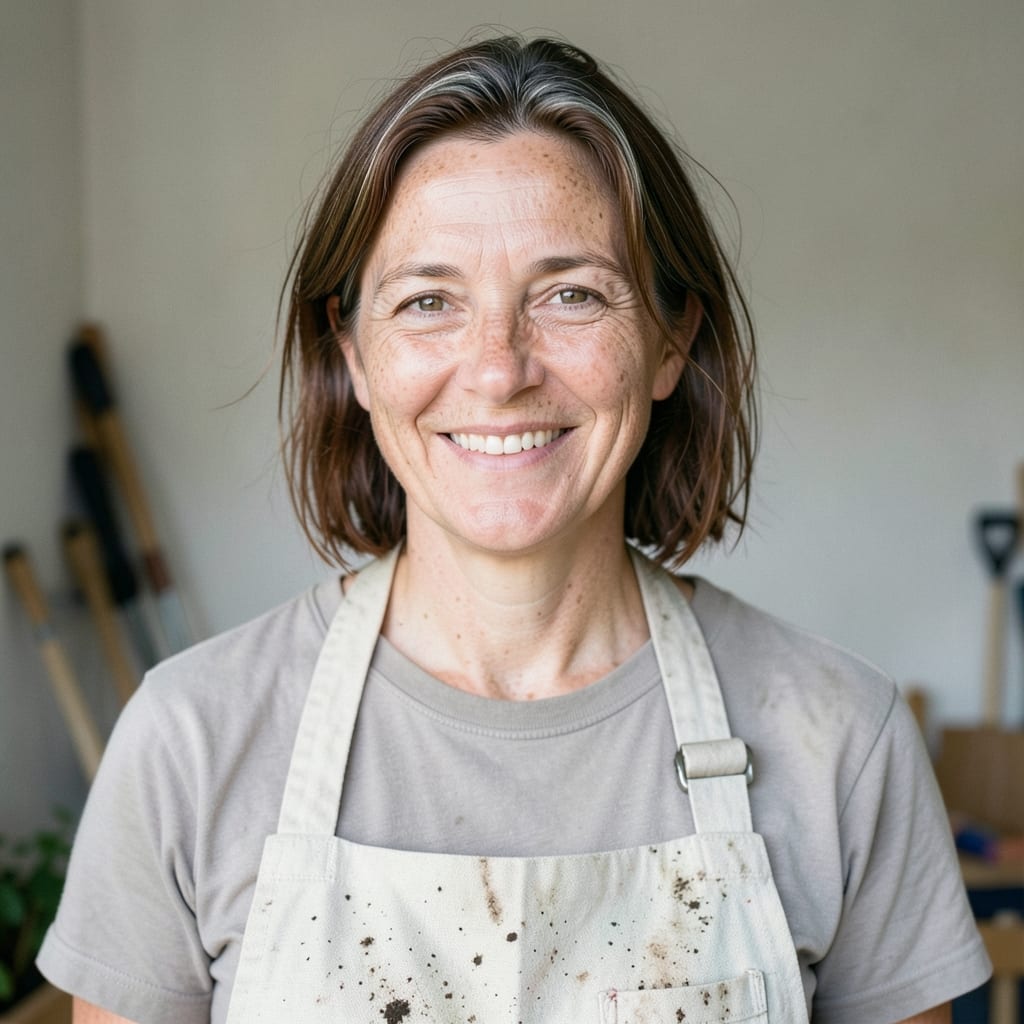
I am Guadalupe Thibodeaux, the founder and editor of *Seed Sprout*. I am the one who decides which seeds get planted here, which tips survive the editing, and which mistakes get turned into lessons.
I came to this from a third-grade paper towel experiment that grew a sunflower so fast it outpaced the classroom’s basil. My abuela handed me the trowel years later, and the rest was dirt under my nails.
This work has given me a permanent smudge of soil on my thumbs, a habit of checking the rain gauge before the forecast, and a habit of noticing how plants lean toward light—even in indoor offices.
I am here to make sure every page feels like turning over a rock and finding something alive underneath. No jargon, no perfect photos, just the things that actually grow.
Why any of this matters to you
These objects—worn, salvaged, stubborn—are why the guides here feel like they’re written for a real garden, not a perfect one. The trowel’s bend reminds us that soil resists; the cracked tray proves that imperfection can be an advantage.
The shears and the rain gauge are here because they’ve earned their place, not because they’re new.
When you read a page here, you’re not just getting words. You’re getting the weight of a tool that’s been used, the lesson of a tray that split but still held, the quiet knowledge that gardening is as much about what you notice as what you plant.
Every guide here is shaped by the things that actually work in a garden—not theory, not perfection, just what survives the rain and the weeds. Look for the scars on the tools, the duct tape on the tray, and the pebbles in the rain gauge. Those are the marks of a site that grows with you.
The guides are grouped by category: Advice, Aphids, Blooming, Companion Plants, Container Gardens and Diseases.