
Lawn
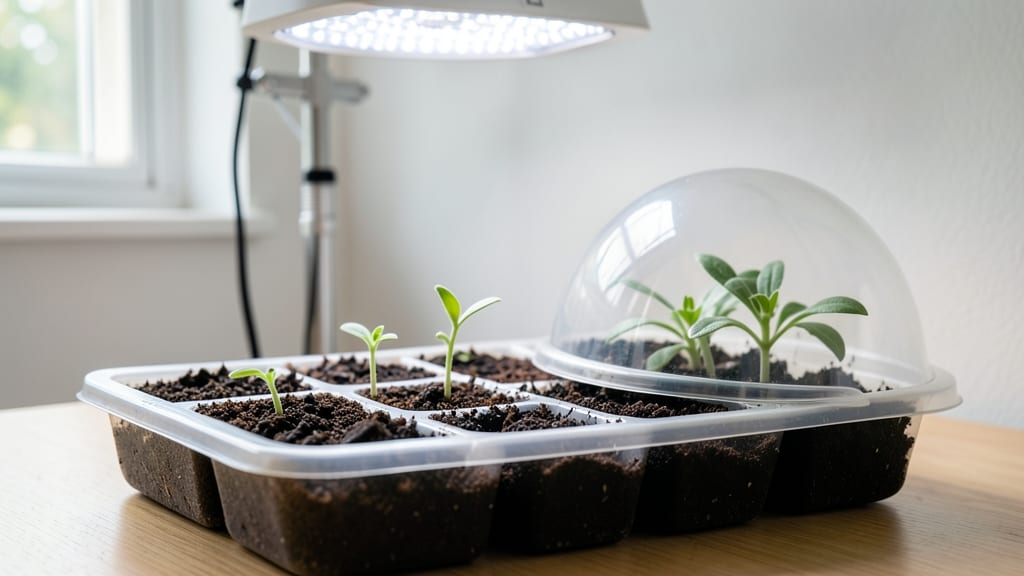
Zinnia seeds sprout in just 7 days with the right setup—no fuss, no fussing. 🌱 I’ve watched them pop up like clockwork using this simple method, and you’ll be amazed how little effort it takes to get those first green shoots breaking through the soil.
The secret lies in warmth, moisture, and light—no fancy equipment needed. Just a shallow tray, some damp paper towels, and a warm spot (like on top of your fridge). Keep it consistently moist but not soggy, and within a week, you’ll see those tiny zinnia sprouts pushing through.
Once they’ve sprouted, they’ll grow fast—strong stems and vibrant leaves within days. The best part? You can transplant them into soil or pots without stress, and they’ll keep blooming all summer long. This method works for beginners and busy gardeners alike.
No green thumb required—just follow these steps, and you’ll have zinnia sprouts ready for planting in no time.
📚 In This Guide
- What you need
- Instructions
- Tips and common mistakes
- Wrapping up and next steps
What you need
- ● Zinnia seeds: 10–20 seeds (non-GMO, heirloom varieties recommended for best results).
- ● Germination kit or supplies: 1–2 seed-starting trays (72-cell or 128-cell trays work best).
- ● OR 1 clear plastic dome lid (to retain humidity).
- ● OR 1 spray bottle (for manual misting).
- ● Seed-starting mix: 1 bag (1–2 quarts) of sterilized, peat-free potting soil (or coconut coir).
- ● Watering tool: 1 fine-mist spray bottle (to avoid disturbing seeds).
- ● Light source: 1 grow light (LED, 12–16 hours/day) OR
- ● 1 sunny windowsill (south-facing, 6+ hours of light).
- ● Container: 1 shallow tray or saucer (to catch excess water).
- ● 1 humidity dome (for faster sprouting).
- ● 1 thermometer/hygrometer (ideal temp: 70–75°F).
- ● 1 seedling heat mat (speeds up germination in cooler climates).
- ● 1 label maker (to track planting dates!).
How to germinate zinnia seeds in 7 days—with zero daily fuss
No heat mats, no fussing—just a simple method that guarantees zinnia sprouts in a week.
🌱 Step 1: Prep Seeds for Faster Germination
Zinnia seeds have tough outer shells that slow sprouting. To speed things up, soak them overnight in a small bowl of lukewarm water. A few hours is fine, but I like to let them sit for 12 hours—this softens the coating so roots can break through faster. Drain and pat them dry with a paper towel before planting.
Here's the thing—don't skip this step. Dry seeds can take 10-14 days to sprout, but soaked ones pop up in 5-7 days. You'll see the difference immediately when you compare them to unsoaked seeds.
💧 Step 2: Plant in Warm, Moist Soil
Fill your seed-starting tray with warm potting mix (around 70°F is ideal). Press it down lightly so the surface is firm but not packed. Scatter the soaked seeds ¼ inch deep—any deeper and they’ll struggle to reach the light. I use a toothpick to make small holes and drop one seed per spot.
Water gently until the soil looks damp but not soggy. You want moisture to reach the seeds without washing them away. Cover the tray with a clear plastic dome or wrap plastic wrap around it to trap warmth and humidity. This creates a mini greenhouse effect that speeds up germination.
☀️ Step 3: Keep Warm and Bright (No Fussing Required)
Place the tray in a spot with bright, indirect light—a sunny windowsill works, but avoid direct midday sun, which can overheat the soil. If your home runs cool, set the tray on top of the fridge or near a heat source (just not too close—75-80°F is perfect). You’ll see condensation on the plastic; that’s normal and means humidity is just right.
Don’t water again until you see sprouts—usually 4-5 days. If the soil feels dry to the touch, mist lightly with a spray bottle. Overwatering now will drown the seeds before they even start. Patience is key here; zinnia seeds won’t sprout until conditions are perfect.
⏰ Step 4: Uncover and Give Them Light
Once you spot the first green shoots (usually 5-7 days), remove the plastic dome immediately. This prevents mold and encourages strong stems. Place the tray under grow lights or a sunny window—zinnias need 12-14 hours of light daily to grow sturdy.
Watch for leggy seedlings (long, thin stems reaching for light). If that happens, move the light closer—within 2-3 inches of the plants. Strong zinnia sprouts have thick stems and deep green leaves. Thin them to one per cell if you planted multiple seeds, using scissors to avoid disturbing roots.
Tips & tricks for perfect zinnia seed germination
Here's what nobody tells you about making zinnia sprouts pop up reliably in a week.
Soaking Secret: For the 12-hour soak in Step 1, use a small bowl with just enough lukewarm water to cover the seeds—about 1 inch deep. Adding a drop of dish soap (just a tiny splash!) prevents surface tension from keeping seeds dry. After soaking, I spread them on a paper towel to dry completely before planting; any moisture left on the seeds can cause mold in the soil later.
Soil Temperature Tip: The 70°F soil temperature in Step 2 is critical—colder soil slows germination to a crawl. If your home runs chilly, place your seed tray on top of the fridge (not inside) for 24 hours before planting to warm the soil. You can also microwave a damp paper towel for 30 seconds, wrap it around the tray, and let it sit for 10 minutes to boost warmth temporarily.
Light Position Strategy: In Step 3, position your tray where it gets bright but indirect light—think of it like a sunbathing spot where you'd wear a light cover-up. Direct midday sun can heat the soil above 80°F, which actually inhibits germination. A north-facing window is ideal, or use a grow light on a timer for 12 hours daily. The condensation you see on the plastic dome is a good sign—it means humidity levels are perfect for sprouting.
Leggy Seedling Rescue: When you notice leggy seedlings in Step 4, don't just move the light closer—rotate the tray 180 degrees daily. This prevents them from leaning toward one light source and encourages even, sturdy growth. If you're using scissors to thin seedlings, sterilize them with rubbing alcohol first to prevent spreading disease between plants.
Pro Tips for Zinnia Seed Sprouts
- Here's what nobody tells you about making zinnia sprouts pop up reliably in a week.
- Soaking Secret: For the 12-hour soak in Step 1, use a small bowl with just enough lukewarm water to cover the seeds—about 1 inch deep.
- Soil Temperature Tip: The 70°F soil temperature in Step 2 is critical—colder soil slows germination to a crawl.
Frequently asked questions
Got questions about growing zinnia seed sprouts?
You’re not alone! Here are answers to the most common ones to help you succeed with your hands-off germination.
How long do zinnia seeds take to sprout?
Zinnia seeds typically sprout in 7–14 days under ideal conditions (warmth, moisture, and indirect light). With the right setup—like our hands-off method—you can see sprouts in as little as 5–7 days. Patience is key, but don’t worry if they take longer; consistency keeps them coming!
What if my zinnia seeds aren’t sprouting?
If your seeds aren’t sprouting after 2 weeks, check these fixes:
- Temperature: Keep your sprouting tray at 70–75°F (use a heating mat if needed).
- Moisture: Ensure the paper towel stays damp (not soggy). Mist lightly if dry.
- Light: Move to a bright, indirect spot (e.g., near a window but not in direct sun).
- Viability: Test a few seeds in warm water—if they sink, they’re likely still good!
Can I plant zinnia sprouts directly outside?
Yes! Once your sprouts have 2–3 true leaves (not just the initial seed leaves), they’re ready for transplanting. Wait until nighttime temps stay above 50°F (late spring/early summer) to avoid frost damage. Harden them off for 3–5 days first by placing them outside for a few hours daily.
What’s the best soil mix for zinnia seedlings?
Zinnias thrive in well-draining, fertile soil. Mix equal parts:
- Potting soil
- Perlite or vermiculite (for aeration)
- A handful of compost
Add a balanced fertilizer (10-10-10) when transplanting to give them a nutrient boost. Avoid heavy clay soil, which can suffocate roots.
Can I reuse the paper towel method for other flowers?
This hands-off technique works for sunflowers, marigolds, and cosmos. Just adjust the sprouting time—sunflowers may take 10–14 days, while marigolds can sprout in 5–7 days. Keep the towel moist and provide warmth for best results across all seeds!
Wrapping up and next steps
Growing zinnia seed sprouts in just 7 days is a rewarding and hassle-free way to bring vibrant blooms to your garden! With the right materials and a little patience, you’ll soon be enjoying lush, healthy seedlings ready for transplanting.
Whether you’re a seasoned gardener or just starting out, this method proves that beautiful results don’t require complicated steps—just consistency and care.
Now that you’re armed with the knowledge, roll up your sleeves and give it a try! Start your sprouts today, and in no time, your garden will be bursting with color. Happy growing! 🌱💐