
Lawn
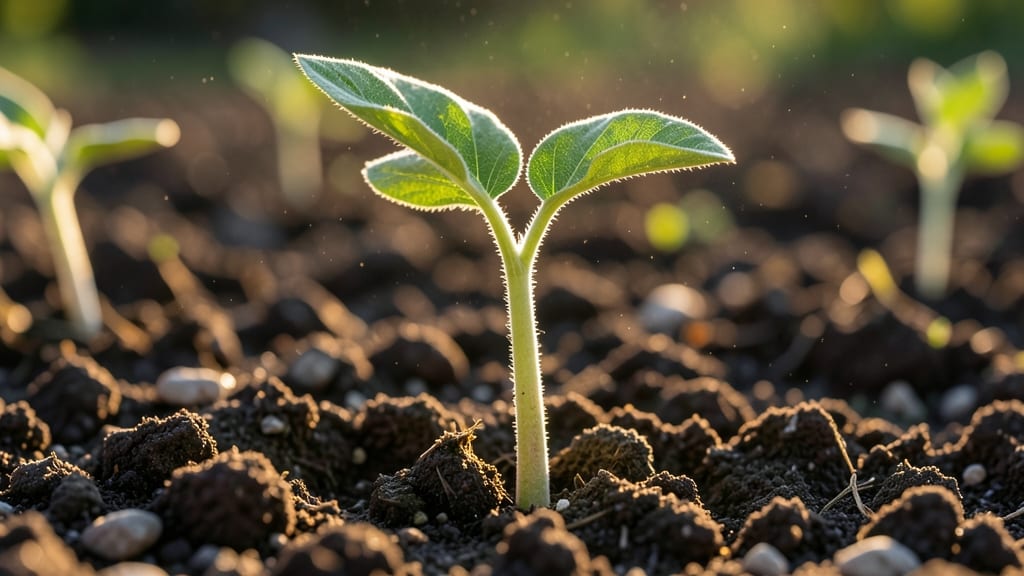
A seed in the sun doesn't just grow—it thrives, bursting into color and life like a promise fulfilled. 🌻 The right sun-loving annuals can turn your garden into a radiant canvas, where every petal seems to catch the light and hold it.
My front yard used to feel flat until I swapped shade-tolerant plants for bold sun-worshippers like zinnias, marigolds, and salvias—they don’t just bloom, they glow from dawn to dusk.
The magic starts with placement: group plants by sun needs, creating pockets of intensity where light pools. A sunlit oasis feels like stepping into a different world—imagine a centerpiece of golden coreopsis surrounded by deep purple verbena, all humming with bees.
Even small spaces can shine: a single raised bed of nonstop bloomers becomes a stage for sunlight’s drama, with colors shifting as the day progresses.
What you’ll end up with is a garden that feels alive in ways flat greenery never could. The air smells sweeter, the colors pop against the sky, and you’ll find yourself lingering longer just to watch the light dance on petals.
It’s not about perfection—it’s about celebrating the sun’s generosity through plants that demand to be seen.
This approach works for any yard size, from city balconies to sprawling backyards. The key is letting sunlight dictate the story—whether that’s a sun-oriented border or a wildflower meadow that sways with the breeze. Let’s bring the light in.
📚 In This Guide
- What you need
- Instructions
- Tips and common mistakes
- Wrapping up and next steps
What you need
- ● Sun-loving annual seeds: Marigolds (e.g., Tagetes) – 50 seeds
- ● Zinnias (e.g., Zinnia elegans) – 30 seeds
- ● Sunflowers (e.g., Helianthus annuus) – 20 seeds
- ● Petunias (e.g., Petunia × hybrida) – 40 seeds
- ● Cosmos (e.g., Cosmos bipinnatus) – 30 seeds
- ● Potting mix: 10 lbs of well-draining, seed-starting mix (or coco coir for eco-friendly options)
- ● Containers or seed trays: 10–20 small pots (3–4 inches deep) or a seed tray with cells
- ● Grow lights or sunny windowsill: 4–6 hours of daily light (or a grow light for 12–16 hours/day)
- ● Watering can or spray bottle: With a fine mist nozzle
- ● Fertilizer: Balanced liquid fertilizer (5-5-5 or 10-10-10 NPK ratio)
- ● Gloves: A pair for handling soil and seeds comfortably
- ● Small hand trowel: For planting and transplanting
- ● Plant labels: 20–30 labels + markers (to track varieties)
- ● Outdoor space: Full sun (6+ hours/day) for mature plants
- ○ Optional: Mulch (straw or shredded leaves) – 1–2 bags
- ● Plant stakes or cages – For taller varieties like sunflowers
- ● Organic pest control (neem oil or insecticidal soap)
Step-by-step guide to planting sun-loving annuals for continuous blooms
Here’s how to create a vibrant, sun-soaked garden that delivers nonstop color—no fancy tricks, just smart planting.
🌱 Step 1: Choose the Right Sun-Loving Annuals for Your Climate
Select annuals that thrive in your specific sun exposure and climate zone. For full sun (6+ hours daily), prioritize heat-tolerant varieties like zinnia, marigold, or celosia—they handle intense afternoon rays without wilting. For partial sun (4-6 hours), opt for salvia, petunia, or snapdragon, which appreciate morning sun and afternoon shade.
Check your USDA hardiness zone to match plants with your last frost date. I always plant after the last frost (when soil reaches 60°F+) to avoid cold snaps damaging tender seedlings. Pro tip: Mix heat-lovers with shade-tolerant varieties to extend blooms through summer’s peak heat.
☀️ Step 2: Prepare the Soil for Maximum Sunlight Success
Sun-loving plants need well-draining soil to prevent root rot. Amend native soil with 2-3 inches of compost and a handful of perlite or coarse sand to improve aeration. Test soil pH—most annuals prefer 6.0-7.0. If your soil is heavy clay, raise beds or plant in containers to avoid waterlogging.
Work in a balanced, slow-release fertilizer (like 10-10-10) at planting time to fuel early growth. I swear by fish emulsion for a quick nutrient boost—just mix it into the top 6 inches of soil. Avoid over-fertilizing; sun plants grow fast, and excess salts can burn roots.
🪴 Step 3: Plant with Spacing for Airflow and Sun Access
Follow seed packet spacing guidelines—crowding blocks sunlight and airflow, inviting fungal diseases. For example, zinnias need 12-18 inches apart, while marigolds thrive at 8-12 inches. Plant in early morning or late afternoon to reduce transplant shock from midday heat.
Dig holes twice as wide as the root ball to encourage root spread. Gently loosen roots before placing plants in soil—this prevents circling roots that strangle growth. Water deeply after planting to settle soil and eliminate air pockets. Mulch with 1-2 inches of straw to retain moisture and suppress weeds.
💧 Step 4: Water Deeply and Strategically for Sun-Loving Plants
Water deeply 2-3 times per week (not daily) to encourage deep root growth. Aim for 1 inch of water per week, delivered at the base—not overhead—to prevent fungal spores from splashing onto leaves. Early morning watering (before 10 AM) minimizes evaporation and reduces mildew risk.
Sun plants often wilt midday as a survival mechanism—don’t panic. Check soil moisture with your finger: if the top 2 inches feel dry, it’s time to water. Overwatering in full sun leads to root suffocation, while underwatering causes weak stems. A soaker hose or drip irrigation keeps moisture consistent without wetting foliage.
✂️ Step 5: Deadhead and Fertilize for Nonstop Blooms
Deadhead spent blooms weekly to redirect energy into new flowers. For zinnias, pinch off faded blooms at the base with your thumb and forefinger—no tools needed. This simple step extends blooming by 3-4 weeks in peak summer. I also snip back leggy stems to encourage bushier growth and better sunlight penetration.
Feed plants every 4-6 weeks with a low-nitrogen, high-phosphorus fertilizer (like 5-10-5) to boost flowering. Avoid high-nitrogen feeds—they promote leafy growth at the expense of blooms. Watch for yellowing leaves (nitrogen deficiency) or stunted growth (phosphorus deficiency) and adjust accordingly.
Tips & tricks for perfect sun-loving annuals
These simple yet game-changing strategies will help your sun-loving annuals thrive and bloom like crazy.
Climate Zone Intelligence: Don't just guess about your hardiness zone—use the USDA Plant Hardiness Zone Map to pinpoint your exact zone. I've seen gardeners in Zone 7 plant Zone 8 varieties and struggle with heat stress. The 60°F soil temperature guideline is your golden rule for planting after last frost, but verify with a soil thermometer for accuracy. This small step prevents transplant shock and ensures vigorous growth from day one.
Soil Prep Secrets: When amending soil with 2-3 inches of compost and perlite, mix it into the top 6 inches of soil—not just the surface. Think of it like layering a five-course meal: the roots need that nutrient-rich environment at every depth. For heavy clay soils, consider raised beds or containers—they'll give your sun-lovers the drainage they crave without compromising on space.
Watering Wisdom: The 1 inch per week guideline works perfectly, but timing matters just as much. I've found that 6 AM watering gives plants all day to absorb moisture before the heat peaks. Pro tip: Use a rain gauge to track your watering—many gardeners overestimate how much they're actually delivering. A soaker hose placed at the base of plants delivers water exactly where it's needed without wetting foliage, which is crucial for preventing fungal diseases in hot climates.
Deadheading Discipline: That weekly deadheading isn't just about looks—it's a biological hack. When you remove spent blooms, you're telling the plant to redirect its energy from seed production to creating more flowers. For zinnias, I've seen blooming periods extend by 3-4 weeks when consistently deadheaded. Use clean, sharp scissors or your fingers to pinch blooms at the base—never tear stems, which can damage the plant.
Pro Tips for A Seed In The Sun
- These simple yet game-changing strategies will help your sun-loving annuals thrive and bloom like crazy.
- Climate Zone Intelligence: Don't just guess about your hardiness zone—use the USDA Plant Hardiness Zone Map to pinpoi...
- Soil Prep Secrets: When amending soil with 2-3 inches of compost and perlite, mix it into the top 6 inches of soil—no...
Frequently asked questions
Got questions about growing sun-loving annuals that bloom all season long?
Here are answers to the most common ones—so you can dive right in with confidence!
What’s the best time to plant sun-loving annuals for continuous blooms?
Plant after the last frost date in your zone (typically spring for most U.S. regions). For a nonstop bloom, stagger plantings every 2–3 weeks until mid-summer. This ensures fresh flowers as older ones fade!
How do I prevent my sun-loving annuals from wilting in extreme heat?
Water deeply in the morning (1–1.5 inches per week) to encourage strong roots. Use mulch (like straw or pine bark) to retain moisture, and choose heat-tolerant varieties like zinnia or celosia. Avoid overhead watering to prevent fungal issues.
Can I grow these annuals in containers instead of garden beds?
Use large containers (at least 12 inches deep) with well-draining soil and place them in full sun. Opt for compact varieties like geraniums or petunias. Just water more frequently—containers dry out faster!
Will sun-loving annuals attract bees and butterflies?
Yes! Many sun-loving annuals (like marigolds, cosmos, and lantana) are pollinator magnets. For extra appeal, plant them near herbs or native perennials. Avoid pesticides—let the buzzing begin!
How do I keep my annuals blooming all season?
Deadhead spent blooms regularly (remove faded flowers) to encourage new growth. Fertilize lightly every 4–6 weeks with a balanced, water-soluble formula. Rotate plants for even sun exposure, and watch your garden stay vibrant!
What if my annuals stop blooming early?
Overcrowding, nutrient deficiencies, or poor sunlight can cause early fade-out. Thin plants, fertilize, and ensure they get 6+ hours of direct sun daily. If pests (like aphids) are present, treat with neem oil or insecticidal soap.
Wrapping up and next steps
Transforming your lawn into a vibrant, sun-driven oasis is simpler than you think! The key takeaway? Sun-loving annuals like zinnias, marigolds, and sunflowers thrive with minimal effort—just sunlight, water, and a little love. They’ll reward you with nonstop color and pollinator-friendly blooms, turning your outdoor space into a cheerful retreat.
Ready to dive in?
Start small—pick one or two varieties to test in a sunny patch, then expand as you gain confidence. Grab your seeds, a sunny spot, and a watering can, and let nature do the rest! Your future self (and your happy plants) will thank you. 🌻✨