Lawn
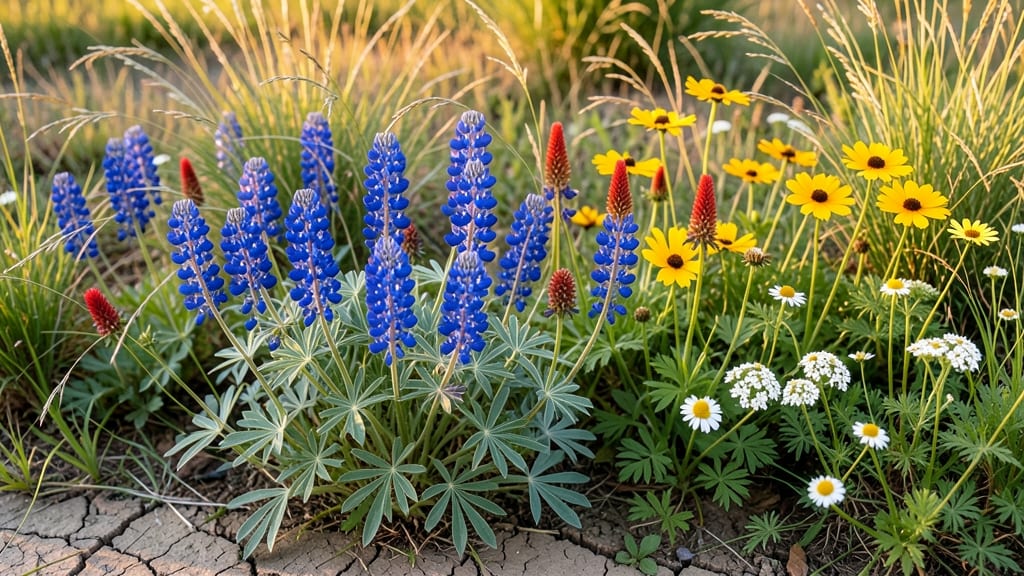
Your Texas wildflower seed mix transforms barren soil into a buzzing, blooming paradise for bees and butterflies. 🌻 I planted mine last spring after years of watching hummingbirds dart past my empty yard—now my front yard is a pollinator magnet with zero effort.
The secret lies in choosing the right mix for your region and letting nature take over once you get it started.
You’ll need just three things: a sunny spot (at least 6 hours of light daily), loose soil (no need to till deeply), and a sprinkler or soaker hose. Most Texas mixes thrive in poor soil and drought once established—perfect for our unpredictable rains.
The key is patience: first blooms arrive in 6-8 weeks, but the real magic happens in the second year when flowers return year after year.
Imagine your yard alive with bluebonnets, Indian paintbrush, and black-eyed Susans by spring. The scent of honey and the hum of bees become your daily soundtrack. Even drought won’t stop these tough plants—once rooted, they’ll outlast your watering mistakes.
Pro tip: Mow high (3-4 inches) to protect emerging flowers and keep weeds at bay.
This works for city yards, rural fields, or even container gardens on patios. Pair with native grasses like buffalo grass for a low-maintenance, pollinator-friendly landscape. Let’s get those seeds in the ground—your future hummingbirds will thank you.
📚 In This Guide
- What you need
- Instructions
- Tips and common mistakes
- Wrapping up and next steps
What you need
- ● Texas Wildflower Seed Mix: 1–5 lbs (depending on area size—see seed coverage guide below). Choose a blend like Native American Seed’s "Texas Wildflower Mix" or Wildseed Farms’ "Bluebonnet Mix" for guaranteed local varieties.
- ● Garden rake: Medium-tooth (¼"–½") for loosening soil without disturbing roots.
- ● Hoe or cultivator: To remove weeds and debris from the planting area.
- ○ Water source: Hose with adjustable nozzle (or a watering can for small patches) and drip irrigation kit (optional but recommended for new plantings).
- ● Gloves: Heavy-duty gardening gloves to protect against prickly plants (like Texas thistle or prickly pear seedlings).
- ● Sunlight access: A full-sun area (6+ hours/day)—wildflowers thrive in Texas heat!
- ● Soil amendment: Compost or native soil mix (if your soil is heavy clay or sandy). Texas wildflowers adapt well but love a little boost!
- ● Mulch or straw: Light layer (¼") to retain moisture during germination (critical in first 2 weeks).
- ● Seed spreader: For large areas (1,000+ sq. ft.)—saves time and ensures even coverage.
- ● Pollinator-friendly markers: Stakes or flags to label your wildflower patch (fun for kids and future you!).
- ● Wildlife camera: 🐝🦋 (Because nothing beats watching hummingbirds and bees visit your new haven!)
Step-by-Step instructions for planting a Texas wildflower meadow
Here's how to create a thriving pollinator haven using native seeds—no green thumb required.
🌱 Step 1: Prepare Your Planting Site
Choose an area with full sun exposure (6+ hours daily) and minimal competition from grass or weeds. I like to mark the space with stakes before clearing—this helps visualize the final meadow. Use a string line to create straight edges if you prefer a defined border, or let it flow naturally for a wild look.
Remove existing vegetation by hand or with a sod cutter, being careful not to disturb the soil more than necessary. The goal is to expose bare ground without creating deep furrows. For rocky or compacted soil, lightly rake the surface to create a rough texture—this helps seeds make contact with the earth.
💧 Step 2: Test and Amend Soil (If Needed)
Texas wildflowers thrive in lean, well-draining soil. Dig a small hole, fill it with water, and wait to see how quickly it drains. If water pools after 30 minutes, your soil is too dense. For clay-heavy areas, mix in 2-3 inches of compost or aged manure to improve drainage without adding fertility.
Skip fertilization entirely—wildflowers grow best in low-nutrient conditions. Over-fertilizing produces lush foliage but weakens seed production. If your soil tests extremely poor (pH below 6.0 or above 8.0), a light application of lime or sulfur can help, but most native wildflowers tolerate a wide range naturally.
☀️ Step 3: Scatter Seeds Strategically
Spread seeds evenly across the prepared area using a broadcast spreader or by hand. For a 100-square-foot section, aim for about 1/4 pound of seed mix. Walk in a grid pattern to avoid thick patches—wildflowers need space to establish. Lightly rake the surface to press seeds into the soil without burying them.
Don't cover seeds with soil—most Texas wildflowers need light to germinate. A thin layer of straw mulch (1/4 inch) helps retain moisture while protecting seeds from birds. Water gently with a sprinkler to settle everything in place, then let nature take over.
🌿 Step 4: Water and Maintain Through Establishment
Keep the soil consistently moist (but not soggy) for the first 4-6 weeks—this is critical for germination. Water deeply 2-3 times weekly until you see first green sprouts. After that, reduce to once weekly and gradually taper off as plants mature. Overwatering at this stage is the #1 mistake—it causes rot before roots establish.
Once seedlings reach 2-3 inches tall, stop watering entirely unless you experience prolonged drought. Native wildflowers develop deep roots that access moisture naturally. Mow the area once after seeds set (when flowers fade) to remove dead growth and encourage new blooms next season.
⏰ Step 5: Enjoy and Support Your Pollinator Haven
The first year may look sparse, but be patient—wildflowers often take 6-12 months to reach full bloom. Once established, they'll multiply naturally each year with minimal care. Leave seed heads standing in fall to feed birds and replenish your meadow for next season.
To boost pollinator activity, plant a few early bloomers (bluebonnets) alongside late-season flowers (wax myrtle) to provide continuous nectar. Avoid pesticides entirely—even "organic" sprays can harm the very creatures you're trying to attract. Within a year, you'll have a buzzing, colorful ecosystem right in your yard.
Tips & tricks for planting your Texas wildflower meadow
These little details make all the difference between a patchy garden and a thriving pollinator paradise.
Sun Exposure Secret: That 6+ hours of full sun is non-negotiable for Texas natives. I've planted in partial shade before, and while some species might survive, you won't get the vibrant blooms or pollinator traffic you're hoping for. If your yard has limited sun, consider creating raised beds with southern exposure instead of trying to force it in shady spots.
Soil Test Timing: The 30-minute drainage test in Step 2 is your best friend. I recommend doing this test in the morning when soil is naturally moistest—you'll get the most accurate reading. If water disappears in under 10 minutes, your soil drains too quickly and may need a bit of compost mixed in to help retain moisture during those critical first weeks.
Seed Distribution Hack: For that 100-square-foot section needing 1/4 pound of seeds, I like to divide the seed mix into four equal portions and scatter each portion in a different direction (north, south, east, west). This creates a more natural, even distribution than walking in straight lines. Think of it like snowfall—random patterns look more organic and prevent thick clumps.
Watering Watch: The 4-6 week watering window is where most people go wrong. I set a timer for my sprinkler system to run for 15 minutes every other day during this period—just enough to keep the top inch of soil moist without creating puddles. Too much water now = rot before roots establish; too little = seeds that never wake up.
Pro Tips for Texas Wildflower Seed Mix
- These little details make all the difference between a patchy garden and a thriving pollinator paradise.
- Sun Exposure Secret: That 6+ hours of full sun is non-negotiable for Texas natives. I've planted in partial shade bef...
- Soil Test Timing: The 30-minute drainage test in Step 2 is your best friend. I recommend doing this test in the morni...
Frequently asked questions
Got questions about transforming your Texas yard into a wildflower paradise? Here are some of the most common queries—and answers—to help you get started with confidence!
When is the best time to plant Texas wildflower seed mix?
The ideal planting window is late summer to early fall (August–October). This timing aligns with natural rainfall patterns in Texas, giving seeds a head start before winter. Spring planting (March–April) also works but requires consistent watering. Avoid planting in peak summer heat—seeds need moisture to germinate!
How often should I water my wildflower seeds after planting?
Keep the soil consistently moist (not soggy) for the first 2–3 weeks after planting. Water lightly once daily if rainfall is scarce, aiming for about ¼ inch of water per session. Once seedlings sprout, reduce watering to 1–2 times per week—wildflowers thrive on drought once established!
Will Texas wildflower seed mix attract bees and butterflies?
This mix is specifically chosen to support native pollinators like monarch butterflies, honeybees, and hummingbirds. Flowers such as bluebonnets, black-eyed Susans, and Mexican hat are pollinator magnets. For maximum impact, plant in sunny, well-drained areas and avoid pesticides—your garden will buzz with life in no time!
Can I plant Texas wildflower seeds in pots or containers?
Yes, but use large, deep containers (at least 12 inches deep) with well-draining soil. Choose lightweight mixes (like bluebonnet blends) since they’re smaller. Place pots in full sun and water regularly. Just note: some wildflowers (like milkweed) may need extra space to spread. Containers are great for patios or balconies!
What should I do if my wildflowers aren’t growing as expected?
Troubleshoot with these steps:
- Check soil moisture: Wildflowers often struggle if the soil is too dry or waterlogged.
- Verify sunlight: Most Texas wildflowers need 6+ hours of direct sun daily.
- Test soil pH: Aim for 6.0–7.5; amend if needed with lime or sulfur.
- Patience! Some species (like bluebonnets) take 60–90 days to bloom.
Wrapping up and next steps
Transforming your Texas yard into a vibrant pollinator haven with a Texas wildflower seed mix is easier—and more rewarding—than you think! 🌸 With the right preparation, native seeds, and a little patience, you’ll soon be welcoming bees, butterflies, and hummingbirds to your outdoor space.
The key is consistency: water, wait, and watch as your garden blooms into a thriving ecosystem.
Ready to take the next step? Start small—plant a patch this season and expand next year. Share your progress with fellow gardeners or local conservation groups for inspiration and tips. Your wildflower garden isn’t just beautiful; it’s a gift to Texas’ native wildlife. Happy planting! 🌿🐝