Lawn
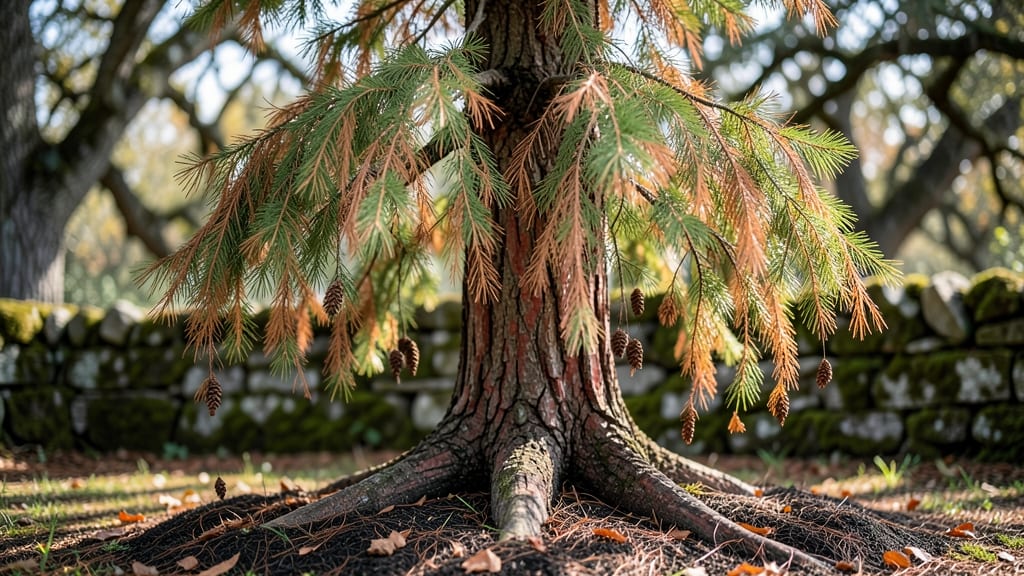
Your bald cypress seed pods are nature's way of multiplying that stunning tree without any effort on your part. 🌿 These papery, sausage-shaped pods appear in late fall, splitting open to reveal tiny seeds that can grow into new trees with minimal intervention from you.
The magic happens when you collect them at the right moment—just as they begin to open but before the seeds scatter.
I've saved dozens of seeds this way, and the process is simpler than you'd think: wear gloves, shake pods over a tarp, and store the seeds in a cool, dry place until spring planting.
Once planted, these seeds germinate reliably in moist soil, and within a few years, you'll have a grove of cypress trees that thrive in wet soils where many other trees would struggle. The best part? You're creating a self-sustaining ecosystem that requires almost no maintenance.
Works perfectly for wetland restoration, pondsides, or as a striking ornamental feature. Here's how to make the most of these free, zero-waste seeds without any special equipment or expertise.
📚 In This Guide
- What you need
- Instructions
- Tips and common mistakes
- Wrapping up and next steps
What you need
- ● Mature bald cypress trees (at least 10–15 feet tall, with brown, woody seed pods—typically found in late fall/winter). Pro tip: 💡 Look for trees near wetlands or ponds!
- ● Pruning shears or loppers (for harvesting pods from high branches—bypass pruners work best for clean cuts).
- ● Large paper bags or breathable mesh sacks (to collect pods without crushing them—avoid plastic to prevent moisture buildup).
- ● Gloves (thick gardening gloves to protect hands from sharp pod edges and potential sap).
- ● Newspaper or cardboard (for drying pods indoors—avoid direct sunlight to prevent mold).
- ● Fine-mesh strainer or sieve (for separating seeds from chaff—¼-inch mesh size works well).
- ● Paper towels or coffee filters (for final seed drying—absorbent but gentle on delicate seeds).
- ● Air-tight seed storage containers (small glass jars or labeled envelopes with desiccant packets to prevent moisture).
- ● Ladder or pole pruner (for reaching high pods safely—extendable loppers save the hassle!).
- ● Magnifying glass (to inspect seeds for pests or damage before storage).
- ● Food dehydrator (for faster, even drying—set to 115°F for 4–6 hours).
- ● Labeling markers & tags (to track harvest year and tree location—permanent ink resists fading!).
- ● Humidity monitor (to ensure storage conditions stay below 30% humidity for longevity).
- ● Timing: Harvest pods when they’re fully brown and dry (typically October–February, after they’ve dropped naturally). ✨ Avoid green or moist pods—they won’t store well!
- ● Legal note: Ensure you have permission to harvest from public or private land (many parks prohibit seed collection).
- ● Safety first: Bald cypress sap can irritate skin—wear gloves and eye protection if working with large quantities.
- ● Patience pays: Seeds may take 2–4 weeks to fully dry. 🌡️ Test readiness by attempting to crack a pod—seeds should rattle freely.
Step-by-Step instructions for harvesting bald cypress seed pods
Here’s how to collect seed pods without touching a tree—just watch, wait, and gather.
🌿 Step 1: Identify Mature Seed Pods on the Tree
Bald cypress seed pods mature in late fall, turning from green to a brownish-tan color. Look for pods that are 3-5 inches long, slightly woody, and starting to split open along one side. These are the ones ready for collection. Avoid green or firm pods—they won’t release seeds yet.
I always check trees in October or November, depending on your climate. Warmer regions may see pods mature earlier, while colder areas might need to wait until late fall. If you’re unsure, tap a pod gently—if seeds rattle inside, it’s ready.
⏰ Step 2: Time Your Collection for Maximum Yield
Wait until the pods are fully brown and dry, but before they’ve completely opened or been scattered by wind. The best time to harvest is on a dry, calm day—this prevents seeds from blowing away while you work. Early morning is ideal because dew keeps pods slightly damp, making them easier to handle.
If you miss the window, don’t worry—pods stay viable on the tree for 2-3 weeks after full maturity. Just avoid collecting after heavy rain, as wet pods can mold or attract pests. I like to mark trees with a flag so I don’t forget to check them weekly.
🪴 Step 3: Collect Pods Without Touching the Tree
Use a long-handled pruning shears or grabbing tool to snip pods directly off the branches. Hold a large bucket or burlap sack beneath the tree to catch falling pods. If the tree is tall, wear gloves and work from a ladder—just be careful not to damage the branches.
Don’t pull pods off by hand, as this can harm the tree. Instead, cut the stem cleanly about ½ inch below the pod. This ensures the tree stays healthy and encourages new growth. Collect only mature pods—green or half-open ones won’t yield viable seeds.
💧 Step 4: Dry and Process the Pods at Home
Spread the collected pods on a clean, dry surface (like a tarp or screen) in a well-ventilated area for 3-5 days. This allows any remaining moisture to evaporate and prevents mold. Stir them gently once a day to speed up drying.
Once fully dry, place the pods in a paper bag and shake them vigorously. The seeds will rattle out while the empty pod husks stay behind. Sift the mixture through a fine mesh screen to separate seeds from debris. Store the clean seeds in a cool, dry place for up to 2 years.
🌱 Step 5: Plant or Store Seeds for Future Use
For immediate planting, sow seeds ½ inch deep in well-draining soil and keep them moist. Bald cypress seeds germinate best in spring when soil temperatures reach 60-70°F. If you’re not ready to plant, store seeds in an airtight container with a desiccant packet to prevent moisture buildup.
Here’s the thing—bald cypress seeds are slow to germinate, often taking 4-6 weeks or longer. Be patient, and keep the soil consistently moist but not soggy. If you’re growing multiple trees, space seedlings 10-15 feet apart to allow for their mature size.
Tips & tricks for perfect bald cypress seed pod harvesting
Here's what I learned after years of harvesting these unique seed pods—avoid these common mistakes and make every collection count.
Timing is Everything: The 3-5 day drying period in Step 4 is non-negotiable for preventing mold. I've learned to set a reminder to stir the pods once daily—this keeps airflow consistent and speeds up the process. If your climate is particularly humid, consider spreading them on a screen elevated off the ground to improve ventilation.
Equipment Upgrade: While pruning shears work fine, I now use a telescoping grabber tool for tall trees—it's safer and reaches higher branches without a ladder. For processing, a fine mesh screen with a handle makes sifting seeds much easier than doing it by hand. The ½-inch planting depth mentioned in Step 5 works perfectly with a small trowel or even a butter knife for precision.
Seasonal Insight: Don't overlook the 60-70°F soil temperature range in Step 5—this is when seeds germinate most reliably. I've found that planting in early spring (March-April) gives the best results, as cooler fall planting can delay germination until the following spring. Mark your calendar now to plan ahead!
Pro Tips for Bald Cypress Seed Pods
- Here's what I learned after years of harvesting these unique seed pods—avoid these common mistakes and make every collection count.
- Timing is Everything: The 3-5 day drying period in Step 4 is non-negotiable for preventing mold.
- Equipment Upgrade: While pruning shears work fine, I now use a telescoping grabber tool for tall trees—it's safer and reaches higher branches without a ladder.
Frequently asked questions
Got questions about harvesting bald cypress seed pods? You’re not alone! Here are some of the most common queries—and their straightforward answers—to help you master zero-waste seed saving with ease.
When is the best time to harvest bald cypress seed pods?
Harvest seed pods when they turn brown and dry (usually late fall to winter). Avoid harvesting if pods are still green or soft—they won’t store well! Wait until they splits open naturally or feel papery to the touch. Patience pays off for viable seeds!
How do I tell if the seed pods are ready for collection?
Ready pods are light brown, brittle, and often gaping open. Give them a gentle squeeze—if seeds rattle inside, they’re harvest-ready! Skip pods with mold, pests, or a damp interior. Pro tip: Collect on a dry day to prevent moisture damage.
What if my seed pods attract squirrels or pests before I harvest them?
Squirrels and birds love these pods! To outsmart them, harvest pods early in the morning or use a lightweight mesh bag to collect them whole. If pests are a recurring issue, try shaking pods over a tarp to dislodge seeds before they’re eaten.
Can I use bald cypress seed pods for anything other than planting?
Beyond seeds, dried pods make rustic decor (wreaths, centerpieces) or natural kindling for fire pits. Their unique shape also inspires DIY crafts, like seed paper or wind chimes. Just ensure pods are fully dry to avoid mold.
How should I store harvested seed pods and seeds?
Store pods in a cool, dry place (like a paper bag with ventilation) for up to 6 months. For seeds, use an airtight container with a desiccant packet in the fridge for 1–2 years. Label everything! Bald cypress seeds lose viability fast if stored improperly.
What if my seeds don’t germinate after planting?
Low germination? Try stratifying seeds (mix with damp sand, refrigerate 4–6 weeks). Bald cypress seeds need moisture and warmth to sprout—plant in well-draining soil and keep consistently damp. If still no luck, test viability by soaking seeds in water (floating = dead; sinking = viable).
Wrapping up and next steps
Bald cypress seed pods offer a zero-waste, hands-off way to save seeds while embracing nature’s rhythms. Whether you’re an eco-conscious gardener or a curious beginner, these unique pods make seed saving effortless and rewarding—no fancy tools or complicated steps required! 🌱
Ready to dive in? Start by observing your local bald cypress trees this fall and plan your seed-saving adventure. Who knows—you might just inspire others to try this simple, sustainable practice too!