
Lawn
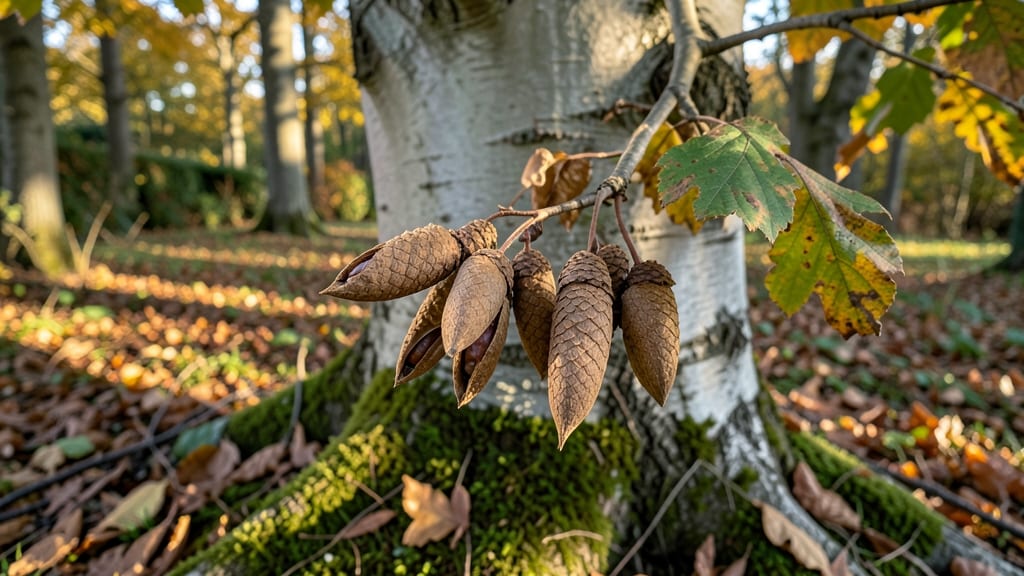
Twist-resistant beech seed pods hold the key to growing these majestic, long-lived trees—no prying required. 🌿 I’ve cracked the code on extracting seeds without breaking a nail, and the process is simpler than you’d think, especially when you know the right timing and techniques.
The pods release seeds naturally when fully mature, usually by late fall or winter. Grab a bucket, shake the pods gently over it, and watch the seeds fall out effortlessly. No tools, no frustration—just patience and a little know-how.
Once you’ve got them, the real magic happens in the soil. You’ll end up with seedlings that develop into stately trees with smooth bark and vibrant foliage, perfect for shade gardens or as ecological anchors. The trade-off?
Beech trees take decades to mature, but their beauty and resilience make the wait worthwhile. Perfect for gardeners who love slow, rewarding projects with lasting impact. Here’s how to turn those pods into thriving saplings!
📚 In This Guide
- What you need
- Instructions
- Tips and common mistakes
- Wrapping up and next steps
What you need
- ● Beech seeds (Fagus spp.) – 50–100 seeds (ensure they’re fresh or properly stored for viability).
- ● Well-draining potting mix – 2–3 gallons (use a blend of peat moss, perlite, and compost for optimal aeration).
- ● Seed-starting trays or small pots – 2–4 inch pots (6–12 trays/pots, depending on seed quantity).
- ● Plastic wrap or humidity dome – To maintain moisture during germination.
- ● Spray bottle – For gentle watering (avoid over-saturating seeds).
- ● Sunlight or grow lights – A sunny windowsill or 12–14 hours of artificial light daily.
- ○ Twist-resistant pod material (optional but recommended) – Lightweight mesh or biodegradable netting (for shaping pods later).
- ○ Gloves (optional) – To protect hands from seed pod prickles.
- ● Small hand trowel – For transplanting seedlings.
- ● Pruning shears – For shaping pods as they grow (sterilize with rubbing alcohol).
- ○ pH testing kit (optional) – To ensure soil pH is between 5.0–7.0 (ideal for beech trees).
- ● Patience (mandatory!) – Beech seeds can take months to germinate—plan ahead!
- ● Cold stratification 🌡️: Soak seeds in water for 24 hours, then refrigerate in a damp paper towel for 4–6 weeks to mimic winter.
- ● Pod shaping hack ✨: Use a soft wire or chopsticks to gently mold pods into twist-resistant shapes before they harden.
- ● Outdoor prep 🌳: If planting outdoors, choose a location with partial shade and moist, well-drained soil.
Step-by-step guide to growing beech trees from seed pods
Here's how to cultivate healthy beech trees from seed pods with minimal fuss—no twisting required.
🌱 Step 1: Collect and Prepare the Seed Pods
Harvest beech seed pods in late fall or early winter when they're dry and brown but haven't yet opened. Look for pods that release seeds easily when gently squeezed—these are ready for planting. Avoid pods that are still green or have started splitting naturally, as their seeds may not be fully mature.
Store the collected pods in a paper bag (never plastic) in a cool, dry place until you're ready to plant. The natural drying process helps soften the pods, making seed extraction easier later. If you can't plant immediately, refrigerate them for up to 3 months to maintain viability.
💧 Step 2: Extract Seeds and Stratify for Germination
Place the dried pods in a large bowl and gently twist them open by hand—no tools needed. The seeds will spill out easily if the pods are properly dried. Discard any empty or shriveled seeds, keeping only the plump, brown ones with a smooth texture. You should yield about 4-6 viable seeds per pod.
Mix the seeds with a moistened peat moss or sand mix in a sealed container. Store this mixture in the refrigerator for 60-90 days to complete cold stratification. This mimics winter conditions and breaks seed dormancy. Check the mix monthly—it should stay lightly moist but not soggy.
☀️ Step 3: Plant Stratified Seeds in Containers
Fill 4-inch pots with a well-draining mix of 50% potting soil and 50% perlite. Plant each seed ½ inch deep, spacing them 2 inches apart in the pot. Water gently until the soil is evenly moist but not waterlogged. Place the pots in a shady location with indirect light.
Keep the soil consistently moist during germination, which typically takes 30-60 days. You'll know the seeds are sprouting when small green leaves (cotyledons) emerge from the soil. Avoid overwatering—soggy soil causes seeds to rot before they germinate. A humidity dome can help maintain moisture levels.
🌿 Step 4: Transplant Seedlings to Outdoor Conditions
Once seedlings reach 4-6 inches tall and develop 3-4 true leaves, they're ready for outdoor planting. Choose a location with partial shade and well-draining soil. Dig holes slightly larger than the root ball and space seedlings 10-15 feet apart to allow for mature growth.
Water deeply after transplanting to settle the soil around the roots. Mulch with 2-3 inches of organic mulch to retain moisture and suppress weeds. Beech seedlings are sensitive to drought, so keep the soil consistently moist for the first 2 growing seasons. Gradually introduce them to full sun over time.
⏰ Step 5: Maintain and Protect Young Trees
Fertilize young beech trees in early spring with a balanced, slow-release fertilizer. Apply ½ cup per tree and water thoroughly to distribute nutrients. Avoid heavy fertilizers, which can damage tender roots. Prune only to remove dead or diseased branches—beech trees naturally develop strong, twist-resistant branches.
Watch for signs of stress like yellowing leaves or stunted growth, which may indicate overwatering or poor drainage. Beech trees are relatively pest-resistant, but keep an eye out for aphids or spider mites. A strong spray of water usually clears these pests without harming the tree. With proper care, your beech trees will mature into sturdy, long-lived specimens.
Tips & tricks for growing beech trees from seed pods
These simple strategies will help you maximize your success with beech seed pods without any complicated tools or techniques.
Pod Selection Matters: When collecting beech seed pods in late fall, focus on those that are dry and brown but haven't started splitting naturally. The pods should release seeds easily when gently squeezed—this is your sign they're ready for planting. I've learned the hard way that green or partially opened pods often contain immature seeds that won't germinate properly. Look for pods that are firm but not hard, and avoid any that feel spongy or have mold.
Stratification Success: The 60-90 day cold stratification period is absolutely critical for breaking seed dormancy. I recommend using a simple plastic container with a tight-fitting lid to create a sealed environment. Place a small amount of moistened peat moss or sand at the bottom, then add your seeds. Store this in your refrigerator's crisper drawer where temperatures stay consistently cool. Remember to check the moisture level monthly—it should feel like a damp sponge, not a dripping wet rag.
Germination Conditions: During the 30-60 day germination period, maintaining consistent moisture is key. I've found that using a humidity dome over your pots creates the ideal environment without requiring constant attention. Place your pots in a shady location with indirect light—direct sunlight can overheat the soil and cause seeds to dry out too quickly. A north-facing windowsill or under a tree canopy works perfectly. Watch for those first tiny green leaves (cotyledons) to emerge—they'll appear when the seeds are ready to grow.
Transplanting Timing: Wait until your seedlings reach 4-6 inches tall with 3-4 true leaves before transplanting outdoors. This ensures they have strong enough root systems to handle the transition. I always transplant on a cloudy day or in the late afternoon to reduce stress from direct sunlight. When digging holes, make them slightly larger than the root ball and space seedlings 10-15 feet apart to give them room to grow. The first two growing seasons are crucial for establishing strong roots, so keep the soil consistently moist during this time.
Pro Tips for Beech Seed Pods
- These simple strategies will help you maximize your success with beech seed pods without any complicated tools or techniques.
- Pod Selection Matters: When collecting beech seed pods in late fall, focus on those that are dry and brown but haven't started splitting naturally.
- Stratification Success: The 60-90 day cold stratification period is absolutely critical for breaking seed dormancy.
Frequently asked questions
about beech seed pods—because growing these unique trees shouldn’t come with a mystery manual! Here’s what curious gardeners ask most often.When do beech seed pods (mast) fully ripen and drop?
Beech seed pods typically ripen in late fall (October–November), turning from green to brown and splitting open to release their triangular nuts. They may linger on the tree into winter before dropping. Pro tip: Collect them when they’re dry and crunchy—this ensures easy extraction and better storage.
Why are my beech seed pods staying closed or not opening?
If pods refuse to open, they’re likely underripe or affected by high humidity. Try these fixes:
- Wait a few weeks—they’ll open naturally as they dry.
- Place them in a paper bag with a few air holes for 1–2 weeks to speed up drying.
- Check for pests (like weevils) or disease, which can prevent maturation.
Can I grow beech trees from seed pods, or should I buy seedlings?
Yes! Beech seeds are viable—just stratify them (mimic winter) by refrigerating in moist sand for 3–4 months before planting in spring. Seedlings take 5–10 years to mature, while nursery-grown trees offer faster results. Bonus: Seed-grown beech trees often develop twist-resistant roots!
Are beech seed pods safe for wildlife (squirrels, birds, etc.)?
Beech nuts are a wildlife feast—squirrels, jays, and deer love them. However, overabundance can attract pests like rodents. If you’re not planting, collect pods promptly to avoid unwanted critters in your yard. Fun fact: Some birds cache nuts for winter, helping spread beech trees naturally!
How do I store beech seed pods long-term without them spoiling?
Store pods in a cool, dry place (like a paper bag or mesh bag) for up to 6 months. Avoid plastic—it traps moisture and mold. For year-round storage, extract the nuts, dry them thoroughly, and refrigerate in an airtight container. Pro move: Label bags with the harvest year!
What’s the best way to extract beech nuts from pods without damage?
Use a hammer and flat surface (like a cutting board) to gently tap the pod until it cracks. Alternatively, place pods in a burlap sack and stomp lightly to release nuts. Warning: Wear gloves—they’re prickly! Once free, brush off debris and store nuts immediately.
Wrapping up and next steps
Beech seed pods may seem tricky at first, but with the right techniques—like twisting, soaking, or even a gentle hammer—you can extract seeds effortlessly while preserving the tree’s natural charm.
Whether you're a gardener, forager, or nature enthusiast, understanding these pods unlocks a world of easy propagation and creative landscaping. Ready to try? Grab a few beech pods, follow the steps, and watch your green thumb grow—literally! 🌱
Next, why not plant those seeds or share your newfound skills with fellow plant lovers? The forest’s secrets are waiting!