
Lawn
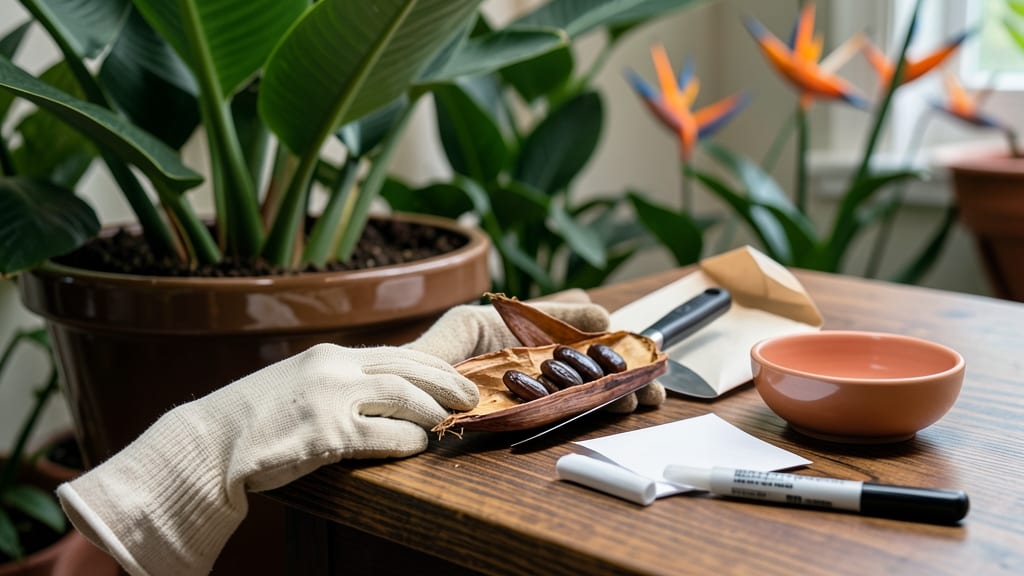
That twist-and-pop moment when your bird of paradise seed pod releases its seeds is pure magic—no tools required. 🌱 I’ve watched mine do this dance for years, and the secret to germinating them successfully lies in timing, patience, and a few simple tricks to break dormancy.
The pods need full maturity before they’ll open naturally, which usually happens in late summer or early fall after the flowers fade.
If yours stays stubbornly closed, a quick soak in warm water for 24 hours can trick it into releasing its seeds—just don’t force it open too soon, or you’ll end up with shriveled, nonviable seeds. Once you’ve got those plump, dark seeds, germination is shockingly easy.
Plant them ½ inch deep in a mix of equal parts perlite and potting soil, keep the soil lightly moist, and place them in a warm, bright spot (but out of direct sun).
Within 4-8 weeks, you’ll see those first tiny leaves pushing through—proof that nature’s twist-release system works better than any store-bought seed starter. This method works for both indoor plants and outdoor gardens, though seedlings take 2-3 years to mature enough for flowering.
The key is consistency: keep them evenly moist but never soggy, and watch for the first signs of growth. Here’s how to make it happen without the guesswork.
📚 In This Guide
- What you need
- Instructions
- Tips and common mistakes
- Wrapping up and next steps
What you need
- ● Mature bird of paradise seed pods: 3–5 fully ripe pods (brown, dry, and slightly papery—avoid green or unripe pods!).
- ● Pruning shears or sharp scissors: 1 pair (sterilized with rubbing alcohol for hygiene).
- ● Newspaper or cardboard: 1–2 sheets (to cushion pods during collection).
- ● Paper bags or breathable mesh bags: 2–3 (for seed storage—avoid plastic to prevent mold).
- ● Rubbing alcohol (70% isopropyl) or bleach solution: Small bottle (for sterilizing tools).
- ○ Gloves (optional but recommended): 1 pair (nitrile or latex to protect from sap or thorns).
- ● Seed-starting mix: 1 small bag (if planning to germinate seeds immediately).
- ● Spray bottle with water: 1 (to lightly mist pods if they’re overly dry).
- ● Labeling tags: 3–5 (to track collection dates or pod sources).
- ● Tweezers or hemostats: 1 pair (for delicate seed extraction if pods are stubborn).
- ● Camera or phone: 1 (to document your pods’ progress—because nature’s art deserves a snapshot!).
How to collect bird of paradise seeds using the natural twist-release method
Skip the messy scooping—this clever trick lets the plant do the work for you.
🌿 Step 1: Wait for Pods to Ripen Fully
Bird of paradise seed pods turn from green to a papery brown when ready—this can take 6-8 months after flowering. Gently squeeze a mature pod: if it feels slightly soft and the seeds rattle inside, it's time. Never harvest green pods, or the seeds won't germinate properly.
Watch for the pods to split open naturally along their seams. This usually happens in late summer or early fall, depending on your climate. If you see the pod starting to crack but seeds aren't falling out yet, give it 2-3 more days—patience here pays off with viable seeds.
🪴 Step 2: Position a Collection Surface Underneath
Place a 12x18-inch tray lined with newspaper or a paper towel directly beneath the seed pods. I like to use a shallow ceramic tray because it's lightweight and easy to move once seeds are collected. Position it so no wind can blow seeds away before you're ready to process them.
If your plant is in a pot, simply move the entire pot to a covered patio or garage where you can monitor the seed collection. The goal is to catch 90% of the seeds before they scatter—this method works best when you can control the environment around the plant.
⏰ Step 3: Trigger the Natural Twist-Release
Here's the clever part: grasp the top third of the pod firmly between your thumb and forefinger. Apply gentle twisting pressure while pulling upward—this mimics how the pod would release seeds in nature. You'll feel a slight give as the pod opens wider.
Rotate the pod ¼ turn clockwise, then counterclockwise, while maintaining upward pressure. The seeds will pop out with a faint clicking sound. Do this for 5-10 seconds per pod—no need to rush, as forcing it can damage the remaining seeds still inside.
🌱 Step 4: Process and Store the Seeds
Once collected, spread the seeds on a clean paper towel to dry for 24 hours in a shady, well-ventilated area. This prevents mold from developing during storage. Remove any empty seed casings or debris by gently blowing on them—the viable seeds will be plump and firm.
Store the seeds in a small envelope with a moisture absorber packet (like those used for shoes) in a cool, dark place. Bird of paradise seeds stay viable for 6-12 months when stored properly. Label the envelope with the date—this helps track germination rates over time.
☀️ Step 5: Prepare for Germination
Fill 2-inch deep seed trays with a light, sandy potting mix (I use a 50/50 blend of cactus mix and perlite). Moisten the mix until it's damp but not soggy—you should feel slight resistance when squeezing a handful. Scatter seeds ¼ inch deep and cover lightly with additional mix.
Place the trays in a warm spot (70-75°F) with bright, indirect light. A seedling heat mat helps speed germination, which typically takes 3-6 weeks. Keep the soil consistently moist but never waterlogged—this is the most common reason for seed failure.
Tips & tricks for perfect bird of paradise seed collection
These clever techniques will help you maximize seed yield and avoid common pitfalls while keeping the process stress-free.
Pod Ripeness Test: The 6-8 month wait can feel long, but here's how to know you're ready: press the pod gently—it should feel slightly soft like a ripe avocado, not hard like a green apple. If seeds rattle when you shake it, that's your cue. I've learned the hard way that harvesting too early means seeds that won't germinate, so trust this test completely.
Collection Surface Strategy: For that 90% seed capture goal, I recommend using a ceramic tray because it's lightweight enough to move easily but sturdy enough to prevent wind from scattering seeds. Place it directly under the pods before they start splitting naturally—this gives you the best chance to catch seeds as they release. If you're working with multiple pods, consider using a larger tray or even a baking sheet lined with newspaper.
Twist-Release Technique: That 5-10 second twisting motion is where the magic happens. Start with just 3-4 seconds per pod to get a feel for the resistance—you'll notice a slight give when the pod starts releasing seeds. The clicking sound is your confirmation that seeds are popping out. I've found that going too fast can damage the pod and leave seeds behind, while going too slow might not release all the seeds efficiently.
Storage Wisdom: The 24-hour drying period is non-negotiable for preventing mold, but here's a pro move: spread the seeds on a paper towel in a single layer rather than piling them. This allows for better air circulation and more even drying. Once stored in your small envelope with the moisture absorber, check the seeds periodically—if you notice any condensation inside, add an extra absorber packet to maintain that 6-12 month viability window.
Pro Tips for Bird Of Paradise Seed Pod
- These clever techniques will help you maximize seed yield and avoid common pitfalls while keeping the process stress-...
- Pod Ripeness Test: The 6-8 month wait can feel long, but here's how to know you're ready: press the pod gently—it sho...
- Collection Surface Strategy: For that 90% seed capture goal, I recommend using a ceramic tray because it's lightweigh...
Frequently asked questions
How do I know when bird of paradise seed pods are ready to harvest?
Seed pods turn from green to tan or light brown when mature—usually in late summer or fall. Gently tap them; if seeds rattle inside, they’re ready! Avoid harvesting if pods are still green or squishy, as seeds won’t be viable. Pro tip: Morning harvests prevent seeds from scattering in the wind!
How long does it take for bird of paradise seeds to germinate?
Germination can take 4–12 weeks (or longer!) depending on soil warmth and moisture. Pre-soak seeds for 24 hours to speed it up. Use a heat mat (70–80°F) for faster sprouting. Patience is key—some seeds may take months to break dormancy. Fun fact: Cold stratification (refrigerating seeds for 4–6 weeks) can mimic winter and trick them into germinating!
What’s the best way to store harvested seed pods?
Store pods in a paper bag (not plastic!) in a cool, dry place (like a pantry) for up to 6 months. Avoid humidity to prevent mold. Label bags with the harvest date. If pods dry out completely, crack them open to release seeds—just don’t let them sit in direct sunlight. Troubleshooting: If pods develop mold, spread seeds on a tray to dry before storing.
Can I grow bird of paradise from seed pods if I don’t have a greenhouse?
Start seeds indoors in well-draining soil (60% sand/peat mix) under grow lights. Keep soil moist but not soggy. Once seedlings sprout (2–3 inches tall), transplant to pots outdoors after the last frost. Harden them off by gradually exposing them to sunlight over 1–2 weeks. Warning: Young plants are frost-sensitive—wait until nighttime temps stay above 50°F!
Why aren’t my bird of paradise seed pods opening naturally?
Pods may resist opening due to high humidity, immature seeds, or disease. Try these fixes:
- Dry them out: Place pods in a mesh bag in a warm, dry spot for 1–2 weeks.
- Gently crack them: Use a hammer to tap pods (wear gloves—seeds can be messy!).
- Check for pests: Inspect for weevils or mold; discard damaged pods.
Wrapping up and next steps
Harnessing the unique bird of paradise seed pod for effortless seed collection is a game-changer for gardeners! 🌿 With minimal effort, you can propagate these stunning plants and expand your garden naturally. Whether you’re a seasoned gardener or just starting out, this hands-off method is both rewarding and eco-friendly.
Ready to try it? Start by observing your bird of paradise plants this season—you’ll soon be enjoying a fresh batch of vibrant blooms!