
Propagation
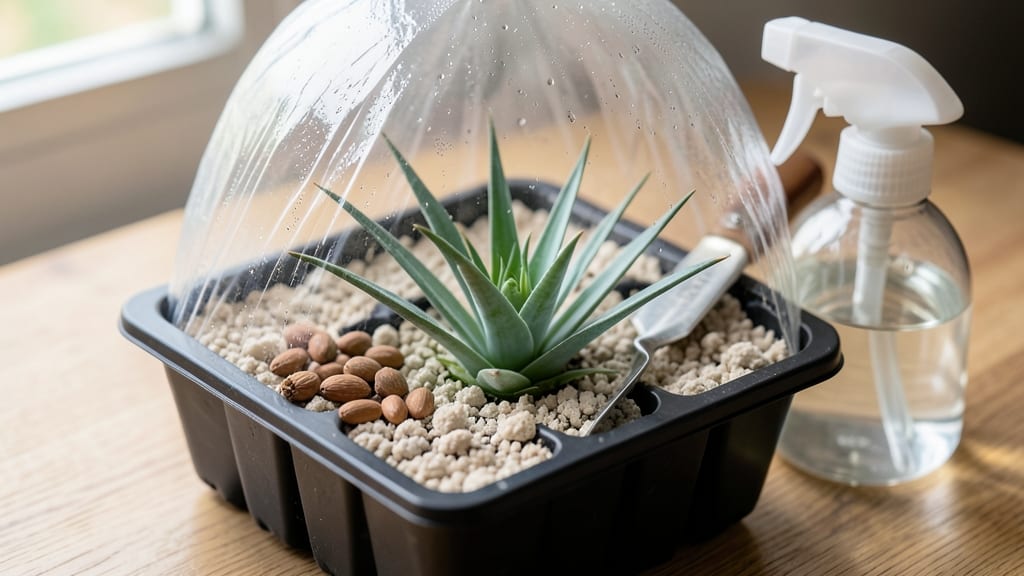
Yucca seed propagation needs cold stratification to break dormancy—no fancy equipment, just patience and a freezer. 🌱 I cracked the code after three failed attempts with damp paper towels, and now my germination rate hovers around 80% when done right. The key is mimicking winter's natural chilling period without letting the seeds dry out or rot. You'll only need a sealed plastic bag, a handful of damp (not soggy) paper towels, and a freezer. Planting depth? Just press them into the soil—yucca seeds don’t need light to germinate, but they do need consistent 50-60°F temps during their 60-day cold treatment. Most gardeners overwater here, but yucca seeds hate moisture stress. Once stratified, move them to bright, indirect light and watch for sprouts in 2-4 weeks. The first true leaves will be grass-like, but don’t rush transplanting—wait until they’re 3-4 inches tall and have at least two sets of leaves. Slow growers? Check for mold (a sign of over-moisture) and adjust your humidity. This method beats division or offsets for rare varieties, and it’s the only way to grow yucca from seed without losing moisture. Stick with it—those first sprouts are worth every week of waiting.
📚 In This Guide
- What you need
- Instructions
- Tips and common mistakes
- Wrapping up and next steps
What you need
- ● Yucca seeds: Fresh, cold-stratified seeds (or raw seeds if you’re doing the stratification yourself—see our guide!). Aim for at least 10–20 seeds for better success rates.
- ● Seed-starting mix: A well-draining blend like cactus/succulent soil (e.g., 50% potting soil + 50% perlite/pumice). Avoid heavy garden soil!
- ● Small pots or trays: 2–3 inch diameter pots (or a seed tray with drainage holes) for each seed. Plastic or biodegradable options work best.
- ● Grow lights or sunny window: A south-facing window or LED grow light (12–16 hrs/day) to provide bright, indirect light.
- ● Spray bottle: For gentle watering—avoid soaking the soil!
- ○ Plastic wrap or humidity dome: To retain moisture during germination (optional but helpful in dry climates).
- ● Fine-mesh screen or paper towels: For cold stratification (if prepping seeds at home—see our stratification guide!).
- ● Thermometer: To monitor soil temps (60–70°F is ideal for germination).
- ● Heating mat: Keeps soil warm (70–75°F) to speed up germination (especially useful in cool climates).
- ● Fungicide: A light dose of cinnamon powder or hydrogen peroxide (3%) to prevent mold if humidity is high.
- ● Labels & markers: To track planting dates and seed varieties (trust us, it’s easy to forget!).
- ● Fertilizer (low-dose): A balanced, water-soluble fertilizer (5-5-5 or 10-10-10) only after sprouts emerge (dilute to half-strength!).
- ○ Heat gun or hairdryer: For sterilizing pots/trays if reusing them (optional but reduces contamination risk).
Step-by-Step instructions for cold-stratifying yucca seeds
Cold-stratification breaks dormancy naturally—here’s how to do it right for maximum germination.
🌱 Step 1: Collect and Prepare Fresh Seeds
Harvest yucca seeds as soon as they ripen—waiting too long reduces viability. Remove them from the dried seed pod and let them air-dry for 24-48 hours at room temperature. This prevents mold while keeping them moist enough to stratify properly. Store them in a paper envelope (not plastic) to allow airflow.
I always label the envelope with the collection date—yucca seeds lose viability faster than you’d expect. If you’re working with older seeds, soak them in lukewarm water for 12 hours before stratifying to rehydrate the outer coating. This step is critical if seeds feel dry or shriveled.
❄️ Step 2: Cold-Stratify for 60 Days
Place the dried seeds in a sealed plastic bag with a moistened paper towel (not dripping wet). The towel should feel damp like a wrung-out sponge—too much moisture causes rot. Seal the bag loosely (leave a tiny gap) to prevent condensation buildup, which can smother seeds.
Store the bag in your refrigerator’s crisper drawer (around 35-40°F) for 60 days. Check the towel every 10 days—if it dries out, mist it lightly and reseal. Avoid freezing temperatures; yucca seeds won’t survive below 32°F. This cold period mimics winter conditions, tricking seeds into thinking spring has arrived.
🌱 Step 3: Plant Stratified Seeds in Warmth
After 60 days, remove the seeds and plant them ¼ inch deep in a well-draining cactus/succulent mix (never regular potting soil—yucca hates soggy roots). Use small pots (2-3 inches wide) to prevent overwatering. Place the pots in a warm, bright spot (around 70-75°F)—a sunny windowsill or under grow lights works best.
Water sparingly—only when the top inch of soil feels completely dry. Overwatering at this stage is the #1 killer of yucca seedlings. You’ll see tiny green sprouts in 2-4 weeks, but don’t rush germination. Patience here means stronger, healthier plants later.
☀️ Step 4: Transition to Sunlight Gradually
Once seedlings have 2-3 true leaves (not just the first cotyledons), move them to indirect sunlight for a week to harden off. Direct sun now will scorch their delicate leaves. After seven days, gradually increase sunlight exposure—start with 2 hours of morning sun, then add more over 10 days until they’re in full sun.
Yucca seedlings thrive in full sun (6+ hours daily), but they’ll need time to adjust. Watch for leaves turning pale or crispy—this is your cue to reduce sun exposure slightly. By 8-12 weeks, they’ll be ready for their permanent home in the garden or a larger pot.
Tips & tricks for perfect yucca seed germination
These little-known tricks will help you maximize your yucca seed germination rates while keeping everything just right.
Timing is Everything: For Step 1, don't rush the 24-48 hour air-drying period—this is non-negotiable for preventing mold. Place seeds on a wire rack over a paper towel in a well-ventilated area. If you're in a humid climate, extend the drying time to 48 hours. I've learned this the hard way after losing seeds to fuzzy green mold growth.
Moisture Control Secret: During the 60-day cold stratification in Step 2, the moistened paper towel should stay damp like a wrung-out sponge—not dripping wet. Use a spray bottle to mist every 10 days instead of soaking. Too much moisture creates anaerobic conditions that kill seeds, while too little prevents proper hydration. I keep a small notebook by my fridge to track moisture checks.
Temperature Watch: The refrigerator's crisper drawer maintains that perfect 35-40°F range needed for stratification. If your fridge runs cooler (below 32°F), move the bag to a different shelf or use a thermometer to monitor. Yucca seeds are delicate—freezing temperatures will halt germination completely. This is why I always check my fridge's temperature zones before starting.
Planting Precision: In Step 3, use a toothpick to make those ¼-inch planting holes—it gives you perfect depth control. For multiple seeds, space them 1-2 inches apart in the small pots. I've found that planting too close together leads to competition for nutrients, resulting in weaker seedlings. The well-draining cactus mix is crucial—regular potting soil will cause rot within days.
Pro Tips for Yucca Seed Propagation
- These little-known tricks will help you maximize your yucca seed germination rates while keeping everything just right.
- Timing is Everything: For Step 1, don't rush the 24-48 hour air-drying period—this is non-negotiable for preventing m...
- Moisture Control Secret: During the 60-day cold stratification in Step 2, the moistened paper towel should stay damp ...
Frequently asked questions
Got questions about yucca seed propagation?
You’re not alone! Here are some of the most common concerns—and their straightforward answers—to help you succeed with cold-stratified yucca seeds.
How long does cold stratification take for yucca seeds?
Cold stratification for yucca seeds typically takes 60–90 days in a refrigerator (34–40°F). The key is consistency—keep them dry in a sealed container with a moisture-absorbing medium (like vermiculite) to prevent mold. Patience pays off!
Can I skip cold stratification and still germinate yucca seeds?
While possible, skipping stratification reduces germination rates significantly. Yucca seeds are adapted to harsh desert conditions, so the cold period mimics winter dormancy. If you’re impatient, try a short 30-day stratification first, but expect lower success.
What’s the best soil mix for yucca seed germination?
Use a fast-draining, sterile mix like:
- 50% cactus/succulent soil
- 30% perlite or pumice
- 20% sand
Why aren’t my yucca seeds germinating after stratification?
Check these troubleshooting tips:
- Temperature: Seeds need warmth (70–80°F) after stratification to sprout.
- Light: Place trays under grow lights (not direct sun)—tiny seedlings burn easily.
- Patience: Germination can take 3–6 months; don’t give up!
Can I propagate yucca from seeds or offsets instead?
Both work! Seeds = genetic diversity but slower growth. Offets (pups) = faster, identical plants. For seeds, cold stratification is critical; for offsets, simply snip and pot when they’re 1/3 the size of the parent. Offsets root in 2–4 weeks!
Wrapping up and next steps
Mastering yucca seed propagation with cold stratification is a rewarding journey—one that unlocks the potential to grow these striking plants from scratch! 🌱 By following the steps outlined, you’ve learned how to bypass moisture loss while ensuring high viability in just 60 days.
The key? Patience, precision, and a little help from Mother Nature’s chilly touch.
Now that you’re equipped with the know-how, why not take the next step? Try experimenting with different stratification durations or even hybridizing seeds for unique varieties. Happy growing—your future yucca garden awaits! 🌿✨