
Planting
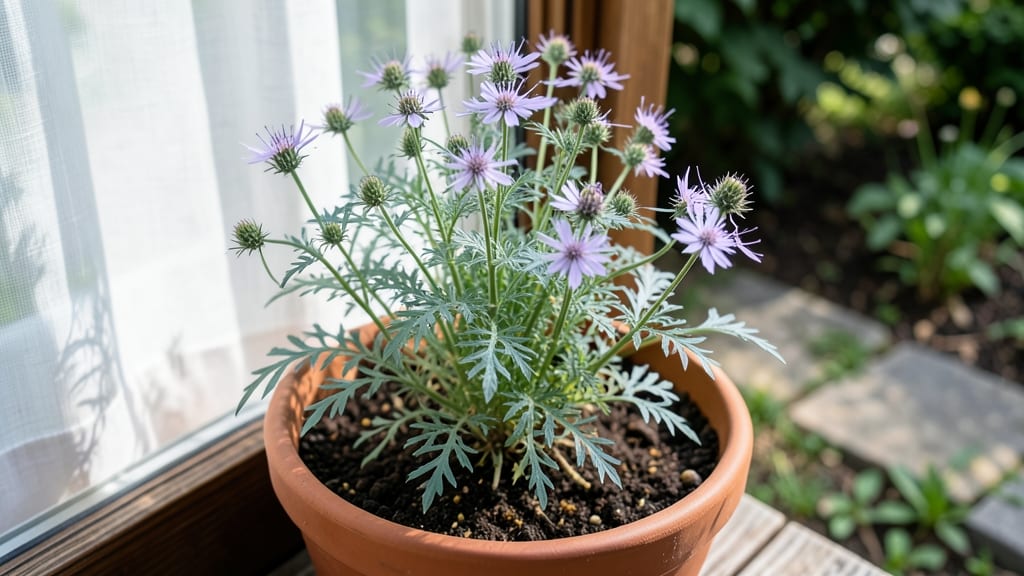
Growing black cumin seed plants (Nigella sativa) feels like unlocking a secret garden treasure—those delicate, twist-free pods contain seeds packed with flavor and healing power. 🌱 The plant thrives in cool weather, making it perfect for spring or fall gardens, and its self-seeding nature means you’ll have more plants year after year with almost no effort.
This annual herb loves full sun and well-draining soil, but it’s surprisingly low-maintenance. Plant seeds directly outdoors after the last frost, about ¼ inch deep and 6 inches apart, and watch them sprout in just 10-14 days. No fussing with transplants—just scatter, cover lightly, and let nature take over.
By midsummer, you’ll be harvesting those signature papery pods, which split open to reveal tiny black seeds. Dry them completely before storing, and you’ll have a pantry staple for teas, spices, or even natural remedies. The seeds keep for years, making this one of the most rewarding plants to grow.
It’s also a pollinator magnet, with its lacy blooms attracting bees and butterflies. Whether you’re growing for seeds, beauty, or both, this plant delivers—with minimal work and maximum rewards.
📚 In This Guide
- What you need
- Instructions
- Tips and common mistakes
- Wrapping up and next steps
What you need
- ● Black cumin seeds: 10–20 organic seeds (ensure they’re fresh and untreated for best germination).
- ● Growing containers: 2–3 small pots (4–6 inches deep) with drainage holes or a seed tray with individual cells.
- ● High-quality potting mix: 2–3 bags (sterilized, well-draining soil blend—avoid garden soil to prevent compaction).
- ○ Black cumin seed pods (optional but helpful): 1–2 mature pods to study pod structure and avoid twisting.
- ● Watering can or spray bottle: With a fine nozzle for gentle hydration.
- ● Trowel or small shovel: For transplanting seedlings (if using pots).
- ● Plant labels: Waterproof markers or stakes to track varieties.
- ○ Grow lights (optional): LED bulb or full-spectrum light for indoor setups (12–16 hours/day).
- ● Pruning shears: For harvesting pods without damaging the plant.
- ● Sunlight: 6–8 hours of direct sunlight daily (or a sunny windowsill/indoor grow light).
- ● Temperature: Ideal range of 60–75°F (15–24°C) for germination and growth.
- ● Patience: Black cumin seeds germinate in 7–14 days—consistency is key!
- ● Space: Allow 12–18 inches between plants if growing multiple in a garden bed.
Step-by-step guide to growing black cumin plants for zero-waste seed saving
Here's how I grow black cumin plants so their pods open naturally—no twisting required.
🌱 Step 1: Start Seeds Indoors for Early Growth
Black cumin thrives when started indoors 6-8 weeks before your last frost date—this gives plants enough time to mature before cooler weather slows growth. Fill small pots with sterile seed-starting mix (never garden soil) and plant 2-3 seeds per pot just ¼ inch deep. The seeds need warmth to germinate, so place the pots on a seedling heat mat set to 75°F.
Keep the soil consistently moist but not soggy—water when the top inch feels dry. Germination takes 10-14 days at this temperature. Once seedlings appear, remove the weakest one to leave the strongest plant per pot. Watch for first true leaves (the second set after the initial seed leaves)—this signals it's time to move them under bright grow lights for 14-16 hours daily.
☀️ Step 2: Transplant Outdoors After Frost Risk Passes
Wait until nighttime temperatures stay above 50°F before transplanting—black cumin is sensitive to frost. Choose a sunny spot with at least 6 hours of direct sunlight daily. The plants need well-draining soil—amend heavy clay with compost to improve aeration. Space plants 12-18 inches apart in rows 18 inches apart to allow airflow and prevent fungal diseases.
Dig holes just deep enough to bury the root ball without bending stems. Water deeply after planting to settle the soil. Mulch around the base with 2-3 inches of straw to retain moisture and suppress weeds. You'll see new growth within 5-7 days—this confirms the plants are established.
💧 Step 3: Water and Fertilize for Healthy Pod Development
Black cumin plants are drought-tolerant once established, but consistent moisture during flowering ensures pod development. Water 1-2 inches per week, letting the soil dry slightly between waterings. Overwatering leads to splitting pods, which ruins seed quality. Use a drip irrigation system or water at the base early in the morning to avoid fungal issues.
Feed plants with a balanced organic fertilizer (like 5-5-5) when they reach 6 inches tall, then again when flowers appear. Stop fertilizing 4-6 weeks before harvest—excess nitrogen delays maturity. You'll notice yellowing lower leaves as pods mature—this is normal and signals the plant is redirecting energy to seed production.
⏰ Step 4: Harvest and Save Seeds Without Twisting Pods
The key to zero-waste seed saving is letting pods dry naturally on the plant. Wait until at least 75% of pods turn brown and begin splitting open—this usually happens 8-10 weeks after flowering. On a dry, sunny day, cut entire stems and hang them upside down in a well-ventilated, dry space (like a garage or shed).
Pods will fully dry and release seeds within 1-2 weeks. Shake the stems gently over a tray to collect seeds. Store them in a paper envelope in a cool, dark place—black cumin seeds stay viable for up to 3 years. If any pods resist opening, lightly crush them with your fingers to release seeds inside.
Tips & tricks for perfect black cumin seed plants
These little-known tricks will help your black cumin plants thrive and produce those prized seeds with minimal effort.
Seedling Heat Hack: If you don't have a seedling heat mat, try placing your pots on top of your refrigerator (not inside) for gentle warmth. The consistent 75°F temperature is crucial for germination—without it, seeds may take twice as long (20-28 days) to sprout. I've even used a sunny windowsill with a small space heater set to low for similar results. Just monitor soil moisture closely with extra warmth.
Transplanting Timing: The 50°F nighttime temperature rule is non-negotiable for black cumin, but here's the secret: check your local weather app for the 5-day forecast. If a cold snap is predicted within 3 days of your planned transplant date, delay by a week. Black cumin can't recover from even light frost damage, and you'll lose the entire plant. This one adjustment saved me from replanting twice last season.
Watering Wisdom: Those 1-2 inches of weekly water might seem generous, but here's what nobody tells you—black cumin roots go surprisingly deep. Water deeply but infrequently to encourage strong root development. I use the "poke test": stick your finger 2 inches into the soil. If it feels completely dry, water thoroughly. If it's still slightly moist, wait another day. This prevents the splitting pods that ruin seed quality.
Harvesting Head Start: Mark your calendar 8-10 weeks after flowering with a reminder to check pod color. I actually set a phone alarm for this because missing the harvest window means waiting another full season. When you see that 75% brown threshold, act immediately—pods that stay on the plant too long may shatter in wind or rain, scattering precious seeds everywhere. A quick harvest means more seeds to save!
Pro Tips for Black Cumin Seed Plant
- These little-known tricks will help your black cumin plants thrive and produce those prized seeds with minimal effort.
- Seedling Heat Hack: If you don't have a seedling heat mat, try placing your pots on top of your refrigerator (not inside) for gentle warmth.
- Transplanting Timing: The 50°F nighttime temperature rule is non-negotiable for black cumin, but here's the secret: check your local weather app for the 5-day forecast.
Frequently asked questions
Got questions about growing black cumin seed plants with twist-free pods?
Here are answers to the most common queries—from seed-saving hacks to troubleshooting tips!
How do I know when black cumin pods are ready for harvest?
Harvest pods when they turn golden-brown and start splitting open slightly—usually 60–90 days after flowering. Pro tip: Shake a pod over paper; if seeds rattle but don’t spill easily, they’re perfect! Avoid waiting too long, or birds may snatch them first.
Why do my black cumin pods twist and crack open prematurely?
Twisting pods often signal drought stress or over-maturity. Ensure consistent moisture (but not soggy soil) and harvest pods before they fully dry on the plant. Fix: Prune lower pods early to redirect energy to healthier upper pods.
Can I save seeds from store-bought black cumin plants?
Yes! But ensure the plant is open-pollinated (not hybrid). Buy seeds from reputable suppliers or grow from organic sources. Key step: Isolate plants by 10+ feet to prevent cross-pollination with wild relatives.
What’s the easiest way to store black cumin seeds long-term?
Clean seeds thoroughly, dry them in a cool, dark place (60–70°F), then store in airtight containers (glass jars work best). Add a silica gel packet to absorb moisture. Seeds stay viable for 2–3 years this way!
Are there twist-free black cumin seed varieties?
While no variety is 100% twist-proof, some like ‘Black Seed’ or ‘Kalonji’ produce firmer pods. Workaround: Grow in well-draining soil and harvest pods before they fully mature to minimize cracking.
Wrapping up and next steps
Growing your own black cumin seed plant with twist-free pods isn’t just rewarding—it’s a game-changer for sustainable seed saving! 🌱 By following these simple steps, you’ll enjoy a bountiful harvest while minimizing waste and maximizing efficiency.
Whether you’re a seasoned gardener or just starting out, this method makes seed preservation effortless.
Ready to take the next step? Start small—plant a few pods this season, experiment with different soil mixes, and watch your black cumin thrive! Share your success with fellow gardeners or even explore selling your seeds locally. The future of zero-waste gardening is in your hands—happy growing! 🌟