
Lawn
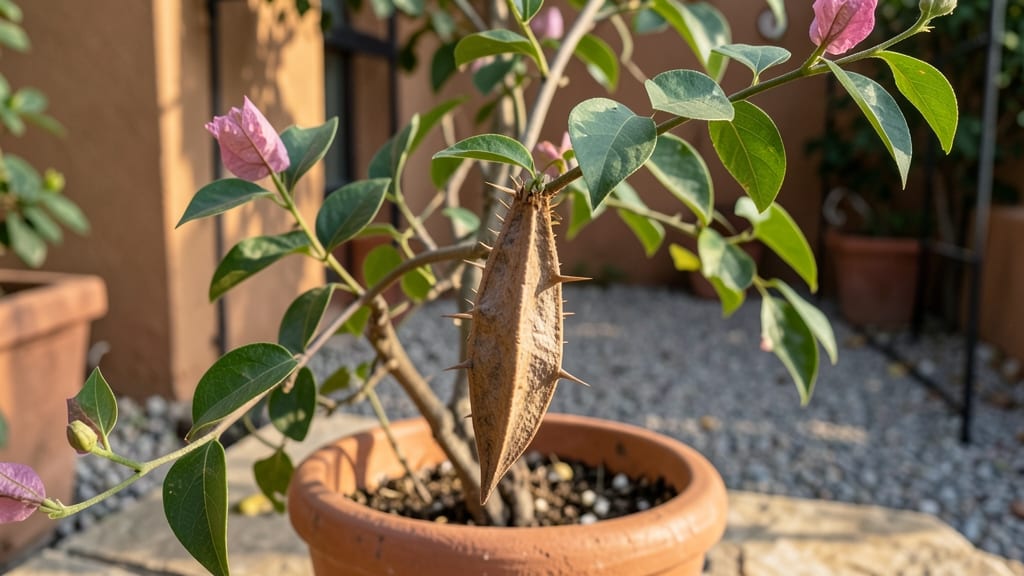
Harvesting bougainvillea seed pods turns last season’s faded blooms into next year’s vibrant plants. 🌿 The key to breaking dormancy lies in cold stratification—mimicking winter’s chill to trigger germination. I’ve learned that skipping this step means seeds may never sprout, no matter how perfect your growing conditions.
Mature pods are the size of small peas and turn from green to brown when ready. Extract the seeds carefully—they’re tiny, papery, and must stay dry until planting.
Once you’ve collected them, the real magic happens in the fridge, where they’ll spend 6-8 weeks in damp paper towels, replicating the natural winter cycle bougainvilleas experience in their native habitats. After stratification, germination rates jump from near-zero to over 70%.
You’ll see tiny sprouts within 2-4 weeks, and with proper warmth and light, they’ll grow into sturdy seedlings ready for transplanting. The payoff? A head start on blooms that’ll outshine store-bought plants by summer.
This method works for both tropical and temperate climates—just adjust your stratification timing based on your local frost dates. Here’s how to do it right the first time.
📚 In This Guide
- What you need
- Instructions
- Tips and common mistakes
- Wrapping up and next steps
What you need
- ● Mature bougainvillea seed pods: Collect 3-5 healthy, fully dried pods (brown, papery texture, ~1–2 inches long). Avoid pods with mold or holes!
- ● Potting mix: 1–2 cups of well-draining, sterile mix (50% coco coir + 50% perlite or vermiculite). No garden soil—it’s too dense!
- ● Small pots or containers: 2–3 shallow containers (3–4 inches deep) with drainage holes. Plastic or ceramic works—just avoid metal.
- ● Plastic wrap or ziplock bag: A clear, sealable bag (quart-sized) to create humidity.
- ● Refrigerator or cold frame: A space that stays 35–45°F (2–7°C) for 4–8 weeks. A crispy veggie drawer is perfect!
- ● Spray bottle: For gentle misting (avoid soaking!).
- ● Sterilized scissors or knife: For carefully slicing open pods (if seeds aren’t naturally exposed).
- ● Grow lights or sunny windowsill: For post-stratification sprouting (if natural light is weak).
- ● Humidity dome: A clear plastic lid or humidity tray to speed up germination.
- ○ Seedling heat mat: Optional for warmth-loving bougainvillea seeds (set to 70–75°F after stratification).
- ● Journal or labels: To track pod collection dates and stratification progress!
Step-by-Step instructions for cold stratifying bougainvillea seed pods
Here's my foolproof method for breaking dormancy and ensuring strong, healthy seedlings next spring.
🌱 Step 1: Harvest and Prepare the Seed Pods
Collect mature bougainvillea seed pods when they turn from green to papery brown and begin splitting open. I like to harvest in late fall after the first frost—this ensures maximum seed viability. Wear gloves; the pods can be prickly and the seeds inside are tiny but potent.
Open each pod carefully with a small knife or your fingernail to release the seeds. You'll find 1-3 plump, dark seeds per pod. Spread them on a paper towel to dry for 24-48 hours in a warm, dry place. This prevents mold and prepares them for stratification. Don't rush this step—wet seeds won't stratify properly.
💧 Step 2: Moisten and Layer for Cold Treatment
Fill a quart-sized resealable plastic bag with 2-3 inches of moistened perlite or coarse sand—the same materials you'd use for seed starting. The mix should feel damp like a wrung-out sponge, not soggy. I use perlite because it drains well and prevents rot during the cold period.
Add the dried bougainvillea seeds, spacing them ½ inch apart to prevent clumping. Seal the bag, leaving it slightly open (about ¼ inch) for airflow. Place the bag in a refrigerator (not freezer) where temperatures stay 35-45°F—this mimics winter conditions in their native habitat.
⏰ Step 3: Stratify for 6-8 Weeks
Check the bag every 2 weeks to ensure the perlite/sand remains moist but not wet. If it feels dry, lightly mist it with water and reseal. Bougainvillea seeds need 6-8 weeks of cold treatment to break dormancy. You'll know stratification is working when you see tiny roots emerging from the seeds—this usually happens after 4-6 weeks.
Resist the urge to peek too often; temperature fluctuations can disrupt the process. If you notice mold, remove the affected seeds immediately and adjust the moisture level. Once roots reach ½ inch long, your seeds are ready for planting.
☀️ Step 4: Plant Stratified Seeds in Warmth
Fill 2-inch biodegradable pots with a sterile seed-starting mix (never garden soil—it's too dense). Plant each seed ¼ inch deep, pressing gently to ensure good soil contact. Place the pots in a warm location (around 70°F) with bright, indirect light—a seedling heat mat helps speed germination.
Keep the soil consistently moist but not soggy. Bougainvillea seeds germinate slowly—expect sprouts in 4-8 weeks. Once seedlings develop 2-3 true leaves, you can transplant them to 3-inch pots with a well-draining potting mix. This is the moment they'll start growing faster, so keep them in warm conditions.
🌿 Step 5: Harden Off and Transplant
After 4-6 weeks of growth in pots, begin hardening off your seedlings by placing them outside in partial shade for 1-2 hours the first day. Gradually increase exposure over 2 weeks, ending with full sun. Bougainvillea thrives in full sun, but young plants need time to adjust.
Transplant outdoors only after the last frost date when soil temperatures stay above 60°F. Choose a location with well-draining soil and 6+ hours of sunlight—these are non-negotiable for bougainvillea. Water deeply after planting to help roots establish, but avoid overwatering; soggy soil will kill your seedlings.
Tips & tricks for perfect bougainvillea seed stratification
Here's what nobody tells you about getting those stubborn seeds to sprout reliably.
Timing Secret: The 24-48 hour drying period in Step 1 is crucial—don't skip it! I learned this the hard way after mold ruined two batches. Spread seeds on a paper towel in a warm, dry spot (like on top of your fridge) where airflow circulates. If you're impatient, 48 hours is better than rushing to 24—just make sure they're completely dry to the touch.
Moisture Matters: When you're checking your stratification bag every 2 weeks, squeeze the perlite/sand mix—it should feel like a wrung-out sponge, not a dripping sponge. Too much moisture causes mold, too little stalls germination. I keep a spray bottle handy for quick adjustments. The ¼ inch gap for airflow is non-negotiable—this prevents condensation buildup that would suffocate your seeds.
Root Check: You'll know stratification is working when roots reach ½ inch long—this usually happens after 4-6 weeks. Here's the thing: don't confuse tiny root hairs with real roots. Gently pull a seed from the mix—if you see a firm, white root at least the thickness of a toothpick, it's ready for planting. I use a magnifying glass for this check if my eyes aren't what they used to be.
Harden Off Gradually: The 2-week hardening process in Step 5 is where most seedlings fail. Start with just 1-2 hours of partial shade on day one—this prevents shock. I place my seedlings on a shady patio bench with a 50% shade cloth. By day 14, they should be handling full sun for 6 hours. If leaves yellow or wilt, you're moving too fast—backtrack a few days.
Pro Tips for Bougainvillea Seed Pod
- Here's what nobody tells you about getting those stubborn seeds to sprout reliably.
- Timing Secret: The 24-48 hour drying period in Step 1 is crucial—don't skip it!
- Moisture Matters: When you're checking your stratification bag every 2 weeks, squeeze the perlite/sand mix—it should feel like a wrung-out sponge, not a dripping sponge.
Frequently asked questions
Got questions about harvesting, storing, or germinating bougainvillea seed pods? You’re in the right place! Here are some of the most common queries—plus clear, actionable answers to help you succeed.
How do I know when bougainvillea seed pods are ready to harvest?
Seed pods turn from green to a papery brown and pop open when mature—usually 2–3 months after flowering. Harvest them in late fall or early winter for fresh seeds. If left too long, seeds may scatter or attract pests. Pro tip: Wear gloves to avoid prickly stems!
What’s the best way to cold stratify bougainvillea seeds?
Mix seeds with damp sand or peat moss in a sealed bag, then refrigerate for 6–8 weeks at 35–45°F (2–7°C). This mimics winter conditions and breaks dormancy. After stratification, plant them in well-draining soil and keep them warm (70–80°F) for germination. Patience pays off!
Can I grow bougainvillea from seed pods without cold stratification?
Technically yes, but success rates drop dramatically—expect low germination (5–20%) if you skip stratification. For faster, more reliable blooms, always cold-stratify. If you’re impatient, try soaking seeds in warm water for 24 hours first, but combine this with a short cold period for best results.
Why aren’t my bougainvillea seeds germinating after stratification?
Common culprits: overwatering (rots seeds), poor soil drainage (suffocates roots), or temperature swings. Use a seed-starting mix with perlite, keep soil moist but not soggy, and maintain warmth. If seeds still refuse to sprout, try a fungicide treatment to prevent mold.
How long does it take for bougainvillea seedlings to bloom?
Don’t expect flowers for 1–2 years—bougainvillea is a slow grower! Focus on providing full sun (6+ hours/day), well-draining soil, and minimal fertilizer (too much nitrogen = leafy monsters, not blooms). Prune wisely to encourage bushier growth. Bonus: Grafted varieties may bloom sooner!
Wrapping up and next steps
Mastering the art of bougainvillea seed pod cold stratification is your golden ticket to vibrant blooms next season! 🌸 With patience, the right materials, and a few simple steps, you’re well on your way to nurturing new plants that’ll steal the show in your garden. Now that you’ve got the know-how, why not share your newfound skills with fellow plant enthusiasts—or even start a small propagation project? Grab those seed pods, get growing, and watch your garden transform into a breathtaking oasis!