
Lawn
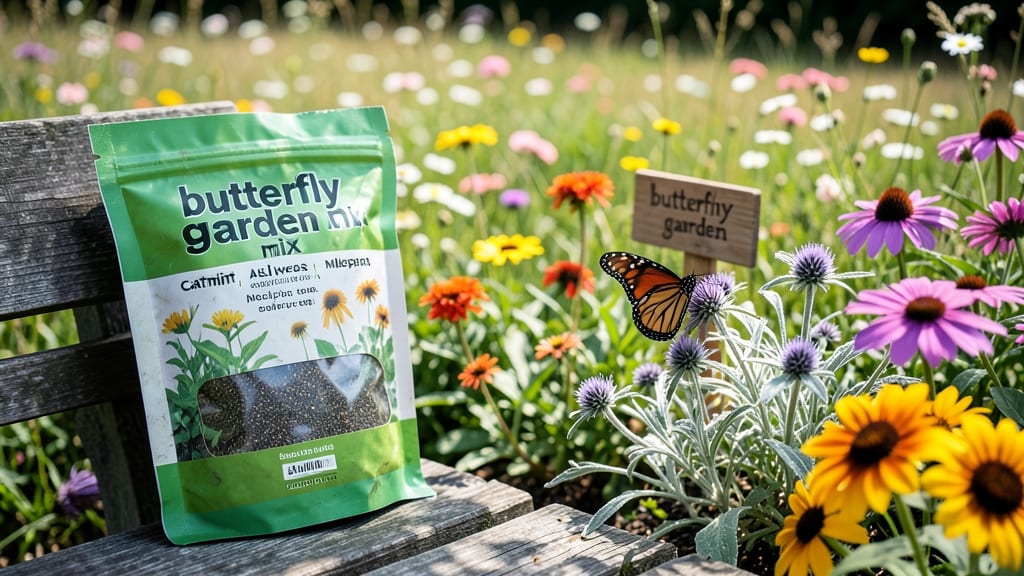
Creating a butterfly garden with a seed mix transforms your yard into a vibrant pollinator oasis—and you'll see winged visitors within 60 days. 🌸 I started one last spring after watching monarchs vanish from my neighborhood, and within weeks, the garden buzzed with life.
The secret lies in choosing the right native plants that butterflies rely on for food and shelter.
This isn’t just about pretty flowers—it’s a lifeline for declining butterfly populations. Native milkweed, coneflowers, and black-eyed Susans provide nectar and host plants for caterpillars, while layered plantings create safe habitats.
The best seed mixes include a balance of early bloomers (like violets) and late-season favorites (like asters) to feed butterflies all season long.
By mid-summer, you’ll have a garden teeming with orange monarchs, delicate fritillaries, and hummingbird moths—all while supporting biodiversity. The best part? These gardens require minimal maintenance once established, and the sight of butterflies dancing among your flowers makes every afternoon feel like a celebration.
Ready to get started? The key is sunlight, moisture, and patience—your first fluttering guests will arrive sooner than you think. Whether you have a small balcony or a sprawling backyard, this project scales beautifully to fit your space.
📚 In This Guide
- What you need
- Instructions
- Tips and common mistakes
- Wrapping up and next steps
What you need
- ● Butterfly Garden Seed Mix: 1 lb (or 2–4 oz per 10 sq. ft. of planting area). Look for native wildflowers like milkweed, coneflowers, and black-eyed Susans.
- ● Well-draining soil: A mix of topsoil and compost (ratio: 3 parts soil to 1 part compost).
- ● Watering can or hose: With a gentle spray nozzle for even moisture distribution.
- ● Garden gloves: A pair to protect your hands from thorns or rough soil.
- ● Garden rake: For leveling the soil and removing debris.
- ● Hand trowel or hoe: For planting seeds and breaking up soil clumps.
- ○ Mulch (optional): Straw or shredded leaves (1–2 inches) to retain moisture and suppress weeds.
- ○ Sunlight marker or stakes (optional): To track seedling growth in larger gardens.
- ● A sunny spot in your yard with at least 6 hours of direct sunlight daily.
- ● Access to a water source near your planting area.
- ● Patience! Seeds typically germinate in 7–30 days, depending on the mix.
Step-by-step instructions for creating a thriving butterfly garden
Here's how to transform your space into a buzzing pollinator paradise—complete with the right plants and care to keep butterflies visiting all season.
🌱 Step 1: Select the Right Location and Prepare the Soil
Choose a sunny spot that gets at least 6 hours of direct sunlight daily—butterflies need warmth to thrive. Clear any weeds or grass from a 4-foot by 4-foot area (or larger if you have space) to create a clean planting zone. I like to mark the boundaries with landscape fabric to suppress weeds long-term.
Loosen the soil to a depth of 6 inches using a garden fork or tiller. Butterflies prefer well-draining soil, so if your area feels compacted, mix in 2-3 inches of compost to improve aeration and nutrient availability. Avoid heavy clay soil—it can suffocate roots and slow plant growth.
🌿 Step 2: Choose and Plant Butterfly-Friendly Seeds
Select a diverse mix of native flowering plants to attract a variety of butterflies. Some top choices include milkweed (for monarchs), coneflowers, black-eyed Susans, and butterfly weed. Scatter seeds according to the packet instructions—most require ¼-inch deep planting—and space them 12-18 inches apart for optimal airflow.
Lightly cover seeds with soil and water gently to avoid displacing them. I use a fine mist setting on my hose to keep the soil moist without disturbing the seeds. Keep the area consistently damp until germination, which typically takes 7-14 days depending on the species and weather.
☀️ Step 3: Maintain Moisture and Encourage Growth
Water deeply 2-3 times per week once seedlings emerge, ensuring the top 2 inches of soil stay moist but not soggy. Overwatering can lead to fungal issues, while underwatering stresses young plants. You’ll know moisture is right when the soil feels damp to the touch but doesn’t feel heavy or clingy.
Apply a light layer of mulch (like straw or shredded leaves) around plants to retain moisture and suppress weeds. This step is crucial in the first 30 days as plants establish their root systems. Avoid thick mulch piles—just 1-2 inches is enough to protect soil without smothering growth.
✂️ Step 4: Support Pollinators with Ongoing Care
Once plants reach 6 inches tall, start deadheading spent blooms to encourage continuous flowering. This keeps your garden attractive to butterflies throughout the season. I also add a shallow birdbath or mud puddle nearby—butterflies need water sources too, and they’ll visit frequently if one is available.
Fertilize lightly every 4-6 weeks with a balanced, organic fertilizer to support vibrant blooms. Avoid heavy-handed feeding—too much nitrogen promotes leafy growth at the expense of flowers, which is what butterflies seek. Watch for signs of stress like yellowing leaves or wilting, and adjust care as needed.
🪴 Step 5: Expand and Protect Your Butterfly Haven
After 60 days, your garden should be buzzing with activity. To keep it thriving, add a few more plant varieties each season to extend the blooming period. Include both early spring flowers (like columbine) and late-season bloomers (like goldenrod) to provide nectar year-round.
Protect your garden from pesticides—even natural ones can harm butterflies. If pests become an issue, opt for manual removal or insecticidal soap targeted only at the problem pests. A healthy butterfly garden is a balanced ecosystem, and every plant and pollinator plays a role in keeping it vibrant.
Tips & tricks for perfect butterfly garden seed mix
Here's what nobody tells you about creating a thriving pollinator haven—these insider tips make all the difference in your 60-day transformation.
Location Is Everything: While the instructions highlight 6 hours of sunlight, I've found that south-facing spots with morning sun and afternoon shade work even better in hot climates. Butterflies are most active in the morning, so positioning your garden to catch those early rays maximizes their visits. Also, avoid areas with strong afternoon winds—delicate butterfly wings can get damaged.
Soil Preparation Secret: The 6-inch soil loosening is crucial, but don't stop there. I recommend adding a handful of sand to heavy clay soils to improve drainage—this prevents root suffocation that can kill young plants before they establish. For sandy soils, incorporate a bit of peat moss to help retain moisture during the critical first 30 days when roots are developing.
Plant Diversity Strategy: When selecting your mix of native plants, aim for a 50/50 split between early bloomers and late-season varieties. This ensures continuous nectar availability throughout the growing season. I like to include at least one host plant like milkweed (for monarchs) and one nectar plant like coneflowers in every planting. The ¼-inch planting depth is perfect, but for larger seeds like sunflower, you can plant them slightly deeper at ½-inch.
Watering Wisdom: The 2-3 times weekly watering guideline works well, but I've learned to adjust based on rainfall. After a heavy rain, skip watering for a day or two to let the soil dry slightly—this prevents fungal diseases that can kill seedlings. Use a rain gauge to track precipitation, and adjust your watering schedule accordingly. A drip irrigation system set on a timer can automate this perfectly while preventing overwatering.
Pro Tips for Butterfly Garden Seed Mix
- Here's what nobody tells you about creating a thriving pollinator haven—these insider tips make all the difference in your 60-day transformation.
- Location Is Everything: While the instructions highlight 6 hours of sunlight, I've found that south-facing spots with morning sun and afternoon shade work even better in hot climates.
- Soil Preparation Secret: The 6-inch soil loosening is crucial, but don't stop there.
Frequently asked questions
Got questions about creating your own butterfly garden?
You’re not alone! Here are answers to the most common queries to help you grow a thriving pollinator paradise with ease.
When is the best time to plant a butterfly garden seed mix?
For most regions, plant your seed mix in early spring (after the last frost) or early fall (6-8 weeks before the first frost). This gives flowers time to establish roots and bloom before extreme temperatures. Check your seed packet for region-specific timing—some varieties thrive in warmer climates year-round!
How long does it take to see butterflies in a new garden?
With the right mix, you’ll start seeing butterflies within 4-8 weeks once flowers bloom! Fast-blooming annuals (like cosmos or zinnias) attract them quickly, while perennials may take a full season. Pro tip: Add nectar-rich blooms in stages to extend the feeding window from spring to frost.
How often should I water a new butterfly garden?
Keep soil consistently moist (not soggy) for the first 2-3 weeks after planting. Once established, water deeply 2-3 times per week (more in extreme heat). Mulch around plants to retain moisture. Troubleshooting: Wilting leaves? Water in the early morning to prevent fungal issues.
Can I use a butterfly garden seed mix in containers or small spaces?
Many mixes work in containers, window boxes, or raised beds—just choose compact varieties like lantana, butterfly weed, or alyssum. Use well-draining soil and ensure pots are at least 6-8 inches deep. Bonus: Hang a few milkweed plants nearby for monarch butterflies!
What do I do if my seeds aren’t germinating?
Check these fixes:
- Light: Most seeds need sunlight (6+ hours/day) to sprout.
- Moisture: Keep soil damp but not waterlogged—use a spray bottle for fine seeds.
- Temperature: Ideal germination temps are 65–75°F; use a heat mat if needed.
- Patience: Some seeds (like milkweed) take 10–14 days—don’t replant too soon!
Wrapping up and next steps
Creating a butterfly garden seed mix is more than just a gardening project—it’s a gift to nature and a joy for you! 🌸 With the right seeds, sunlight, and care, you’ll transform your space into a buzzing, fluttering haven in just 60 days.
Whether you’re a beginner or a seasoned gardener, every seed planted today is a step toward a brighter, more vibrant tomorrow.
Ready to take the next step? Start small—pick a sunny spot, grab your seed mix, and let the magic unfold! Share your progress with fellow gardeners or even inspire a friend to join the movement.
Your garden isn’t just for you; it’s for the butterflies, bees, and future generations. Happy planting! 🌱