Lawn
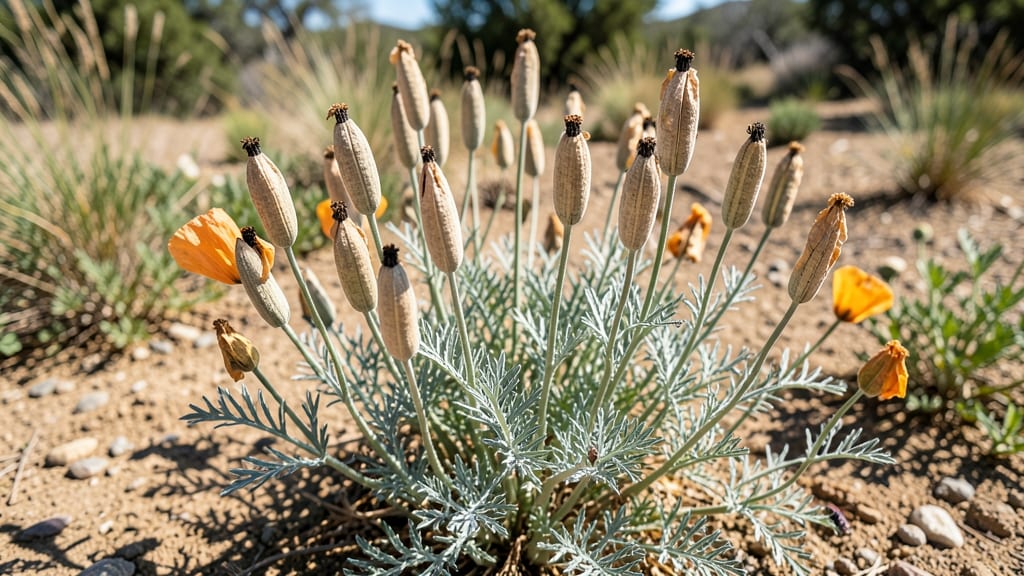
Twisting open California poppy seed pods reveals nature's clever way to harvest seeds without a single tool. 🌻 I've watched these golden pods split open at the slightest touch, releasing seeds that scatter like confetti—no fuss, no mess, just pure gardening magic.
The secret lies in timing: pods turn from green to dry and papery, signaling they're ready to share their bounty.
All you need is patience and a container lined with paper towels—no fancy equipment required. Once pods are dry, give them a gentle twist, and seeds rain down like tiny sunbeams.
Store them in an envelope or jar until planting season, when they'll germinate effortlessly in well-draining soil under full sun.
You'll end up with delicate orange blooms that dance in the breeze, popping up faster than you can say "California dreamin'." The plants thrive in sandy soil, need almost no water once established, and multiply like wildfire—though they're not invasive, just enthusiastic.
Perfect for drought-tolerant gardens, rockeries, or even container displays. Just avoid rich soil—they'll flop into leggy messes. Let them self-seed for years of effortless color, and you'll never buy poppy seeds again.
📚 In This Guide
- What you need
- Instructions
- Tips and common mistakes
- Wrapping up and next steps
What you need
- ● Mature California poppy plants (ensure seed pods are fully dry and brown, typically late summer to early fall).
- ● Pruning shears or sharp scissors (bypass pruners work best for clean cuts).
- ● Brown paper bags or breathable mesh bags (1–2 per plant, depending on pod density).
- ● Newspaper or cardboard (for drying seed pods indoors).
- ● Rubbing alcohol (70% or higher) and cotton swabs (for sterilizing tools).
- ● Gloves (to protect hands from prickly stems).
- ● Small hand fan or hairdryer (cool setting) (to speed up drying).
- ● Seed tray or shallow container (for organized drying).
- ● Fine-mesh sieve (to separate seeds from chaff post-harvest).
- ● Labeling tags (to track harvest dates or varieties).
- ● A sunny, dry location (California poppies thrive in full sun and well-draining soil).
- ● Patience—seed pods need weeks to fully mature and dry on the plant.
- ● Clear weather (harvest on a dry day to avoid mold or moisture issues).
How to harvest California poppy seeds using twist-release pods
This clever method lets nature do the work—just wait and twist. Here's how to collect seeds with minimal effort.
🌱 Step 1: Identify Mature Seed Pods
California poppy pods ripen when they turn from green to a dry, papery brown. Look for pods that feel crisp to the touch and open slightly when gently squeezed—this signals they're ready to release seeds. I check plants in late summer or early fall when pods are fully mature but haven't yet split open completely.
Harvest pods on a dry, sunny morning when humidity is low. This prevents moisture from causing premature seed release or mold growth. If pods open too early, seeds scatter before you can collect them. Wait until pods are fully dry and slightly wrinkled for the best results.
🪴 Step 2: Prepare Collection Containers
Place a clean, dry container—like a small cardboard box or paper bag—under each plant you're harvesting. I use white paper bags because they're lightweight and let me see when seeds accumulate. Line the bottom with a sheet of newspaper or parchment paper to make seed collection easier later.
If you're harvesting multiple plants, use separate containers for each to avoid mixing seed varieties. Label each container with the date and plant location. This helps track maturity and ensures you don't accidentally mix seeds from different plants.
☀️ Step 3: Twist and Collect Seeds
Gently grasp the base of a mature pod between your thumb and forefinger. With a quick, firm twist, the pod will release seeds into your container. I find it helps to twist in a circular motion rather than pulling straight up—this reduces the chance of breaking the stem and damaging the plant.
Work quickly but carefully to avoid dropping seeds. If a pod resists, let it dry another day in the sun—overly moist pods won't release seeds easily. Once seeds are in the container, give the pod one last gentle squeeze to ensure all seeds have fallen out.
⏰ Step 4: Store Seeds for Future Planting
After collecting seeds, spread them out on a clean, dry surface to air-dry for 24 hours. This prevents mold and ensures seeds remain viable for next season. I use a wire mesh screen or a piece of cardboard with small holes to allow airflow while keeping seeds contained.
Once fully dry, transfer seeds to a labeled paper envelope or small glass jar. Store in a cool, dark place like a pantry or seed drawer. California poppy seeds can remain viable for 2-3 years if kept dry and protected from pests. Label each container with the collection date and variety for easy identification.
🌿 Step 5: Clean Up and Prepare for Next Season
After harvesting, trim any remaining empty pods from the plant to encourage new growth or prevent self-seeding where you don't want it. I use clean, sharp pruners to make clean cuts just above a leaf node. This keeps the plant looking tidy and promotes healthier regrowth.
Add the trimmed pods and any remaining plant debris to your compost pile. The nutrients will return to the soil, benefiting future plantings. If you plan to grow poppies again next year, mark the location in your garden journal so you can enjoy their bright blooms season after season.
Tips & tricks for perfect California poppy seed harvesting
These clever techniques will help you maximize your yield while keeping the process effortless and plant-friendly.
Timing Secret: The 24-hour drying period in Step 4 is your best friend for seed longevity. Spread seeds on a mesh screen in a well-ventilated area away from direct sunlight—this prevents overheating while maintaining airflow. I've found that placing the screen near an open window with morning sun and afternoon shade works beautifully. This balance keeps seeds dry without risking heat damage that could compromise viability.
Pod Selection Technique: In Step 1, don't just rely on color—listen to the pods too! A mature, ready-to-release pod makes a faint papery rustling sound when gently shaken. This acoustic test, combined with the visual cues of dryness and slight openness, gives you a foolproof way to identify the perfect pods. I've saved countless seeds by catching pods at this exact stage before they self-release.
Container Strategy: For Step 2, consider using lightweight aluminum pie pans instead of paper bags. They're reusable, stackable, and the reflective surface helps keep seeds cool during hot harvesting days. If you do use paper bags, opt for brown kraft paper—they're more durable than white and won't show dirt as easily. This small upgrade makes cleanup and storage significantly easier, especially when dealing with multiple plants.
Pro Tips for California Poppy Seed Pods
- These clever techniques will help you maximize your yield while keeping the process effortless and plant-friendly.
- Timing Secret: The 24-hour drying period in Step 4 is your best friend for seed longevity. Spread seeds on a mesh scr...
- Pod Selection Technique: In Step 1, don't just rely on color—listen to the pods too! A mature, ready-to-release pod m...
Frequently asked questions
When is the best time to collect California poppy seed pods?
The ideal time to harvest is when the seed pods turn light brown and begin to split open naturally—usually late summer to early fall (August–October in most regions). Wait until they’re dry but still intact to avoid losing seeds to birds or wind. Pro tip: Harvest on a dry, sunny morning for easier handling!
How long does it take for the pods to release seeds on their own?
Once pods are fully mature, they’ll release seeds within 1–3 days when placed in a dry, breathable container (like a mesh bag or paper sack). If they’re still sealed after a week, they may need a little extra drying time. Troubleshooting: Place them in a warm, sunny spot to speed up the process!
Can I reuse or repurpose the empty pods after harvesting?
Empty pods make great natural decorations (dried flower arrangements, wreaths, or potpourri). You can also crush them for organic mulch or compost. Just avoid burning them—they can be flammable when dry. Eco-friendly hack: Use them to fill gift bags or as seed starters for next year’s garden!
How do I keep birds from eating the seeds before I can collect them?
Birds love poppy seeds! To deter them, harvest pods early in the morning or use a fine mesh bag (¼-inch holes) to store them. You can also place containers in a shady spot temporarily—birds prefer open, sunny areas. Quick fix: A simple bird netting over the collection area works wonders!
Are there alternatives to California poppies for seed harvesting?
Yes! Other low-maintenance options include bluebonnets, cosmos, or sunflowers. Like poppies, they release seeds naturally when dry. For a hands-off approach, try self-seeding annuals like lupine or fennel. Each has slightly different timing—check local bloom cycles for best results!
Wrapping up and next steps
California poppy seed pods offer a hands-off, eco-friendly way to harvest seeds while adding beauty to your garden. Their twist-release mechanism makes collection effortless, and their drought-resistant nature ensures low-maintenance growth. Whether you're a gardener or a nature enthusiast, these pods bring both functionality and charm to your outdoor space.
Ready to try it? Start by planting a few seeds this season and enjoy the relaxing process of twist-release harvesting—nature’s way of simplifying your gardening journey! 🌸