
Propagation
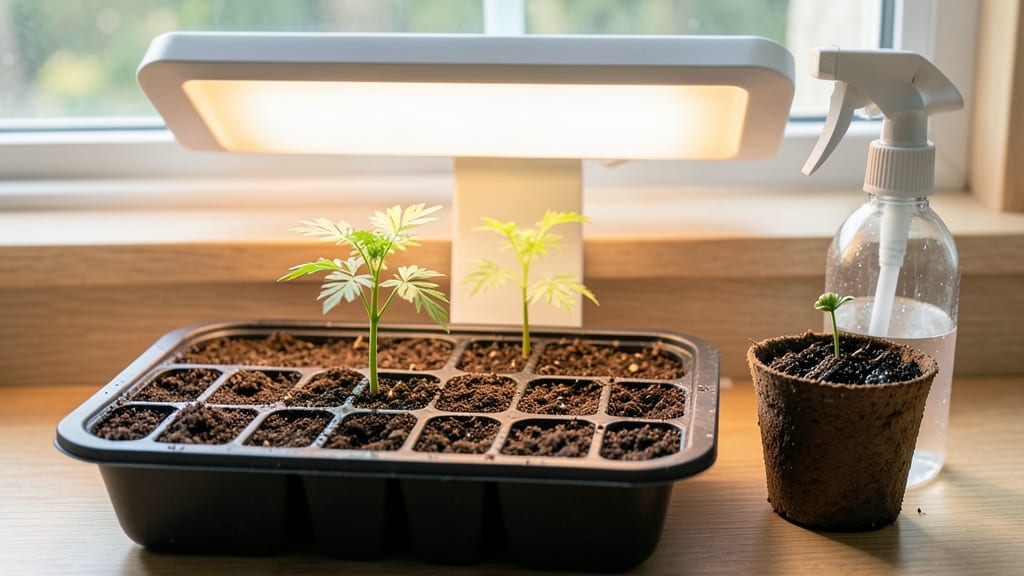
Starting cosmos seeds is easier than you think—fast germination happens with just the right warmth and moisture. 🌱 I’ve grown cosmos from seed for years, and the secret isn’t fancy equipment but knowing when to plant and how to keep those tiny seeds cozy.
These delicate blooms reward patience with towering stems and cheerful faces that attract pollinators all summer long.
For beginners, the process is straightforward: sow seeds ¼-inch deep in well-draining soil, keep it consistently moist, and maintain temperatures between 65-75°F. You can start them indoors 4-6 weeks before your last frost or directly outdoors after soil warms in spring.
The key difference? Indoor starts need gentle light to prevent leggy seedlings, while outdoor seeds benefit from natural sunlight once they sprout.
Within 7-14 days, you’ll see those first green shoots push through the soil—no waiting months like with some flowers. Once seedlings have 2-3 true leaves, they’re ready to transplant outdoors, where they’ll thrive in full sun and well-drained soil.
The best part? Cosmos are drought-tolerant once established, so they’re perfect for low-maintenance gardeners.
Common pitfalls like damping-off (a fuzzy mold) or slow germination can be avoided with proper spacing and airflow. If you’re starting seeds now, here’s the foolproof method to get your cosmos blooming bright and early—no green thumb required.
📚 In This Guide
- What you need
- Instructions
- Tips and common mistakes
- Wrapping up and next steps
What you need
- ● Cosmos seeds: 10–20 seeds (depending on desired plant count; opt for heirloom or non-GMO varieties for best results).
- ● Seed-starting trays or pots: 2–4" deep, with drainage holes (biodegradable peat pots work great for transplanting!).
- ● Seed-starting mix: 1–2 bags of high-quality, sterile potting soil (avoid garden soil—it’s too dense!).
- ● Watering can or spray bottle: With a fine mist nozzle for gentle hydration.
- ● Grow lights or sunny windowsill: A 12–16 hour daily light source (grow lights are ideal for consistent growth).
- ● Plastic wrap or humidity dome: To retain moisture and warmth during germination.
- ● Plant labels: To track varieties and planting dates.
- ○ Heat mat (optional): For faster germination (70–75°F is perfect for cosmos).
- ● Fertilizer (low-dose): A balanced, water-soluble fertilizer (5-5-5 or 10-10-10) for post-germination growth.
- ● Tweezers: For delicate seed placement in small pots.
- ● Fan (small oscillating): To encourage strong stems by simulating airflow.
Step-by-step instructions for starting cosmos seeds indoors
Here’s how I get cosmos seeds sprouting in just 5-7 days—no waiting months for outdoor planting.
🌱 Step 1: Prep Seeds and Containers for Optimal Germination
Cosmos seeds have a hard outer shell, so I soak them overnight in lukewarm water to soften it. Place them in a small bowl, cover with water, and let them sit until the water looks cloudy—usually 8-12 hours. This trick speeds up germination by breaking dormancy.
While the seeds soak, fill 4-inch pots with sterile seed-starting mix (never garden soil—it’s too dense). Press the mix down lightly so it’s firm but not compacted. Cosmos roots need air, so avoid heavy, clay-based soils. I like to add a thin layer of perlite to the bottom of each pot for extra drainage.
💧 Step 2: Plant Seeds at the Right Depth and Moisture Level
After soaking, drain the seeds and plant two per pot at a depth of ¼ inch—just enough to cover them lightly. Planting too deep slows germination because the seedling struggles to reach light. I use my finger to make a small hole, drop in the seeds, and cover with a sprinkle of soil.
Water gently until the soil looks evenly moist but not soggy. Overwatering now causes seeds to rot before they sprout. I use a spray bottle to mist the surface rather than pouring from above. Place the pots in a warm spot (70-75°F)—a seedling heat mat works wonders if your home runs cooler.
☀️ Step 3: Provide Warmth and Light for Fast Sprouting
Cover the pots with clear plastic wrap or a humidity dome to trap warmth and moisture. Cosmos seeds germinate fastest in consistent warmth (70-75°F). Check daily for condensation on the plastic—if it’s dry, mist the soil lightly. You’ll see tiny sprouts in 5-7 days, but some may take up to 10 days if your home is cooler.
Once the first true leaves appear (not the initial seed leaves), remove the plastic immediately. Too much humidity now invites damping-off, a fungal disease that collapses seedlings overnight. Move the pots under a grow light or to a south-facing window for 12-14 hours of light daily. Leggy seedlings mean your light is too far away—keep it 2-3 inches above the plants.
🌿 Step 4: Thin and Harden Off for Outdoor Success
When seedlings reach 2 inches tall, thin to the strongest one per pot by snipping the weaker stem at the base. This prevents competition for nutrients. Cosmos don’t transplant well, so I use biodegradable pots to avoid disturbing roots later. Water deeply but let the top inch of soil dry between waterings—overwatering now causes root rot.
Two weeks before your last frost date, start hardening off by placing pots outside in partial shade for 1-2 hours the first day. Gradually increase exposure over 7-10 days until they’re out all day. You’ll know they’re ready when they look vibrant and perky, not wilted. Transplant in the evening to reduce stress, and water thoroughly at the base.
Tips & tricks for fast cosmos seed germination
Here’s what I’ve learned after years of impatiently waiting for seeds to sprout—these little tricks cut the time in half.
Soaking Secret: That 8-12 hour soak isn't just about softening the shell—it's about breaking dormancy. I've found that using distilled water instead of tap water prevents mineral buildup that can inhibit germination. After soaking, drain seeds thoroughly before planting; any leftover water in the bowl creates a breeding ground for mold.
Temperature Matters: The 70-75°F range is non-negotiable for cosmos seeds. If your home runs cooler, invest in a seedling heat mat—it's the difference between 5-day sprouts and 3-week disappointments. I place mine on top of a heating pad set to low, which maintains perfect warmth without risking overheating. Pro tip: Check the bottom of pots daily—they should feel warm but not hot to the touch.
Light Strategy: Those 12-14 hours of light aren't just about photosynthesis—they're about preventing leggy seedlings. I use a simple LED grow light on a timer, positioned just 2-3 inches above the plants. The key is consistency: if you move the light further away, seedlings stretch toward it like teenagers reaching for the cookie jar. Watch for that first set of true leaves (they'll look different from the initial seed leaves) before making any adjustments.
Harden Off Gradually: That 7-10 day hardening off period is crucial but often rushed. Start with just 1-2 hours in partial shade on day one, then increase by 30 minutes each subsequent day. I've seen seedlings collapse overnight when moved too quickly—it's like throwing a newborn into the deep end. The goal is to let them acclimate to outdoor conditions without shock. By day 7, they should be handling full sun for several hours without wilting.
Pro Tips for Cosmos Seed Starting
- Here’s what I’ve learned after years of impatiently waiting for seeds to sprout—these little tricks cut the time in h...
- Soaking Secret: That 8-12 hour soak isn't just about softening the shell—it's about breaking dormancy. I've found tha...
- Temperature Matters: The 70-75°F range is non-negotiable for cosmos seeds. If your home runs cooler, invest in a seed...
Frequently asked questions
Got questions about getting your cosmos seeds off to the right start? You’re not alone! Here are some of the most common queries—plus quick, practical answers to set you up for success.
How long does it take for cosmos seeds to germinate?
Cosmos seeds typically sprout in 7–14 days when kept warm (around 70–75°F) and moist. Some varieties may take up to 3 weeks—patience is key! If your soil stays consistently damp and you’re in a bright spot, you’ll likely see those first tiny sprouts sooner rather than later.
Can I start cosmos seeds indoors or should I direct-sow?
Both work, but direct-sowing outdoors is easiest for cosmos. They germinate quickly in warm soil and don’t transplant well. If you’re in a cooler climate, start seeds indoors 4–6 weeks before your last frost, but use small pots (or even egg cartons!) to avoid disturbing roots when moving them outside.
Why aren’t my cosmos seeds sprouting? Troubleshooting tips.
Try these fixes if your seeds seem stubborn:
- Check moisture: Keep soil consistently damp (not soggy). A spray bottle works well.
- Warmth matters: Place trays on a heat mat (70–75°F) or near a sunny window.
- Light exposure: Cosmos seeds need bright light—a grow light helps if natural light is weak.
- Fresh seeds: Old seeds (over 2 years) may lose viability. Test a few in a separate pot.
If nothing works, they might just need more time—cosmos can be slow starters!
When is the best time to plant cosmos seeds outdoors?
Wait until nighttime temperatures stay above 50°F (usually 2–3 weeks after your last frost). Cosmos thrive in warm soil and can handle light frosts as seedlings, but cold, wet soil will delay germination. For a longer bloom season, stagger plantings every 2 weeks through early summer.
Do cosmos seeds need special soil or fertilizer?
Nope! Cosmos are low-maintenance. Use a well-draining potting mix (or garden soil amended with compost) and no fertilizer at planting—it can burn tender seeds. Once sprouted, a light feeding with balanced fertilizer (10-10-10) every 4–6 weeks encourages lush growth. Overwatering is riskier than over-fertilizing!
Wrapping up and next steps
Starting cosmos seeds is a rewarding journey that brings vibrant blooms to your garden with minimal fuss! By following the right steps—warmth, moisture, and patience—you’ll unlock fast, reliable germination and a burst of color in no time. 🌱✨
Now that you’re armed with the foolproof method, it’s time to roll up your sleeves and dive in! Grab those seeds, set up your cozy starter tray, and watch your garden transform. Ready to grow? Start planting today—your future cosmos will thank you!