
Lawn
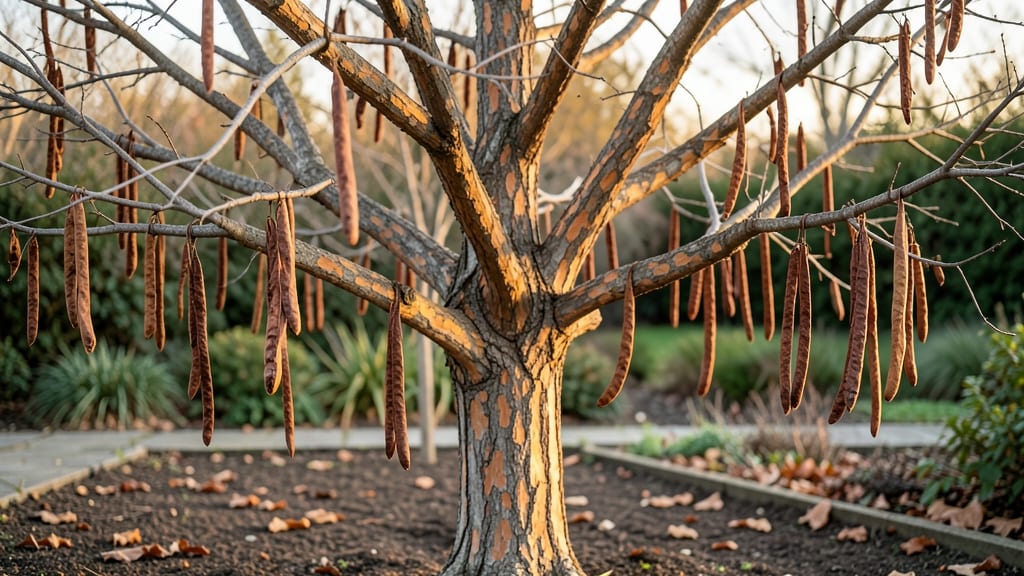
Those papery crepe myrtle seed pods hold the key to free, easy-to-grow trees—if you harvest them right. 🌿 I’ve spent years watching them twist and split, and I finally cracked the trick to collecting seeds without the mess.
The secret? Timing, gentle handling, and knowing exactly when those pods are ready to open.
You’ll need just a few simple tools: gloves to protect from tiny fibers, a bucket for collection, and a dry spot to let the pods finish maturing. The best time to harvest is late fall, when the pods turn from green to brown and start splitting open on their own.
A light shake over a tarp will gather most of the seeds—no twisting required.
Once dried, these seeds stay viable for years if stored in a cool, dry place. Plant them in well-draining soil, barely covering them, and keep the soil moist until sprouts appear in 2-4 weeks.
The payoff? New crepe myrtles that match your existing trees’ beauty—without the cost of nursery plants.
Bonus: Dry the pods further for rustic decor, or crush the empty husks into natural mulch. Just avoid harvesting too early—the seeds won’t germinate if the pods aren’t fully mature. Patience is the real secret here.
📚 In This Guide
- What you need
- Instructions
- Tips and common mistakes
- Wrapping up and next steps
What you need
- ● Crepe myrtle seed pods – Fresh, mature pods (late fall/winter, when they turn brown and papery). Aim for at least 10-15 pods for a good seed yield.
- ● Pruning shears or sharp scissors – A pair with bypass blades (for clean cuts) or anvil blades (for tougher pods). Disinfect with rubbing alcohol before use!
- ● Thick gloves – Leather or heavy-duty gardening gloves to protect against thorns and rough pods.
- ● Large bucket or bowl – A wide-mouth container (1+ gallon capacity) to collect pods and seeds.
- ● Newspaper or paper towels – For drying and separating seeds. Use 1-2 sheets per batch of pods.
- ● Small paintbrush or soft cloth – For gently brushing seeds from pods.
- ● Paper bags or envelopes – Brown kraft paper (breathable) for storing seeds until planting.
- ● Labeling tags and marker – To mark seed varieties and harvest dates.
- ● Ladder or step stool – For harvesting pods from taller trees (6+ feet). Ensure it’s stable and non-slip!
- ● Seed tray or shallow container – For germinating seeds indoors (if starting early). A 10x20-inch tray works well.
- ● Hair dryer (cool setting) – Speeds up drying seeds if you’re in a humid climate.
- ● Magnifying glass – Helps spot tiny seeds or inspect pod maturity.
- ● Spray bottle with water – For lightly misting seeds during stratification (if cold-treating).
How to harvest crepe myrtle seed pods without the twist
Skip the frustrating struggle—here’s my foolproof way to collect seeds without breaking the pods.
🌿 Step 1: Wait for the Right Time to Harvest
Crepe myrtle seed pods ripen in late fall or early winter, turning from green to a papery brown. The pods should feel dry and brittle to the touch—if they crack open when you squeeze them, they’re past their prime. I wait until at least 50% of the pods on a tree have turned brown, usually around November or December, depending on your climate.
Harvest on a dry, sunny day when humidity is low. This prevents mold from forming on the seeds while you work. If rain is forecasted, collect the pods immediately—they’ll swell with moisture and become difficult to handle.
🪴 Step 2: Gather Pods Gently Without Twisting
Reach up and grasp the pods firmly but carefully—don’t yank or twist the stems, as this can damage the tree. Instead, use a slow, twisting motion with your fingers to loosen the pod from the branch. If it resists, gently wiggle it side to side until it releases. I like to work from the bottom of the tree upward to avoid standing on unstable branches.
Place the pods in a paper bag or breathable mesh sack. Avoid plastic containers, as they trap moisture and encourage mold. If you’re harvesting a large number, wear gloves—some crepe myrtle varieties have tiny hairs that can irritate skin.
💧 Step 3: Dry the Pods Before Opening
Spread the pods out on a clean, dry surface in a single layer. I use a screen or a piece of window mesh to allow airflow on all sides. Place them in a warm, dry spot indoors—70-75°F is ideal. Let them dry for 3-5 days, checking daily. The pods should feel completely dry and hollow when tapped.
If you notice any mold or musty smells, discard those pods immediately. Moldy seeds won’t germinate, and the spores can contaminate your healthy stock. A fan on low setting can speed up drying if your space is humid.
✂️ Step 4: Extract the Seeds Carefully
Once the pods are bone-dry, open them by gently squeezing between your fingers or tapping them lightly on a hard surface. The seeds will rattle inside—listen for that sound to know when they’re ready. Avoid crushing the pods, as this can damage the seeds inside.
Remove the seeds and discard the empty pod husks. Store the seeds in a sealed, airtight container like a glass jar or plastic bag with a silica packet to absorb moisture. Label the container with the date and variety if you’re saving multiple types.
⏰ Step 5: Store Seeds for Planting Next Season
Crepe myrtle seeds require a cold stratification period to break dormancy. After harvesting, place the sealed container in your refrigerator for 60-90 days to simulate winter. Check them monthly—they should remain dry but not brittle.
In early spring, plant the stratified seeds in a well-draining mix. They’ll germinate slowly, so be patient—some may take 3-6 weeks to sprout. Keep the soil consistently moist but never soggy during this time.
Tips & tricks for perfect crepe myrtle seed pod harvesting
Here's how to avoid common pitfalls and get the most viable seeds from your crepe myrtle pods.
Timing is Everything: In Step 1, when you see at least 50% of pods turning papery brown, that's your cue—but don't wait too long! If pods start cracking open on their own, the seeds inside may have already sprouted or been eaten by wildlife. I check pods daily during this window to catch them at peak readiness. The dry, sunny day requirement in Step 1 isn't just about comfort—humidity causes pods to swell and stick to branches, making harvest impossible.
Gentle Hands Save the Day: The twisting motion in Step 2 might feel awkward at first, but it's worth practicing. I've seen too many people yank pods off and leave ugly scars on the tree. Try this: hold the pod near the branch with one hand, then gently twist with your fingers while supporting the branch with your other hand. If you're working with a tall tree, consider using pruning shears to cut pods cleanly from the branch—just be careful not to nick the stems.
Drying Done Right: The 3-5 days drying time in Step 3 might seem long, but rushing this step is a recipe for disaster. I've learned the hard way that damp pods develop mold overnight. Place a small fan near your drying pods (on low!) to circulate air without creating drafts. You'll know they're ready when they make a hollow sound when tapped—like knocking on a door. This is your green light to open them.
Seed Storage Secrets: For Step 5's cold stratification, I like to use small glass jars with tight lids for each variety. The 60-90 day range gives you flexibility—if you harvest early, you can extend the cold period. Just remember to check your seeds monthly: they should remain dry but not brittle. If they feel leathery, they've absorbed too much moisture and won't germinate well.
Pro Tips for Crepe Myrtle Seed Pods
- Here's how to avoid common pitfalls and get the most viable seeds from your crepe myrtle pods.
- Timing is Everything: In Step 1, when you see at least 50% of pods turning papery brown, that's your cue—but don't wa...
- Gentle Hands Save the Day: The twisting motion in Step 2 might feel awkward at first, but it's worth practicing. I've...
Frequently asked questions
Got questions about crepe myrtle seed pods? You’re not alone! Here are some of the most common queries—and their answers—to help you navigate harvesting, storage, and troubleshooting like a pro.
When is the best time to harvest crepe myrtle seed pods?
The ideal time is late fall or winter (November–February) when pods turn brown and begin splitting open. Harvesting too early (green pods) means seeds aren’t fully mature, while waiting too long risks losing them to birds or harsh weather. Aim for dry, papery pods for the best results!
Why do some crepe myrtle seed pods stay green or never open?
Green or unopened pods often signal immature seeds or environmental stress (like drought or poor pollination). If pods persist green after frost, they likely won’t produce viable seeds. Prune diseased or underperforming branches in late winter to encourage healthier growth next season.
Can I plant crepe myrtle seeds directly from the pod, or do I need to extract them?
You can plant whole pods, but extracting seeds first improves germination rates. Gently twist open dried pods to remove seeds, then soak them in water for 24 hours before sowing. This mimics natural rain cycles and breaks seed dormancy—pro tip: Use a fine mesh bag to catch tiny seeds!
How should I store crepe myrtle seeds until planting?
Store seeds in a cool, dry place (like a paper envelope in the fridge) for up to 6 months. Avoid plastic bags—condensation can cause mold. For longer storage, dry seeds completely (3–5 days in a warm, shaded spot) and keep them in a sealed container with a moisture absorber like silica gel.
What if my crepe myrtle doesn’t produce seed pods at all?
Seed pods require male and female flowers on the same tree (or nearby trees) for pollination. If your tree is young (<3 years) or male-only, it won’t produce pods. Check for blooms in summer—if flowers appear but no pods form, hand-pollinate with a soft brush or plant a second tree for cross-pollination.
Wrapping up and next steps
Harvesting crepe myrtle seed pods doesn’t have to be a tangled mess—with the right timing and techniques, you can collect viable seeds effortlessly! Remember, patience and precision are key: wait for the pods to turn brown and split naturally, then gently twist or shake them free.
Whether you’re saving seeds for propagation or simply admiring nature’s design, this twist-free method ensures success.
Ready to put your new skills to the test? Grab your gloves and head outdoors—your crepe myrtle’s next generation is waiting! 🌱✨