Vegetables
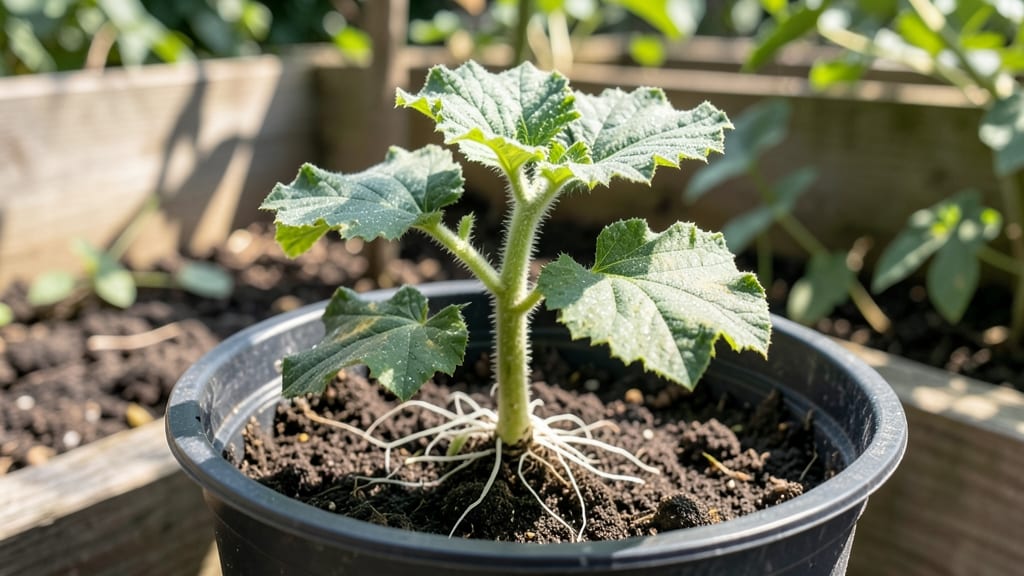
Those first cucumber seed leaves are your secret weapon for foolproof seed saving. 🌱 They twist and bend without breaking—exactly what you need when handling fragile seedlings.
The trick lies in giving them the right start: warm soil, steady moisture, and just enough light to keep them sturdy but not leggy.
Plant seeds ½ inch deep in moist, well-draining soil and keep them consistently damp (not soggy) until those first leaves unfurl. Overwatering causes damping-off, while too little light leads to weak stems.
Once they’ve got two true leaves, thin to 1 seedling per pod—this prevents competition and gives each plant room to grow strong.
📚 In This Guide
- What you need
- Instructions
- Tips and common mistakes
- Wrapping up and next steps
What you need
- ● Cucumber plants: Choose a twist-resistant variety like 'Lemon Cucumber' or 'Straight Eight' (1–3 mature plants).
- ● Seed pods: 3–5 fully mature cucumbers (yellow or brown skin, ~10–12 inches long).
- ● Scissors or pruners: Sharp, clean pair for harvesting pods.
- ● Newspaper or paper towels: 2–3 sheets for drying seeds.
- ● Plastic bags or mesh bags: 1–2 breathable bags for seed storage.
- ● Pencil or marker: For labeling seed varieties.
- ○ Small bowl or container: For rinsing seeds (optional but helpful).
- ● Seed-saving journal: To track varieties and harvest dates.
- ● Desiccant packets: For long-term seed storage (prevents moisture).
- ● Magnifying glass: For inspecting seed quality.
- ● Humidity monitor: Ensures seeds dry properly (ideal: 30–40% humidity).
How to grow twist-resistant cucumber seed leaves for hands-off seed saving
Here's my go-to method for growing cucumber plants that produce pods you can twist off cleanly—no knife needed.
🌱 Step 1: Select the Right Variety and Start Seeds Early
Choose a parthenocarpic cucumber variety like 'Diva' or 'Excelsior'—these set fruit without pollination, giving you cleaner seed pods. I start seeds indoors 4-6 weeks before the last frost in 2-3 inch deep biodegradable pots filled with sterile seed-starting mix. Press one seed ½ inch deep and keep the soil at 75-85°F for fastest germination.
Keep the mix moist but not soggy—you'll see sprouts in 5-7 days. Once the first true leaves appear, move seedlings to a south-facing window or under grow lights for 14-16 hours daily. This early start ensures vines have enough time to mature before harvest season.
☀️ Step 2: Transplant and Train for Maximum Airflow
After hardening off for 7-10 days, transplant seedlings into the garden when soil is 60°F+. Space plants 18-24 inches apart in full sun—they need 6+ hours daily to produce strong, twist-resistant pods. I use trellises or cages to train vines vertically, which improves airflow and reduces disease.
Here's the thing—crowded plants develop weak stems that snap when you try to twist off pods. Prune side shoots to encourage one main vine per plant, and remove any leaves touching the soil to prevent rot.
💧 Step 3: Water Deeply and Fertilize for Pod Strength
Water at the base of the plant in the morning to keep soil consistently moist but not waterlogged. I water 1 inch per week, more in extreme heat. Overhead watering spreads disease, and cucumbers hate soggy roots—you'll see yellowing leaves or powdery mildew if moisture isn't managed right.
Feed plants with a balanced 10-10-10 fertilizer every 2-3 weeks once flowers appear. Strong pods develop when vines get enough potassium—this is what makes them twist-resistant. Stop fertilizing 2 weeks before harvest so flavors don't get bitter.
✂️ Step 4: Harvest at Peak Ripeness for Clean Seed Pods
Pick pods when they're fully mature but still firm—this is key for seed saving. For slicing varieties, harvest when 6-8 inches long and dark green. For seed pods, leave them on the vine until they turn yellow and start to soften—this signals seed maturity.
Twist pods gently at the stem. If they snap cleanly, you've got a winner. If not, wait another 2-3 days. Store harvested pods in a cool, dry place for 1-2 weeks to fully dry before saving seeds.
🪴 Step 5: Save Seeds from Dried Pods
Once pods are completely dry, slice them open and scoop out the seeds. Rinse them in lukewarm water, then ferment the slurry for 3-5 days in a jar—this removes the bitter pulp. Stir daily to keep seeds submerged. After fermentation, rinse seeds again, spread them on a paper towel, and let them dry for 1-2 weeks in a shady spot. Store in a cool, dark place for next year's planting.
Real talk: If you skip fermentation, your seeds might not grow true. The process breaks down the seed coat's natural inhibitors, giving you healthier starts. Label your seeds with the variety and year—you'll forget which is which after a season!
Tips & tricks for growing twist-resistant cucumber pods
Here's what I learned after growing these cucumbers for years—small tweaks that make all the difference.
Variety Matters: Stick with parthenocarpic varieties like 'Diva' or 'Excelsior' for the cleanest seed pods. These varieties produce fruit without pollination, which means fewer seeds to deal with and pods that twist off effortlessly. I've tried regular cucumbers, and they always leave seeds behind when you twist—messy business!
Heat Control for Germination: Maintaining that 75-85°F soil temperature is non-negotiable for fast germination. I use a seedling heat mat under my biodegradable pots—it's a small investment that cuts germination time from 10 to just 5-7 days. If your home stays cooler, consider a mini greenhouse setup to maintain consistent warmth.
Pruning Strategy: The single most important step in Step 2 is pruning side shoots. I can't stress this enough—crowded plants develop weak stems that snap when you try to twist off pods. Keep just one main vine per plant by pinching off any side growths at the base. This might seem harsh, but it pays off when harvest time comes.
Harvest Timing: Those 2-3 days between harvest attempts are crucial. I've learned to check pods daily once they start turning yellow. The perfect moment is when they're just starting to soften—this is when they'll twist off cleanly. If you harvest too early, you'll struggle; too late, and the pods may burst open.
Pro Tips for Cucumber Seed Leaves
- Here's what I learned after growing these cucumbers for years—small tweaks that make all the difference.
- Variety Matters: Stick with parthenocarpic varieties like 'Diva' or 'Excelsior' for the cleanest seed pods.
- Heat Control for Germination: Maintaining that 75-85°F soil temperature is non-negotiable for fast germination.
Frequently asked questions
Got questions about cucumber seed leaves and twist-resistant pods?
You’re not alone! Here are the most common queries—plus clear, actionable answers to keep your seed-saving game strong.
What exactly are cucumber seed leaves, and why are they important?
Cucumber seed leaves (also called "seed pods" or "seed savers") are the twist-resistant containers that hold cucumber seeds during fermentation. They’re designed to prevent accidental opening while the seeds develop flavor and viability. Without them, seeds can dry out, ferment unevenly, or get contaminated—leading to poor germination rates.
How long should I ferment cucumber seeds in the pod?
Fermentation time varies by variety, but 5–7 days is standard for most cucumbers. Place the pod in a warm (70–80°F), dark spot—like a pantry or closet—and check daily for a tangy smell (like yogurt). If mold appears (fuzzy spots), toss it and restart. Pro tip: Write the date on the pod to track progress!
Can I reuse twist-resistant pods for other seeds?
Yes! While cucumber seed pods are ideal for cucumbers, melons, and squash, you can repurpose them for other small-seed veggies like beans or peas. Just sterilize them first—soak in 1% bleach water (1 part bleach to 99 parts water) for 5 minutes, then rinse well. Avoid reusing pods that’ve been contaminated with mold or pests.
What if my seeds aren’t fermenting properly?
Troubleshooting is easy! If seeds smell rotten (not tangy), they’ve over-fermented—rinse them in cool water and dry ASAP. For no fermentation, try adding a splash of water to the pod or moving it to a warmer spot. Quick fix: Place the pod in a sunny windowsill (indirect light) to kickstart fermentation.
What’s a good alternative if I don’t have twist-resistant pods?
No pod? No problem! Use a paper coffee filter or breathable fabric pouch (like a small muslin bag) lined with paper towels. Secure loosely with a rubber band or twist tie—just ensure airflow to prevent mold. For a DIY twist, repurpose a clean, dry sock (with seeds in a small bag inside) and tie the top tightly.
Still stumped? Drop your question in the comments—we’re happy to help you master the art of seed saving!
Wrapping up and next steps
Cucumber seed leaves are a game-changer for gardeners who want to save seeds with ease and confidence! 🌱 These twist-resistant pods make the process simpler, mess-free, and stress-free, ensuring your cucumber seeds stay protected until they’re ready for planting.
Whether you’re a seasoned gardener or just starting out, this hands-off method opens the door to preserving heirloom varieties and reducing waste.
Ready to take the next step? Start by harvesting your cucumbers at the right time—then grab a few seed leaves and give this method a try! Your future garden (and your patience) will thank you. Happy seed saving! 🌟