
Lawn
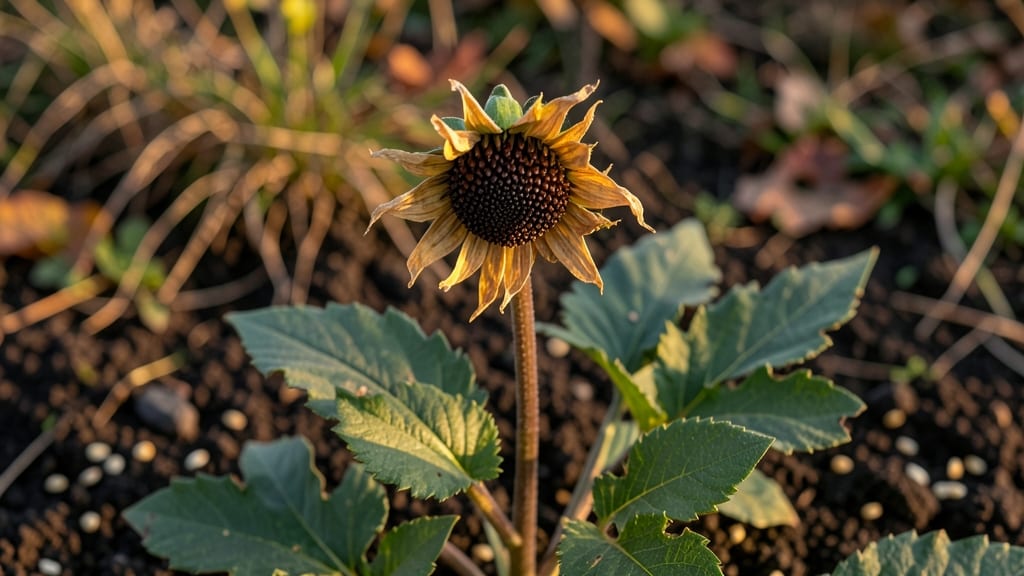
Those puffy dahlia seed heads are the plant’s secret weapon for next year’s blooms—if you know how to harvest them properly. 🌼 I’ve wrestled with stubborn stems and dried-out seed pods, but the right technique makes it effortless.
The key? Timing and a little patience to let the seed heads mature fully before they scatter.
You’ll need just a few things: sharp pruners, paper bags for collecting, and a dry spot to store them. The seed heads are ready when they turn papery brown and split open—don’t rush it, or you’ll end up with empty pods.
Once mature, snip the entire head cleanly and let it dry completely before storing.
When done right, you’ll have a stash of seeds that produce plants just as stunning as the parent. The first time I grew dahlias from saved seeds, I was shocked by how true the colors stayed—even the deep burgundies and sunny yellows.
Just be patient; germination takes time, but the payoff is worth it.
For best results, store seeds in a cool, dry place until spring. If you’re in a colder climate, start them indoors 6-8 weeks before your last frost. The struggle of harvesting seed heads disappears once you master the timing—no more wasted pods or frustrated gardening moments.
📚 In This Guide
- What you need
- Instructions
- Tips and common mistakes
- Wrapping up and next steps
What you need
- ● Dahlias with mature seed heads: Choose fully bloomed, dried-out flowers (brownish, papery petals). Aim for at least 3-5 healthy seed heads per plant for good yield.
- ● Sharp pruning shears or scissors: Clean, sterilized (70% isopropyl alcohol works). Avoid dull tools—they crush stems!
- ● Brown paper bags or seed envelopes: 1-2 per seed head (breathable material prevents mold). Label with plant variety and harvest date.
- ○ Permanent marker: For labeling (optional but highly recommended for variety tracking).
- ● Gloves (gardening or thin nitrile): Protects hands from prickly seed heads and sap.
- ● Small hand trowel: For digging around stubborn roots if you’re also dividing tubers.
- ● Spray bottle with water: Light misting keeps seeds from floating away during collection.
- ● Fine-mesh sieve or colander: For separating seeds from chaff after drying.
- ● Desiccant packets or silica gel: Speeds up drying if your climate is humid.
- ● Dry weather: Harvest on a sunny, wind-free day to avoid moisture buildup.
- ● Patience: Seed heads need 4-6 weeks post-bloom to fully dry on the plant.
- ● Knowledge of your dahlia variety: Some hybrids (e.g., ‘Café au Lait’) produce more viable seeds than others.
Step-by-step instructions for harvesting dahlia seed heads
Here's the foolproof method I use to collect dahlia seeds without breaking stems or losing flowers.
🌿 Step 1: Identify and Select Mature Seed Heads
Look for seed heads that have fully dried and turned brown—this means the seeds inside are ready for harvest. I always pick ones that have lost most of their petals and feel papery to the touch. Avoid seed heads with green stems or damp centers, as those aren't fully mature yet.
Gently squeeze the dried head between your fingers. If it crumbles easily and releases dust-like seeds, it's ready. If it feels firm or still has moisture, wait 2-3 more days. The best time to harvest is on a dry morning after dew has evaporated—this prevents seeds from sticking to your hands or tools.
✂️ Step 2: Cut the Stem Cleanly Below the Seed Head
Use clean, sharp pruners or scissors to cut the stem about 2 inches below the seed head. This prevents the stem from tearing when you twist it later. I always disinfect my tools with rubbing alcohol first—this stops any fungal spores from spreading to other plants.
Make the cut at a 45-degree angle to increase surface area for water absorption if you decide to replant the stem. If you're only harvesting seeds, a straight cut works fine. Never pull or yank the seed head—this damages the plant and weakens next year's blooms.
🪴 Step 3: Twist and Remove the Seed Head Gently
Hold the stem firmly with one hand and grasp the base of the dried seed head with the other. Twist slowly in a circular motion while applying gentle pressure. You'll feel resistance at first, but the seed head should separate cleanly from the stem once you reach the cut line.
If the seed head resists, don't force it—this often means it's not fully dry. Wait another day or two and try again. The key is patience; rushing leads to broken stems or torn seed heads. Once removed, place the seed head in a paper bag to catch any loose seeds that might fall out.
💧 Step 4: Dry and Store the Seed Heads Properly
Let the seed heads dry completely indoors for 3-5 days in a well-ventilated area. Spread them out on a clean surface or hang them upside down in small bundles. This prevents mold and ensures seeds stay viable. I avoid direct sunlight—it can overheat the seeds and reduce germination rates.
Once fully dry, break open the seed heads over a clean sheet of paper or into a labeled envelope. Store the seeds in a cool, dark place like a sealed jar or envelope. Label each with the dahlia variety and harvest date—seeds lose viability after 1-2 years, so fresh is always better.
🌱 Step 5: Clean Up and Prepare for Next Year
After harvesting, remove any remaining dried seed heads from the plant to redirect its energy toward next year's growth. Use the same pruners to trim back stems that have finished blooming. This encourages the plant to focus on storing nutrients in its tubers for spring.
If you notice any signs of disease on the stems (like black spots or powdery mildew), dispose of those seed heads immediately in the trash—not the compost. Healthy plants produce stronger seeds, so keeping your garden disease-free is key to next year's success.
Tips & tricks for perfect dahlia seed harvesting
These simple tricks will help you avoid the common pitfalls that turn seed harvesting into a frustrating battle.
Timing Secret: The best time to harvest is on a dry morning after dew has evaporated. This prevents seeds from sticking to your hands or tools, making the whole process cleaner and more efficient. If you must harvest later in the day, wait until any morning dew has completely dried—wet seeds can turn to mush in your hands.
Tool Prep: Always disinfect your pruners or scissors with rubbing alcohol before cutting. This prevents spreading fungal spores to other plants, which could ruin your entire garden's health. I keep a small bottle of rubbing alcohol in my gardening toolkit just for this purpose—it takes seconds and saves hours of potential cleanup later.
The Twist Technique: When twisting the seed head from the stem, think of it like unscrewing a jar lid. Apply slow, steady pressure in a circular motion—don't force it! If it resists, the seed head isn't fully dry yet. Patience here prevents broken stems and torn seed heads, which means more seeds for next season and happier dahlia plants.
Drying Wisdom: Spread your seed heads out on a clean surface or hang them upside down in small bundles for the 3-5 days of drying time. I like to use old window screens or mesh bags for airflow while keeping them contained. Avoid direct sunlight—it can overheat the seeds and reduce their viability, which means fewer plants next spring.
Pro Tips for Dahlia Seed Head
- These simple tricks will help you avoid the common pitfalls that turn seed harvesting into a frustrating battle.
- Timing Secret: The best time to harvest is on a dry morning after dew has evaporated.
- Tool Prep: Always disinfect your pruners or scissors with rubbing alcohol before cutting.
Frequently asked questions
Got questions about dahlia seed heads?
You’re not alone! Here are some of the most common queries—and their straightforward answers—to help you master harvesting without the fuss.
Why do I need to harvest dahlia seed heads at all?
Harvesting seed heads isn’t just for saving seeds—it’s about revitalizing your dahlias! Deadheading (removing spent blooms) redirects energy from seed production to new growth and bigger, showier flowers later in the season. Plus, it keeps your plants tidy and disease-free!
When is the best time to harvest dahlia seed heads?
Timing is everything! Snip off seed heads right after the petals fall (but before the seed pod fully matures). For seed-saving, wait until the pod turns brown and dry—usually 6–8 weeks after flowering. Pro tip: Morning harvests work best when dew is light!
How do I harvest seed heads without damaging the plant?
Use clean, sharp pruners and cut just above a leaf node or side bud (about ¼ inch above). Avoid tugging—this can snap stems or stress the plant. For extra care, sterilize your tools with rubbing alcohol between cuts to prevent fungal spread.
Can I skip harvesting seed heads and still get flowers?
Yes, but with trade-offs! If you don’t harvest, your dahlias will still bloom—but fewer and smaller as energy goes to seed production. For a continuous show, prioritize deadheading. Save seed heads only if you’re intentionally growing dahlias from seed next year!
What do I do with harvested seed heads?
Here’s your quick guide:
- For seeds: Let pods dry completely, then crack them open to collect seeds. Store in a cool, dry place (like a paper envelope) for up to 2 years.
- For compost: Toss spent heads into your compost bin—they’ll break down easily!
- For arrangements: Air-dry seed heads and use them in winter bouquets or crafts.
My dahlias aren’t blooming after I harvest seed heads—what’s wrong?
Don’t panic! A few culprits could be at play:
- Over-pruning: Leave at least 3–4 healthy leaves per stem.
- Underwatering: Dahlias need 1–2 inches of water weekly (more in heat).
- Nutrient deficiency: Feed with a balanced fertilizer every 4–6 weeks.
- Pests/disease: Check for aphids, slugs, or fungal spots—treat early!
Wrapping up and next steps
Harvesting dahlia seed heads doesn’t have to be a tangled mess—with the right tools and techniques, you’ll turn those fluffy blooms into next year’s garden stars! 🌱 Whether you’re saving seeds for heirloom varieties or simply enjoying the creative process, patience and precision are your best friends.
Now that you’re armed with tips to avoid the twist struggle, why not share your newfound skills with fellow gardeners or experiment with preserving those seeds for future plantings?
🌟 Your Next Step:
- Label and store your harvested seeds properly for long-term success.
- Try germinating a few to see which varieties thrive in your climate.
- Share your dahlia adventures online or with local gardening groups!