
Size
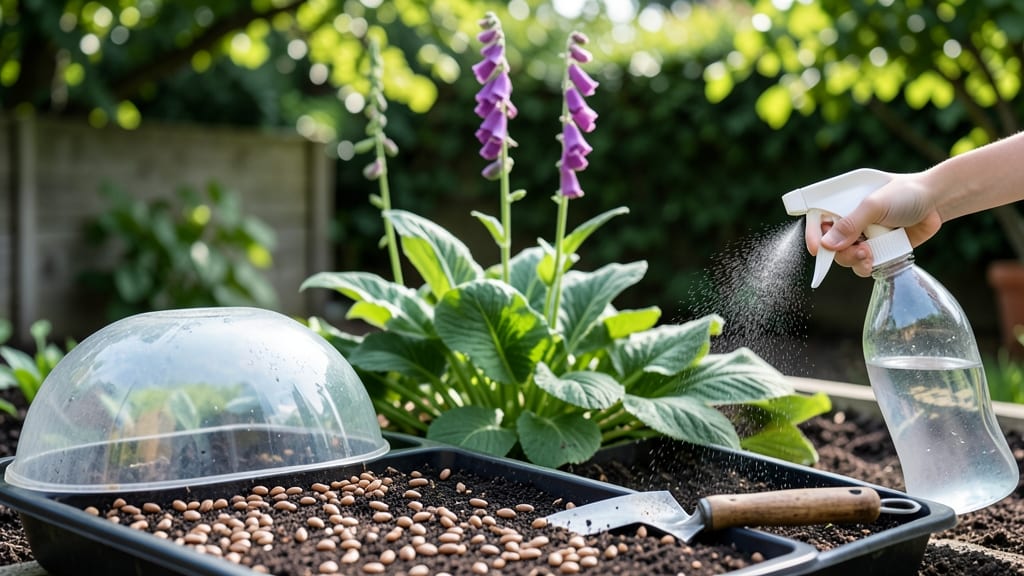
Growing foxglove from seed saves money and lets you create towering cottage garden staples that nurseries can't match. 🌱 I've grown foxglove from seed for years, and the twist-resistant pods make saving seeds almost foolproof—no more wrestling with stubborn capsules.
The secret is patience and the right conditions: foxglove seeds need cool soil and consistent moisture to germinate. Plant them in fall or early spring, barely covering them with soil, and keep the area shaded until sprouts appear.
Most seeds take 2-3 weeks to wake up, but some may wait until spring. Once seedlings emerge, they'll grow fast with proper care—thin to 12 inches apart and watch them reach their dramatic height.
By next summer, you'll have foxglove stalks that hummingbirds adore and garden borders that feel like storybook illustrations. Just remember: every part of the plant is toxic, so keep it away from pets and kids. The payoff?
Foxglove's bell-shaped blooms in shades of purple, pink, and white that transform any garden into a fairy tale setting.
📚 In This Guide
- What you need
- Instructions
- Tips and common mistakes
- Wrapping up and next steps
What you need
- ● Foxglove seeds: Purchase from a reputable supplier or harvest from mature, healthy foxglove pods in your garden (ensure they’re fully dry and brown). Aim for at least 10-20 seeds for a small patch.
- ● Seed-starting mix: A well-draining, sterile potting mix (avoid garden soil—it can harbor pathogens). Use about 2-3 cups per seed tray.
- ● Seed trays or small pots: Shallow trays with drainage holes or 2-3 inch pots (6-12 trays/pots for 20 seeds).
- ● Grow lights or sunny windowsill: Foxglove seeds need bright, indirect light (6-8 hours daily) to germinate.
- ● Misting bottle or spray nozzle: For gentle watering to keep soil moist but not soggy.
- ○ Plastic wrap or humidity dome: Optional but helpful for creating a mini greenhouse effect during germination.
- ● Trowel or small shovel: For transplanting seedlings into larger containers or garden beds.
- ● Labels and markers: To track seed varieties and planting dates (foxglove can take 2-3 years to flower!).
- ● Fertilizer (balanced, low-nitrogen): A diluted 10-10-10 or organic option like compost tea, applied every 4-6 weeks once seedlings are established.
- ● Garden twine or stakes: For supporting tall foxglove plants (they can grow 3-5 feet tall!).
- ● Pruning shears: To deadhead spent blooms and encourage bushier growth.
- ● Garden gloves: Foxglove leaves can be mildly irritating to sensitive skin.
Step-by-Step instructions for growing foxglove from seed
Here’s how to cultivate these striking biennials with minimal fuss—no twisty pods to deal with!
🌱 Step 1: Prepare Containers and Sow Seeds
Fill 4-inch deep seed trays with sterile potting mix (foxglove seeds need loose, well-draining soil). Press the mix down lightly so it’s firm but not compacted. Scatter seeds ¼ inch deep—they’re tiny, so I tap the seed packet gently to release them evenly. Space them ½ inch apart to avoid overcrowding later.
Cover lightly with a sprinkle of mix, then mist gently until the surface is damp but not soggy. Foxglove seeds germinate best at 65-75°F, so place the tray in a warm spot. A seedling heat mat speeds things up, but a sunny windowsill works too. Expect sprouts in 2-4 weeks—don’t rush watering until you see tiny green shoots.
☀️ Step 2: Provide Light and Thin Seedlings
Once seedlings emerge, move them to bright, indirect light immediately. Foxglove seedlings are delicate—direct sun at this stage can scorch them. Use a grow light if natural light is weak, keeping it 4-6 inches above the plants. You’ll notice strong seedlings have thick stems and dark green leaves; weak ones will look pale and leggy.
When seedlings reach 2 inches tall, thin them to 1 plant per cell (or 3 inches apart in larger trays). Use scissors to snip unwanted seedlings at soil level—this prevents disturbing roots. Transplant the kept seedlings into individual 4-inch pots with fresh potting mix to give them space to grow.
💧 Step 3: Harden Off and Plant Outdoors
Two weeks before your last frost, start hardening off seedlings by placing them outside in a shaded, sheltered spot for 1-2 hours the first day. Gradually increase exposure over 10-14 days, ending with full sun. Foxglove thrives in partial shade to full sun, but young plants need time to adjust.
Plant seedlings 12-18 inches apart in well-draining soil enriched with compost. Water deeply after planting to settle the roots. Mulch lightly with 2 inches of organic mulch to retain moisture and suppress weeds. You’ll see first true leaves within 2-3 weeks—this is your signal they’re established.
⏰ Step 4: Maintain Through First Year
Foxglove is a biennial, meaning it grows leaves the first year and flowers the second. Water once a week (or when the top inch of soil feels dry), but avoid overwatering—soggy soil causes rot. Fertilize lightly with a balanced fertilizer every 4-6 weeks in spring and summer.
In late summer, reduce watering to encourage dormancy. The twist-resistant pods form naturally the following year—no need to fuss with harvesting! Deadhead spent flowers in early fall to redirect energy to root growth. By next spring, you’ll have sturdy, flowering plants ready to brighten your garden.
Tips & tricks for growing foxglove from seed
These simple strategies will help you nurture healthy foxglove plants from the start—no gardening experience required!
Germination Conditions: The 65-75°F temperature range is critical for foxglove seeds to sprout. If your home runs cooler, place the seed tray on a seedling heat mat or move it to a warmer spot like near a sunny window. I've found that keeping the soil consistently moist (not soggy) during this phase makes all the difference—foxglove seeds need that steady dampness to trust the conditions are right.
Light Management: In Step 2, when moving seedlings to bright, indirect light, pay close attention to their leaves. If you notice any yellowing or wilting after just a few hours, they're getting too much direct sun. A simple trick is to place a sheer curtain over a sunny window to diffuse the light while still providing plenty of brightness. This gradual adjustment prevents shock and helps seedlings develop strong stems.
Thinning Technique: When thinning seedlings at the 2-inch height mark, I recommend using clean scissors rather than pulling plants by hand. Snipping at soil level prevents disturbing the roots of the plants you're keeping. This might seem like a small detail, but it dramatically improves survival rates—especially since foxglove seedlings are already delicate. The goal is to give each plant enough space to grow without competing for nutrients.
Outdoor Transition: During the hardening-off process in Step 3, I've learned that starting with just 1-2 hours outside is perfect for acclimating seedlings. Place them in a spot where they'll receive morning sun and afternoon shade. This gradual exposure mimics natural conditions and helps prevent transplant shock. Watch for any signs of stress like wilting or discoloration—these are your cues to extend the time slowly.
Pro Tips for Foxglove Seed Grow A Garden
- These simple strategies will help you nurture healthy foxglove plants from the start—no gardening experience required!
- Germination Conditions: The 65-75°F temperature range is critical for foxglove seeds to sprout. If your home runs coo...
- Light Management: In Step 2, when moving seedlings to bright, indirect light, pay close attention to their leaves. If...
Frequently asked questions
Got questions about growing foxglove from seed?
You’re not alone! Here are answers to the most common queries to help you cultivate these stunning garden stars with confidence.
How long does it take for foxglove seeds to germinate?
Foxglove seeds can take anywhere from 2 to 6 weeks (or even longer!) to sprout. Patience is key—keep the soil consistently moist and warm (around 70°F) to encourage germination. Cold stratification (chilling seeds for 4–6 weeks) can also help break dormancy for faster results.
Can I grow foxglove from seeds collected from my garden?
Foxglove seeds are easy to save—just let the pods dry on the plant, then collect and store them in a cool, dry place. However, note that foxglove seeds may not always "come true" to the parent plant due to cross-pollination. For consistent varieties, opt for named seeds from a trusted supplier.
Is foxglove toxic to pets or children if grown from seed?
Yes, foxglove (Digitalis purpurea) is highly toxic if ingested by pets or humans. While growing from seed is safe, keep plants out of reach and avoid areas where children or pets play. Symptoms of poisoning include nausea, irregular heartbeat, or worse—never consume any part of the plant.
What’s the best time of year to plant foxglove seeds outdoors?
For direct sowing, plant foxglove seeds in early spring or late summer/fall (after the first frost). If starting indoors, sow seeds 8–10 weeks before the last frost date. Foxglove thrives in cool weather, so avoid planting during scorching summer heat.
What can I do if my foxglove seeds aren’t germinating?
Try these troubleshooting tips:
- Check moisture: Keep soil damp but not soggy—foxglove seeds need consistent hydration.
- Test seed viability: Soak seeds in warm water for 24 hours; if they sink, they’re likely viable.
- Try scarification: Gently nick the seed coat with sandpaper to help water penetrate.
- Use a heat mat: Bottom warmth (around 75°F) can speed up germination.
Wrapping up and next steps
Growing foxglove from seed is a rewarding journey that brings stunning, twist-resistant pods and elegant blooms to your garden with minimal fuss! 🌿 By following these simple steps—from selecting the right seeds to harvesting and saving them—you’ll enjoy a low-maintenance yet highly decorative addition to your outdoor space.
Whether you’re a seasoned gardener or just starting, foxglove’s resilience and beauty make it a perfect project.
Ready to level up your garden? Start by planting your first batch of seeds this season, and soon, you’ll be sharing your thriving foxglove with neighbors (or saving seeds for next year’s blooms!). Happy gardening! 🌸