
Lawn
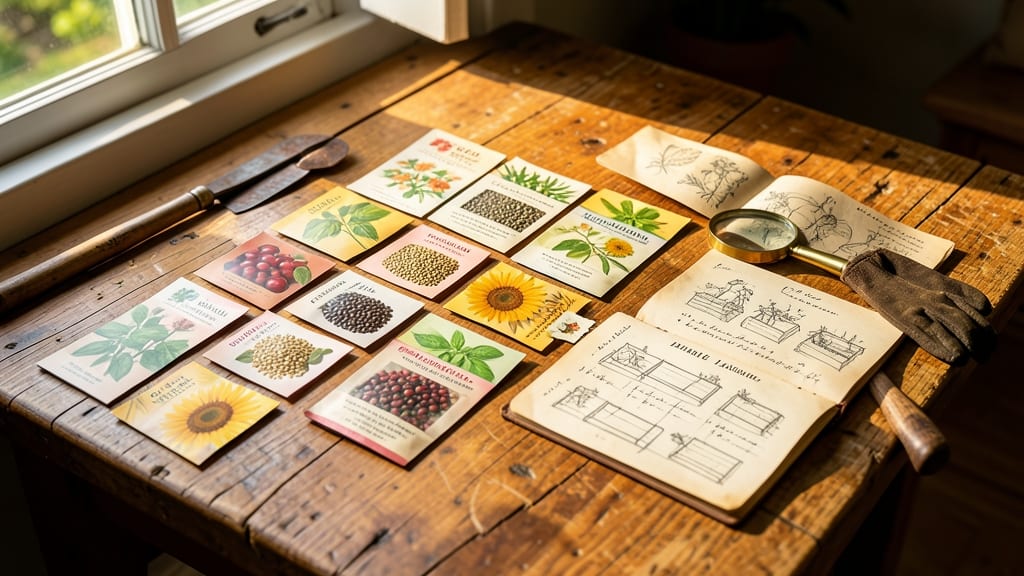
Free garden seed catalogs are your gateway to free, dreamy varieties without spending a dime. 🌱 I’ve used them for years to discover heirlooms, disease-resistant tomatoes, and flowers that transform my yard—all while keeping my wallet happy.
These catalogs aren’t just pretty pictures; they’re roadmaps for seasonal planning, seed-starting schedules, and even garden layouts.
The best part? You don’t need to buy anything to get started. Reputable sources like Burpee, Park Seed, and Johnny’s Selected Seeds offer free catalogs online or by mail, packed with beginner-friendly picks and expert tips.
Whether you’re plotting a raised bed or a windowsill herb garden, these catalogs help you visualize what will thrive in your space.
By the time you flip through the pages, you’ll have a clear seed-starting timeline, a wishlist of varieties, and a game plan for your garden’s layout. The freebies often include growing guides, too—so you’ll know exactly when to plant, how to space crops, and which companions keep pests away.
Pro tip: Bookmark your favorite catalogs now so you’re ready when seed orders open in the new year. And if you’re new to gardening, start with their easiest varieties—like cherry tomatoes or marigolds—to build confidence before tackling heirlooms. Happy planning!
📚 In This Guide
- What you need
- Instructions
- Tips and common mistakes
- Wrapping up and next steps
What you need
- ● Computer, tablet, or smartphone – For browsing and ordering catalogs (Wi-Fi recommended).
- ○ Printer (optional but handy) – If you prefer physical copies of seed lists or planting guides.
- ● Notebook or digital notes app – To track seed varieties, planting dates, and garden layouts.
- ● Pens/pencils or stylus – For marking favorites or customizing seed orders.
- ● Mailing address (for physical catalogs) – Some organizations still send printed catalogs via post.
- ● Seed-saving envelopes or ziplock bags – To store seeds from free samples or heirloom varieties.
- ● Garden journal or app (e.g., Gardenate, Seed to Spoon) – For logging growth stages and yields.
- ● Highlighters or sticky notes – To flag must-have seeds or regional favorites in catalogs.
- ● Extension office contacts – Local agricultural extensions often provide free seed guides tailored to your climate.
How to access free garden seed catalogs without spending a dime
Here's the straightforward method I use to get premium-quality seeds delivered straight to my door—no purchase required.
🌱 Step 1: Identify Reputable Free Seed Sources
Start with established seed companies that offer free catalogs—Burpee, W. Atlee Burpee & Co., and Park Seed are my top picks. These companies provide detailed growing guides, seed varieties, and even free seed packets with your catalog order. Some state agricultural extension offices also distribute free seed catalogs through their educational programs.
I recommend beginning with Burpee's website—they have a dedicated "Free Seed Catalog" section where you can request yours online. The process is simple: fill out a brief form with your name, address, and email, then wait for the catalog to arrive by mail. This typically takes 7-10 business days.
📜 Step 2: Request Catalogs Strategically
Timing matters—most seed companies release their free catalogs in late summer or early fall, just as gardeners start planning for the next season. If you request too early, you might get a generic catalog without the latest varieties. I like to request mine in September when the new seed lines are finalized but before holiday shipping delays.
For an extra bonus, some companies offer free seed packets with your catalog. Look for the fine print—Burpee often includes a small packet of heirloom tomatoes or flowers. These free seeds are perfect for testing varieties before committing to larger purchases. Just be sure to check the seed viability dates printed on the packets.
☀️ Step 3: Explore Alternative Free Seed Options
If you prefer seeds over catalogs, many companies offer free seed samples with your catalog request. Companies like Johnny's Selected Seeds and High Mowing Seeds often include free seed packets in their catalog mailings. These seeds are typically high-quality and come with growing instructions tailored to your region.
Don't overlook local resources either. Your county extension service or master gardener program may have free seed swaps or seed libraries where you can access seeds without cost. Some seed banks, like the Native Seed Search directory, offer free seeds for native plants—ideal for pollinator gardens and drought-resistant landscapes.
⏰ Step 4: Organize and Plan Your Seed Order
Once your catalog arrives, take time to review the growing zones and seed varieties listed. Most catalogs include planting charts that show when to sow seeds indoors or outdoors based on your last frost date. I highlight the varieties that match my climate and gardening goals—this prevents impulse purchases of seeds that won't thrive in my area.
Pay attention to the seed quantity notes. Some catalogs offer bulk discounts or multi-packs that let you grow more for less. For example, Burpee's "Garden in a Box" kits often include free seeds when you order a catalog. These kits are perfect for beginners or small-space gardeners looking to expand their plantings.
🌿 Step 5: Maximize Your Free Seed Benefits
Use the free seeds you receive to start small test plots or fill gaps in your garden plan. For instance, I always plant the free tomato seeds in a separate bed to compare varieties before deciding which to buy in bulk. This way, I can evaluate flavor, disease resistance, and yield without risking my entire garden.
Finally, share your free seeds with fellow gardeners. Many seed companies allow you to share their seeds as long as you don't resell them. This builds community and spreads high-quality seeds without cost. I often trade seeds with neighbors—it's a great way to diversify your garden without spending a dime.
Tips & tricks for maximizing your free garden seed catalogs
These insider strategies will help you make the most of your free seed catalogs—because getting them is just the first step to a thriving garden.
Timing is Everything: The 7-10 business day delivery window mentioned in Step 1 is actually a golden opportunity for garden planning. Use this time to sketch your garden layout and note which varieties you're most excited to try. I always keep a small notebook nearby to jot down seed codes and varieties as soon as they arrive—this prevents last-minute impulse purchases that might not suit your space or climate. The September timing in Step 2 is particularly strategic because it gives you a head start on indoor seed starting for early spring crops.
Seed Viability Check: When you receive those free seed packets (like the heirloom tomatoes mentioned in Step 2), always check the viability date printed on the packet. Most seeds remain viable for 1-2 years from the harvest date, but some varieties like onions and leeks can last longer. I've learned the hard way that old seeds might not germinate well—especially with the free samples that sometimes sit in warehouses longer than expected. If you're unsure, do a simple germination test by planting 5 seeds in damp paper towels for a few days.
Local Resource Networking: The local resources mentioned in Step 3—like county extension services and seed libraries—often have hidden gems beyond what's in the catalogs. Call ahead to ask about their seed swap policies or if they offer special programs for native plants. I once discovered a local organization that provided free seeds for pollinator-friendly flowers, which I used to create a dedicated bee garden section. These connections can also lead to exclusive varieties that aren't available through commercial catalogs, giving you a competitive edge in your neighborhood garden.
Catalog Organization System: For the planting charts and seed varieties in Step 4, create a simple filing system for your catalogs. I use large envelopes labeled by year, with dividers for different seed companies. This makes it easy to reference next year's varieties while keeping last year's notes for comparison. Some gardeners even take photos of their best-performing plants and tape them to the corresponding seed pages—this visual reference is incredibly helpful when making next year's selections.
Pro Tips for Free Garden Seed Catalogs
- These insider strategies will help you make the most of your free seed catalogs—because getting them is just the first step to a thriving garden.
- Timing is Everything: The 7-10 business day delivery window mentioned in Step 1 is actually a golden opportunity for garden planning.
- Seed Viability Check: When you receive those free seed packets (like the heirloom tomatoes mentioned in Step 2), always check the viability date printed on the packet.
Frequently asked questions
Got questions about free garden seed catalogs?
You’re not alone! Here are answers to the most common queries to help you get started on your seed-growing journey—without spending a dime.
How do I get free seed catalogs without buying anything?
Many seed companies, like Baker Creek Heirloom Seeds or Seeds of Change, offer free catalogs via mail or email. Sign up on their websites, check local gardening clubs, or browse free seed swap groups on Facebook or Reddit. Some libraries even stock them!
When is the best time to order free seeds?
Timing depends on your climate, but most free seed catalogs arrive in late winter or early spring (January–March). Order early to secure your favorites—popular varieties go fast! For fall crops (like kale or spinach), request catalogs in late summer to plan ahead.
Are free seed catalogs limited to specific regions?
Most catalogs list seeds suited for all U.S. growing zones, but some companies (like Johnny’s Selected Seeds) tailor recommendations by state. Always check the catalog’s zone map or contact them to confirm hardiness in your area.
What if I don’t want to commit to buying seeds?
No problem! Many free catalogs include free seed packets (e.g., Burpee or Park Seed) as incentives. Just request a catalog, and you’ll often get a small sample. Plus, seed swaps and local farms sometimes give away extras!
What if my free seeds don’t grow well?
Troubleshoot with these tips: Ensure proper sunlight/water, test soil pH (most seeds prefer 6.0–7.0), and check the catalog’s planting instructions. If issues persist, reach out to the company—they often provide troubleshooting guides or replacements.
Can I get free seeds for flowers and vegetables?
Most free catalogs feature both. Popular picks include heirloom tomatoes, sunflowers, or marigolds. Pro tip: Save seeds from your harvest next year to avoid ordering again!
Wrapping up and next steps
Discovering free garden seed catalogs is your gateway to a thriving, budget-friendly garden—no green thumb required! 🌱 From heirloom tomatoes to vibrant flowers, these resources make growing your dream garden easier than ever.
Whether you're a seasoned gardener or just starting, now’s the perfect time to plant seeds of possibility and watch your outdoor space come alive.
Ready to take the next step? Browse your favorite catalogs today, pick your favorites, and start planning your harvest! Happy gardening awaits—your future garden will thank you. 🌿