
Lawn
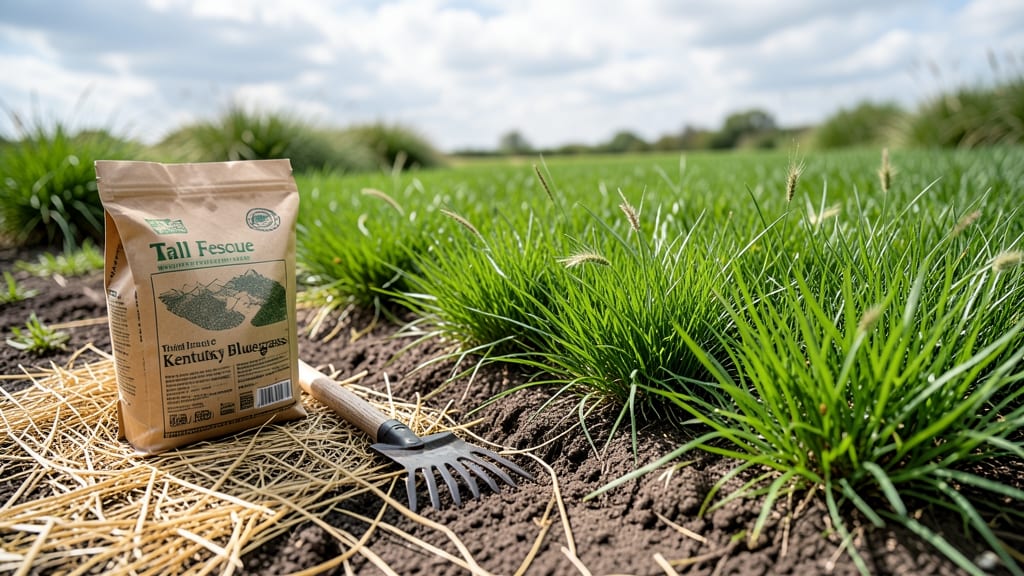
Using grass seed mulch keeps your new lawn lush while slashing water needs by up to 50%. 🌱 The right mulch protects tender seedlings from drying out and weeds from taking over—but too much can smother growth.
I learned this the hard way after my first patch of Kentucky bluegrass turned into a crispy desert. The best mulch for grass seed is lightweight and organic: straw, peat moss, or even shredded leaves work best. Avoid thick layers (¼ inch max) or you’ll trap moisture and invite disease.
Apply it gently over seeded areas once the seed is down, keeping it loose enough for sunlight to reach the soil. Within weeks, you’ll see thick, even germination with fewer weeds to pull. The mulch breaks down naturally, feeding the soil as your grass establishes strong roots.
This method works for cool-season grasses like fescue and warm-season types like Bermuda. For hot climates, reapply mulch every 2-3 weeks until germination. In cooler areas, a single application often lasts the whole season. The key is balance—just enough to protect, not enough to suffocate.
📚 In This Guide
- What you need
- Instructions
- Tips and common mistakes
- Wrapping up and next steps
What you need
- ● Grass seed: 10–20 lbs (depending on lawn size; check seed bag for coverage rates). Opt for drought-resistant varieties like tall fescue, Bermuda, or buffalo grass.
- ● Mulch (straw or wood fiber): 2–3 cubic yards (for a 1,000 sq. ft. area). Use straw mulch (not hay—it contains weed seeds!). Avoid dyed or chemically treated mulch.
- ● Garden rake: 1 (for leveling soil and distributing mulch).
- ● Broadcast spreader: 1 (for even seed distribution).
- ● Water source: Hose with adjustable nozzle or sprinkler system.
- ● Gloves & knee pads: 1 pair each (for comfort during prep).
- ● Soil tester kit: To check pH and nutrient levels before seeding.
- ● Starter fertilizer: Low-nitrogen blend (e.g., 5-10-10) to boost germination.
- ● Lawn roller: Lightweight (50–100 lbs) to press seed and mulch into soil.
- ● Weed barrier fabric: (For high-weed areas) Lay under mulch to block invasive growth.
- ● Rain gauge: To monitor watering consistency.
Step-by-Step guide to creating grass seed mulch
Here's how I make a simple, effective mulch that keeps weeds down and moisture in—no fancy tools required.
🌱 Step 1: Gather and Prepare Your Grass Clippings
Collect fresh grass clippings from your lawn after a mow, but only if they're dry—not wet or slimy. I spread them out on a tarp or clean sheet for 24 hours to dry completely. This prevents mold and ensures they'll break down evenly. Avoid clippings treated with herbicides, as they can harm new grass growth.
Once dry, use a lawnmower or sharp scissors to chop the clippings into ½-inch pieces or smaller. Finer pieces mulch faster and blend better with soil. If you have a shredder, use that instead—it saves time and creates a more uniform texture. Store the chopped clippings in a dry place until ready to use.
💧 Step 2: Spread a Thin, Even Layer Over Soil
Choose a sunny area where you want to establish new grass, like a bare patch or new lawn. Rake the soil lightly to remove debris and create a smooth surface. Spread the dried grass clippings ¼ to ½ inch thick—any thicker, and they'll smother the soil instead of feeding it.
Work in small sections to avoid missing spots. I like to use a push broom or rake to spread evenly, then lightly rake again to break up clumps. This ensures good soil contact, which helps the clippings decompose and release nutrients. Avoid piling clippings in one spot, as this can create bare patches where grass won’t grow.
☀️ Step 3: Water and Monitor for Germination
Water the area lightly but thoroughly right after spreading the mulch. The soil should be moist 1-2 inches deep—not soggy, just damp. Grass seeds need consistent moisture to germinate, so water once daily for the first 7-10 days, keeping the mulch damp but not wet. A sprinkler set on a gentle mist works best.
Watch for the first signs of green sprouts, usually within 7-14 days. If the mulch starts to break down too quickly (turning brown or clumping), add a thin layer of fresh clippings to maintain coverage. Avoid heavy foot traffic until the grass reaches 2-3 inches tall—this prevents smothering new growth.
✂️ Step 4: Maintain and Transition to Regular Lawn Care
Once the grass reaches 3-4 inches tall, mow it for the first time using a high setting (about 2.5-3 inches). This strengthens the roots and encourages dense growth. After mowing, collect the clippings and reuse them as mulch for other areas if needed—it’s free, effective, and sustainable.
Continue watering deeply 2-3 times per week, depending on rainfall, to keep the grass healthy. Over time, the mulch will decompose, enriching the soil naturally. For long-term lawn care, switch to a thin layer of straw or compost once the grass is established to prevent thatch buildup.
Tips & tricks for perfect grass seed mulch
Took me a while to figure these out, so here goes—small details make all the difference with this simple but effective mulch.
Timing Secret: That 24-hour drying period in Step 1 is non-negotiable for preventing mold. I learned this the hard way after watching clippings turn slimy and attract pests. If you're short on time, spread them out on a sunny day—the extra heat helps speed up drying. Just avoid humid conditions, which slow the process down.
Thickness Matters: The ¼ to ½ inch thickness range in Step 2 is crucial—too thin and weeds will sneak through, too thick and you'll smother new growth. I use a straight-edged board to measure thickness in tricky spots. For larger areas, work in 4-foot squares to maintain consistency.
Watering Wisdom: The gentle mist setting on your sprinkler during those first 7-10 days is key. I've seen mulch clump up when watered too heavily, creating bare spots. Test the moisture by pushing your finger 1-2 inches into the soil—it should feel like a damp sponge, not a wet sponge.
Germination Check: Those first green sprouts in 7-14 days are your reward for doing things right. If you see brown clumps instead, it means the mulch decomposed too fast—just add a fresh ¼-inch layer to maintain coverage. Avoid walking on new grass until it hits 2-3 inches tall, or you'll crush those delicate sprouts.
Pro Tips for Grass Seed Mulch
- Took me a while to figure these out, so here goes—small details make all the difference with this simple but effective mulch.
- Timing Secret: That 24-hour drying period in Step 1 is non-negotiable for preventing mold.
- Thickness Matters: The ¼ to ½ inch thickness range in Step 2 is crucial—too thin and weeds will sneak through, too thick and you'll smother new growth.
Frequently asked questions
Got questions about using grass seed mulch to protect your lawn? You’re not alone! Here are answers to the most common concerns—so you can mulch like a pro.
What’s the best time to apply grass seed mulch?
Apply mulch right after seeding (within 24–48 hours) to lock in moisture and shield seeds from birds or harsh weather. For overseeding, do it in early fall or spring when temperatures are mild (50–75°F). Avoid mulching before rain—wait until the soil is slightly damp for best results.
Can I use straw or hay instead of grass seed mulch?
Straw is a great alternative—it’s lightweight, decomposes slowly, and works well for most grasses. Avoid hay (it contains weed seeds) unless it’s certified weed-free. If using straw, choose clean, seed-free varieties like wheat or oat straw for safety.
How long should I keep the mulch on my lawn?
Leave mulch in place until new grass is 2–3 inches tall (about 3–4 weeks). Once established, you can rake it off or let it decompose naturally. Over-mulching can smother growth, so thin it if it’s too thick (aim for ¼-inch layer).
Will mulch prevent birds from eating my grass seed?
Mulch acts as a deterrent, but determined birds (like sparrows) may still peck at seeds. For extra protection, use bird netting over the area until germination. Scatter seeds under the mulch layer to bury them further—birds are less likely to dig.
What if my mulch starts to mold or smells bad?
Mold or a musty smell usually means the mulch is too thick or the area lacks airflow. Fluff it up gently with a rake to improve ventilation. If the problem persists, remove the old mulch and replace it with a thinner layer (¼ inch). Avoid waterlogging—mulch should stay damp, not soggy.
Does grass seed mulch work in hot or cold climates?
Yes! Mulch helps retain moisture in heat and insulate seeds in cold snaps. In hot climates, apply it early in the day to prevent overheating. For cold regions, use mulch to protect seeds from frost until germination. Adjust watering—mulch reduces evaporation but doesn’t eliminate the need for regular hydration.
Wrapping up and next steps
Using grass seed mulch as a lightweight, natural barrier is a game-changer for drought-prone lawns and weed control—without the hassle of heavy blankets or synthetic alternatives. 🌱 By blending seeds with mulch, you’re not just protecting your soil; you’re investing in a lush, resilient lawn that thrives with minimal effort.
Ready to transform your outdoor space?
🚀 Your Next Step:
Start small! Test a patch of your lawn this season, monitor the results, and scale up as you see success. Whether you’re a DIY enthusiast or a busy homeowner, this method is that easy—and the payoff is worth it. Happy gardening!