Propagation
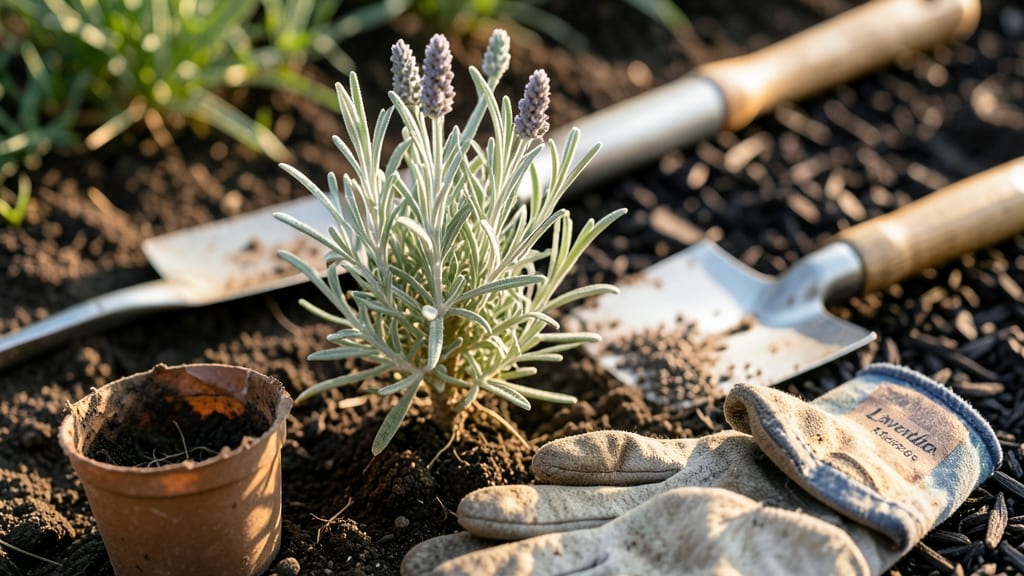
Growing lavender from seed outdoors means fast blooms—if you crack the cold stratification secret. 🌱 I’ve struggled with lavender before, but after learning this trick, my plants went from stubborn sprouts to fragrant purple spikes in just one season. The key? Mimicking winter’s chill to break dormancy before planting.
You’ll need a few simple supplies: lavender seeds (not cuttings), a plastic bag or container, damp paper towels, and patience. Planting time matters too—start seeds indoors 6-8 weeks before your last frost, then transplant after the soil warms.
Lavender thrives in full sun and well-draining soil, so avoid heavy clay. Once planted, water lightly—lavender hates soggy roots. Within 4-6 weeks, you’ll see tiny seedlings, and by summer, those first buds will form.
The fragrance alone makes it worth the wait, but the drought-resistant plants will reward you for years. This method works for English, French, or Spanish lavender—just adjust your frost dates. Skip the cold stratification, and you’ll wait 2-3 years for blooms. Don’t let that happen to you!
📚 In This Guide
- What you need
- Instructions
- Tips and common mistakes
- Wrapping up and next steps
What you need
- ● Lavender seeds: Choose high-quality, organic seeds (e.g., English, French, or Spanish lavender varieties). Aim for 50–100 seeds to start.
- ● Cold stratification supplies: Plastic bag or airtight container
- ● Moistened peat moss or coco coir (enough to cover seeds)
- ● Refrigerator (set to 35–40°F)
- ● Seed-starting mix: 1–2 gallons of well-draining, sterilized potting soil (add perlite or sand for aeration).
- ● Seed trays or small pots: 4–6 shallow containers (3–4 inches deep) with drainage holes.
- ● Grow lights or sunny windowsill: Ensure access to 6–8 hours of light daily.
- ● Misting bottle or spray nozzle (for gentle watering).
- ○ Heat mat (optional but helpful): Maintains soil warmth (65–75°F) during germination.
- ● Humidity dome or plastic wrap to retain moisture during early growth.
- ● pH testing kit (ideal soil pH: 6.0–7.5).
- ● Slow-release fertilizer (low-nitrogen, like 5-10-5 blend).
- ● Lavender-specific soil mix (pre-mixed for Mediterranean herbs).
- ● Plant labels to track varieties and planting dates.
Step-by-step instructions for growing lavender from seed outdoors
Here's how to break lavender's dormancy and get those fragrant blooms thriving in your garden.
🌱 Step 1: Collect and Prepare Seeds
Lavender seeds need cold stratification to break dormancy—this mimics winter's natural process. Collect fresh seeds from mature lavender blooms in late summer or buy pre-stratified seeds. If using fresh seeds, remove them from dried flower heads and store them in a paper envelope (plastic traps moisture and can rot seeds).
Place the envelope in a sealed plastic bag with a moistened paper towel to maintain humidity but not saturation. Store this in your refrigerator's crisper drawer for 30-60 days. Check weekly—seeds should feel slightly damp but not soggy. This cold treatment tricks the seeds into thinking winter has passed, triggering germination hormones.
🌿 Step 2: Sow Seeds in Well-Draining Soil
After stratification, fill 4-inch diameter pots with a mix of 50% potting soil and 50% perlite or coarse sand. Lavender hates soggy roots, so drainage is critical. Moisten the mix until it's damp but not wet—you should see moisture beads form on the surface but no pooling.
Sprinkle seeds lightly on the soil surface—lavender seeds are tiny, so don't bury them. Press them gently into the top layer with your fingertip. Cover the pots with clear plastic wrap to retain moisture and warmth, then place them in a bright, indirect light spot. Germination takes 2-4 weeks at 65-75°F, so be patient.
☀️ Step 3: Harden Off and Transplant Seedlings
Once seedlings have 2-3 sets of true leaves (the second pair after the initial cotyledons), remove the plastic wrap and gradually introduce them to outdoor conditions. Start by placing pots in a shaded, sheltered spot for 2-3 hours daily, then increase exposure over 10-14 days until they're outdoors full-time.
Choose a sunny location with 6+ hours of direct sun daily and well-draining soil. Lavender thrives in poor soil—amend native soil with sand or gravel if it's heavy clay. Space seedlings 12-18 inches apart to allow airflow and prevent fungal diseases. Transplant in early spring or fall to avoid summer heat stress.
💧 Step 4: Establish and Maintain Young Plants
Water newly transplanted lavender deeply but infrequently—once established, it's drought-tolerant. The first year, keep soil lightly moist (about 1 inch of water per week), but reduce watering in the second year. Overwatering is the fastest way to kill lavender—roots rot quickly in soggy conditions.
Apply a low-nitrogen fertilizer (like 5-10-10) sparingly in early spring. Too much nitrogen produces leafy growth at the expense of flowers. Prune lightly in late spring to shape plants, but avoid heavy cutting—lavender blooms on old wood. You'll see your first flowers in 2-3 years, but the wait is worth it for those signature purple spikes.
Tips & tricks for growing lavender from seed outdoors
Here's what nobody tells you about getting those purple blooms to appear faster—and how to avoid the most common pitfalls along the way.
Cold Stratification Precision: The 30-60 days in the refrigerator isn't just a suggestion—it's the difference between germination and disappointment. Use a small plastic bag with a few air holes to prevent condensation buildup, which can cause mold. I place mine on a shelf near the crisper drawer's veggie bin where temps stay consistently around 35-40°F. Check weekly by gently squeezing the paper towel—it should feel like a wrung-out sponge, not a dripping washcloth. This moisture balance is critical for breaking dormancy without rotting seeds.
Soil Mix Secret: That 50/50 potting soil to perlite/sand ratio in Step 2 is non-negotiable for lavender. I've tried adding compost, but lavender's native Mediterranean soil is poor and rocky—too much organic matter leads to root rot. Pro tip: Sterilize your perlite by baking it at 200°F for 30 minutes before mixing to kill any potential fungal spores. This extra step prevents damping-off disease that can wipe out seedlings before they even sprout.
Germination Environment: The bright, indirect light requirement in Step 2 is about more than just photosynthesis—it's about preventing leggy seedlings. Place your pots near a south-facing window where they'll get morning sun but afternoon shade. If using grow lights, keep them 6-12 inches above the pots and use a timer for 12-14 hours of light daily. Too much light intensity too soon will scorch those delicate seedlings before they've developed proper chlorophyll.
Harden Off Gradually: That 2-3 hour daily outdoor exposure in Step 3 needs to be done smartly. Start by placing pots in the shade of a tree or patio cover where they'll experience natural wind patterns. I've seen beginners rush this step by moving seedlings directly to full sun, which causes sunburn on the tender leaves. After the initial 2-3 hours, increase exposure by 30 minutes each day while monitoring for wilting—this is your plant's way of saying "too much, too soon."
Pro Tips for Growing Lavender From Seed Outdoors
- Here's what nobody tells you about getting those purple blooms to appear faster—and how to avoid the most common pitfalls along the way.
- Cold Stratification Precision: The 30-60 days in the refrigerator isn't just a suggestion—it's the difference between germination and disappointment.
- Soil Mix Secret: That 50/50 potting soil to perlite/sand ratio in Step 2 is non-negotiable for lavender.
Frequently asked questions
about growing lavender from seed outdoors—let’s clear up those curious minds!How long does it take for lavender seeds to germinate?
Patience is key! With cold stratification (the key step in this guide), lavender seeds typically germinate in 3–6 weeks. Keep soil consistently moist but not soggy—overwatering can delay sprouting. If you’re in a hurry, some gardeners use a heat mat to speed things up, but stratification is the natural (and most reliable) method.
Can I skip cold stratification for faster growth?
Not recommended! Lavender seeds have a hard seed coat that requires cold, moist conditions to break dormancy. Skipping stratification may result in little to no germination. If you’re eager for blooms, start seeds 6–8 weeks before your last frost—this gives them time to germinate, grow, and establish before winter. For zones 7+ with mild winters, you might try sowing in fall, but stratification is still critical.
Why aren’t my lavender seedlings thriving?
Common culprits include overcrowding, poor drainage, or too much shade. Lavender hates soggy roots—ensure pots have drainage holes and use a well-draining soil mix (like 50% sand or perlite). Thin seedlings to 6–12 inches apart once they’re 2–3 inches tall. If they look leggy or pale, they need more sunlight (6+ hours daily).
When will my lavender bloom from seed?
First-year seedlings won’t bloom—focus on establishing strong roots. With proper care, you’ll see flowers in year 2 or 3. Some varieties (like English lavender) may take longer than Spanish or French lavender. To encourage blooms, prune lightly after flowering and avoid heavy fertilizing (lavender prefers lean soil).
What’s the best lavender variety for beginners?
Start with hardy, low-maintenance varieties like:
- English lavender (Lavandula angustifolia) – Fragrant, cold-tolerant, and drought-resistant.
- Spanish lavender (Lavandula stoechas) – Unique purple “rabbit ears” and faster-growing.
- Grosso lavender (Lavandula x intermedia ‘Grosso’) – Larger blooms, great for cutting.
Wrapping up and next steps
Growing lavender from seed outdoors is a rewarding journey that blends patience with the joy of nurturing fragrant blooms. 🌱 By mastering cold stratification and providing the right conditions, you’ll unlock vibrant purple spires that attract pollinators and fill your garden with a soothing aroma.
Whether you’re a seasoned gardener or a curious beginner, this process is well within reach—just start small, stay consistent, and celebrate each tiny victory!
Ready to dive in? Grab your seeds, prep your soil, and take that first step toward a lavender-filled paradise! Your future garden (and future tea blends) will thank you. 🌸