
Propagation
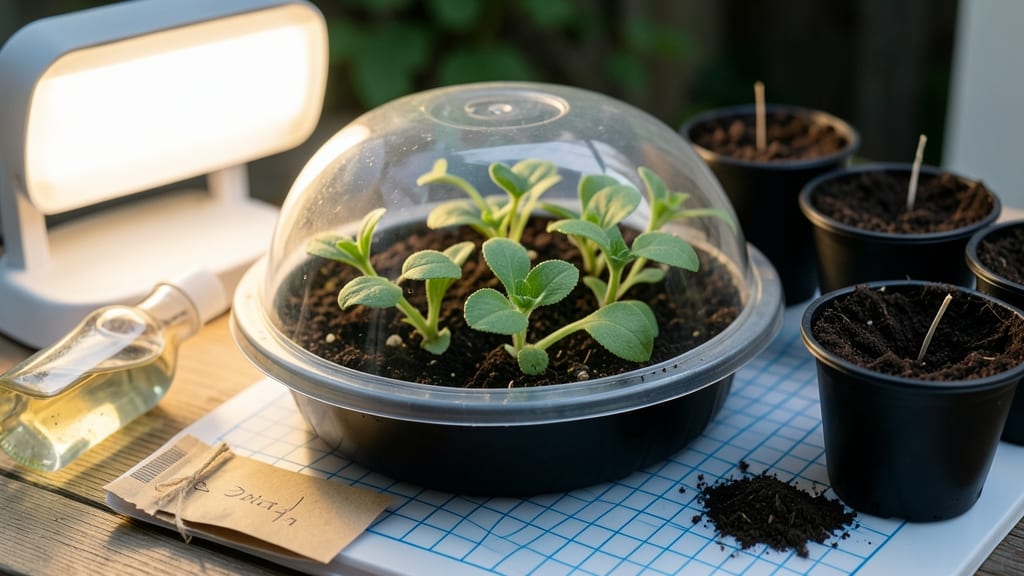
Growing zinnias from seed indoors lets you beat the heat and get a head start on vibrant summer blooms—fast germination is the secret to success. 🌱 I’ve learned that a simple heat mat trick cuts germination time from weeks to days, giving you sturdy seedlings ready for transplanting before most garden centers even stock them.
The key? Warmth, patience, and a sunny windowsill (or grow light) to keep those little sprouts reaching for the light.
You’ll need just a few supplies: zinnia seeds (choose heat-tolerant varieties like ‘Benary’s Giant’), a seed-starting tray with drainage, a heat mat (or even a warm spot on top of your fridge), and a spray bottle for gentle watering.
No fancy equipment—just a cozy environment that mimics spring soil temperatures. Most importantly, keep the soil consistently moist but never soggy, or you’ll risk damping-off, the fungal enemy of tiny seedlings.
Within 5-7 days, you’ll see those first bright green leaves unfurling—proof the heat mat trick works. As they grow, provide 12-16 hours of light daily to prevent leggy seedlings, and harden them off for a week before transplanting.
The payoff? A garden bursting with bold, long-lasting blooms that attract butterflies and last until frost. No more waiting for store-bought starts—you’ll be the first on the block with zinnias in full, fiery color.
This method works for any indoor space, from sunrooms to kitchen counters, and adapts easily to different climates. Just adjust your transplant timing to avoid late-season heat waves. Ready to grow zinnias that steal the show? Let’s get those seeds sprouting!
📚 In This Guide
- What you need
- Instructions
- Tips and common mistakes
- Wrapping up and next steps
What you need
- ● Zinnia seeds: Choose a fast-maturing variety like Zinnia elegans (e.g., 'Benary’s Giant' or 'Profusion'). Buy 1–2 packets (50–100 seeds per packet) for a good start.
- ● Seed-starting trays or pots: 2–4 shallow containers (2–3" deep) with drainage holes. Clear plastic or biodegradable peat pots work great!
- ● Seed-starting mix: 1–2 quarts of sterile, lightweight seed-starting mix (avoid garden soil—it’s too dense!).
- ● Heat mat (critical for speed!): A seedling heat mat (70–80°F range) to keep soil warm. Size depends on tray, but a 12"x24" mat covers most setups.
- ● Grow lights or sunny windowsill: A LED grow light (12–16 hours/day) or a south-facing window (6+ hours of sunlight).
- ● Spray bottle: For gentle watering (avoid drowning seeds!).
- ● Plastic wrap or humidity dome: To retain moisture until germination.
- ● Humidity tent: A clear plastic bag or DIY cover to boost warmth and moisture.
- ● Fan: A small oscillating fan (on low) to prevent damping-off disease.
- ● Thermometer: To monitor soil temp (ideal: 70–85°F for germination).
- ● Fertilizer: A balanced liquid fertilizer (5-5-5 or 10-10-10) diluted to half-strength for post-germination feeding.
- ● Plant labels: To track varieties and planting dates.
Step-by-step instructions for growing zinnias from seed indoors
Here's the method I've perfected for fast, vigorous zinnia starts—ready for transplant in weeks.
🌱 Step 1: Prepare Containers and Seed Starting Mix
Use 4-inch square pots or a seed tray with individual cells for your 4 zinnia plants. Fill each container with a sterile seed-starting mix—never garden soil, which can harbor fungus that kills delicate seedlings. I press the mix down lightly to remove air pockets, then moisten it until it feels like a damp sponge. The goal is even moisture without pooling water.
Leave about ½ inch of space between the soil surface and the pot rim. This prevents overwatering and gives seedlings room to grow without crowding. Tap each pot gently on the table to settle the soil evenly. Here's the thing—zinnias germinate best in warm soil, so if your room runs cool, this prep step ensures consistent temperatures right from the start.
🌱 Step 2: Sow Seeds at the Right Depth and Temperature
Plant 1-2 seeds per cell at a depth of just ⅛ inch—that's roughly the thickness of a dime. Zinnia seeds need light to germinate, so covering them too deeply slows everything down. I use a toothpick to make a tiny hole, drop in the seeds, then cover lightly with a pinch of soil.
Place the tray on a seedling heat mat set to 75-80°F. This warmth triggers germination in 5-7 days—half the time it takes at room temperature. Keep the soil surface moist but not soggy; a spray bottle works best to avoid disturbing seeds. Watch for the first green shoots to break through—this is your signal that the heat mat is working.
☀️ Step 3: Provide Light and Prevent Leggy Growth
As soon as you see first true leaves (not the initial seed leaves), move seedlings under grow lights for 14-16 hours daily. Zinnias need intense light to stay compact; a south-facing window won't cut it. Position the lights 2-3 inches above the plants and raise them gradually as seedlings grow.
Leggy growth is the biggest mistake here—thin, stretched stems mean weak plants. You'll spot it when leaves space out more than 1 inch apart or stems bend toward the light. If this happens, lower the lights immediately. Strong seedlings have dark green leaves and thick stems at the base.
⏰ Step 4: Harden Off and Transplant Outdoors
Two weeks before your last frost date, start hardening off by placing seedlings outside in partial shade for 1 hour daily. Gradually increase time and sun exposure over 7-10 days
Transplant on a cloudy day or in the evening to reduce stress. Bury seedlings up to their first true leaves—this encourages strong root growth. Water deeply at the base, not overhead, to prevent fungal issues. Your 4 plants will now be ready to bloom in 6-8 weeks, providing continuous color all summer. Deadhead spent blooms by pinching off flowers just above the next set of leaves. This redirects energy to new growth, ensuring nonstop blooms until frost. I also fertilize lightly every 3 weeks with a balanced liquid fertilizer to support the heavy flowering. Watch for powdery mildew in humid conditions—this is zinnias' biggest foe. If you spot white powder on leaves, treat immediately with neem oil. With proper care, your 4 plants will produce enough cut flowers for arrangements or garden beds all season long.✂️ Step 5: Maintain for Continuous Blooms
Tips & tricks for perfect zinnia seedlings indoors
Fast germination is all about precision—these tricks will help you avoid the most common pitfalls while maximizing your zinnia starts.
Soil Temperature Secret: The 75-80°F heat mat temperature is non-negotiable for fast germination, but here's the thing—consistency matters more than exact degrees. If your room runs cooler, place the tray on top of the heat mat rather than directly on it. This creates a microclimate that maintains warmth without overheating. I've seen germination times cut from 14 days to just 5-7 days using this simple adjustment.
Lighting Technique: When you move seedlings under grow lights for 14-16 hours daily, position them just 2-3 inches above the plants initially. This distance prevents burning while providing intense light. Watch for leaves touching the light fixture—this is your signal to raise them immediately. I use a simple clothespin to adjust height quickly without disturbing the seedlings.
Harden Off Gradually: The 1-hour daily hardening off period in Step 4 is perfect, but timing is everything. Start this process when your seedlings have 3-4 true leaves, not earlier. Begin with just 30 minutes on day one, then add 15 minutes each subsequent day. This slow progression prevents shock while building resilience. I always do this in the morning when temperatures are cooler—it gives plants a gentler introduction to outdoor conditions.
Equipment Upgrade: For consistent results, invest in a small digital thermometer to monitor soil temperature during germination. The 75-80°F range is ideal, but fluctuations can delay sprouting. Place the probe just below the soil surface in one of your pots to track real-time conditions. This simple tool has saved me from wasted seeds and replanting headaches.
Pro Tips for Growing Zinnias From Seed Indoors
- Fast germination is all about precision—these tricks will help you avoid the most common pitfalls while maximizing your zinnia starts.
- Soil Temperature Secret: The 75-80°F heat mat temperature is non-negotiable for fast germination, but here's the thing—consistency matters more than exact degrees.
- Lighting Technique: When you move seedlings under grow lights for 14-16 hours daily, position them just 2-3 inches above the plants initially.
Frequently asked questions
Got questions about growing zinnias from seed indoors? Here are answers to the most common ones to help you succeed!
How long does it take for zinnia seeds to germinate indoors?
With a heat mat (70–85°F), zinnia seeds typically germinate in 5–14 days. Without one, germination can take 2–3 weeks. Keep soil consistently moist but not soggy—patience is key! If no sprouts appear after 3 weeks, try gently pressing seeds into fresh, warm soil.
Can I start zinnia seeds indoors too early?
Yes, but avoid transplant shock! Start seeds 6–8 weeks before your last frost date. If you begin too early (e.g., 10+ weeks ahead), seedlings may get leggy or overcrowded. Use grow lights (14–16 hours/day) to prevent weak stems. Harden off seedlings for 1–2 weeks before moving them outdoors.
Why aren’t my zinnia seeds sprouting?
Common culprits include cold soil (zinnias need warmth!), dry seeds (soak in water for 30 mins before planting), or old seeds (store-bought seeds last 1–2 years). Try pressing seeds lightly into soil—some need darkness to germinate. If using a heat mat, ensure it’s consistently warm, not just pulsed.
Do zinnias need direct sunlight indoors?
Zinnias thrive on bright, direct light (6+ hours/day). Place seedlings near a south-facing window or use LED grow lights 6 inches above plants. Without enough light, seedlings will stretch (a condition called etiolation) and weaken. Rotate trays daily for even growth.
What’s the best temperature for indoor zinnia seedlings?
Ideal temps are 70–85°F during the day and 60–65°F at night. A heat mat (70–75°F) speeds germination, while a cool room (below 60°F) slows growth. Use a thermometer to monitor—zinnias hate sudden drafts or hot spots near vents.
Can I grow zinnias from seed without a heat mat?
Yes, but germination may take longer (2–3 weeks). Place seeds in a warm, sunny spot (like on top of the fridge) or use a DIY heat source (e.g., a warm water bottle wrapped in a towel). Keep soil consistently moist and cover trays with plastic wrap to retain humidity until sprouts appear.
Wrapping up and next steps
Growing zinnias from seed indoors is a rewarding journey that starts with patience, the right tools, and a little warmth! 🌱 With the heat mat trick, you’ll enjoy faster germination and healthier seedlings, setting the stage for vibrant blooms in your garden.
Whether you’re a beginner or a seasoned gardener, these steps make it simple—so don’t hesitate to roll up your sleeves and try it!
Your next step? Once your seedlings sprout and grow a few inches tall, it’s time to transplant them into individual pots or directly into your garden bed.
Keep an eye on their progress and soon, you’ll be surrounded by stunning zinnia blooms that’ll make your garden the talk of the neighborhood! 🌸