
Size
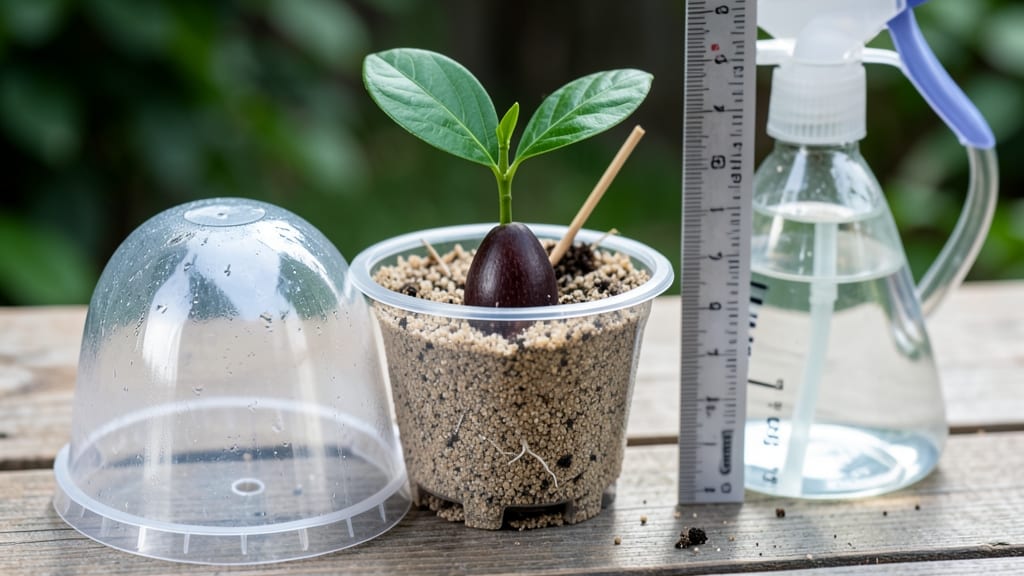
Growing an avocado seed in soil starts with a simple twist-free viability check—because not every seed will sprout. 🌱 I’ve tried this dozens of times, and the difference between success and disappointment often comes down to those first few days of preparation.
The key isn’t just planting; it’s ensuring your seed has the energy to grow before it even hits the dirt.
First, you’ll need a fresh avocado pit, a glass of water, and a little patience. The classic water-rooting method takes about 4-6 weeks before you’re ready to transplant, but the real secret is choosing a seed that’s healthy enough to begin with.
Skip the twist test if you see mold or soft spots—those seeds won’t make it. Instead, look for a firm, slightly damp pit with a tiny dimple where the seedling might emerge.
Once rooted, you’ll transfer your seedling to well-draining soil mix (equal parts potting soil and perlite) and give it bright, indirect light for the first few weeks.
The first true leaves appear in 3-4 months, and by year one, you’ll have a small tree—though fruit won’t come for 5-10 years. The payoff? A lush, tropical-looking plant that thrives in pots or gardens, even in cooler climates.
Troubleshooting is half the fun: yellow leaves mean overwatering, slow growth often signals low light, and brown tips? That’s dry air. Adjust your care, and you’ll watch your seedling grow into a 6-foot-tall avocado tree in just a few years. Here’s how to keep it alive—and thriving—through every stage.
📚 In This Guide
- What you need
- Instructions
- Tips and common mistakes
- Wrapping up and next steps
What you need
- ● Avocado seed – Fresh, firm, and preferably from a Hass avocado (best for viability). Pro tip: Test its viability first with the twist method!
- ● Well-draining potting soil – A mix of peat-based or coco coir soil (3 parts) + perlite or coarse sand (1 part). Avoid heavy garden soil.
- ○ Small pot or container – 3–4 inches in diameter with drainage holes (plastic or terracotta works). Optional: A nursery tray for multiple seeds.
- ● Toothpicks or chopsticks – 3–4 to prop up the seed while roots develop.
- ● Water – Room-temperature, chlorine-free (let tap water sit for 24 hours or use filtered water).
- ● Spray bottle – For gentle watering to avoid disturbing the seed.
- ● Clear plastic wrap or humidity dome – To maintain moisture during germination.
- ● Knife or scissors – For trimming toothpicks/chopsticks to size.
- ● Fertilizer – Balanced liquid fertilizer (5-5-5 or 10-10-10) diluted to half-strength, only after 3–4 true leaves appear.
- ● Grow lights or sunny windowsill – A south-facing window or LED grow light (12–14 hours/day) for optimal growth.
- ● Humidity tray – A shallow tray with pebbles + water to boost humidity (great for tropical plants!).
- ● Larger pot (6+ inches) – For transplanting once roots fill the small pot (after 4–6 months).
Step-by-Step guide to growing an avocado seed in soil
Here’s how to turn that pit into a thriving houseplant—no fancy tools needed.
🌱 Step 1: Test Seed Viability Before Planting
First, check if your seed will even sprout. Place three toothpicks around the pit’s middle, leaving the flat bottom exposed. Fill a glass with water until the pit floats with the flat side down and the pointed top above water. Change the water every 2-3 days—this prevents mold and keeps it fresh.
Wait until you see 1-inch roots and a 2-inch sprout from the top. This usually takes 2-6 weeks, depending on warmth. If the sprout rots or the seed stays dormant, try a new pit—some just won’t sprout. I’ve found lime pits sprout faster than Hass, so don’t get discouraged.
🪴 Step 2: Prepare the Pot and Soil
Use a 6-inch diameter pot with drainage holes—avocado roots hate soggy soil. Fill the bottom third with a mix of potting soil and perlite (half and half) to ensure airflow. The perlite keeps roots from suffocating, which is why so many beginner avocado plants fail.
Make a small hole in the center and gently place your rooted seed in, burying the base of the sprout just below the soil line. Press lightly around the edges to secure it, but don’t compact the soil too tightly. Water until moisture seeps from the drainage holes—this settles the soil and removes air pockets.
☀️ Step 3: Position for Light and Humidity
Avocado plants need bright, indirect light—think east or west window, not harsh south-facing sun. I place mine under a sheer curtain to filter light, which prevents leaf burn. If leaves start yellowing, it’s either too much sun or not enough water.
Keep humidity high by misting the leaves daily or placing the pot on a tray of pebbles with water. A humidity dome helps too, but remove it once the plant establishes roots (4-6 weeks). You’ll know it’s thriving when new leaves appear every 2-3 weeks.
💧 Step 4: Water and Fertilize Consistently
Water when the top 1-2 inches of soil feel dry. Stick your finger in—if it’s damp past your first knuckle, wait another day. Overwatering is the #1 killer of young avocado plants, so I always check before watering. Use room-temperature water to avoid shocking the roots.
Start fertilizing after 3 months with a balanced liquid fertilizer (10-10-10) diluted to half strength. Feed every 4-6 weeks during spring and summer. I skip fertilizer in fall and winter—less growth means less need for nutrients. Yellow leaves? Cut back on fertilizer and focus on water.
✂️ Step 5: Prune and Support Growth
Once your plant hits 18 inches tall, it’ll need pruning to stay balanced. Trim leggy stems just above a leaf node to encourage bushier growth. I also pinch off flower buds the first year—they drain energy better spent on root and leaf development.
If the stem leans, tie it to a small bamboo stake with soft plant ties. Avocado trees can get top-heavy, and a sudden snap is heartbreaking. Rotate the pot a quarter turn weekly so the plant grows straight toward the light, not lopsided.
Tips & tricks for growing avocado seeds in soil
Here's what nobody tells you about growing avocado seeds—these tricks saved my first plant from failure.
Water Change Routine: The 2-3 day water change schedule in Step 1 isn't just about freshness—it's about oxygen. Stagnant water creates anaerobic conditions that rot the seed. I use a small glass jar with a lid to cover the toothpicks, which keeps out dust while allowing airflow. Also, if you notice white fuzz, that's mold—toss it and start fresh with a new pit.
Soil Mix Secret: In Step 2, don't skimp on the perlite. That 50-50 mix with potting soil isn't just about drainage—it mimics the airy volcanic soil avocado trees grow in naturally. I add a handful of coarse sand too (optional) for extra grit. The goal is to prevent root rot, which is why so many beginner plants fail within weeks.
Light Positioning: For Step 3, that bright indirect light is crucial—but don't assume your kitchen window qualifies. South-facing windows can scorch leaves, while north-facing ones might not provide enough intensity. I use a simple grow light on a timer for 12 hours daily when natural light is insufficient. Watch for leaves turning yellow or crispy edges as warning signs.
Fertilizer Timing: The 3-month waiting period before fertilizing in Step 4 is non-negotiable. Young roots are delicate and can burn from concentrated nutrients. I use a weak solution—half the recommended strength—and only fertilize during active growth months. Yellowing leaves? That's your plant screaming "too much!" Cut back immediately and focus on watering instead.
Pro Tips for Grow An Avocado Seed In Soil
- Here's what nobody tells you about growing avocado seeds—these tricks saved my first plant from failure.
- Water Change Routine: The 2-3 day water change schedule in Step 1 isn't just about freshness—it's about oxygen. Stagn...
- Soil Mix Secret: In Step 2, don't skimp on the perlite. That 50-50 mix with potting soil isn't just about drainage—it...
Frequently asked questions
Got questions about growing an avocado seed? You’re not alone! Here are answers to the most common curiosities—from patience to pitfalls—so you can nurture your seed like a pro.
How long does it take for an avocado seed to sprout?
Patience is key! Most avocado seeds take 2–6 weeks to sprout after planting, depending on warmth (70–85°F) and moisture. If your seedling hasn’t sprouted in 8 weeks, it may need more light or a cozier spot. Keep the soil damp but not soggy—consistency is everything!
Can I speed up germination?
While you can’t rush nature, you can optimize conditions! Place your pot in a bright, indirect-light area (like a sunny windowsill) and maintain humidity with a plastic bag or tray of water. Avoid direct sun—it can dry out the seed too fast. Pro tip: A heat mat (set to 75°F) can help stubborn seeds wake up faster!
Why is my avocado seed rotting?
Overwatering is the #1 culprit! Avocado seeds rot when they sit in soggy soil. Let the top inch dry out between waterings, and ensure your pot has drainage holes. If mold appears, repot in fresh, well-draining soil and reduce water. Airflow matters—avoid covering the pot tightly.
Will my avocado tree ever bear fruit?
Yes—but it’s a marathon, not a sprint! Indoor-grown avocado trees from seeds typically take 5–13 years to produce fruit (if they’re even the right variety). Outdoor trees in warm climates (like Florida or California) may fruit sooner. Note: Seedlings often don’t match the parent fruit’s flavor or size—consider grafting for better results!
Can I grow an avocado seed without soil?
Some gardeners use water propagation first (keeping the seed in water until roots form) before transferring to soil. Others skip soil entirely with hydroponics or coconut coir. Just ensure roots stay moist and well-aerated. Soil is traditional but not mandatory—experiment to see what works for your space!
Wrapping up and next steps
Growing an avocado seed in soil is a rewarding journey that blends patience with the joy of nurturing life from something as simple as a pit! 🌱 With the right twist-free viability check, proper materials, and step-by-step care, you’ve got everything you need to coax a tiny tree into existence.
Remember: consistency is key—whether it’s keeping the soil moist, providing sunlight, or troubleshooting common hiccups.
Now that you’re armed with knowledge, why not take the next step? Share your progress with fellow plant enthusiasts, experiment with different soil mixes, or even try growing a second seed for comparison. Your green thumb is about to get a workout—let’s see that avocado sprout thrive! 🌟