Planting
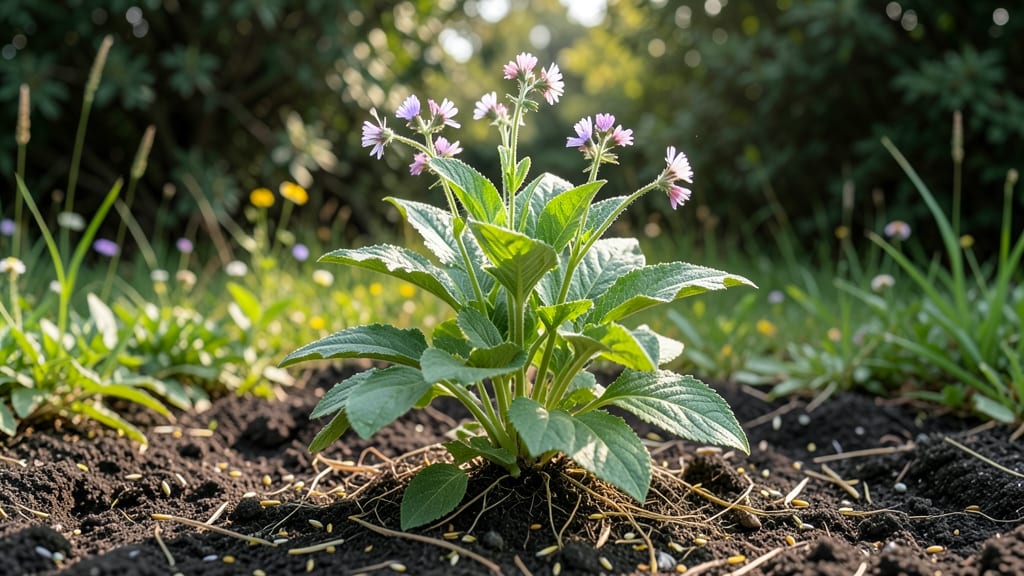
Planting wildflower seed paper transforms bare spots into vibrant meadows with just three layers—no digging required. 🌸 I’ve turned my balcony and garden edges into pollinator paradises using these simple sheets, and the results are shockingly lush even with minimal effort.
The secret lies in the paper itself: biodegradable, pre-mixed with soil and seeds, designed to dissolve when watered.
Start by choosing a sunny spot with well-draining soil—wildflowers thrive where they get at least 6 hours of sunlight daily. Scatter the seed paper directly onto prepared soil (no need to bury it), then gently press it down.
A light misting keeps the paper moist until it dissolves, releasing seeds into the soil. Water lightly for 10-14 days until sprouts appear—no soaking or heavy watering needed.
By late summer, you’ll see a burst of color and life that attracts bees, butterflies, and hummingbirds. The best part? These wildflowers return year after year, creating a self-sustaining ecosystem. Even in small spaces like windowsills or containers, the results are embarrassingly productive—just follow the three-layer rule.
Fair warning: once you start, you’ll want to plant more. The key is patience—wildflowers grow slowly at first but reward you with neighbor-jealousy levels of blooms by midseason. Perfect for beginners, urban gardeners, or anyone craving instant beauty with zero fuss.
📚 In This Guide
- What you need
- Instructions
- Tips and common mistakes
- Wrapping up and next steps
What you need
- ● Wildflower seed paper – 1 sheet (choose native species for your region for best results).
- ● Water – A spray bottle or small watering can (avoid soaking the paper).
- ● Garden soil – Loose, well-draining soil (or a small pot with drainage holes).
- ○ Optional: Mulch or compost – A light layer to retain moisture.
- ○ Optional: Small rocks or pebbles – For decorative ground cover (if planting outdoors).
- ● A sunny or partially shaded spot (most wildflowers thrive in full sun).
- ● Access to water (for initial planting and light maintenance).
- ● Patience! Wildflowers may take 2–4 weeks to sprout, depending on conditions. ✨
Step-by-step instructions for planting wildflower seed paper
Here’s how to transform seed paper into vibrant, pollinator-friendly blooms with minimal effort.
🌱 Step 1: Choose the Right Location for Planting
Select a spot that receives at least 4-6 hours of sunlight daily—wildflowers thrive where they can soak up warmth. Avoid areas with dense tree shade or heavy foot traffic, as these can smother young seedlings. I like to test soil moisture before planting: press your finger 1 inch deep into the ground. If it feels dry, that’s ideal for wildflower seed paper, which needs well-draining soil to prevent rot.
Clear any existing weeds or grass in a 6-12 inch radius around your planting area. Wildflowers compete poorly with invasive plants, so a clean start ensures better germination. If your soil is rocky or compacted, loosen it lightly with a hand fork—just enough to let roots penetrate without disturbing the seed paper’s delicate layers.
💧 Step 2: Prepare the Seed Paper for Planting
Gently unfold the seed paper and let it sit in a shaded spot for 10-15 minutes to soften slightly. This prevents tearing when you handle it. Hold the paper over a bucket or tray to catch any loose seeds—wildflower seed paper is designed to dissolve slowly, but a few seeds may detach during handling. I like to dampen the back of the paper with a spray bottle if it feels brittle, but avoid soaking it.
For best results, plant the seed paper within 1-2 hours of purchase—the longer it sits exposed, the faster it dries out. If you’re planting in dry conditions, lightly mist the soil where you’ll place it. The paper’s adhesive layer will stick best to slightly damp earth, ensuring it stays in place while the seeds germinate.
☀️ Step 3: Plant the Seed Paper Securely
Lay the seed paper directly onto the prepared soil, seed-side up, and press it firmly into place. Use your hands or a small board to smooth it out, ensuring no bubbles or wrinkles remain. The paper’s design helps seeds stay in contact with the soil, but a gentle press ensures they make direct contact with moisture. If planting in a windy area, anchor the edges with a few small rocks or a lightweight mesh.
Water the area lightly but thoroughly immediately after planting. Aim for ½ inch of water spread evenly over the seed paper—this activates the adhesive and starts the germination process. Avoid heavy watering, which can wash away seeds or dislodge the paper. You’ll know the soil is moist enough when it holds together when squeezed but doesn’t feel soggy.
🌿 Step 4: Monitor and Maintain Until Germination
Keep the planted area consistently moist for the first 2-3 weeks, but avoid overwatering—wildflower seeds rot if they sit in standing water. I set a small watering can on a timer for 5-10 minutes daily to maintain even moisture without drowning the seeds. Once the first true leaves appear (not the tiny seed leaves), you can reduce watering to once every 3-4 days, depending on rainfall.
Watch for first signs of growth in 7-14 days, though some varieties may take longer. If the seed paper starts to disintegrate before germination, don’t worry—it’s designed to break down naturally. However, if it disappears too quickly, lightly cover the area with a ¼ inch of mulch to protect emerging seedlings from drying out or bird interference.
⏰ Step 5: Care for Established Wildflowers
Once seedlings reach 2-3 inches tall, they’re ready for minimal care. Wildflowers are drought-tolerant once established, but young plants benefit from deep watering once a week during dry spells. I avoid fertilizers—wildflowers grow best in lean soil, and excess nutrients encourage leafy growth over blooms. If weeds start competing, pull them by hand before they outcompete your wildflowers.
The real magic happens in 6-8 weeks, when the first blooms appear. At this stage, you can enjoy watching pollinators like bees and butterflies visit your garden. If you planted in a visible spot, this is also the time to sit back and admire your work—wildflower seed paper is designed to deliver instant beauty with almost no upkeep.
Tips & tricks for perfect wildflower planting
Transforming seed paper into a thriving wildflower garden takes just a few thoughtful steps—and avoiding these common pitfalls makes all the difference.
Location is Everything: That 4-6 hours of sunlight requirement isn't just a suggestion—it's the difference between vibrant blooms and struggling seedlings. I've planted in partial shade before, and while some varieties might survive, they'll never reach their full potential. Test your spot with a simple trick: place a small white plate where you plan to plant and check it every hour. If it stays cool to the touch for more than 2 hours, find a sunnier location. The soil temperature should also be warm to the touch in the afternoon for best results.
Prep the Paper Like a Pro: The 10-15 minutes you spend softening the seed paper before planting prevents the most common beginner mistake—tearing. I've learned this the hard way after watching delicate seed paper shred when pulled too quickly. For extra protection, work on a soft surface like a folded towel or grass rather than concrete. And here's a secret: if your seed paper feels particularly brittle, lightly mist the back with water before handling—just enough to make it pliable, not soaked.
Watering Wisdom: That ½ inch of water immediately after planting isn't a suggestion—it's the activation step for the adhesive. Think of it like wetting a bandage before applying it to a wound. For the first 2-3 weeks, I use a spray bottle set to a fine mist rather than a heavy stream. This maintains consistent moisture without creating puddles that could drown the seeds. The soil should feel like a damp sponge—not dripping wet, not bone dry. A good test is to squeeze a handful: if water beads up slightly on your hand, you've got it right.
Patience Pays Off: Those 7-14 days until first signs of growth can feel like an eternity, but rushing the process is how I've lost entire plantings. The seed paper's natural breakdown is part of the magic—it provides nutrients as it dissolves. If you notice it disintegrating too quickly, don't panic. Simply press a ¼ inch layer of mulch (like straw or shredded leaves) over the area. This creates a microclimate that retains moisture while protecting the emerging seedlings from wind and birds. The mulch will also help prevent soil crusting that can smother tiny sprouts.
Pro Tips for Plant Wildflower Seed Paper
- Transforming seed paper into a thriving wildflower garden takes just a few thoughtful steps—and avoiding these common pitfalls makes all the difference.
- Location is Everything: That 4-6 hours of sunlight requirement isn't just a suggestion—it's the difference between vibrant blooms and struggling seedlings.
- Prep the Paper Like a Pro: The 10-15 minutes you spend softening the seed paper before planting prevents the most common beginner mistake—tearing.
Frequently asked questions
Got questions about planting wildflower seed paper? You’re not alone! Here are some of the most common queries—and their easy, eco-friendly answers.
Can I plant wildflower seed paper anywhere?
Most seed paper is designed for direct outdoor planting in well-draining soil with full sun to partial shade. Avoid dense turf or waterlogged areas—these seeds need room to grow! For containers, use lightweight potting mix and ensure drainage holes. Pro tip: Test a small patch first if you’re unsure about your site’s conditions.
How long does it take to see flowers?
Patience pays off! Most varieties bloom within 6–12 weeks after planting, though some may take longer (up to 6 months for biennials). Factors like sunlight, soil quality, and water consistency speed up the process. Check your seed paper’s label for specific timelines—some even list expected bloom colors!
Do I need to water seed paper differently?
Yes! Unlike regular seeds, seed paper dissolves faster when wet. Water lightly but frequently (2–3 times daily) for the first 7–10 days to keep it moist. Once sprouts appear (about 1–2 weeks), reduce to 1–2 deep waterings per week. Overwatering can drown delicate seedlings—aim for damp, not soggy.
What if my seed paper washes away before sprouting?
Don’t panic! Seed paper is biodegradable, so if it dissolves too quickly, the seeds may still germinate. Press a fresh sheet into the soil and water gently. For extra security, plant in a sheltered spot (like under a tree or fence) or use a light mulch (like straw) to hold it in place until roots establish.
Can I use wildflower seed paper indoors?
While possible, indoor growing is tricky. Seed paper needs 6+ hours of sunlight daily and humidity to thrive. Try a sunny windowsill with a humidity tray (pebbles + water) or a grow light. For best results, opt for outdoor planting—your wildflowers will reward you with vibrant blooms and pollinator visits!
Wrapping up and next steps
Planting wildflower seed paper is a simple yet rewarding way to bring vibrant color and life to your garden—or even a small balcony!
With just three easy layers, you can transform a patch of soil into a blooming paradise that supports local pollinators and adds beauty to your space. Now that you’re equipped with the know-how, it’s time to roll up your sleeves and get growing!
Start by choosing your perfect spot, preparing the soil, and letting nature do the rest. Watch as tiny seeds turn into a dazzling display of wildflowers—it’s magic in motion! 🌸
Next step: Mark your calendar for the blooming season and enjoy the process. Happy planting! 🌱