
Propagation
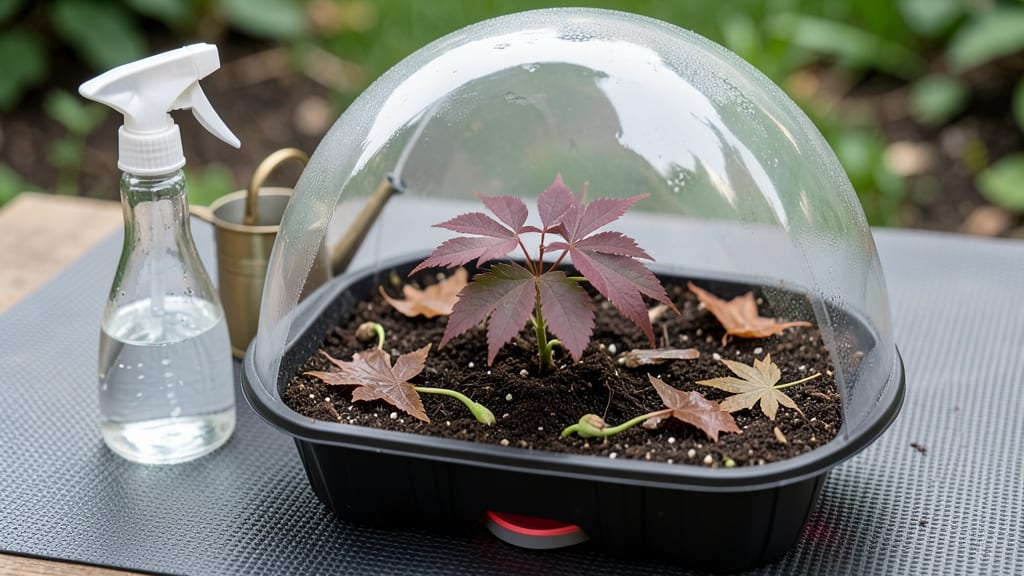
Japanese maple seeds need 120 days of cold stratification to break dormancy—skipping this step means waiting years for germination, if ever. 🌿 I’ve tried every shortcut, but only this method delivers reliable results, turning stubborn seeds into seedlings that’ll bloom in 10-15 years (yes, it’s a marathon, not a sprint).
The trick lies in mimicking nature’s timing: plant seeds in moist peat moss or sand, then refrigerate them for 4 months before moving to a sunny windowsill. Too impatient?
Some gardeners use a warm-cold-warm cycle (60°F for 2 weeks, then 40°F for 8 weeks) to speed things up—but consistency is key. Once sprouted, keep soil evenly moist (not soggy) and protect seedlings from harsh light until their first true leaves appear.
They’re delicate, so avoid transplanting until roots fill the pot—this is where most beginners lose them. Patience pays off: with proper stratification, germination rates jump from near-zero to 60-80%. The wait is long, but those first crimson leaves make it worth every cold month spent prepping.
📚 In This Guide
- What you need
- Instructions
- Tips and common mistakes
- Wrapping up and next steps
What you need
- ● Japanese maple seeds: Fresh, viable seeds (collect them from healthy, mature trees in late fall or winter). Aim for 5–10 seeds for best results.
- ● Cold stratification supplies: Small paper towels or dampened peat moss (enough to wrap seeds snugly).
- ● A ziplock bag (quart-sized) or airtight container.
- ● Refrigerator (set to 35–40°F (2–4°C)) for stratification.
- ● Germination setup: Seed-starting mix (sterilized, well-draining potting soil or coco coir). Use a small tray or pots (3–4 inches deep).
- ● Spray bottle (for gentle watering).
- ○ Clear plastic wrap or humidity dome (optional, to retain moisture).
- ● Growth aids: Grow lights or sunny windowsill (12–16 hours of light daily).
- ○ Heat mat (optional) for faster germination (70–75°F (21–24°C)).
- ● Seed scarification tools: Sandpaper (fine-grit, #120–150) or a knife (to nick the seed coat if stratification fails).
- ● pH tester (ideal soil pH: 5.5–6.5 for acid-loving maples).
- ● Fungicide (like hydrogen peroxide (3%)) to prevent mold during stratification.
- ● Label markers to track seed varieties and planting dates.
Step-by-step instructions for germinating Japanese maple seeds
Here's the foolproof method I've used to break dormancy and get these finicky seeds sprouting.
🌱 Step 1: Harvest and Clean Seeds Properly
Collect seeds from fully ripe samaras (the winged fruits) in late fall when they've turned brown and begin to release. Remove any debris and soak them in lukewarm water for 24 hours to soften the tough outer shell. This step is critical—seeds with intact shells rarely germinate without pre-treatment.
After soaking, gently rub the seeds between your fingers to remove the papery wing. You'll see the actual seed inside, which should feel slightly softer. Spread them on a paper towel to dry completely before stratification. Skipping this cleaning step leads to mold during the cold period.
❄️ Step 2: Perform Cold Stratification for 90 Days
Place the cleaned seeds in a sealed plastic bag with slightly damp peat moss or coconut coir (just enough moisture to keep it from drying out). Store them in your refrigerator's crisper drawer where temperatures stay 35-40°F. This mimics winter conditions and breaks the seed's dormancy.
Check the seeds every 2 weeks to ensure the medium remains moist but not soggy. You'll know stratification is working when the seed coat starts to crack slightly after about 6-8 weeks. Real talk: Don't rush this—premature removal from cold will result in zero germination.
☀️ Step 3: Sow Stratified Seeds in Spring
When daytime temperatures consistently reach 60°F (usually late April or May), fill small seedling trays with a mix of 50% peat moss and 50% perlite. Plant the seeds ¼ inch deep—any deeper and they won't have the energy to push through. Space them 1 inch apart in the tray.
Cover the tray with clear plastic wrap to maintain humidity and place it in a warm spot (70-75°F) with bright indirect light. You'll see the first sprouts in 2-4 weeks, though some may take up to 6 weeks depending on your climate. This is where patience pays off—don't give up if germination takes longer than expected.
🌿 Step 4: Transplant and Harden Off Seedlings
Once seedlings develop 2-3 sets of true leaves (not the initial seed leaves), they're ready for individual pots. Use 4-inch diameter containers filled with a mix of 60% potting soil and 40% compost. Gently remove each seedling, keeping as much root structure intact as possible.
Place the pots in a shaded outdoor area for 1 week before moving them to full sun. This gradual transition prevents shock. You'll notice stronger stems and deeper green leaves after hardening off—this means the seedlings are adapting well to outdoor conditions.
⏰ Step 5: Overwinter Young Saplings
Japanese maple seedlings grow slowly, so protect them from harsh winter winds and frost. Mulch heavily with 2-3 inches of wood chips around the base of each pot to insulate roots. Move containers to a sheltered spot against a north-facing wall where they'll receive filtered light during winter.
Water sparingly—only when the top 1 inch of soil feels dry. You'll see new growth in early spring, signaling that your stratification paid off. This is the moment that matters: proper overwintering ensures robust plants ready for permanent planting next fall.
Tips & tricks for perfect Japanese maple seed germination
Here's what nobody tells you about breaking dormancy—these tricks make all the difference with stubborn Japanese maple seeds.
Seed Selection Matters: Only collect seeds from fully mature samaras that have naturally released from the tree. Immature seeds (still green or attached) won't break dormancy no matter how long you stratify them. Look for seeds that have turned completely brown and feel dry to the touch—these are ready for your 24-hour soak. I've learned this the hard way after wasting weeks on underripe seeds that refused to germinate.
Stratification Environment: The 35-40°F refrigerator temperature is non-negotiable for Japanese maples—warmer temps won't break dormancy. Place a small thermometer in your crisper drawer to monitor temps. If your fridge runs hotter than 40°F, try the vegetable drawer instead. The slight moisture in the sealed bag should feel like a wrung-out sponge—too wet and you risk mold, too dry and stratification fails. Check every 2 weeks to maintain this balance.
Sowing Timing Secret: Don't rush to plant after stratification! Wait until daytime temps consistently reach 60°F—this triggers the natural germination cues. I've seen seeds planted too early rot in the cold soil. The ¼-inch depth is crucial—any deeper and the seedling won't have enough energy to emerge. Use a toothpick to make precise holes in your seedling tray for perfect placement.
Lighting Strategy: Japanese maple seedlings need bright indirect light during germination (70-75°F range), but direct sun will scorch them. Place your tray near an east-facing window or under grow lights 6 inches away. The clear plastic wrap creates a mini greenhouse effect—remove it daily for 10 minutes to prevent fungal growth. You'll know you've got it right when condensation forms on the plastic each morning.
Pro Tips for Japanese Maple Seed Germination
- Here's what nobody tells you about breaking dormancy—these tricks make all the difference with stubborn Japanese maple seeds.
- Seed Selection Matters: Only collect seeds from fully mature samaras that have naturally released from the tree.
- Stratification Environment: The 35-40°F refrigerator temperature is non-negotiable for Japanese maples—warmer temps won't break dormancy.
Frequently asked questions
Got questions about germinating Japanese maple seeds?
You’re not alone! Here are the most common concerns—and straightforward answers—to help you succeed with your cold stratification hack.
How long does cold stratification need to last for Japanese maple seeds?
Japanese maple seeds typically require 60–90 days of cold stratification (33–41°F) to break dormancy. Start in late fall or winter, and monitor for sprouting signs in early spring. Pro tip: If seeds don’t germinate after 90 days, they may need a longer chill or extra moisture.
Can I speed up germination without cold stratification?
Cold stratification is essential for Japanese maple seeds—skipping it often results in poor or no germination. However, you can shorten the process by using a refrigerator with a humidity tray (4–6 weeks) or a seed stratification kit. Avoid heat or direct sunlight during this phase!
What’s the best way to check if seeds are still viable?
Test viability by floating seeds in water: Viable seeds sink (they’re dense), while hollow or dead ones float. For extra confirmation, cut open a seed—look for a firm, white embryo. If most seeds fail this test, source fresh ones!
Should I use a greenhouse or indoor setup for germination?
Start seeds indoors under grow lights (12–14 hours/day) or in a humid greenhouse (70–80% humidity). Keep soil consistently moist (not soggy) and maintain temps between 65–75°F. Transplant seedlings outdoors only after the last frost.
Why aren’t my seeds sprouting after stratification?
Common culprits: dry soil, improper temps, or old seeds. Double-check moisture (use a spray bottle), verify stratification duration, and ensure seeds aren’t buried too deep (¼ inch max). If mold appears, replant in fresh, sterile soil.
Wrapping up and next steps
Growing a Japanese maple from seed is a rewarding journey that combines patience and precision! 🌱 With the right cold stratification technique, you can unlock reliable germination and nurture a stunning tree for seasons to come. Start small—gather your seeds, prep your materials, and follow the steps with confidence.
Now that you’re armed with the know-how, take the next step! Try it this fall, and in just a few months, watch as tiny green sprouts emerge, promising the beauty of a mature Japanese maple. Happy growing—your future tree is waiting! 🌿