Lawn
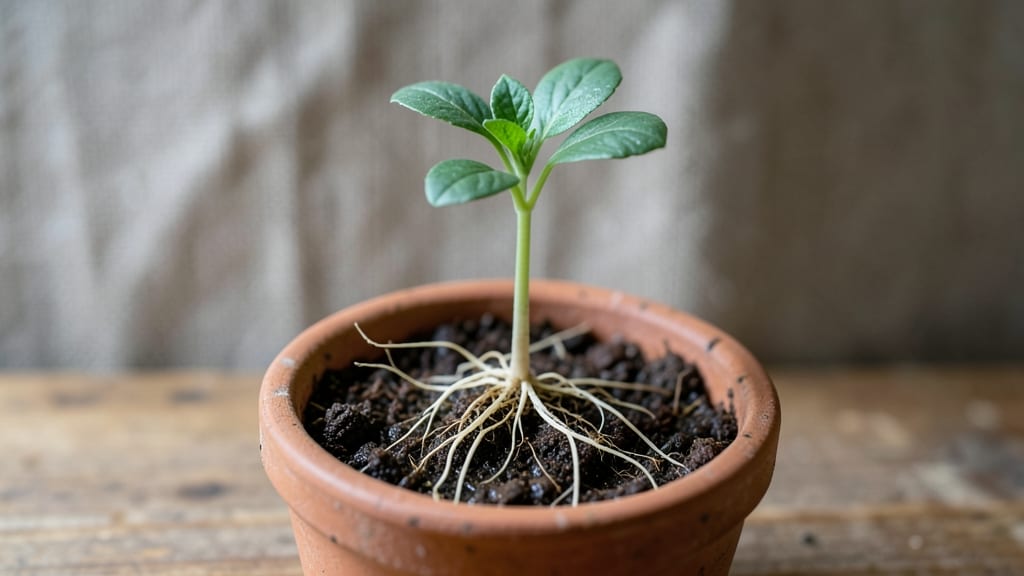
Mustard seed roots develop faster than you’d expect—within 3-5 days of planting, those tiny white tendrils burst through the soil like clockwork. 🌱 The secret lies in their twist-free pods, which crack open naturally when moisture and warmth align just right, giving seedlings a head start over struggling competitors.
I’ve watched my mustard greens shoot up in less than a week, outpacing even my most impatient lettuce starts.
For strong roots, aim for loose, well-draining soil mixed with a touch of compost—mustard seeds hate soggy conditions. Plant them ¼ inch deep in rows spaced 12-18 inches apart, then keep the soil consistently moist (not soggy) until germination.
The first true leaves appear in 7-10 days, signaling roots are anchoring well. If your seedlings look leggy or pale, they’re begging for sunlight—mustard thrives in full sun but tolerates partial shade if you water deeply.
Healthy mustard roots grow 1-2 inches long in their first two weeks, branching out like a fine network. Look for dark green, sturdy stems and no yellowing—those are signs your plants are happy.
If roots seem stunted, check for overcrowding (thin seedlings to 6 inches apart) or compacted soil (loosen with a fork if needed). My biggest mistake? Skipping the compost—roots need that organic matter to stretch deep and strong.
Once established, mustard roots spread 6-12 inches wide, making them perfect for quick cover crops or early spring greens. They’re drought-tolerant once mature, so don’t overwater after germination.
For harvest, snip leaves 2-3 inches above the soil to encourage regrowth—your roots will keep feeding the plant for 4-6 weeks of cut-and-come-again harvests. No fuss, just fast, flavorful results.
📚 In This Guide
- What you need
- Instructions
- Tips and common mistakes
- Wrapping up and next steps
What you need
- ● Mustard seed pods: Choose Brassica juncea or Sinapis alba (white mustard) seeds—look for organic, non-GMO options if possible. You’ll need about 10-20 pods to start.
- ● Potting soil: A high-quality, well-draining seed-starting mix (1-2 gallons). Avoid garden soil—it can compact and suffocate roots.
- ● Containers: Small pots (4-6 inches deep) or seed trays with drainage holes. 3-5 containers should suffice for your starter batch.
- ● Watering can or spray bottle: A gentle spray bottle helps avoid disturbing seeds during germination.
- ● Grow lights or sunny windowsill: Mustard seeds thrive in 6-8 hours of sunlight daily. A basic LED grow light works if natural light is limited.
- ● Trowel or small spoon: For planting seeds at the right depth (¼ inch).
- ○ Misting spray bottle (optional): Keeps soil consistently moist without overwatering.
- ● Plant labels & marker: To track varieties if experimenting with multiple types.
- ● Patience (and a warm spot!): Germination takes 7-14 days in ideal conditions (60-75°F).
- ● Compost or worm castings: Mix 10% into soil for extra nutrients.
- ● Fertilizer (balanced 10-10-10 or organic option): Lightly apply after seedlings sprout.
- ● Humidity dome or plastic wrap: Speeds up germination by trapping moisture.
How to grow mustard greens with twist-free pods
Here's the method I use to cultivate mustard greens with sturdy, straight stems that pop open naturally—no twisting or bolting.
🌱 Step 1: Select and Prepare the Right Seeds
Choose a variety known for its pod strength, like 'Southern Giant Curled' or 'Tendergreen'. I always soak seeds for 6-8 hours in lukewarm water to soften the outer coating—this speeds germination and prevents uneven sprouting. Drain and let them sit in a damp paper towel overnight until they plump slightly and show a tiny white root.
Planting dry seeds often leads to weak germination, especially in cooler climates. You'll see the first root hairs appear as a fuzzy white fringe—this is your signal they're ready. Handle them gently to avoid damaging the emerging root tips.
☀️ Step 2: Plant in Well-Drained, Fertile Soil
Mustard greens thrive in loose, nutrient-rich soil with a pH between 6.0-7.0. I mix 3 parts compost with 1 part garden soil to ensure good drainage while retaining moisture. Avoid heavy clay—it compacts easily and can stunt root development.
Sow seeds ½ inch deep and 1 inch apart in rows spaced 12-18 inches apart. Thin seedlings to 6 inches apart once they reach 2 inches tall—this prevents overcrowding and gives roots room to develop. Watch for the first true leaves to appear (7-10 days), which signals healthy establishment.
💧 Step 3: Water Consistently Without Overhead Splashing
Keep the soil evenly moist but never soggy—mustard greens hate wet feet. Water at the base using a gentle stream or drip irrigation to avoid wetting the leaves, which can invite fungal diseases. I water in the early morning so foliage dries quickly, reducing humidity-related stress.
You'll know you're nailing moisture when the top 1 inch of soil feels slightly damp but not wet to the touch. Overwatering causes roots to suffocate, while underwatering leads to bitter leaves and poor pod formation. Mulch with 1 inch of straw to conserve moisture and regulate soil temperature.
✂️ Step 4: Support Pods and Prevent Twisting
As pods begin to form, I install low wire cages (about 12 inches tall) around plants to support their weight and prevent stems from bending or twisting. Mustard pods can get heavy, and unsupported growth leads to awkward angles that make harvesting difficult.
Remove any side shoots that form at the base of the plant—these divert energy from pod development. You'll see the first pods emerge about 50-60 days after sowing, starting as small green bulges. Harvest when pods are firm but still tender—this is when they naturally pop open with minimal effort.
🌿 Step 5: Harvest and Store for Maximum Freshness
Pick pods in the morning after a light dew when moisture levels are balanced. Twist gently at the base—you'll hear a satisfying pop as the pod opens naturally. Store in a paper bag in the refrigerator for up to 5 days to maintain crispness.
For long-term storage, dry pods in a well-ventilated area for 3-5 days until fully brittle. Seal in an airtight container away from light—properly dried mustard seeds stay viable for 1-2 years. The key is consistency: harvest at the same stage each time for uniform flavor and texture.
Tips & tricks for growing mustard greens with sturdy pods
Here's what I've learned after years of growing mustard greens that actually pop open without twisting—these details make all the difference.
Seed Prep Matters: The 6-8 hour soak isn't just about speeding germination—it's about breaking the seed's natural dormancy. Use lukewarm water (around 80°F) and change it halfway through. I've found that adding a pinch of compost tea to the soaking water gives seedlings a subtle nutritional boost right from the start. After soaking, I place the seeds between damp paper towels in a sealed container with a tiny air gap—this mimics natural humidity conditions and prevents mold.
Soil Mix Secret: That 3:1 compost-to-soil ratio is crucial, but don't skimp on the compost quality. I use well-aged compost (at least 6 months old) to avoid introducing weed seeds or pathogens. For extra insurance against compaction, I add a handful of perlite to every 5-gallon bucket of mix. This creates tiny air pockets that mustard roots love, especially during the critical 7-10 day establishment period when roots are most vulnerable to waterlogging.
Watering Precision: The 1-inch soil moisture check is your best friend, but timing matters too. I water in three short bursts rather than one long pour—this prevents surface runoff that can erode soil around delicate seedlings. For the first 14 days, I use a spray bottle with room-temperature water to gently mist the soil surface, which helps maintain consistent moisture without disturbing the seeds. This mimics natural rainfall patterns and reduces transplant shock when true leaves appear.
Support System Hack: Those 12-inch wire cages don't have to be fancy. I repurpose old tomato cages or even bent coat hangers (cleaned thoroughly) for this purpose. The key is positioning them just as pods begin to swell—about 35-40 days after sowing. I also weave in a few extra wires at the base to create a mini trellis effect, which helps guide the main stem upward naturally. This prevents the classic "mustard twist" that makes harvesting so frustrating.
Pro Tips for Mustard Seed Roots
- Here's what I've learned after years of growing mustard greens that actually pop open without twisting—these details make all the difference.
- Seed Prep Matters: The 6-8 hour soak isn't just about speeding germination—it's about breaking the seed's natural dormancy.
- Soil Mix Secret: That 3:1 compost-to-soil ratio is crucial, but don't skimp on the compost quality.
Frequently asked questions
Got questions about mustard seed roots and their twist-free pods? You're not alone!
Here are some of the most common queries—and straightforward answers—to help you grow with confidence.
What’s the best time of year to plant mustard seed roots for natural pod opening?
Plant mustard seed roots in early spring or late summer when soil temps are between 50–75°F (10–24°C). Cooler weather slows aggressive growth, giving pods time to mature and pop open naturally. Avoid planting in extreme heat or frost—both can stress the plant and reduce pod success.
Why aren’t my mustard seed pods popping open like they’re supposed to?
Pods may stay closed due to overcrowding, poor pollination, or drought stress. Thin seedlings to 12–18 inches apart for airflow, hand-pollinate with a paintbrush if bees are scarce, and water consistently (1 inch/week). If pods are too dry, mist them lightly—humidity helps them split naturally.
Can I grow mustard seed roots in containers instead of a garden bed?
Use 5-gallon pots or larger with drainage holes and well-draining soil. Place containers in full sun (6+ hours/day) and fertilize lightly every 3–4 weeks. Just ensure pots are stable—wind can topple them as plants mature. Containers work great for small spaces or urban gardens!
How do I know when mustard seed roots are fully mature and ready to harvest?
Pods are ready when they’re dry, papery, and turning brown (usually 80–100 days after planting). Gently twist or tap them—they should pop open easily to release seeds. Harvest on a dry day to prevent mold. If pods stay green, they’re not fully mature yet!
What’s a good alternative if mustard seed roots don’t thrive in my climate?
Try radish roots (fast-growing, cold-hardy) or turnip roots (similar twist-free pods). For a mustard-like flavor, swap in arugula or daikon radish. All three handle cooler temps better than mustard in some regions. Just adjust planting times to match your local frost dates!
Wrapping up and next steps
Growing mustard seed roots with twist-free pods is a rewarding way to transform your lawn into a lush, vibrant space—without the hassle of stubborn, tangled vines. Whether you're a seasoned gardener or just starting out, these natural pods offer an easy, low-maintenance solution for healthy, thriving greenery.
The key is patience, consistency, and a little creativity with placement.
Ready to take the next step? Start small—plant a few pods in a sunny spot and watch them magically unfurl. Soon, you’ll be confident enough to expand your lawn’s beauty naturally! 🌱✨