
Propagation
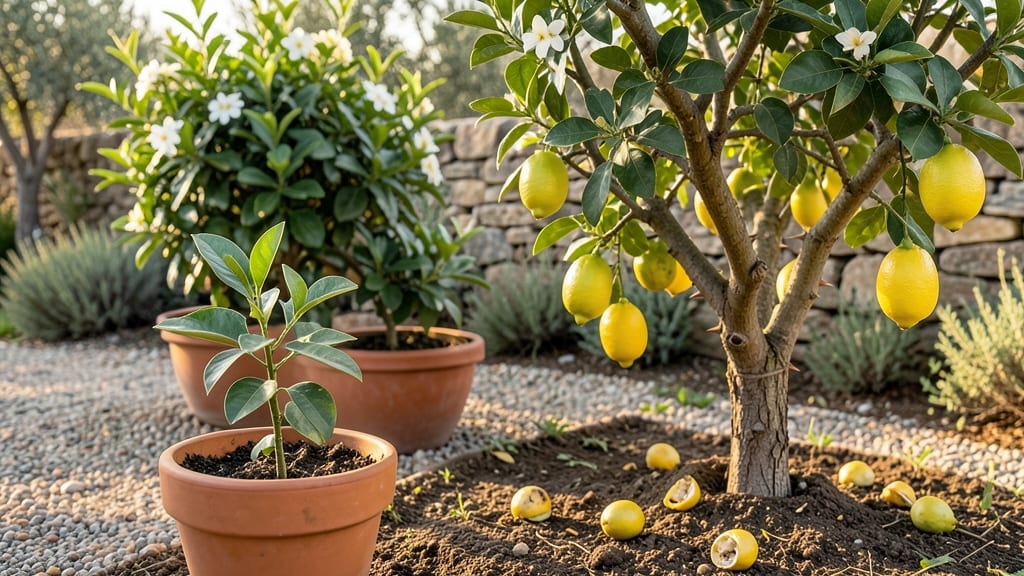
Growing a lemon tree from seed to fruit is one of those gardening adventures that feels like magic—until you know the secrets. 🌱 I've watched my kitchen scraps turn into fragrant, sun-drenched trees that produce real lemons within a few years, and I'm here to show you how to skip the nursery and grow your own citrus from the pit of a store-bought fruit.
The process starts with patience: those tiny seeds need warmth, moisture, and just the right soil mix to break dormancy. Most people quit here, assuming it'll never happen—but with the right setup, you'll see sprouts in 4-6 weeks.
After that, it's about sunlight, pruning, and understanding how citrus trees grow differently from other houseplants.
By year three, you could be harvesting your first lemons—bright, tart, and sweeter than anything you've ever bought. The tree stays productive for decades, giving you year-round harvests if you keep it indoors or protect it from frost.
There's nothing quite like the smell of fresh lemon blossoms in spring or the satisfaction of using homegrown fruit in your kitchen.
This method works in containers or in-ground, whether you live in a warm climate or need to overwinter your tree. Let's get those seeds started—they're waiting for you to give them a chance to grow into something extraordinary.
📚 In This Guide
- What you need
- Instructions
- Tips and common mistakes
- Wrapping up and next steps
What you need
- ● Lemon seeds: 3–5 fresh, plump seeds from a ripe, organic lemon (avoid hybrid lemons like Meyer, as they may not produce true fruit).
- ● Seed-starting mix: 1 small pot (4–6 inches in diameter) filled with sterile, well-draining potting soil (e.g., a mix of peat moss, perlite, and coconut coir).
- ● Plastic container or seed tray: With drainage holes (or a repurposed yogurt cup with holes poked in the bottom).
- ● Spray bottle: For gentle watering (avoid over-saturating the soil).
- ● Plastic wrap or humidity dome: To create a mini greenhouse effect while germinating.
- ● Grow lights or sunny windowsill: A south-facing window or a 12–16 hour LED grow light for seedlings.
- ● Fertilizer: A balanced, water-soluble fertilizer (e.g., 10-10-10) or organic options like fish emulsion or compost tea (diluted to half-strength).
- ● Larger pots (6–12 inches): With drainage holes for transplanting as the seedling grows.
- ● Well-draining potting soil: A mix designed for citrus or Mediterranean plants (add perlite or sand for extra drainage).
- ● Pruning shears: For shaping and maintaining the tree as it matures.
- ○ Rooting hormone: To boost germination success (optional but recommended for tricky seeds).
- ● Calcium supplement: Like crushed eggshells or a calcium nitrate solution to prevent blossom end rot in fruit.
- ● Citrus-specific fertilizer: High in nitrogen for early growth, then switch to a bloom-boosting formula (e.g., 5-10-10).
- ● Mulch: Organic mulch (e.g., straw or wood chips) to retain moisture and regulate soil temperature.
- ● Humidifier or pebble tray: To maintain humidity, especially in dry climates.
- ● pH test kit: To monitor soil acidity (lemons thrive in slightly acidic soil, pH 6.0–7.0).
Step-by-step guide to growing a lemon tree from seed to fruit
Here's how to nurture a lemon tree from a tiny seed into a fruiting plant with patience and the right care.
🌱 Step 1: Extract and Prepare the Seed
Start with a fresh, organic lemon—conventional ones are often treated to prevent sprouting. Cut the fruit in half and scoop out the seeds, rinsing them gently to remove any pulp. Place them on a paper towel to dry for 24 hours—this prevents mold when you plant.
I like to soak the seeds in lukewarm water for 12 hours before planting. This softens the outer coating and speeds up germination. You'll see tiny cracks in the seed coat after soaking—that's your signal they're ready to sprout.
🪴 Step 2: Plant the Seeds in a Well-Draining Mix
Fill a small pot (at least 4 inches deep) with a mix of 50% potting soil and 50% perlite or coarse sand. This ensures drainage—citrus roots rot easily in soggy soil. Plant the seeds ½ inch deep, spacing them 1 inch apart if planting multiple.
Cover the pot with plastic wrap to retain moisture and warmth, placing it in a spot with indirect light. Germination takes 2-4 weeks—keep the soil consistently moist but never waterlogged. You'll know it's working when you see tiny green shoots pushing through the soil.
☀️ Step 3: Transplant and Provide Full Sun
Once seedlings have 2-3 true leaves (not just the initial seed leaves), transplant them into individual 6-inch pots with the same well-draining mix. Lemon trees need full sun—6+ hours daily. A south-facing window or grow light works for indoor starts.
Rotate the pot a quarter turn weekly so the plant grows straight, not leaning toward the light. If leaves yellow, it’s often overwatering—let the top inch of soil dry out between waterings. You’ll see new growth within 4-6 weeks if conditions are right.
✂️ Step 4: Prune and Fertilize for Fruit Production
When the seedling reaches 12 inches tall, prune the top set of leaves to encourage bushier growth. Citrus trees need balanced fertilizer (like 10-10-10) every 2 months in spring and summer. Stop fertilizing in fall to let the tree rest.
Here’s the thing—lemon trees from seed take 3-5 years to fruit. Patience is key! You’ll know it’s ready when you see white blossoms in spring. Remove any fruit that appears in the first year—let the tree focus on growing strong before bearing.
🌿 Step 5: Overwinter and Protect for Year-Round Growth
If growing indoors, move the tree near a bright window or under grow lights during winter. Citrus trees need 60-70°F temperatures—keep it away from drafts or heaters. Outdoor trees in colder zones need winter protection, like moving pots indoors or covering with frost cloth.
Water sparingly in winter—only when the top 2 inches of soil are dry. You’ll see new growth in spring, and with proper care, your lemon tree will eventually reward you with fragrant blossoms and tart fruit. It’s a long game, but oh-so-sweet!
Tips & tricks for growing a thriving lemon tree from seed
Growing a lemon tree from seed is a rewarding journey that demands patience and attention to detail. Here are the key insights I've learned that'll help you nurture your citrus plant through every stage.
Seed Preparation: After extracting the seeds, I've found that the 24-hour drying period is non-negotiable for preventing mold. Place them on a paper towel in a single layer, and avoid stacking them—this ensures even drying. For the 12-hour soak, use lukewarm water (around 70°F) rather than hot water, which can damage the delicate seed coats. You'll know they're ready when you see those tiny cracks forming—this is your green light to plant!
Germination Environment: The 2-4 week germination window can feel like an eternity, but consistency is key. I've had the most success using clear plastic containers with lids to create a mini greenhouse effect. Place them in indirect light—direct sun at this stage can overheat the seeds. Check moisture daily; the soil should feel like a damp sponge, not a soggy mess. A spray bottle makes this easier than watering from above.
Transplanting Technique: When your seedlings develop 2-3 true leaves, it's time to transplant. Use your finger to gently loosen the soil around the roots before moving them to their new 6-inch pots. This minimizes root shock. I've learned the hard way that lemon trees hate soggy roots—make sure those drainage holes are working properly, and always use the 50/50 soil mix specified. After transplanting, give your seedlings a week to acclimate before introducing them to full sun.
Long-Term Care Strategy: The 3-5 year wait for fruit might seem daunting, but proper care during these years makes all the difference. I've found that rotating pots weekly prevents that lopsided growth we all hate. For fertilization, I stick to the 2-month schedule in spring/summer, but I've started adding a tablespoon of Epsom salt to the fertilizer mix every other feeding—it's given my trees an extra boost of magnesium, which helps with that vibrant green color citrus lovers adore.
Pro Tips for Lemon From Seed To Fruit
- Growing a lemon tree from seed is a rewarding journey that demands patience and attention to detail. Here are the key...
- Seed Preparation: After extracting the seeds, I've found that the 24-hour drying period is non-negotiable for prevent...
- Germination Environment: The 2-4 week germination window can feel like an eternity, but consistency is key. I've had ...
Frequently asked questions
Got questions about growing lemons from seed to fruit?
You’re not alone! Here are the most common queries—and straightforward answers—to help you crush any doubts and keep your citrus journey smooth.
How long does it take for a lemon seed to grow into a fruit-bearing tree?
Patience is key! A lemon tree grown from seed typically takes 3–5 years to produce fruit, though some may bloom earlier under ideal conditions (warmth, full sun, and consistent care). Seed-grown trees may also take longer to bear fruit than grafted varieties, so don’t rush—enjoy the process!
Can I grow a lemon tree indoors, or does it need outdoor conditions?
but with caveats! Lemon trees thrive outdoors in USDA Zones 9–11, but you can grow them indoors in pots with bright, indirect light (south-facing windows or grow lights). Just ensure they get 6+ hours of sunlight daily and move them outside during warmer months for pollination.
What should I do if my lemon tree’s leaves turn yellow or drop?
Yellowing leaves or leaf drop usually signal overwatering, underwatering, or nutrient deficiencies. Check the soil moisture—it should be dry to the touch 1–2 inches down. Also, ensure proper drainage and fertilize with a citrus-specific blend every 2–3 months. Pests like spider mites can also cause stress—inspect leaves regularly!
Do lemon seeds from store-bought lemons always grow true to type?
Not always! Seeds from store-bought lemons may produce hybrid or less predictable varieties due to cross-pollination. For more reliable results, use seeds from organic, heirloom, or seed-saving lemons. If consistency matters, consider grafting or buying a grafted tree from a nursery.
Can I eat lemons from a seed-grown tree, or are they different from grocery-store lemons?
Yes, you can eat them—but expect smaller, fewer, and sometimes tartier fruit than commercial varieties. Seed-grown lemons may also have thinner skins or less juice. For sweeter, more abundant harvests, graft your seedling onto a Meyer lemon or Eureka lemon rootstock.
Pro Tip:
Need a quick fix for slow growth? Try pruning to encourage bushier growth and hand-pollinating flowers with a soft brush to boost fruit set. And remember—patience pays off!
Wrapping up and next steps
Growing a lemon tree from seed to fruit is a rewarding journey that blends patience, care, and a touch of citrus magic! 🌱✨ From nurturing your tiny seedling to savoring homegrown lemons, every step is a celebration of nature’s bounty.
Whether you’re a seasoned gardener or a curious beginner, your lemon tree now holds the promise of year-round harvests—just imagine the tangy, fresh lemons straight from your backyard!
Ready to take the next step? Start by expanding your citrus collection—try grafting new varieties onto your thriving tree for even more flavor possibilities.
Or, share your newfound knowledge with fellow plant enthusiasts and inspire them to grow their own! 🌟 Your lemon tree isn’t just a plant; it’s the start of a delicious, ever-growing adventure.