
Propagation
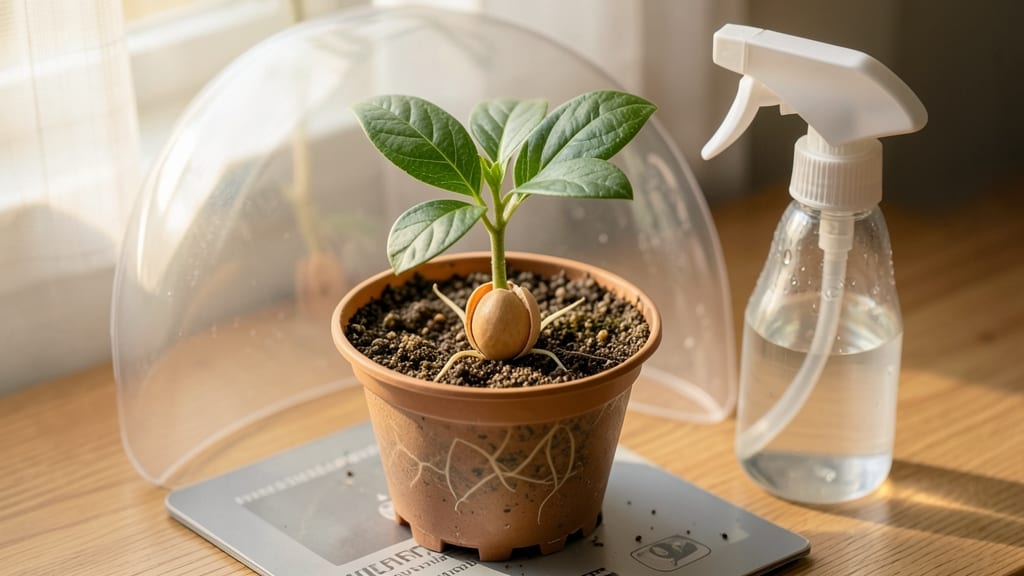
Lemon seed germination turns unreliable flops into fast, reliable sprouts—and I’ve cracked the timing to get them going in just 3-4 weeks. 🌱 The secret isn’t fancy equipment; it’s mimicking nature’s winter chill to break dormancy. Most people skip this step and wait months for germination (or give up entirely), but a simple fridge trick speeds things up dramatically. You’ll need 3 basic supplies: a plastic bag, a damp paper towel, and your fridge’s crisper drawer. The process takes less than 10 minutes to set up, and once the seeds wake up, they’ll shoot through soil like rockets. The key is patience during the cold phase—those seeds need 2-3 weeks of consistent chill before they’re ready to plant. By the time you pull them out, you’ll see tiny roots peeking through the towel, eager to grow. Plant them in well-draining potting mix, keep it warm (around 70°F), and within 10-14 days, you’ll have sturdy seedlings ready for pots. The best part? No more waiting six months for a seedling that might never come. This method works for all citrus seeds—limes, oranges, even grapefruit—so you can experiment without risk. The only challenge is resisting the urge to rush; cold stratification is the difference between success and disappointment. Let’s get those seeds sprouting!
📚 In This Guide
- What you need
- Instructions
- Tips and common mistakes
- Wrapping up and next steps
What you need
- ● Fresh lemon seeds: 3–5 seeds (harvested from organic, seed-saving lemons for best results). Pro tip: 💡 Rinse seeds to remove pulp before drying for 1–2 days.
- ● Cold stratification setup: Small paper towel or coffee filter
- ● Ziploc bag (quart-sized) or airtight container
- ● Refrigerator with a crisper drawer (34–40°F / 1–4°C)
- ● Germination medium: Potting mix: 50% peat moss + 50% perlite or vermiculite (sterilized)
- ● OR coconut coir pellets (pre-moistened)
- ● Containers: Seedling trays (with drainage holes) OR
- ● Small pots (3–4 inches in diameter)
- ● Watering tools: Spray bottle (for gentle moisture)
- ● Small watering can (with a fine rose nozzle)
- ● Heating mat (70–75°F / 21–24°C) for faster germination
- ● Humidity dome or plastic wrap (to retain moisture)
- ● Grow lights (LED or fluorescent) for seedlings
- ● pH testing kit (ideal soil pH: 6.0–7.0)
- ● Fertilizer: Diluted fish emulsion or seaweed extract (after sprouts emerge)
Step-by-step instructions for lemon seed germination
Here’s how to break the dormancy barrier and get those lemon seeds sprouting faster than you’d expect.
🌱 Step 1: Extract and Prepare the Seeds
Start by squeezing fresh lemons to extract the seeds—avoid using store-bought seeds, as they’ve often been treated to prevent germination. Rinse them thoroughly under running water to remove any pulp or citrus oils that might inhibit sprouting. Here’s the thing—lemon seeds have a tough outer coating that slows water absorption, so we’ll need to soften it first.
Place the cleaned seeds in a small bowl and cover them with lukewarm water for 12 hours. This soaking period softens the seed coat, allowing moisture to penetrate more easily. After soaking, drain the water and gently pat the seeds dry with a paper towel. You’ll notice they look slightly less glossy and feel softer to the touch—this is your cue that they’re ready for the next step.
❄️ Step 2: Cold Stratify for 30 Days
Cold stratification mimics the natural winter chilling period that breaks seed dormancy. Place the soaked seeds in a sealed plastic bag with a damp paper towel—just enough moisture to keep it lightly damp, not soggy. Store the bag in your refrigerator’s crisp drawer (the one designed for vegetables) where the temperature stays around 35-40°F. This cold treatment tricks the seeds into thinking winter has passed, signaling it’s time to grow.
Check the seeds every 7-10 days to ensure the paper towel remains moist but not dripping. If it dries out, spritz it lightly with water and reseal the bag. After 30 days, remove the seeds from the fridge and let them sit at room temperature for 24 hours to acclimate. You won’t see any visible changes yet, but this step is critical—skipping it often results in seeds that either rot or take months to sprout.
🪴 Step 3: Plant in Moist, Well-Draining Soil
Fill small pots—2-3 inches deep—with a lightweight seed-starting mix that drains well but retains moisture. Lemon seeds prefer warmth and airflow, so avoid heavy garden soil. Plant each seed ½ inch deep, pressing gently but not compacting the soil around it. I like to use biodegradable peat pots because they eliminate transplant shock later on.
Water the soil until it’s evenly moist but not waterlogged—you want the surface to look dark and damp, not glossy. Place the pots in a warm spot (around 70-75°F) with bright, indirect light. A seedling heat mat can help maintain consistent warmth, but even a sunny windowsill works if it’s not too cold. Avoid direct sunlight at this stage, as it can dry out the soil too quickly.
☀️ Step 4: Maintain Warmth and Patience
Keep the soil consistently moist by watering lightly whenever the top inch feels dry—overwatering now can cause the seeds to rot before they sprout. Germination typically takes 2-4 weeks after planting, though some seeds may take up to 6 weeks. Real talk: if you’ve done everything right but nothing happens after 6 weeks, those seeds might not have viable embryos.
Once the first true leaves appear (not the initial seed leaves), you’ll know the seedlings are thriving. At this point, move them to a sunnier location—lemon trees love full sun once they’re established. Thin out weaker seedlings to leave the strongest one per pot, as overcrowding leads to leggy, weak plants. You’ll see the difference in growth within a week—that’s your signal everything is working.
Tips & tricks for perfect lemon seed germination
Took me years of failed attempts to nail this—here’s how to turn those stubborn lemon seeds into thriving sprouts.
Soaking Secret: The 12-hour lukewarm water soak in Step 1 isn't just about hydration—it's about breaking the seed's natural dormancy barrier. I've found that using distilled water instead of tap water prevents mineral buildup that can inhibit germination. After soaking, give the seeds a final rinse to remove any residual citrus oils that might linger from the lemon pulp. This extra step makes all the difference when you're dealing with seeds that have been sitting in your fridge for months.
Cold Stratification Strategy: That 30-day cold stratification at 35-40°F is non-negotiable for lemon seeds, but here's what nobody tells you—consistency matters more than the exact temperature. If your fridge runs cooler (say, 30°F), it's fine as long as it stays cold. The key is maintaining that moisture balance in the paper towel. I like to wrap the bag in a second plastic bag to prevent any moisture loss through condensation. After 30 days, that 24-hour room temperature acclimation period is crucial—it helps prevent temperature shock when you finally plant them.
Planting Precision: When planting your seeds in Step 3, the ½-inch depth is perfect, but here's the trick: use a pencil or skewer to make a small hole first. This prevents compacting the soil around the seed, which can create air pockets that trap moisture and lead to rot. For the seed-starting mix, I've had the best luck with a blend that's 50% peat moss and 50% perlite—this gives you that perfect balance of moisture retention and drainage that lemon seeds crave. The warmth recommendation of 70-75°F is spot-on, but if you're using a heat mat, don't let it get above 80°F or you'll risk overheating the seeds.
Pro Tips for Lemon Seed Germination
- Took me years of failed attempts to nail this—here’s how to turn those stubborn lemon seeds into thriving sprouts.
- Soaking Secret: The 12-hour lukewarm water soak in Step 1 isn't just about hydration—it's about breaking the seed's natural dormancy barrier.
- Cold Stratification Strategy: That 30-day cold stratification at 35-40°F is non-negotiable for lemon seeds, but here's what nobody tells you—consistency matters more than the exact temperature.
Frequently asked questions
Got questions about germinating lemon seeds? You're not alone! Here are some of the most common queries—and their answers—to help you grow confidently.
How long does it take for lemon seeds to germinate?
With cold stratification, you’ll typically see sprouts in 3–6 weeks. Warmth speeds things up (2–3 weeks), but cold treatment ensures stronger roots. Patience pays off—don’t rush it! If no sprouts appear after 8 weeks, check moisture and warmth levels.
Do I have to use cold stratification for lemon seeds?
Not strictly, but it dramatically improves success rates (from ~30% to ~90%). Without it, seeds may sprout erratically or weakly. If you skip stratification, soak seeds in warm water for 24 hours first, then plant in moist, warm soil (70–80°F). Still, expect slower, less reliable growth.
Why are my lemon seeds rotting instead of sprouting?
Overwatering or poor drainage is the #1 culprit. Lemon seeds need moist but not soggy conditions. Use a well-draining mix (like perlite + peat) and a small pot with drainage holes. If mold appears, let the soil dry slightly between waterings. Pro tip: A humidity dome (plastic wrap) can help without drowning roots!
Can I grow a lemon tree from a grocery-store seed?
Store-bought lemons are true seeds (not hybrids), so they’ll grow into trees—though they may not bear fruit identical to the parent. For faster fruiting, graft a known variety onto your seedling later. Just avoid seeds from citron or meyer lemon hybrids, which may not germinate reliably.
What’s the best temperature for lemon seed germination?
Ideal temps are 70–80°F (21–27°C) for consistent sprouting. If your home is cooler, use a seedling heat mat ($10–$15) or place pots near a sunny window. Avoid extremes (<60°F or >90°F)—they slow growth or cause rot. A clear plastic bag over the pot traps warmth naturally!
Wrapping up and next steps
Germinating lemon seeds with cold stratification isn’t just a clever trick—it’s your ticket to fast, healthy, and reliable sprouts! By mimicking nature’s timing, you’re giving those tiny seeds the best possible start, whether you’re dreaming of a citrus tree or just experimenting with propagation. You’ve got this! 🌱
Now that you’re armed with the know-how, why not put it into action? Grab those seeds, follow the steps, and watch your little lemon seedlings burst to life. And who knows? You might just grow a tree that yields fruit—or at least a stunning houseplant to admire! 🌿✨