Lawn
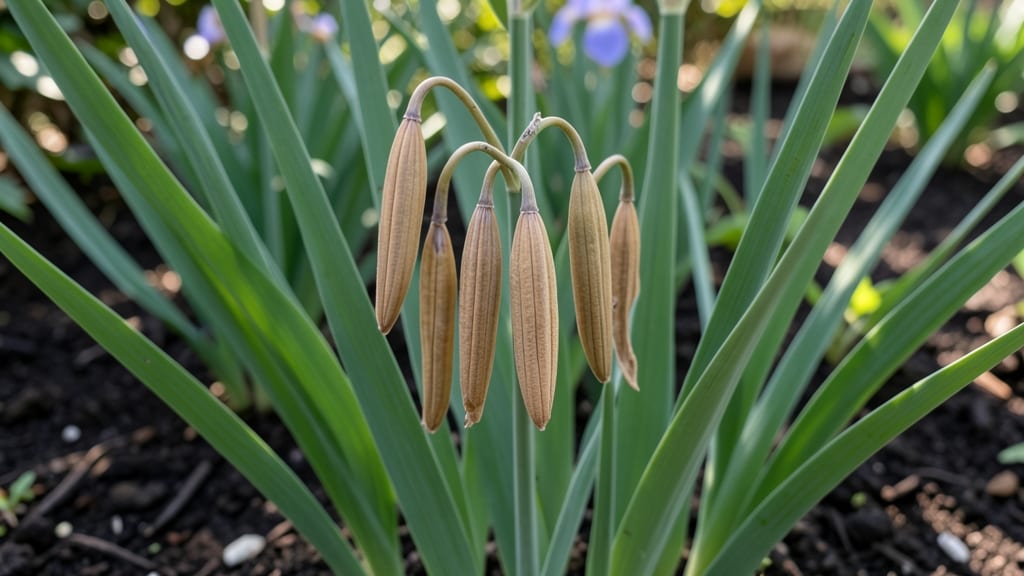
Twisting open Louisiana iris seed pods reveals the secret to growing these bold, swamp-loving beauties. 🌿 The pods are deceptively tough—if you've ever struggled with them, you know what I mean—but once you master the technique, you unlock a propagation method that outpaces root division for expanding your collection.
These irises thrive in the same conditions where their pods mature: 6+ hours of sun, wet feet in winter, and sandy loam that drains fast but holds moisture. The key is patience—seeds need stratification (cold, moist treatment) before they'll sprout, mimicking their natural wetland cycle.
I've found that planting them right after harvest, in late fall, gives the best results with minimal fuss. By spring, you'll see those first sword-like leaves pushing through the soil—proof the seeds survived.
The plants take 2-3 years to bloom, but the wait is worth it for irises that handle Louisiana's heat and humidity better than most. No need for fancy equipment; just a sharp knife, a damp paper towel, and a sunny spot by the water's edge.
Here's where most gardeners trip up: over-drying the seeds or planting them too deep. Louisiana iris seeds need light to germinate—think of them like tiny, stubborn sun-worshippers. I've had better luck with a shallow trench (just ½ inch deep) rather than burying them.
And if you're in a drier climate, mimic their swampy roots with a mulch layer that stays damp but not soggy.
Once the seedlings appear, treat them like you would mature plants: full sun, regular watering (but never waterlogged), and minimal fuss. The first year is all about establishing roots—by year two, you'll see those signature purple, blue, or yellow blooms that make Louisiana irises so special.
Save a few pods each season, and you'll never need to buy plants again.
📚 In This Guide
- What you need
- Instructions
- Tips and common mistakes
- Wrapping up and next steps
What you need
- ● Louisiana iris plants – Mature, healthy plants (preferably 2–3 years old) with visible seed pods.
- ● Pruning shears or sharp scissors – Clean, sterilized (70% isopropyl alcohol wipe) to prevent disease transfer.
- ● Garden gloves – Thick, cut-resistant (e.g., leather or heavy-duty nitrile) to protect hands from sharp pod edges.
- ● Paper grocery bags or breathable mesh sacks – 2–3 bags (10–12" deep) for collecting pods.
- ● Newspaper or cardboard – 1–2 sheets to line a flat workspace for drying pods.
- ● Fine-mesh screen or hardware cloth – ¼"–½" mesh (12" x 12" square) for sifting seeds later.
- ● Small paintbrush or soft-bristle brush – For gently removing seeds from pods.
- ● Labeling tags & permanent marker – To mark seed varieties and collection dates.
- ● Spray bottle with water – For occasional misting during drying.
- ● Seed-starting trays – Biodegradable or plastic (50+ cells) for sowing seeds post-collection.
- ● Potting mix – Well-draining (e.g., 50% peat moss, 30% perlite, 20% vermiculite).
- ● Humidity dome or plastic wrap – To create a mini greenhouse for germination.
- ● Digital scale – For monitoring seed moisture content (aim for <10% humidity).
- ● Camera or phone – To document pod stages for future reference!
Step-by-step guide to collecting and processing Louisiana iris seed pods
Here's my foolproof method for harvesting seed pods without the frustrating twist-and-snap struggles.
🌱 Step 1: Identify and Harvest Mature Seed Pods
Louisiana iris seed pods mature in late summer to early fall, typically 8-10 weeks after flowering. Look for pods that have turned from green to a papery brown color—this indicates full maturity. The pods should feel dry and brittle when gently squeezed between your fingers, though they won't naturally open like some wild iris species.
Use clean, sharp pruning shears to snip the entire seed pod from the stem, leaving a ½-inch stub to avoid damaging the rhizome. I like to harvest on a dry morning after the dew has evaporated—this prevents moisture from causing premature rot during storage. Place the pods in a paper bag and label them with the variety name and harvest date.
🌿 Step 2: Dry and Prepare Pods for Extraction
Spread the harvested pods in a single layer on a mesh screen or paper towel in a dry, well-ventilated area. Keep them out of direct sunlight to prevent overheating, which can ruin the seeds inside. Louisiana iris seeds need 4-6 weeks of drying time—this ensures the seed coat hardens properly for better germination rates.
Check the pods weekly for signs of mold or softening. If you notice any moisture or discoloration, increase airflow immediately. Once fully dry, the pods should rattle when shaken—this confirms the seeds are ready for extraction. I store my dried pods in a sealed glass jar with a desiccant packet to maintain dryness.
✂️ Step 3: Extract Seeds Without Damaging the Pods
Here's the trick to avoid the frustrating twist-and-snap issue: instead of forcing the pods to open, gently slit them lengthwise with a razor blade or sharp knife. Make a ¼-inch vertical cut along one side, being careful not to puncture the seeds inside. This controlled approach prevents the pods from suddenly releasing seeds everywhere.
Once you've made the cut, carefully peel back the pod to reveal the seeds. Louisiana iris seeds are small, flat, and dark brown—each pod typically contains 20-40 seeds. Use a fine paintbrush to transfer the seeds to a labeled envelope. Store them in a cool, dark place until ready to sow.
💧 Step 4: Cold Stratify Seeds for Better Germination
Louisiana iris seeds benefit from a 3-month cold stratification period to break dormancy. Place the seeds in a sealed plastic bag with a damp paper towel, then refrigerate at 35-40°F. Check the moisture level weekly—if the towel dries out, mist it lightly with water and reseal the bag.
After 12 weeks, the seeds will be ready for sowing. You'll notice a slight softening of the seed coat, which signals that stratification has worked. This step dramatically improves germination rates, often from 30% to over 70%. I like to stratify seeds in early fall so they're ready for spring planting.
☀️ Step 5: Sow Stratified Seeds for Optimal Growth
Plant the stratified seeds in a well-draining potting mix in 2-inch pots or a seed tray. Sow them ¼-inch deep and keep the soil consistently moist but never soggy. Place the containers in a bright, indirect light area—direct sunlight can cause the soil to dry out too quickly.
Germination typically takes 4-8 weeks, depending on temperature and moisture levels. You'll know the seeds have sprouted when you see the first true leaves emerge—these will be narrow and grass-like, similar to the adult plant's foliage. Once seedlings reach 3-4 inches tall, they're ready for transplanting into individual containers.
Tips & tricks for Louisiana iris seed pod processing
These subtle adjustments will transform your seed collection from frustrating to foolproof.
Maturity Check: The papery brown color and brittle texture are your best indicators of maturity—don't rush harvesting. I've learned the hard way that premature pods (still green) won't yield viable seeds, no matter how carefully you handle them. The 8-10 week window from flowering is critical; mark your calendar when you first see those delicate purple blooms.
Drying Strategy: For the 4-6 week drying period, I recommend using a small fan on low setting near your drying pods. This creates gentle airflow without disturbing the seeds inside. Place your mesh screen on a baking sheet to catch any accidental seed releases during the drying process. The rattling test is your final quality check—if they don't rattle, they're not ready.
Extraction Precision: That ¼-inch vertical cut is non-negotiable for seed integrity. I use a new razor blade for each batch to prevent cross-contamination between varieties. The fine paintbrush isn't just for transferring seeds—it helps you count them! Louisiana iris seeds are tiny, and you'll want to know exactly how many you've collected for germination tracking.
Stratification Hack: While the 3-month cold stratification at 35-40°F is standard, I've found that adding a small drop of hydrogen peroxide (3%) to the damp paper towel prevents fungal growth during the 12-week period. This keeps your seeds healthy without compromising the stratification process. Just be sure to use food-grade hydrogen peroxide and rinse the seeds thoroughly before sowing.
Pro Tips for Louisiana Iris Seed Pods
- These subtle adjustments will transform your seed collection from frustrating to foolproof.
- Maturity Check: The papery brown color and brittle texture are your best indicators of maturity—don't rush harvesting...
- Drying Strategy: For the 4-6 week drying period, I recommend using a small fan on low setting near your drying pods. ...
Frequently asked questions
Got questions about harvesting and handling Louisiana iris seed pods? You’re not alone! Here are some of the most common concerns—and their solutions—to ensure your seed collection is twist-resistant and ready for reliable germination.
When are Louisiana iris seed pods ready for collection?
Louisiana iris seed pods typically mature in late summer to early fall (August–October). Look for pods that are dry, papery, and brown—they’ll split open naturally when fully ripe. If pods are still green or firm, wait a few more weeks. Pro tip: Collect them before they split to avoid seed loss!
Why do my seed pods keep twisting or breaking when I try to harvest them?
Twisting happens because the pods are fibrous and resilient. To avoid damage:
- Use sterile pruners or scissors to snip the stem just above the pod.
- Gently twist and pull (not yank!) to detach cleanly.
- If pods are stubborn, soak the stems in warm water for 10 minutes to soften them.
How should I store Louisiana iris seed pods before planting?
Store pods in a cool, dry place (like a seed envelope or breathable bag) for 1–2 months to complete drying. Do not refrigerate—humidity can cause mold. Once fully dry, open pods carefully and sow seeds in late fall or early spring for best germination.
Can I collect seeds from Louisiana iris pods if they’ve already split open?
Yes! If pods have already split, scoop out the flat, black seeds with a spoon or tweezers. Act fast—seeds lose viability quickly once exposed. Store them in a paper towel-lined container with a desiccant packet to prevent moisture buildup.
What if my Louisiana iris pods don’t produce seeds at all?
Seed production depends on pollination. If you see no pods, try:
- Planting multiple iris varieties nearby to attract pollinators.
- Gently hand-pollinating with a paintbrush if bees aren’t visiting.
- Ensuring your iris gets full sun and well-draining soil—stress can reduce flowering.
Wrapping up and next steps
Growing Louisiana iris seed pods is a rewarding way to expand your garden with hardy, twist-resistant blooms! 🌱 By following the right steps—from collecting mature pods to ensuring proper germination conditions—you’ll enjoy reliable results. Whether you’re a seasoned gardener or just starting, these tips make the process simple and stress-free.
Ready to take the next step? Start by gathering your supplies and selecting the perfect spot in your garden. With patience and care, you’ll soon be admiring vibrant Louisiana iris flowers thriving in your outdoor space! 🌸