
Lawn
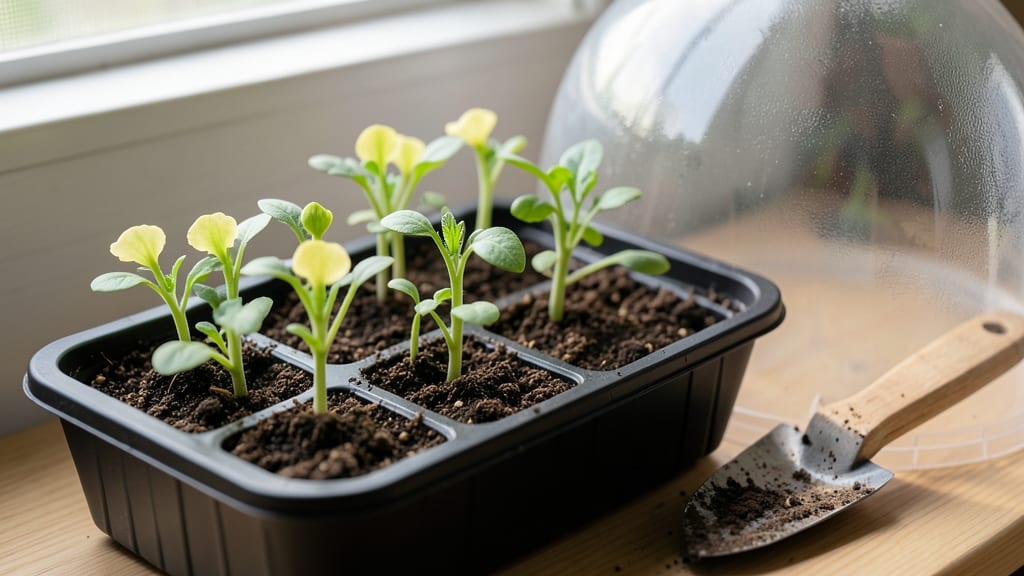
Marigold seed sprouts appear in 7-14 days when you nail the warmth and moisture—no waiting months like some finicky flowers. 🌱 I’ve watched trays of marigolds go from dry seeds to vibrant seedlings in just over a week, and the secret isn’t complicated: consistent bottom heat and a damp (not soggy) soil mix.
Skip the fancy setups—these seeds germinate reliably with basic supplies and a little patience.
The magic happens at 75-85°F soil temperatures, which is why starting indoors in late winter or early spring works best. Use a seed-starting mat or place your tray on top of your fridge to keep things cozy.
Water gently from the bottom—top-watering drowns seeds before they even sprout. Once those first green leaves appear, move them to a sunny spot (or grow lights) and prepare for 60 days of nonstop blooms.
Healthy marigold sprouts stand up straight, with thick stems and round leaves—nothing leggy or weak. If you see mold or black stems, that’s damping-off, and it’s fixable by improving airflow and reducing moisture.
The good news? Marigolds are tough. Even if a few seedlings fail, you’ll still end up with dozens of bright blooms that repel pests and attract pollinators all season.
Whether you’re prepping for a summer border or just want quick color, marigolds deliver. Start a second batch every 2 weeks for continuous blooms, and don’t worry about transplant shock—they handle moving outdoors like pros. Ready to turn those seeds into a sunlit sea of orange and gold?
📚 In This Guide
- What you need
- Instructions
- Tips and common mistakes
- Wrapping up and next steps
What you need
- ● Marigold seeds: Choose Tagetes varieties (e.g., French, African, or Signet marigolds). Buy 1–2 packets (50–100 seeds total) for a small garden or 3–5 packets for larger patches.
- ● Seed-starting mix: 1–2 cubic feet of sterile, well-draining potting soil (avoid garden soil—it may harbor pests!). Look for a mix labeled "seed-starting" or "organic potting soil."
- ● Containers: Seed trays or flats (with drainage holes) or
- ● Small pots (2–3 inches deep)—6–12 units depending on spacing.
- ● Watering can or spray bottle (with a fine mist setting).
- ○ Plastic wrap or humidity dome (optional but helpful for speeding up germination).
- ○ Gloves (optional—marigold seeds can stain hands!).
- ● Plant labels (to track varieties if mixing types).
- ● Grow lights or sunny windowsill (if starting indoors before last frost).
- ● Fertilizer (balanced 10-10-10 or organic compost after sprouts emerge).
- ● Tweezers or pencil (for gently pressing seeds into soil).
- ○ Warmth: Marigolds thrive in 70–85°F (21–29°C) soil temps. Use a heat mat (optional) if starting indoors in cool climates.
- ● Light: 6+ hours of sunlight daily (or grow lights 12–14 hours/day indoors).
- ● Patience: Germination takes 5–10 days—keep soil moist but not soggy!
Step-by-step instructions for germinating marigold seeds
Here's how I get marigold seeds sprouting in just 3-5 days—no fancy equipment needed.
🌱 Step 1: Soak Seeds for Faster Germination
Marigold seeds have a tough outer coating that slows sprouting. Place them in a small bowl with lukewarm water and let them soak for 12 hours. You'll see the seeds plump up noticeably—that's your signal they're ready to break through the soil.
After soaking, drain the water completely. Don't leave them sitting in moisture—this prevents rot before they even sprout. I like to use a fine-mesh strainer to drain them, then lay them on a paper towel to dry slightly while I prepare the planting containers.
💧 Step 2: Plant in Warm, Moist Soil
Fill your seed trays or small pots with light, well-draining potting mix (I use a mix designed for seed starting). Press the soil down gently until it's firm but not compacted. The goal is to create a surface where seeds can nestle just below the top layer.
Make small indentations about ¼ inch deep—just enough to hold the seeds without burying them too deeply. Place 2-3 seeds per hole (marigolds germinate quickly, and you can thin later). Cover them with a thin layer of soil, no more than ⅛ inch thick. Gently pat the soil down to ensure good seed-to-soil contact.
☀️ Step 3: Provide Warmth and Humidity
Marigold seeds need warmth to sprout fast. Place the trays in a location where soil temperatures stay between 70-80°F. A seedling heat mat works wonders if your home runs cooler, but even a sunny windowsill can work if you're patient.
Cover the trays with clear plastic wrap or a humidity dome to trap moisture and warmth. Check daily for condensation—if you see water droplets forming, remove the cover for 10-15 minutes to let excess moisture escape. Within 3-5 days, you'll see tiny green sprouts pushing through the soil.
⏰ Step 4: Thin Seedlings and Maintain Moisture
Once sprouts reach 1-2 inches tall, it's time to thin them. Use small scissors or your fingers to snip or gently pull the weaker seedlings, leaving only the strongest 1-2 plants per spot. This prevents overcrowding and gives your marigolds room to grow.
Keep the soil consistently moist but not soggy—marigold seedlings hate wet feet. Water from the bottom if possible, or use a spray bottle to avoid disturbing the delicate sprouts. Within 2-3 weeks, you'll see the first true leaves (the second set after the initial seed leaves)—this is when you can transplant them outdoors if temperatures are above 50°F.
🌿 Step 5: Transition to Outdoor Light
Before moving seedlings outside, harden them off for 5-7 days. Start by placing them in a sheltered spot for 1-2 hours the first day, gradually increasing their time outside each day. Watch for wilting or yellowing leaves—this means they're not ready for full sun yet.
Once hardened off, transplant to your garden or larger containers, spacing them 8-12 inches apart for full-size marigolds. They'll bloom in just 60 days if given full sun (6+ hours daily) and well-draining soil. The faster they sprout, the sooner you'll enjoy those bright, cheerful blooms!
Tips & tricks for fast-germinating marigold seeds
These little tricks will help you beat the 3-5 day sprout window—because nobody wants to wait longer than necessary!
Soak Test: After the 12-hour soak, drop a seed on a paper towel—if it sinks, it's ready to plant. If it floats, give it 2-3 more hours. This simple float test tells you exactly when the seeds have absorbed enough water to break through their tough coating.
Heat Hack: If your home runs cooler than the ideal 70-80°F range, place your seed trays on top of your refrigerator (not inside!) for a free heat boost. The top surface stays consistently warm, mimicking a seedling heat mat without the extra cost. Just avoid direct sunlight on the fridge surface.
Thinning Timing: Don't wait until seedlings are 2 inches tall to thin—start checking at 1 inch. The earlier you thin, the less competition for nutrients, and your strongest plants will develop faster. Use a small pair of scissors to snip at soil level rather than pulling, which can damage roots.
Hardening Off Shortcut: For the 5-7 day hardening process, start with just 30 minutes outside on day one if temperatures are mild (above 55°F). Gradually increase time only if the seedlings show no stress. This lets you fast-track the process while still protecting tender sprouts from shock.
Pro Tips for Marigold Seed Sprouts
- These little tricks will help you beat the 3-5 day sprout window—because nobody wants to wait longer than necessary!
- Soak Test: After the 12-hour soak, drop a seed on a paper towel—if it sinks, it's ready to plant. If it floats, give ...
- Heat Hack: If your home runs cooler than the ideal 70-80°F range, place your seed trays on top of your refrigerator (...
Frequently asked questions
Got questions about growing marigold seed sprouts? You’re not alone! Here are some of the most common queries—plus quick answers to help you get those vibrant blooms sprouting in no time.
How long do marigold seeds take to sprout?
Most marigold seeds sprout within 5 to 14 days under ideal conditions (warmth, moisture, and indirect light). French marigolds often germinate faster (5–7 days), while African varieties may take up to 2 weeks. Patience is key—keep the soil consistently moist but not soggy!
What’s the best way to speed up germination?
Boost your marigold sprouts’ chances with these tricks:
- Warmth: Place seeds in a sunny window or use a heat mat (70–80°F is ideal).
- Moisture: Mist seeds lightly daily or cover with a damp paper towel (remove once sprouted).
- Light: Avoid direct sunlight until sprouts emerge—too much heat can dry them out.
Can I plant marigold sprouts directly in the ground?
Yes! Marigolds thrive in direct outdoor planting once soil temps hit 50°F+ and the last frost has passed. Harden off seedlings (acclimate to outdoor conditions) for 5–7 days first. Space them 12–18 inches apart for optimal air circulation and blooms. Just avoid transplanting during extreme heat or cold.
Why aren’t my marigold seeds sprouting?
Try troubleshooting with this checklist:
- Cold soil: Marigolds need warmth—wait until soil is at least 55°F.
- Too dry/wet: Keep soil consistently damp (not drenched or bone-dry).
- Old seeds: Viability drops after 1–2 years; test a few seeds in a damp paper towel.
- Light issues: Seeds need indirect light to germinate (direct sun can bake them).
Are there fast-growing marigold varieties for quick blooms?
For speed and showiness, try these varieties:
- French marigolds (e.g., ‘Bonanza’ or ‘Souvenir’): Germinate in 5–7 days and bloom in ~60 days.
- Signet marigolds (e.g., ‘Tangerine’): Compact and fast, perfect for containers.
- ‘Janie’ or ‘Antigua’: Heat-tolerant and bloom earlier than African types.
Wrapping up and next steps
Growing marigold seed sprouts is a rewarding journey that brings vibrant color and natural pest protection to your garden in just 60 days! 🌱 With the right soil, sunlight, and care, you’ll enjoy fast germination and lush blooms that enhance any outdoor space.
Whether you’re a beginner or a seasoned gardener, these cheerful flowers are a perfect addition to your lawn or containers.
Ready to bloom with confidence? Start by gathering your supplies, follow the simple steps, and watch your marigolds thrive. Next, why not explore companion planting ideas or creative ways to showcase your flourishing garden? Happy growing! 🌸