
Lawn
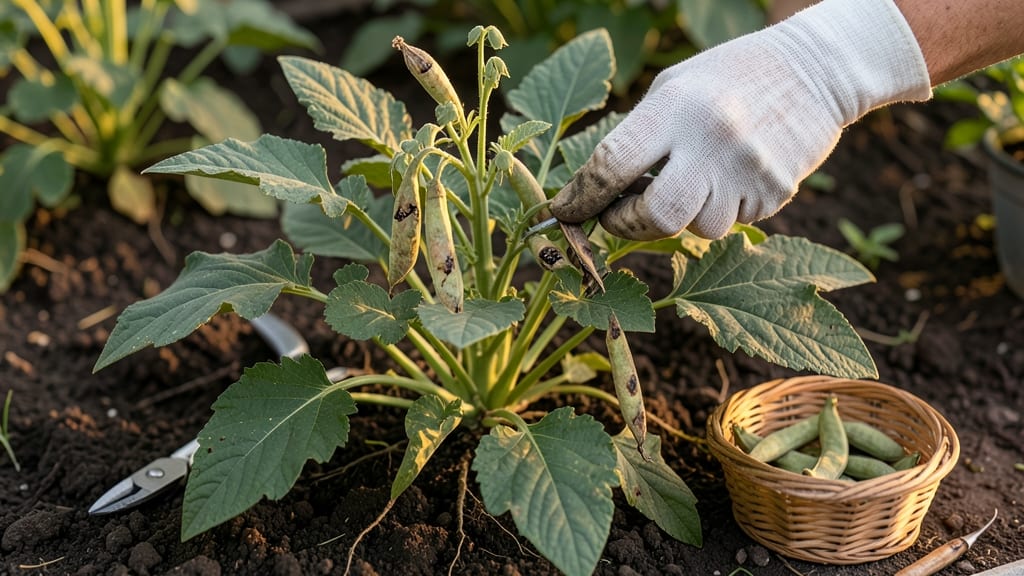
Mustard seed pods are the secret weapon behind zero-waste gardening—those little green treasures pack a punch for next year's plants. 🌱 I've learned the hard way that harvesting them requires patience and the right tricks, or you'll end up with scattered seeds and empty pods by summer's end.
Start with varieties like 'Southern Giant Curled' or 'Red Giant'—they produce the largest, most reliable pods. Plant them in well-draining soil with 6-12 inches of spacing between plants, and keep the soil consistently moist but not soggy.
The key to success lies in timing: pods form 60-90 days after planting, but they shatter fast when dry.
When pods turn brown and begin to crack, it's time to act. Twist them gently to release seeds, or harvest entire plants and hang them upside down in paper bags to dry completely. This method preserves 90% of seeds without the frustrating shattering that wastes your harvest.
Common mistakes? Overwatering leads to moldy pods, while drought causes premature shattering. Store seeds in airtight containers in a cool, dark place—they stay viable for 3-5 years. Now you're ready to grow mustard like a pro!
📚 In This Guide
- What you need
- Instructions
- Tips and common mistakes
- Wrapping up and next steps
What you need
- ● Ripe mustard seed pods: Harvest when pods turn yellow-brown and begin to crack open naturally (aim for 1–2 pounds for a standard batch).
- ● Sharp pruning shears or garden scissors: For cleanly snipping pods from the stem (avoid tearing).
- ● Large baking sheet or tray: Line with parchment paper to catch seeds and debris.
- ● Paper towels or newspaper: For drying pods (absorbs excess moisture).
- ● Brown paper bags or breathable fabric sacks: For storing dried pods (avoid plastic to prevent mold).
- ○ Small mesh bag or sieve: (Optional but handy) To sift seeds from chaff later.
- ○ Gloves (optional): Protects hands from mustard’s mild irritants if you’re sensitive.
- ● Labeling tags & marker: To tag bags with the variety and harvest date.
- ○ Fan or dehumidifier: (Optional) Speeds up drying in humid climates.
- ○ Food processor or mortar & pestle: (Optional) For crushing pods to release seeds if pods are stubborn.
Step-by-Step guide to harvesting mustard seed pods
Here’s how to collect seeds efficiently while keeping plants healthy for future harvests.
🌱 Step 1: Identify and Select Mature Pods
Wait until pods turn from green to a deep brown or tan—this signals full maturity and seed readiness. Gently squeeze a few pods between your fingers; if they rattle with seeds inside, they’re ready. Avoid harvesting too early, as seeds won’t germinate properly.
Focus on the largest, firmest pods first. These typically produce the highest-quality seeds. Use sharp, clean pruning shears to snip entire branches bearing pods rather than picking individual pods. This minimizes damage to the plant and speeds up collection.
✂️ Step 2: Harvest and Dry the Pods
Place harvested pods in a single layer on a clean, dry surface like a baking sheet or mesh screen. Avoid stacking them, as this traps moisture and encourages mold. Let them dry in a well-ventilated area away from direct sunlight for 3-5 days. You’ll know they’re fully dry when the pods feel brittle and seeds rattle loudly when shaken.
If humidity is high, spread a thin cloth over the pods to shield them from dust while still allowing airflow. Check daily for any signs of mold or pests—discard affected pods immediately to prevent spoilage.
💧 Step 3: Extract Seeds from Dried Pods
Once pods are completely dry, place them in a clean, dry container with a lid (like a glass jar). Seal the container and shake vigorously for 30-60 seconds—the pods will shatter, releasing seeds. Strain the mixture through a fine-mesh sieve or cheesecloth to separate seeds from pod debris.
Discard any remaining pod fragments and store seeds in a labeled paper envelope or airtight container. Keep them in a cool, dark place (like a pantry) for up to 2 years. Properly dried seeds maintain viability far longer than those stored in damp conditions.
🌿 Step 4: Clean and Store Seeds for Future Use
Spread the extracted seeds on a clean surface to remove any remaining chaff or debris. Use a small funnel to transfer them into a labeled envelope or jar. Include the variety name and harvest date on the label—this helps track seed freshness and performance.
For long-term storage, place seeds in a sealed container with a silica gel packet to absorb excess moisture. Check periodically for pests or mold. If stored correctly, these seeds will remain viable for 1-2 growing seasons, ensuring zero-waste seed saving.
Tips & tricks for perfect mustard seed pod harvesting
Between us, harvesting mustard seed pods efficiently is all about timing and technique—here's what nobody tells you about getting the most from your plants.
Pod Maturity Matters: In Step 1, don't just rely on color—give those pods a gentle squeeze. Mature pods should feel firm and rattle when shaken, indicating fully developed seeds. I've learned the hard way that harvesting too early means seeds won't germinate properly, and harvesting too late can lead to pod shattering before you're ready. Aim for that deep brown or tan hue when pods are still firmly attached to the plant.
Drying Strategy: The 3-5 day drying period in Step 2 is critical, but don't be tempted to rush it. Place pods in a single layer on a mesh screen in a well-ventilated area—never stack them. I've seen mold develop within 24 hours when pods were too crowded. If humidity is high, that thin cloth covering creates a perfect balance between airflow and protection. Check daily for any signs of mold or pests—discard affected pods immediately to prevent spreading.
Seed Extraction Technique: When you reach Step 3, that 30-60 second vigorous shaking is where the magic happens. Use a sturdy glass jar for this step—plastic containers might crack under the force. After shaking, strain through a fine-mesh sieve or cheesecloth, but don't rush this process. Take your time to remove all pod debris, as any remaining fragments can harbor moisture and lead to mold during storage. The difference between clean seeds and contaminated ones often comes down to this final cleaning step.
Pro Tips for Mustard Seed Pods
- Between us, harvesting mustard seed pods efficiently is all about timing and technique—here's what nobody tells you about getting the most from your plants.
- Pod Maturity Matters: In Step 1, don't just rely on color—give those pods a gentle squeeze.
- Drying Strategy: The 3-5 day drying period in Step 2 is critical, but don't be tempted to rush it.
Frequently asked questions
Got questions about harvesting mustard seed pods? You’re not alone—seed saving has its quirks! Here are answers to the most common queries to help you master twist-proof pod collection and zero-waste techniques.
When is the best time to harvest mustard seed pods?
Harvest mustard seed pods when they turn tan or light brown and begin to split open naturally. This usually happens 60–90 days after planting, depending on your climate. If pods are still green, they’re not ready—wait a few more days for full maturity. Pro tip: Morning harvests prevent pods from cracking in your hand!
How do I know if the seeds are fully mature inside?
Gently squeeze a pod—if seeds rattle inside, they’re mature! For extra confirmation, cut open a pod to check for plump, dark seeds (not shriveled or pale). Overripe pods may release seeds too easily, so act fast! If seeds are still white or soft, wait another 2–3 days for full ripeness.
What if my pods twist off before I can harvest them?
Twisting is a natural defense mechanism! To minimize losses, harvest pods early (just before they turn brown) and use a small mesh bag to collect fallen pods. If pods twist off easily, try tying stems together with twine or harvesting in dry, calm weather. Pro tip: Plant mustard in protected areas (like raised beds) to reduce wind exposure.
Can I save seeds from mustard greens I buy at the store?
Unfortunately, no—store-bought mustard greens are often hybrids and won’t produce true-to-type seeds. For seed saving, grow open-pollinated varieties like ‘Southern Giant Curled’ or ‘Red Giant’. If you must use store-bought plants, check labels for “heirloom” or “seed-saving friendly” designations.
What’s the best way to clean and store harvested seeds?
Spread pods on a clean towel or paper in a dry, shaded spot for 1–2 days to dry completely. Then, rub pods between your hands or use a fine mesh sieve to separate seeds. Store seeds in a paper envelope or airtight container in a cool, dark place (like a fridge) for up to 3–5 years.
Are there alternatives to mustard seed pods for zero-waste gardening?
Yes! Try these low-waste swaps:
- Radish pods: Harvest when pods turn brown and split (similar to mustard).
- Arugula seeds: Let plants bolt naturally, then collect seeds from dried flower stalks.
- Composting: If seeds don’t store well, compost leftover pods—just remove seeds first to prevent volunteer plants.
Wrapping up and next steps
Mustard seed pods may seem tiny, but with the right techniques, you can turn them into a zero-waste, sustainable harvest—without the frustration of twisting off pods! Whether you're saving seeds for next season or simply embracing a greener garden, this method ensures efficiency and ease. 🌱
Ready to take the next step? Start small: harvest a few pods today and experiment with the twist-proof method. Soon, you’ll be a pro at seed saving, reducing waste, and enjoying the rewards of your garden’s natural cycle. Happy harvesting! 🌟