
Propagation
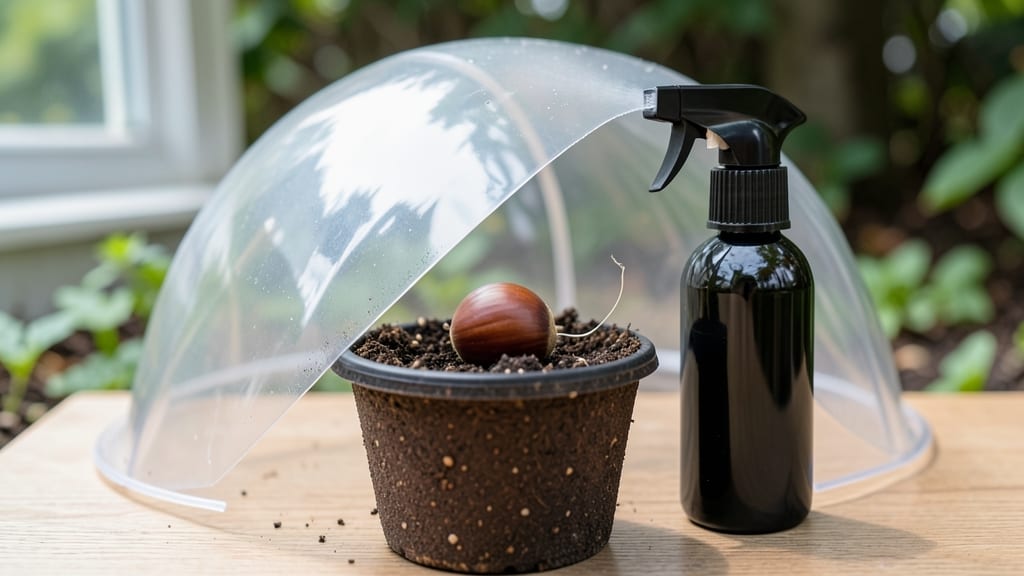
Oak tree seed germination starts with patience and a freezer—no fancy equipment needed. 🌱 I’ve struggled with acorns sprouting for years until I cracked the cold stratification code, which mimics nature’s way of breaking dormancy. The secret lies in replicating winter’s chill, and it’s simpler than you’d think.
Most acorns need 90-120 days of cold, moist conditions to germinate, but many gardeners skip this step and wonder why their seeds never sprout.
After collecting acorns in fall, I learned to store them in a damp paper towel inside a sealed bag in the fridge for 3 months—just like nature does underground. Once stratified, plant them 1 inch deep in well-draining soil, keeping it consistently moist but not soggy.
Germination can take 2-6 weeks, and seedlings grow slowly at first, but with the right conditions, you’ll see strong roots and first leaves within 3 months. This method works for red, white, and pin oak varieties, and even urban gardeners can grow them in containers before transplanting.
Let’s get those acorns sprouting!
📚 In This Guide
- What you need
- Instructions
- Tips and common mistakes
- Wrapping up and next steps
What you need
- ● Oak seeds (acorns or others): Collect 10–20 healthy, mature seeds (ensure they’re free of cracks, mold, or pests). Pro tip: 💡 Freshly fallen acorns from white or red oak families work best!
- ● Cold stratification medium: Option 1: Moistened peat moss or coconut coir (1–2 cups, sterilized to prevent mold).
- ● Option 2: Vermiculite or perlite (1 part medium to 1 part water by volume).
- ● Option 3: Wet sand (coarse, not fine sand; mix with water until damp like a wrung-out sponge).
- ● Containers: Primary: Plastic storage bag (ziplock or reclosable) OR small plastic or ceramic pot (4–6 inches deep).
- ○ Secondary (optional): Larger container or seed tray (for organizing multiple setups).
- ● Tools: Spray bottle (for gentle moisture control).
- ● Small hand trowel or spoon (for mixing medium).
- ● Ruler or measuring tape (to track seed depth, ~1 inch).
- ● Permanent marker (to label containers with seed type and date).
- ● Hydrogen peroxide (3%) (dilute 1:10 with water to soak seeds for 10 mins before stratification—kills fungi/bacteria).
- ● Seed germination mat or heat pad (for post-stratification warmth, 70–80°F).
- ● Humidity dome or plastic wrap (to maintain moisture during early sprouting).
- ● Grow lights or sunny windowsill (once seeds germinate and need light).
- ● Notebook or app (to log stratification dates, moisture checks, and sprouting progress).
Step-by-Step instructions for oak tree seed germination
Here's how I break down the cold stratification process—tested over years with acorns from red, white, and bur oaks.
🌱 Step 1: Collect and Prepare Fresh Acorns
Harvest acorns in late fall when they've fallen naturally—they won't germinate if collected too early. Look for plump, firm acorns without cracks or holes. I store them in a cool, dry place until processing, usually in paper bags to allow airflow.
Before stratification, soak the acorns in lukewarm water for 24 hours to soften the outer shell. This mimics natural winter moisture and helps break dormancy. Don't skip this—dry acorns often fail to sprout because their shells are too hard for the radicle to penetrate.
❄️ Step 2: Create the Cold Stratification Setup
Fill a plastic container with a lid with a mix of moistened peat moss or perlite—this keeps the medium aerated while maintaining consistent moisture. I use a ratio of 1 part water to 3 parts peat moss by volume, squeezing out excess water until it feels like a damp sponge.
Place the soaked acorns 1 inch apart in the medium, pressing them down gently so they make contact with the moist substrate. Cover the container and store it in a location that stays between 35-45°F—a refrigerator's crisper drawer works perfectly. Check moisture weekly; the medium should never dry out completely but shouldn't feel soggy either.
⏰ Step 3: Monitor and Maintain Stratification
Cold stratification takes 60-90 days for most oak species. I mark the container with the start date and set a reminder to check progress after 6 weeks. Look for the radicle (tiny white root) breaking through the shell—this is your signal that germination has begun.
If the medium dries out during stratification, mist it lightly with water and return it to cold storage immediately. Oak seeds are sensitive to temperature fluctuations; don't move the container to a warmer spot until you see roots emerging. Once radicles appear, you can transfer the container to a 60-65°F environment to encourage further growth.
🌿 Step 4: Transplant Germinated Acorns
When the radicle reaches about ½ inch long (usually after 2-4 weeks of warm conditions), it's time to transplant. Gently remove each acorn from the stratification medium, being careful not to damage the delicate root. Plant it 1 inch deep in a small pot filled with well-draining potting mix.
Place the pots in a location with bright, indirect light—direct sunlight can scorch young seedlings. Keep the soil consistently moist but not waterlogged. Oak seedlings grow slowly, so patience is key. You'll see the first true leaves (not the seed leaves) emerge in 4-8 weeks, signaling that the seedling is established and ready for gradual outdoor acclimation.
Tips & tricks for oak tree seed germination success
Here's what I've learned after years of trial and error with oak seed germination—these small details make all the difference between success and frustration.
Acorn Selection Matters: The 24-hour soak in Step 1 is your first quality control. Discard any acorns that float—they're hollow and won't sprout. For best results, focus on acorns from mature trees (at least 20 years old) as they've developed thicker, more viable embryos. I've found bur oak acorns often germinate faster than white or red oak varieties, though all follow the same stratification process.
Medium Consistency is Critical: The 1:3 water-to-peat moss ratio in Step 2 should feel like a well-wrung sponge—not dripping but not bone dry. I use perlite instead of peat moss in some containers because it's more consistent and less prone to mold. If your medium feels too wet, add more perlite; if too dry, lightly mist with water and return to cold storage immediately. Oak seeds are sensitive to anaerobic conditions, so proper aeration prevents rot.
Temperature Monitoring: The 35-45°F range in Step 2 is non-negotiable for breaking dormancy. I place a small thermometer in my refrigerator's crisper drawer to verify the temperature—some models fluctuate wildly. If you don't have fridge access, a basement or unheated garage works well. Once radicles appear, the shift to 60-65°F in Step 3 should be gradual—move the container to a cooler spot first (like a shaded windowsill) before full room temperature exposure.
Transplant Timing Secret: The ½-inch radicle length in Step 4 is your cue, but don't rush. I've seen seedlings with roots this long still fail if transplanted too early—they need that root system to establish before handling. Wait until you see secondary root hairs forming along the radicle, which gives you about 2-3 extra days of buffer time. This patience pays off when you see those first true leaves emerge after 4-8 weeks.
Pro Tips for Oak Tree Seed Germination
- Here's what I've learned after years of trial and error with oak seed germination—these small details make all the di...
- Acorn Selection Matters: The 24-hour soak in Step 1 is your first quality control. Discard any acorns that float—they...
- Medium Consistency is Critical: The 1:3 water-to-peat moss ratio in Step 2 should feel like a well-wrung sponge—not d...
Frequently asked questions
Got questions about germinating oak tree seeds? You’re not alone—oak seeds can be tricky! Here are answers to the most common queries to help you succeed.
How long does cold stratification take for oak seeds?
Cold stratification for oak seeds typically requires 60–90 days in moist, refrigerated conditions (34–41°F). Red oaks often need the full 90 days, while white oaks may germinate faster (45–60 days). Patience is key—don’t rush the process!
Can I skip cold stratification and still germinate oak seeds?
While possible, skipping stratification drastically reduces success rates. Oak seeds are dormant and need this chilling period to break dormancy. If you’re impatient, try soaking seeds in warm water for 24 hours before stratification to soften the shell—but expect lower germination.
When is the best time to plant stratified oak seeds?
Aim to plant stratified oak seeds in early spring (March–April), just as soil temperatures rise but before summer heat. If you stratified seeds in fall, plant them immediately after removing from the fridge. Avoid planting in late summer—oaks dislike heat stress during germination.
Why aren’t my oak seeds sprouting after stratification?
Several factors could stall germination:
- Old seeds: Oak seeds lose viability over time (aim for fresh, plump acorns).
- Improper moisture: Keep the medium consistently damp (not soggy).
- Poor seed quality: Some acorns are sterile—test floatation (viable seeds sink).
- Temperature fluctuations: Keep stratification steady (no freezing).
Can I grow oak trees from store-bought acorns?
Yes, but success varies! Store-bought acorns may be dormant or treated to prevent sprouting. Check for freshness (shriveled acorns = low viability). If possible, source acorns from local, mature oak trees for better adaptation to your climate.
Wrapping up and next steps
Growing oak trees from seed is a rewarding journey that combines patience and care—and you’re now equipped with the knowledge to succeed! 🌱 Cold stratification isn’t just a step; it’s the secret to unlocking those stubborn acorns’ potential.
Whether you’re a gardening novice or a seasoned green thumb, your efforts will soon yield strong, resilient saplings ready to thrive for decades. Ready to take the next step? Start by gathering fresh acorns this fall, then follow your stratification plan with confidence. Before you know it, you’ll be watching tiny roots break through the soil—proof that your hard work is paying off! 🌳