Lawn
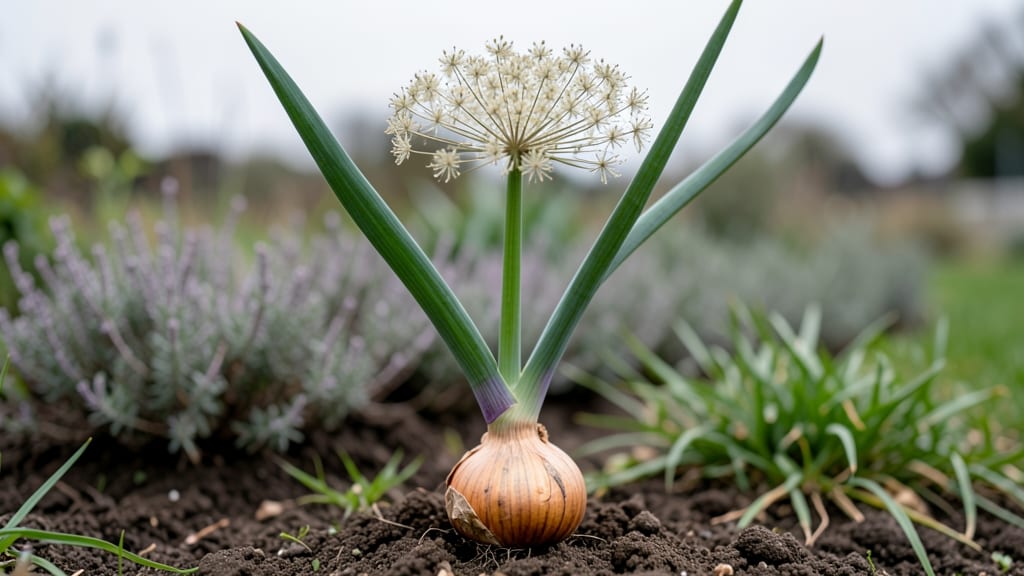
Harvesting onion seed pods turns last year’s scraps into next season’s plants. 🌱 The trick is catching them at the perfect moment—when the pods turn from green to papery brown but haven’t burst open.
One wrong move and you’ll lose seeds to birds or rain, but timing it right means a steady supply of homegrown onions for years.
You’ll need just three things: sharp scissors, a paper bag for collecting, and a dry, shady spot to cure the pods. The key is patience—wait until at least 60% of the pods on a stalk have matured before cutting the whole stem.
This ensures you’re not missing out on seeds that are still developing.
Once collected, store the pods in a cool, dark place for 2-3 weeks to dry completely. The seeds inside will stay viable for 2-3 years if kept dry, giving you a reliable source for future plantings.
Fresh seeds germinate faster and stronger than old ones, so prioritize using the newest batch first.
When ready to sow, scatter seeds directly in well-drained soil in early spring. They’ll pop up in 10-14 days if kept moist but not soggy. The first onions you harvest from these seeds will taste sweeter than store-bought, and you’ll never have to buy onion sets again.
📚 In This Guide
- What you need
- Instructions
- Tips and common mistakes
- Wrapping up and next steps
What you need
- ● Mature onion plants: Choose short-day or long-day varieties (e.g., 'Yellow Sweet Spanish' or 'Red Baron') with fully developed seed pods. Aim for 10–20 plants for a decent yield.
- ● Pruning shears or sharp scissors: For cleanly harvesting pods without damaging the plant. Sterilize with rubbing alcohol to prevent disease spread.
- ● Paper bags or breathable mesh bags: 10–15 bags (1–2 pods per bag) to allow airflow and prevent mold. Avoid plastic!
- ● Drying rack or screen: A flat, elevated surface (like a wooden frame or wire mesh) to dry pods in indirect sunlight. Size should accommodate your harvest.
- ○ Small fan (optional but helpful): A low-speed fan to circulate air and speed up drying. Place it 1–2 feet away from pods.
- ● Labeling tags and marker: To track varieties and harvest dates. Waterproof labels work best for outdoor drying.
- ● Glass jars or airtight containers: 4–6 jars (8–16 oz) with tight-sealing lids for long-term seed storage. Clean and dry thoroughly before use.
- ● Fine-mesh sieve or sifter: For separating seeds from chaff. A #10–#20 mesh works well.
- ○ Desiccant packets (optional): Place 1–2 packets in storage jars to absorb moisture and extend seed viability.
- ● Dry, well-ventilated space: A cool (60–70°F), humidity-controlled area (e.g., garage, shed, or indoor drying rack). Avoid direct sunlight or damp conditions.
- ● Patience: Onion seed pods take 4–6 weeks to fully dry indoors. Outdoor drying may take 2–3 weeks (weather-dependent).
- ● Humidity monitor: Keeps tabs on moisture levels (30–50% humidity ideal for drying).
- ● Seed catalog or notebook: For recording germination rates and variety notes.
- ● Food-safe spray (e.g., neem oil): Lightly mist pods to deter pests during drying.
- ● Vacuum sealer: For long-term seed storage (extends viability to 5+ years).
Step-by-step guide to harvesting viable onion seeds
Here's how I turn mature onions into next season's plants—no fancy tools or guesswork.
🌱 Step 1: Select and Prepare Mature Onion Plants
Choose the largest, healthiest onion plants with thick stems and no signs of disease. These will produce the most vigorous seeds. Leave them in the ground after the bulbs have fully matured and the tops have yellowed and fallen over naturally—this signals the plant is ready to focus on seed production.
Once the tops have browned completely, cut them back to about 2-3 inches above the soil line. This redirects the plant's energy toward seed development rather than maintaining foliage. Water deeply after pruning to help the plant recover and support seed formation.
☀️ Step 2: Ensure Proper Drying Conditions
Onion seed pods need time to dry on the plant before harvest. Place the plants in a spot with full sun and good airflow—this prevents mold and ensures even drying. A covered porch or greenhouse with ventilation works perfectly. You'll know they're ready when the seed pods turn from green to a light tan color and begin to rattle when shaken gently.
This drying process typically takes 2-4 weeks, depending on your climate. If rain is forecasted, bring the plants indoors to a dry, well-ventilated area. Humidity is the enemy here—it encourages mold growth that can ruin your seeds.
✂️ Step 3: Harvest and Dry the Seed Pods
Once the pods are completely dry and have turned tan, carefully cut the entire seed head from the plant. Place the seed heads in a paper bag and hang them upside down in a dry, dark place with good airflow—like a closet or pantry. This allows any remaining moisture to evaporate and prevents mold from developing.
After 1-2 weeks of drying indoors, the pods should be completely brittle. Gently crush a few pods between your fingers—if they crumble easily and release small, dark seeds, they're ready for storage. If they're still slightly flexible, give them another week or two.
🪴 Step 4: Clean and Store the Seeds
To clean the seeds, spread the dried pods on a clean sheet of paper and gently rub them between your fingers or with a fine-mesh screen. This separates the seeds from the chaff. Discard any pods that still feel damp or show signs of mold—these won't produce viable seeds.
Store the cleaned seeds in a cool, dry place in a sealed container or envelope. Label the container with the onion variety and the harvest date. Properly stored seeds remain viable for 2-3 years, though germination rates drop after the first year.
⏰ Step 5: Test Germination Before Planting
Before you commit to planting, test a few seeds to ensure they're viable. Moisten a paper towel, place 10-20 seeds between two towels, and fold them into a packet. Keep the packet in a warm, dark place for 7-10 days, misting lightly every few days to keep it damp but not soggy.
If 70% or more of the seeds sprout, your batch is ready for planting. If fewer than half sprout, consider mixing them with fresh seeds or starting over with a new batch. This simple test saves you from planting hundreds of seeds that won't grow.
Tips & tricks for perfect onion seed pod harvesting
Here's what nobody tells you about turning those onion tops into next season's seeds—these tricks save time and frustration.
Selection Matters: The healthiest onion plants with thick stems are your best bet for viable seeds. Look for plants where the bulbs have fully matured and the tops have completely yellowed and fallen over naturally. I've learned the hard way that forcing seed production from stressed or diseased plants leads to poor germination rates. Also, avoid plants that bolted too early—they often produce weak seeds.
Drying is Everything: Those 2-4 weeks of drying in full sun and airflow are non-negotiable. I've seen seed pods develop mold in just 48 hours when humidity crept in. If rain is forecasted, move your plants indoors immediately to a well-ventilated area. A simple fan placed near the drying plants can work wonders for circulation. The goal is to get those pods from green to light tan without any moisture left.
Brittleness Test: After your 1-2 weeks of indoor drying, the pods should crumble easily between your fingers. If they still feel slightly flexible, give them another week. I once rushed this step and ended up with seeds that wouldn't germinate—don't make my mistake! The pods should feel completely dry and papery, with seeds that pop out effortlessly when crushed.
Storage Wisdom: Once cleaned, store your seeds in a sealed container with a desiccant packet to absorb any moisture. I use small glass jars with tight lids and keep them in the refrigerator for maximum longevity. Labeling with the onion variety and harvest date is crucial—you'll thank yourself next planting season when you're not guessing which seeds you saved.
Pro Tips for Onion Seed Pods
- Here's what nobody tells you about turning those onion tops into next season's seeds—these tricks save time and frustration.
- Selection Matters: The healthiest onion plants with thick stems are your best bet for viable seeds.
- Drying is Everything: Those 2-4 weeks of drying in full sun and airflow are non-negotiable.
Frequently asked questions
Got questions about harvesting onion seed pods? You’re not alone—growing onions for seeds takes patience! Here are some of the most common queries to help you navigate the process like a pro.
How do I know when onion seed pods are ready to harvest?
Onion seed pods are ready when they turn brown and papery (like dried onion skins) and rattle when shaken. If pods stay green or split open prematurely, they’re not mature yet. Wait until 80% of pods on the plant meet these signs—harvesting too early ruins viability.
Why are my onion seed pods splitting open before I can harvest them?
Premature splitting usually means overcrowding, drought stress, or excess humidity. Thin plants early to improve airflow, and avoid watering from above as pods mature. If splits happen anyway, harvest immediately—seeds may still be viable, but they’ll scatter. Try paper bags over pods to catch loose seeds.
Can I save seeds from store-bought onions?
Probably not! Most grocery-store onions are hybrids (crossbred for size, not seed production) and won’t grow true to type. For reliable seeds, use open-pollinated heirloom varieties like ‘Red Wethersfield’ or ‘Yellow Sweet Spanish.’ If you’re curious, try it—but expect inconsistent results!
How should I store harvested onion seeds?
Clean seeds thoroughly, then store them in a cool (35–40°F), dry place (like a fridge or seed vault). Use paper envelopes or airtight containers with silica gel packets to prevent mold. Label with the variety and harvest year—seeds stay viable for 2–3 years if stored properly.
What’s the best alternative if my seed pods fail?
If weather or pests ruin your seed pods, try buying certified organic seeds or growing onions from sets (small bulbs) instead. For next year, plant bolting-resistant varieties or use row covers to protect flowers. You can also divide mature onion plants to propagate clones (though they won’t produce seeds).
Wrapping up and next steps
Harvesting viable onion seed pods doesn’t have to be a gamble—with the right timing, tools, and techniques, you can turn your garden into a seed-saving powerhouse. 🌱 Whether you’re a seasoned gardener or just starting, these stress-free methods ensure high-quality seeds for next year’s crops.
Now that you’re armed with knowledge, why not take the next step?
🌟 Ready to Grow?
Start small—try harvesting a few seed pods this season and experiment with drying techniques. Track your success (or lessons learned!) and refine your approach. Before you know it, you’ll be self-sufficient with fresh, homegrown onion seeds—and maybe even sharing them with fellow gardeners! Happy harvesting! 🌻