
Propagation
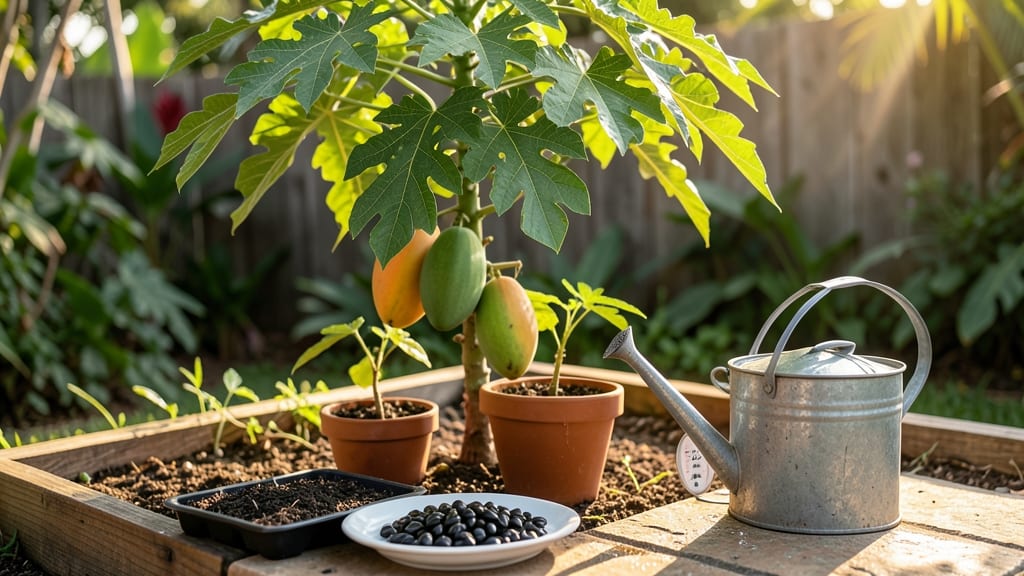
Growing papaya from seed to fruit is like nurturing a tropical treasure in your own backyard. 🌱 The journey starts with a single seed that, with just the right warmth, light, and patience, will reward you with vibrant orange fruit in as little as six months—if you avoid the common pitfalls that stall growth or cause fruit to drop before ripening.
Here's the secret: papayas thrive in 80-90°F soil and need full sun (6+ hours daily), but they're surprisingly adaptable. I've grown them in containers on patios and in-ground in warm climates, and the key is mimicking their natural tropical environment—even if you're just starting with a seedling indoors.
The first challenge is germination, which takes 2-4 weeks if you keep the soil consistently moist but not soggy.
By month four, you'll see those signature lobed leaves and maybe even a tiny flower bud forming. That's when the real magic happens—hand-pollinating flowers (especially indoors) boosts fruit set dramatically. A ripe papaya isn't just sweet; it gives off that unmistakable tropical aroma that makes every slice worth the wait.
Even in cooler zones, this method works with seasonal adjustments—just move containers indoors before frost. The payoff? Homegrown papayas that outshine store-bought in both flavor and story. Let's get those seeds sprouting!
📚 In This Guide
- What you need
- Instructions
- Tips and common mistakes
- Wrapping up and next steps
What you need
- ● Papaya seeds: 3–5 fresh, viable seeds (harvested from a ripe papaya or purchased from a reputable supplier). Pro tip: 💡 Soak seeds in warm water for 24 hours to speed up germination!
- ● Seed-starting mix: 1–2 cups of well-draining, sterile potting soil (or a mix of coconut coir and perlite for moisture control).
- ● Small pots or seed trays: 2–3 biodegradable pots (3–4 inches deep) or a seed tray with drainage holes.
- ● Grow lights or sunny window: A full-spectrum LED grow light (12–16 hours/day) or a south-facing window (if in a warm climate).
- ● Spray bottle: For gentle watering to avoid disturbing seeds.
- ● Humidity dome or plastic wrap: To maintain warmth and moisture during germination.
- ● Fertilizer: A balanced, water-soluble fertilizer (e.g., 10-10-10) or organic options like compost tea or worm castings.
- ● Pruning shears: For trimming excess growth as the plant matures.
- ● Support structure: A bamboo stake or trellis (for dwarf varieties) or a sturdy cage (for larger types).
- ● Climate: Papayas thrive in tropical or subtropical zones (USDA Hardiness Zones 10–12). If you’re in a cooler area, grow them in containers and bring them indoors during winter.
- ● Temperature: Seeds germinate best at 75–90°F (24–32°C). Young plants need consistent warmth.
- ● Sunlight: 6+ hours of direct sunlight daily (or equivalent grow light exposure).
- ● Water: Keep soil moist but not soggy—papayas hate waterlogged roots! Use a moisture meter if unsure.
- ● Space: Mature papaya trees need 10–15 feet of space (dwarf varieties can be grown in smaller containers).
- ● Soil pH tester (ideal range: 6.0–7.0).
- ● Organic mulch (e.g., straw or wood chips) to retain moisture and regulate soil temperature.
- ● Pollination aid: A small paintbrush or soft brush to hand-pollinate flowers if bees aren’t present.
- ● Growth regulator (e.g., ethephon) to encourage fruiting in male plants (for hybrid varieties).
- ● Container with wheels (for easy relocation if moving plants indoors/outdoors).
Step-by-step instructions for growing papaya from seed to fruit
Here's how to nurture papaya plants through their tropical growth cycle with precise timing and care.
🌱 Step 1: Start Seeds Indoors in Warmth
Papaya seeds germinate best at 75-85°F—use a heat mat if your home runs cooler. Plant 1-2 seeds per 4-inch pot filled with sterile seed-starting mix, covering them with just ¼ inch of soil. Mist lightly with warm water until the surface feels damp but not soggy. The outer seed coat is tough, so soak seeds for 12-24 hours before planting to speed germination.
Place pots in a humidity dome or seal with plastic wrap to retain moisture. Check daily but avoid opening the dome—condensation provides the tropical environment they need. Germination takes 10-20 days, but some seeds may take up to 30 days. Once sprouts appear, remove the dome immediately to prevent fungal growth.
☀️ Step 2: Provide Bright Light and Transition Outdoors
Papaya seedlings need full sun (8+ hours daily) from the moment they emerge. A south-facing window works temporarily, but you'll need a grow light within 2-3 inches of the plants to prevent leggy growth. Rotate pots weekly so seedlings grow straight rather than leaning toward the light.
After 4-6 weeks and when seedlings have 3-4 true leaves, begin hardening off by moving them outdoors to a sheltered, shaded spot for 1-2 hours the first day. Gradually increase exposure over 10-14 days, watching for wilting or yellowing leaves—signs they're not ready. Papayas thrive in USDA zones 10-11, but container-grown plants can be brought indoors during cooler months.
🪴 Step 3: Transplant to Large Containers or Ground
Papayas need room to grow—transplant into 15-20 gallon containers or directly into the ground after the last frost in warm climates. Dig a hole twice as wide as the root ball and mix in compost for nutrients. Space plants 10-15 feet apart if growing multiple plants, as they can reach 10-20 feet tall. Avoid transplanting during heatwaves—morning or evening is ideal.
Water deeply after planting to settle the soil, then maintain 1-2 inches of moisture in the topsoil. Papayas are drought-tolerant once established but produce better fruit with consistent moisture. Mulch with 2-3 inches of organic mulch to retain soil moisture and regulate temperature. Fertilize lightly with a balanced 10-10-10 fertilizer every 4-6 weeks during the growing season.
✂️ Step 4: Prune and Support for Fruit Production
Papaya plants develop male and female flowers on separate plants (or sometimes the same plant). To encourage fruiting, remove suckers (side shoots) that form at the base of the stem—these divert energy from fruit production. Prune yellow or diseased leaves immediately to prevent spread. If growing in containers, install a sturdy stake or trellis early, as plants can weigh 50+ pounds when laden with fruit.
Papayas are self-pollinating, but you can improve fruit set by gently shaking the plant or using a small brush to transfer pollen between flowers. Female flowers have a small papaya-shaped bulb at the base, while male flowers have a long, thin stem. Harvest when the fruit changes from green to yellow/orange and yields slightly to gentle pressure—this usually takes 6-9 months after planting.
🍈 Step 5: Harvest and Encourage Regrowth
Cut fruit from the vine with clean pruners, leaving a ½-inch stem. Ripen indoors at room temperature—they won’t sweeten further once picked. After harvest, the plant may produce secondary fruit within 3-6 months. In cooler climates, bring potted papayas indoors before 50°F nights and resume care in spring. With proper winter care, the same plant can fruit for years.
Save seeds from your best fruit for next season—rinse, dry, and store in a cool, dark place for up to 6 months. Real talk: not every seed will sprout, but the ones that do reward you with juicy, tropical fruit make it worth the experiment.
Tips & tricks for growing tropical papaya plants
These practical insights will help you navigate the quirks of papaya cultivation—from seed to harvest—with confidence.
Germination Strategy: The 12-24 hour soak for seeds is non-negotiable—papaya seed coats are famously tough. Use a small mesh bag to contain seeds during soaking, then plant immediately after. I've found that pre-soaking in warm water (not hot) with a drop of dish soap helps break down the outer layer without damaging the seed. This step can cut germination time by nearly half, especially if you're impatient like I was during my first attempt.
Lighting Secret: Papaya seedlings are light-hungry from day one. If you're using a grow light, position it just 2-3 inches above the seedlings and keep it on for 14-16 hours daily to mimic tropical sunlight. I learned this the hard way when my first batch grew leggy and weak—now I rotate my lights weekly to prevent leaning. A south-facing window works temporarily, but supplement with artificial light if your natural light is insufficient.
Hardening Off Technique: The 10-14 day hardening process is where most beginners fail. Start with just 1-2 hours of shade on day one, then gradually increase exposure by 1 hour daily. Watch for wilting or yellowing leaves—these are clear signs your plant isn't ready. I've had success using a small shade cloth (30-50% block) during the first few days to ease the transition. Remember, papayas are tropical plants; they need time to adjust to temperature fluctuations.
Transplanting Wisdom: When moving to larger containers or ground, dig a hole twice as wide as the root ball to minimize transplant shock. The 15-20 gallon container requirement is serious—papayas develop extensive root systems. I've seen firsthand how root-bound plants struggle to produce fruit. If transplanting outdoors, do it on a cloudy day or in the evening to reduce stress. Water deeply before and after transplanting to help settle the roots in their new home.
Pro Tips for Papaya From Seed To Fruit
- These practical insights will help you navigate the quirks of papaya cultivation—from seed to harvest—with confidence.
- Germination Strategy: The 12-24 hour soak for seeds is non-negotiable—papaya seed coats are famously tough.
- Lighting Secret: Papaya seedlings are light-hungry from day one.
Frequently asked questions
Got questions about growing papayas from seed to fruit? You’re not alone! Here are some of the most common queries—and their answers—to help you succeed in your papaya-growing journey.
How long does it take for a papaya seed to sprout?
A papaya seed typically sprouts within 7–14 days when kept in warm, moist conditions (around 75–85°F). If your seeds take longer, check moisture levels—keep the soil damp but not soggy. Patience is key, as some seeds may need up to 3 weeks!
When will my papaya plant produce fruit?
With ideal care, a papaya plant can bear fruit in 6–12 months from seed. Female plants (identified by small fruits near the base) produce fruit faster than male or hermaphrodite varieties. Prune early flowers to redirect energy to the main stem for bigger yields!
What’s the best temperature for growing papayas?
Papayas thrive in warm climates (70–90°F). They’re tropical plants, so frost or cold snaps will kill them. If you live in a cooler zone, grow them in containers and move them indoors during winter or use a greenhouse. Heat lovers all the way!
Can I grow papaya from a grocery store seed?
Yes! Store-bought papaya seeds can germinate, but results vary. For better success, use seeds from a ripe, organic papaya (avoid hybrid varieties). Soak seeds overnight to speed up germination. Just don’t expect the exact same fruit—genetics play a big role!
Why are my papaya leaves turning yellow?
Yellowing leaves often signal overwatering, nutrient deficiency, or pests. Check soil moisture—papayas hate soggy roots. Yellow edges? Likely magnesium or nitrogen deficiency. Inspect undersides for mites or aphids. Adjust care and fertilize with a balanced tropical plant food if needed.
Do papaya plants need full sun?
Papayas require 6–8 hours of direct sunlight daily. In hot climates, partial shade in the afternoon can prevent leaf scorch. If growing indoors, place near a south-facing window or use grow lights. Without enough light, plants grow leggy and produce fewer fruits.
Wrapping up and next steps
Growing papaya from seed to fruit is a rewarding journey that combines patience, care, and a little tropical magic! 🌱 From nurturing your seedling to harvesting that vibrant, sweet fruit, every step is a chance to connect with nature—and maybe even enjoy a homegrown treat.
Whether you're a seasoned gardener or a curious beginner, your efforts will pay off in delicious, nutrient-rich papayas.
Ready to take the next step? Start small:
- Pick a sunny spot in your garden or container.
- Grab a few papaya seeds (or save some from your grocery store find!).
- Follow the steps, stay consistent, and watch your green thumb grow!