
Propagation
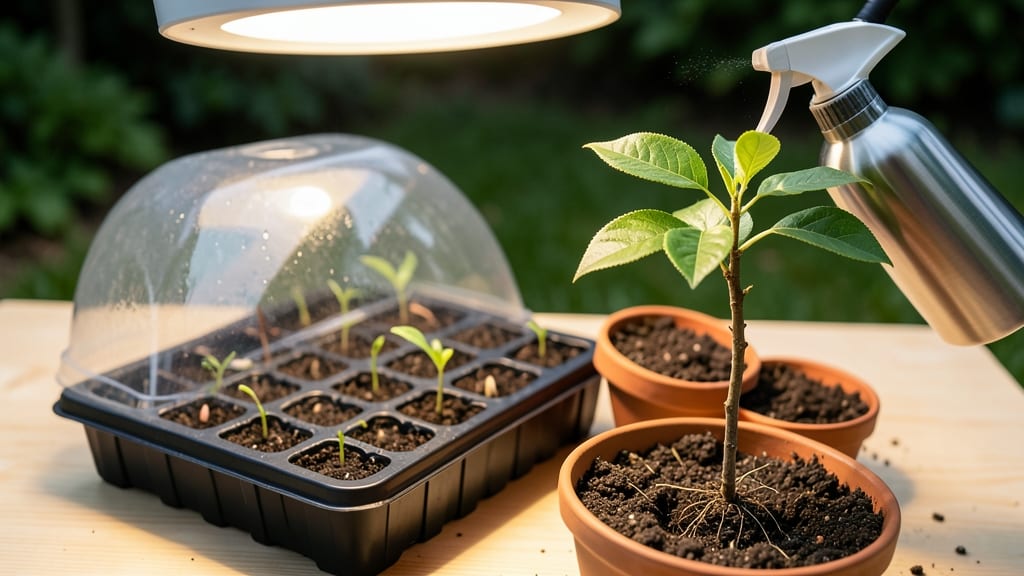
Watching peach tree seed germination unfold after 60 days is a thrilling reward for the careful steps that come before.
It takes patience, but the first green shoot breaking through soil makes every effort worthwhile. 🌱 I've learned that skipping the stratification step means waiting months—or never seeing sprouts at all. The key is mimicking nature's winter cycle to trick the seed into thinking it's finally spring.
You'll need just three things: peach pits (fresh is best), a damp paper towel or peat moss, and a warm spot. The stratification process is simple—soak the pits for 24 hours first, then refrigerate them for 4-6 weeks in slightly moist medium.
This cold treatment breaks dormancy, and when you plant them in well-draining soil, germination becomes predictable rather than a guessing game.
By day 60, you'll likely see those first delicate leaves unfurling, signaling it's time to transplant seedlings into individual pots. The real magic happens when they develop true leaves—about 3-4 weeks after sprouting—and you can start hardening them off for outdoor planting.
Just remember: peach trees grown from seed may not fruit like their parent, but the journey of watching them grow is pure reward.
This method works in zones 5-9, though timing varies slightly by climate. For cooler areas, start earlier indoors; warmer zones can begin outdoors once soil warms to 60°F. The biggest mistake?
Rushing the process—peach seeds need that cold period to wake up properly. With these steps, you'll have sturdy young trees ready for their permanent home in just a few months.
📚 In This Guide
- What you need
- Instructions
- Tips and common mistakes
- Wrapping up and next steps
What you need
- ● Peach pits (seeds): 3–5 fresh, firm pits from ripe peaches (avoid store-bought pits if possible—use homegrown for best results).
- ● Water: Room-temperature or slightly warm (not hot).
- ● Containers: Small bowl or jar (for soaking pits).
- ● Plastic bag or damp paper towels (for stratification).
- ● Seedling pots (4–6 inches deep, with drainage holes) or a seed tray.
- ● Growing medium: Well-draining potting mix (avoid garden soil—it can compact and hinder growth).
- ● Plastic wrap or humidity dome: To retain moisture during germination.
- ● Spray bottle: For gentle watering.
- ○ Label or marker: To track planting dates (optional but helpful!).
- ● Refrigerator (for cold stratification—if you don’t have a cool, dark spot like a basement).
- ● Heat mat (to speed up germination in cooler climates).
- ● Grow lights (if natural light is limited during early stages).
- ● Fungicide (like hydrogen peroxide or cinnamon powder) to prevent mold.
- ● Pruning shears (for trimming future seedlings if needed).
How to germinate peach tree seeds through stratification
This method ensures strong, viable seedlings in about two months—here's how I do it reliably every season.
🌱 Step 1: Collect and Prepare the Seeds
Peach pits need freshness for best results, so use seeds from fully ripe fruit within a few days of harvest. Remove the pit carefully, then crack it open with a nutcracker or hammer to extract the seed. You’ll need 4 seeds total for your project, so collect extra in case some are damaged.
Inspect each seed for cracks or soft spots—discard any that look compromised. The seed should feel firm and heavy for its size. Place the viable seeds in a small bowl of lukewarm water and let them soak for 24 hours. This softens the outer shell and kickstarts the germination process.
🌿 Step 2: Stratify for Cold Treatment
After soaking, drain the seeds and wrap them in a damp paper towel. Place the towel inside a sealed plastic bag to retain moisture, then refrigerate for 6-8 weeks. This cold stratification mimics winter conditions, breaking seed dormancy. Check the towel weekly—if it dries out, mist it lightly with water and reseal the bag.
You’ll know stratification is working when the seeds begin to sprout tiny white roots or crack slightly. This usually happens within 4-6 weeks, but some may take longer. Don’t rush this step—proper stratification ensures stronger seedlings later. If mold appears, discard the seeds immediately and start fresh.
⏰ Step 3: Plant Stratified Seeds in Moist Growing Medium
Fill a small container (about 4 inches deep) with a mix of 50% potting soil and 50% perlite for drainage. Moisten the mix until it’s damp but not soggy—you should be able to squeeze a handful without water dripping out. Plant each seed 1 inch deep, spacing them evenly if using multiple containers.
Cover the container loosely with plastic wrap to retain humidity, then place it in a warm spot (around 70-75°F) with indirect light. Avoid direct sunlight at this stage—you’re nurturing roots, not leaves. Water gently every 3-4 days, keeping the soil consistently moist but never waterlogged.
☀️ Step 4: Transition to Light and Monitor Growth
Once the first true leaves appear (usually within 2-3 weeks after planting), remove the plastic wrap and move the seedlings to a bright location with 6-8 hours of filtered sunlight daily. You’ll notice the stems thicken and leaves darken as they strengthen. If the soil surface dries out between waterings, mist it lightly to avoid disturbing the roots.
After 4-6 weeks of growth, transplant each seedling into its own 6-inch pot filled with fresh potting mix. Handle the seedlings by their leaves, not the stems, to prevent damage. Keep them indoors until all risk of frost has passed—peach trees are tender and won’t survive cold snaps.
Tips & tricks for perfect peach tree seed germination
Here's what I learned after years of trial and error to ensure your peach tree seeds grow strong and healthy.
Seed Selection: Don't just grab any peach pits—pick only the firmest, heaviest ones from fully ripe fruit. I've found that seeds from organic peaches often have thicker shells that resist cracking during stratification. If your seeds feel light or have visible cracks, they won't survive the process, no matter how carefully you follow the steps.
Stratification Environment: The refrigerator is perfect for stratification, but I've discovered that placing the sealed bag on a shelf near the crisper drawer (where temperatures are most consistent at around 35-40°F) gives the most reliable results. Avoid the door shelves—they fluctuate wildly when you open and close the fridge. During those 6-8 weeks, I check the moisture level weekly because even slight drying can break the stratification process.
Planting Depth: The 1-inch planting depth mentioned is crucial—any deeper and the seeds may rot before sprouting, while shallower planting exposes them to drying out. I've found that using a pencil to make small holes in the soil mix makes planting perfectly 1 inch deep much easier. After planting, I gently press the soil around each seed to eliminate air pockets that could prevent proper root contact with the moist medium.
Light Transition: When you move your seedlings to brighter light after the first true leaves appear, don't rush them into direct sun. I've had the best success by gradually increasing their sun exposure over 3-4 days. Start with 2 hours of morning sun, then add 1 hour each subsequent day until they're getting 6-8 hours of filtered sunlight daily. This gradual transition prevents sunburn on the delicate young leaves.
Pro Tips for Peach Tree Seed Germination
- Here's what I learned after years of trial and error to ensure your peach tree seeds grow strong and healthy.
- Seed Selection: Don't just grab any peach pits—pick only the firmest, heaviest ones from fully ripe fruit. I've found...
- Stratification Environment: The refrigerator is perfect for stratification, but I've discovered that placing the seal...
Frequently asked questions
Got questions about peach tree seed germination?
You’re not alone! Here are answers to the most common concerns—from timing to troubleshooting—to help you grow your own peach tree from seed with confidence.
How long does it take for peach tree seeds to germinate?
Peach seeds typically take 60–90 days to germinate after stratification (the cold treatment). Some may sprout sooner, while others need extra time—especially if they’re fresh or under-stratified. Patience is key! Monitor moisture levels and warmth (70–75°F) to speed things up.
Can I skip stratification for peach seeds?
Stratification is essential for breaking dormancy in peach seeds. Without it, seeds may rot or never sprout. Use the soak + cold-moist treatment (6–8 weeks in the fridge) to mimic winter conditions. Skipping it? Your seeds might never wake up!
Will my peach tree seed grow true to the parent fruit?
Probably not! Peach seeds are highly unpredictable—the resulting tree may produce different-sized fruit, colors, or even no fruit at all. For consistent varieties, graft a known cultivar onto your seedling later. Think of it as a fun experiment, not a guarantee!
My peach seeds are moldy—what went wrong?
Mold usually means too much moisture or poor airflow. Check your setup: seeds should stay moist but not soggy. Use sterile potting mix, a well-ventilated container, and avoid overwatering. If mold appears, discard the seeds and start fresh with clean materials.
How big should my peach seedling be before transplanting outdoors?
Aim for 12–18 inches tall with a sturdy stem and several leaves before moving it outside. Harden off seedlings gradually (1–2 weeks) in partial shade, then plant in spring after the last frost. Choose a sunny spot with well-draining soil—peach trees hate soggy roots!
| Quick Troubleshooting Guide |
|---|
| No sprouts after 3 months? Try re-stratifying or testing seed viability (cut open a seed—if it’s firm and white, it’s still good). |
| Seedlings look leggy? Provide bright indirect light (grow lights help!) and avoid overcrowding. |
| Pests attacking seeds? Use a fine mesh or repot with insect-free soil. Neem oil can treat early infestations. |
Wrapping up and next steps
Germinating peach tree seeds is a rewarding journey that blends patience with the joy of nurturing life! With the right techniques—like soaking, stratification, and consistent care—you can watch tiny seeds transform into thriving saplings in just 60 days.
Remember, success depends on timing, temperature, and tenderness, so stay attentive and celebrate each milestone.
Now that you’re armed with knowledge, why not take the next step? Grab those seeds, set up your germination station, and let nature work its magic. Your future peach tree is waiting—happy growing! 🌱✨