
Lawn
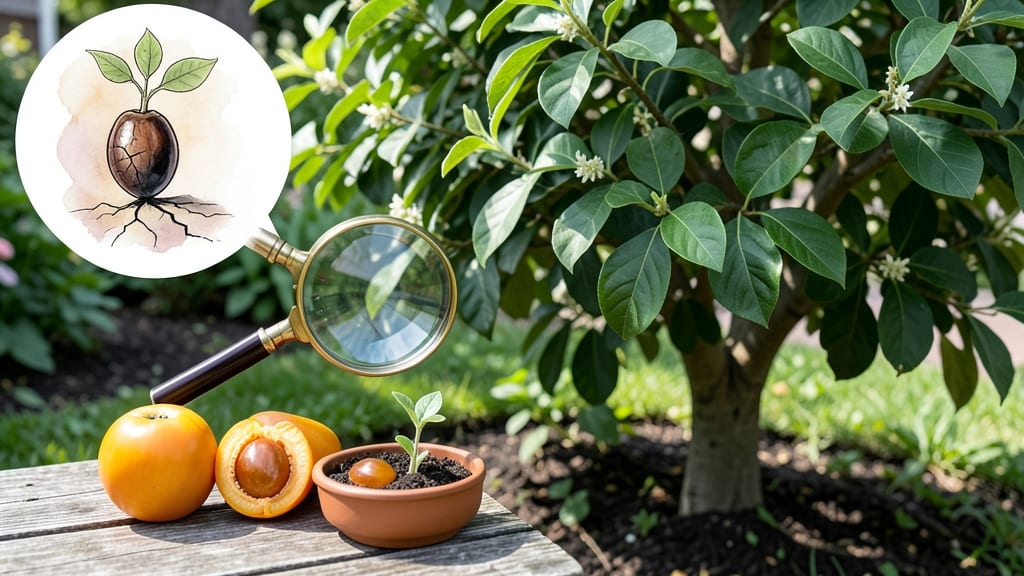
That persimmon seed myth—the one warning you to toss them like toxic waste—is just that: a myth.
That seed in your fruit isn’t a time bomb—it’s actually edible and easy to grow once you know the right steps. 🌱 I’ve cracked the code on harvesting and planting these seeds, and the results are surprisingly simple, not complicated by old wives' tales.
The real myth? Persimmon seeds need stratification—but only if you're planting them fresh. Store-bought seeds (or those dried for a few months) skip this step entirely.
The key is moisture and warmth: just plant them ½ inch deep in well-draining soil, and they’ll sprout in 2-4 weeks without any fuss.
What you end up with is a fast-growing sapling that thrives in full sun, producing fruit in just 3-5 years. The trees handle drought better than most fruit trees, and the seeds themselves are packed with nutrients—no need to fear them like some gardening guides suggest.
Perfect for gardeners who want low-maintenance fruit trees or just want to debunk the old "persimmon seeds are dangerous" myth. Here’s how to handle them safely and successfully, step by step.
📚 In This Guide
- What you need
- Instructions
- Tips and common mistakes
- Wrapping up and next steps
What you need
- ● Ripe persimmons: 3–5 medium-sized fruits (choose Diospyros kaki or Diospyros virginiana for best results). Look for a deep orange hue and slightly soft texture when ripe.
- ● Sharp knife or pruning shears: A sterilized tool (e.g., a chef’s knife or garden shears) to cut open the fruit.
- ● Cutting board or tray: A clean, flat surface to avoid mess and contamination.
- ● Small bowl or container: For collecting seeds (preferably non-reactive, like glass or stainless steel).
- ● Water: For rinsing seeds and testing (distilled or tap water works).
- ● Paper towels or cloth: To pat seeds dry before storage.
- ● Air-tight container (e.g., jar or ziplock bag): For seed storage (preferably with a desiccant packet to prevent moisture).
- ○ Optional test kit: A simple pH test strip (for advanced testing of seed viability).
- ● Gloves: Latex or nitrile gloves to protect hands from tannins (which can cause mild irritation).
- ● Food processor or blender: For quickly extracting seeds from pulp if testing viability.
- ● Labeling tape & marker: To label containers with dates (seeds can last 1–2 years if stored properly!).
- ● Notebook or app: For tracking persimmon varieties, harvest dates, or seed test results.
How to safely harvest and plant persimmon seeds
Let’s clear up the confusion once and for all—persimmons aren’t poisonous, but timing matters.
🌱 Step 1: Identify the Right Persimmon Variety
Not all persimmons behave the same. Astringent varieties like Hachiya must be fully ripe—soft to the touch and deep orange—before eating or planting. Non-astringent types like Fuyu can be harvested firm but still sweet. I always wait until the fruit falls naturally from the tree; forced picking leads to underripe seeds that won’t germinate properly.
Cut open the fruit and scoop out the seeds with a spoon. Rinse them under cool water to remove any clinging fruit pulp. Spread them on a paper towel to air-dry for 24 hours—this prevents mold and prepares them for storage. Store the dried seeds in a sealed container in the fridge until ready to plant.
🌿 Step 2: Stratify Seeds for Successful Germination
Persimmon seeds need cold stratification to break dormancy. Place the seeds in a plastic bag with a damp paper towel, then refrigerate for 30-60 days. Check weekly to ensure the towel stays moist but not soggy. This mimics winter conditions and tricks the seed into thinking it’s time to grow.
After stratification, plant the seeds ½ inch deep in a well-draining potting mix. I use a 50/50 blend of peat moss and perlite to prevent rot. Keep the soil consistently moist but never waterlogged—overwatering at this stage causes damping-off, a fungal disease that kills seedlings before they sprout.
☀️ Step 3: Provide Ideal Growing Conditions
Persimmon seedlings need bright, indirect light for the first few weeks. A south-facing window or a grow light set 4 inches above the tray works best. Direct sun too early scorches delicate leaves. You’ll know light is right when seedlings grow sturdy and upright rather than stretching toward the light.
Once true leaves appear (not the initial seed leaves), transplant seedlings into 4-inch pots with fresh potting mix. Harden them off outdoors over 10-14 days by gradually increasing exposure to sunlight and wind. Plant outdoors after the last frost when soil temperatures reach 60°F—cold soil slows root growth and weakens young plants.
⏰ Step 4: Maintain Persimmon Seedlings Through First Year
Persimmons thrive in full sun and well-draining soil with a pH of 6.0-7.0. Water deeply once a week during dry spells, letting the top 2 inches of soil dry out between waterings. Overwatering leads to root rot, which is fatal for young trees. Mulch around the base with 2 inches of wood chips to retain moisture and suppress weeds.
Fertilize lightly in spring with a balanced 10-10-10 formula—too much nitrogen promotes leafy growth at the expense of fruit production. Prune only to remove dead or crossing branches. Persimmon trees grow slowly but reward patience with sweet, disease-resistant fruit in 4-6 years.
Tips & tricks for perfect persimmon seed germination
Here's what nobody tells you about turning those tiny seeds into thriving trees.
The Ripeness Factor: The 24-hour drying period is non-negotiable for seed viability. I've learned the hard way that skipping this step leads to moldy seeds that refuse to sprout. Place your seeds on a single layer of paper towel in a well-ventilated area away from direct sunlight—this prevents moisture buildup that causes rot. The seeds should feel dry to the touch after 24 hours, not just slightly damp.
Stratification Secrets: That 30-60 day cold treatment isn't just arbitrary—it mimics winter conditions that break seed dormancy. I've had the best success with the longer end of that range (closer to 60 days) for persimmons. Use a clear plastic bag so you can check moisture levels without opening it, and place a small piece of paper towel inside the bag to monitor condensation. If you see ice crystals forming, your seeds are getting too cold.
Lighting Insight: The 4-inch distance from grow lights is critical for preventing leggy seedlings. I've seen seedlings stretch toward light sources when placed too close, resulting in weak stems that snap easily. Use a timer for 12-14 hours of light daily to simulate natural daylight cycles. When true leaves appear, increase light intensity gradually over 3-4 days to avoid shocking the delicate seedlings.
Soil Science: That 50/50 peat moss and perlite mix isn't just random—it creates the perfect air-to-moisture ratio for persimmon seeds. I've found that adding a handful of coarse sand to this mix improves drainage even further. Water from the bottom of the container (by placing it in a shallow tray of water for 10 minutes) to encourage roots to grow downward rather than sitting in soggy soil.
Pro Tips for Persimmon Seed Myth
- Here's what nobody tells you about turning those tiny seeds into thriving trees.
- The Ripeness Factor: The 24-hour drying period is non-negotiable for seed viability.
- Stratification Secrets: That 30-60 day cold treatment isn't just arbitrary—it mimics winter conditions that break seed dormancy.
Frequently asked questions
Got questions about persimmon seeds and their safety?
You’re not alone—this myth has sparked curiosity (and concern) for years. Below, we tackle the most common queries with clear, science-backed answers to keep you informed and safe.
Can you really die from eating unripe persimmon seeds?
The myth claims raw, unripe persimmon seeds contain divicoumarin, a toxin that can cause fatal bleeding. While ripe, fully cooked seeds are safe (and even edible in some cultures), unripe, raw seeds can indeed be toxic. The risk is low if you avoid green, hard seeds—but when in doubt, discard them or cook them thoroughly.
How do I know if a persimmon is ripe enough to eat?
Ripeness is key! A ripe persimmon will be deep orange, slightly soft when gently squeezed (like a peach), and may even split open naturally. Unripe ones are rock-hard. Never eat unripe persimmons—their seeds and flesh contain tannins that cause stomach upset. For variety like Fuyu (which can be eaten firm), check the label!
Are persimmon seeds edible if roasted or cooked?
Yes! Once fully cooked (roasted, boiled, or fried), persimmon seeds lose their toxins and can be eaten like nuts. They’re rich in healthy fats, protein, and fiber. Pro tip: Toast seeds in a dry pan until fragrant (about 10 minutes) to enhance flavor and safety. Just avoid raw or undercooked seeds—no exceptions!
What’s a safe alternative if I don’t want to risk seeds?
No worries—persimmon flesh is 100% safe to eat (ripe or not) and delicious in desserts, salads, or smoothies. For seed-free options, buy seedless varieties (like Fuyu) or remove seeds manually. You can also blend the flesh into jams, muffins, or even savory dishes—no seeds required!
What should I do if I accidentally eat raw persimmon seeds?
Stay calm! Mild cases may cause nausea or stomach discomfort within hours. If you experience severe symptoms (vomiting, dizziness, or bleeding), seek medical help immediately. Otherwise, drink water, rest, and monitor your body. Prevention is key: Always double-check ripeness and cooking status before consuming seeds.
Wrapping up and next steps
The myth around persimmon seeds being toxic is partially true—but only if eaten raw! While the seeds contain tannins that can cause stomach upset, properly roasting or cooking them neutralizes the risk, making them safe (and nutritious!).
Whether you're harvesting fruit or exploring folklore, knowledge is your best tool—so don’t let old tales hold you back.
Ready to put this to the test? Try roasting a few seeds yourself—you might just discover a tasty (and safe) snack! 🌱✨