
Planting
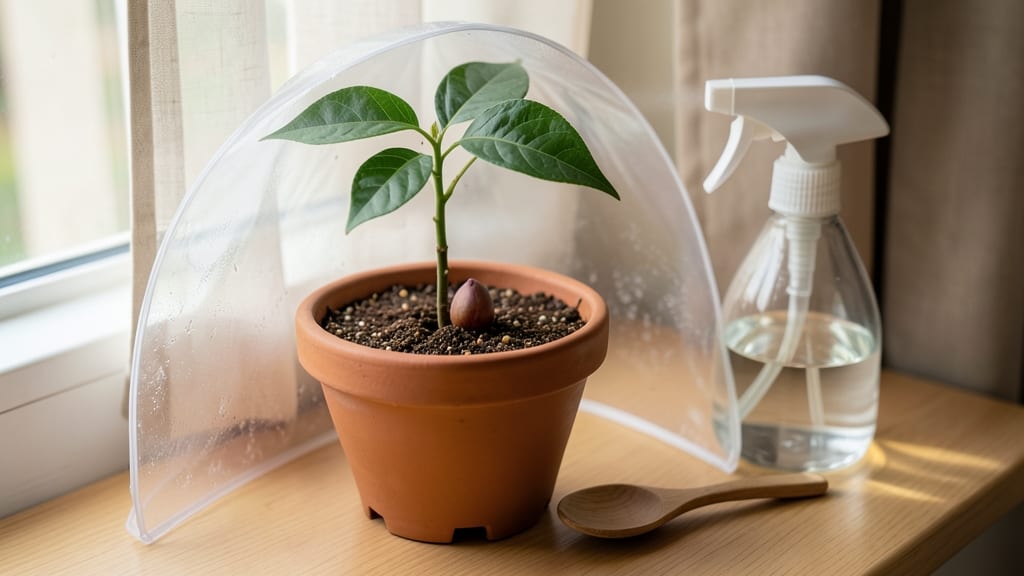
Planting a mango seed in a pot is the easiest way to grow a tropical tree indoors—no greenhouse needed. 🌱 I’ve watched stubborn mango pits sprout into 3-foot seedlings with just a few key tricks, and you can too.
The secret isn’t fancy equipment but understanding how these tropical plants really want to germinate.
Start with a small pot (6 inches works), a mix of potting soil and perlite, and a warm spot near a sunny window. Mango seeds take patience—some sprout in 2 weeks, others wait 2 months—but once that first leaf cracks through, you’ll be hooked.
The key is keeping the soil damp (not soggy) and avoiding drafts, since mango trees hate cold.
By month 6, you’ll have a sturdy seedling with glossy leaves, ready for a bigger pot or outdoor summer adventures. The real magic? That first ripe mango taste—even if it never fruits, the journey is worth it. Just don’t expect speed; tropical plants move on their own timeline.
This method works for any mango seed—store-bought or wild—so save those pits instead of tossing them. With the right care, you could be nurturing a tree that lives for decades. Let’s get that seed sprouting!
📚 In This Guide
- What you need
- Instructions
- Tips and common mistakes
- Wrapping up and next steps
What you need
- ● Mango seed: 1 fresh, viable seed (preferably from a ripe, organic mango—avoid seeds from store-bought fruit if possible).
- ○ Planting pot: 1 small pot (4–6 inches in diameter) with drainage holes. Optional: A biodegradable peat pot for easy transplanting later.
- ● Potting mix: 1 bag of well-draining, sterile soil blend (e.g., cactus/succulent mix or a 50/50 blend of potting soil and perlite/sand).
- ● Watering can or spray bottle: 1 with a fine rose attachment for gentle watering.
- ○ Plastic wrap or clear lid: 1 sheet or dome to create a humidity tent (optional but helpful for germination).
- ● Label or marker: 1 to track planting dates (trust us, you’ll forget!).
- ● Seedling heat mat: 1 (to maintain warmth, ideal for faster germination).
- ● Fertilizer: 1 mild, balanced liquid fertilizer (e.g., 10-10-10) for post-germination care.
- ● Grow lights: 1 LED bulb or full-spectrum light (if natural light is limited).
- ● Pruning shears: 1 small pair (for future trimming as your tree grows).
- ● Mulch or pebbles: A handful (to retain moisture and deter pests).
Step-by-step instructions for planting a mango seed in a pot
Here's how I turn a single seed into a thriving houseplant—no fancy tools needed.
🌱 Step 1: Prepare the Seed and Container
Start with a fresh mango seed—save the pit from ripe fruit and let it dry for 3-4 days at room temperature. This prevents rot. Once dry, clean off any remaining fruit pulp with a damp paper towel. Use a 4-inch diameter pot with drainage holes (I reuse plastic yogurt cups with holes poked in the bottom).
Fill the pot halfway with well-draining potting mix—mango seeds rot easily if soggy. Press the mix down gently but don’t compact it. The goal is loose soil that lets air reach the seed. A sprinkle of perlite mixed in helps prevent waterlogging. Here’s the thing—don’t skip the drainage holes. I learned that the hard way when my first seed turned mushy.
💧 Step 2: Plant the Seed and Water Lightly
Place the seed pointy end up (the sprout will emerge from the flat side) about ½ inch deep in the soil. Cover it lightly with more potting mix—just enough to hide it, no deeper. Press the soil around the seed gently to secure it. Water sparingly with a spray bottle until the top inch of soil feels damp but not wet. Overwatering now is the fastest way to kill your seed before it even sprouts.
Set the pot in a warm spot (75-85°F)—a sunny windowsill or near a heat vent works. I place mine on top of my fridge where it stays consistently warm. Cover the pot loosely with plastic wrap to retain moisture, but leave a tiny gap for airflow. Check daily for condensation—if the wrap fogs up, remove it for 30 minutes to prevent mold.
☀️ Step 3: Wait for Germination and Provide Light
Germination takes 2-6 weeks, depending on warmth. You’ll know it’s working when you see a tiny sprout poking through the soil—first true leaves will look like tiny, rounded cotyledons. Once the sprout reaches 1-2 inches tall, remove the plastic wrap completely. This is the moment that matters: too much humidity now causes damping-off, where the stem collapses overnight.
Move the pot to bright, indirect light—a south-facing window is ideal. If leaves start stretching toward the light (a sign of legginess), your plant needs more intensity. I supplement with a grow light for 12-14 hours daily if natural light is weak. Rotate the pot quarter-turn weekly so the seedling grows straight, not lopsided.
🌿 Step 4: Care for the Seedling and Encourage Growth
Water when the top inch of soil feels dry—stick your finger in to check. Mango seedlings hate soggy roots but also dry out fast. I water from the bottom by placing the pot in a tray of water for 10 minutes, then draining excess. This method prevents overwatering while keeping roots moist. Fertilize lightly with diluted houseplant fertilizer (half-strength) once the seedling has 4-5 true leaves, about 3 months after planting.
Your mango seedling will grow slowly at first—don’t rush it. When it reaches 6-12 inches tall, transplant it into a 6-inch pot with fresh potting mix. Keep it indoors for at least 1 year before considering outdoor planting (if you live in a tropical or subtropical climate). Real talk: most mango seeds never produce fruit indoors, but the journey is worth it for the lush, tropical foliage.
Tips & tricks for planting a mango seed in a pot
Here's what nobody tells you about growing a mango seed—these tricks saved my first three failed attempts.
Seed Selection: Choose a seed from a ripe, organic mango if possible. Conventionally grown fruit often has seeds treated to prevent germination. The larger the seed, the better—small seeds take longer to sprout and may not have enough energy reserves. I always save seeds from mangoes I've eaten myself rather than buying seeds online.
Germination Environment: The 75-85°F temperature range is critical—any cooler and germination slows dramatically. If your home stays below 70°F, consider using a seedling heat mat (set to 80°F) under your pot. I've seen seeds take 3 months to sprout at 65°F instead of the usual 2-6 weeks. Also, place a small thermometer near your pot to monitor temperature consistently.
Soil Moisture Balance: The "top inch feels damp" rule is your best guide, but here's the trick: use your finger to check moisture before watering. If the top inch feels dry but the soil below is still damp, wait another day. I've ruined seeds by thinking they needed water when they were actually fine. For extra insurance, use a moisture meter—these inexpensive tools take the guesswork out of watering.
Light Transition: When your sprout reaches 1-2 inches, gradually introduce it to brighter light over 3-5 days rather than moving it directly to full sun. Sudden light exposure can shock delicate seedlings. I place mine near a window for a few hours the first day, then gradually increase exposure. This prevents the leggy growth that happens when plants stretch toward light too quickly.
Pro Tips for Plant Mango Seed In Pot
- Here's what nobody tells you about growing a mango seed—these tricks saved my first three failed attempts.
- Seed Selection: Choose a seed from a ripe, organic mango if possible. Conventionally grown fruit often has seeds trea...
- Germination Environment: The 75-85°F temperature range is critical—any cooler and germination slows dramatically. If ...
Frequently asked questions
Got questions about growing mango seeds in pots? We’ve got answers! Here are some of the most common concerns—plus quick fixes to keep your little mango tree thriving.
How long does it take for a mango seed to sprout in a pot?
A mango seed typically sprouts in 2–4 weeks if kept warm (70–85°F) and moist. If nothing happens after 6 weeks, gently check for rot—discard soggy seeds and try again with fresh ones. Patience is key!
What’s the best temperature for germinating a mango seed in a pot?
Mango seeds germinate best in warmth (70–85°F). Place your pot near a sunny window, under a grow light, or even on top of a fridge. Avoid cold drafts—cool temps slow or stop germination. A mini greenhouse (like a plastic bag over the pot) can help!
Can I plant a mango seed directly in a pot without soaking it first?
While you can plant it dry, soaking the seed for 24–48 hours first speeds up germination. Place it in warm water, change it daily, and watch for a tiny sprout! If you skip soaking, ensure the soil stays consistently moist to compensate.
Why did my mango seed sprout but then die?
Common culprits: overwatering (roots rot easily), drafts (sudden cold shocks), or lack of light. Keep soil damp (not soggy), move the pot to bright indirect light, and avoid temperature swings. If the stem turns mushy, trim above the rot and replant!
How big should the pot be for a mango seedling?
Start with a small pot (6–8 inches wide)—mango seedlings hate soggy roots. Use well-draining soil (cactus/succulent mix works) and upgrade to a 12-inch pot only after 6–12 months. Drainage holes are a must to prevent root rot!
Can I grow a mango tree from a store-bought seed?
Yes! But store-bought seeds may be hybrids, so fruit quality varies. For true mango flavor, save seeds from a ripe, organic mango (like ‘Haden’ or ‘Keitt’ varieties). If you’re impatient, buy a grafted sapling for faster, better results.
Wrapping up and next steps
Growing a mango tree from seed in a pot is a rewarding journey that blends patience with the joy of nurturing life! 🌱 With the right tools, a little care, and these 4 simple steps, you’ve got everything you need to kickstart your mango seedling adventure.
Remember, consistency is key—water gently, provide warmth, and watch your tiny seed transform into a thriving plant.
Now that you’re armed with knowledge, take the next step: grab that seed, pick your pot, and get planting! Even if progress feels slow at first, trust the process.
Before you know it, you’ll be harvesting your own homegrown fruit—or at least enjoying the beauty of a lush, tropical houseplant. Happy growing! 🌟