
Lawn
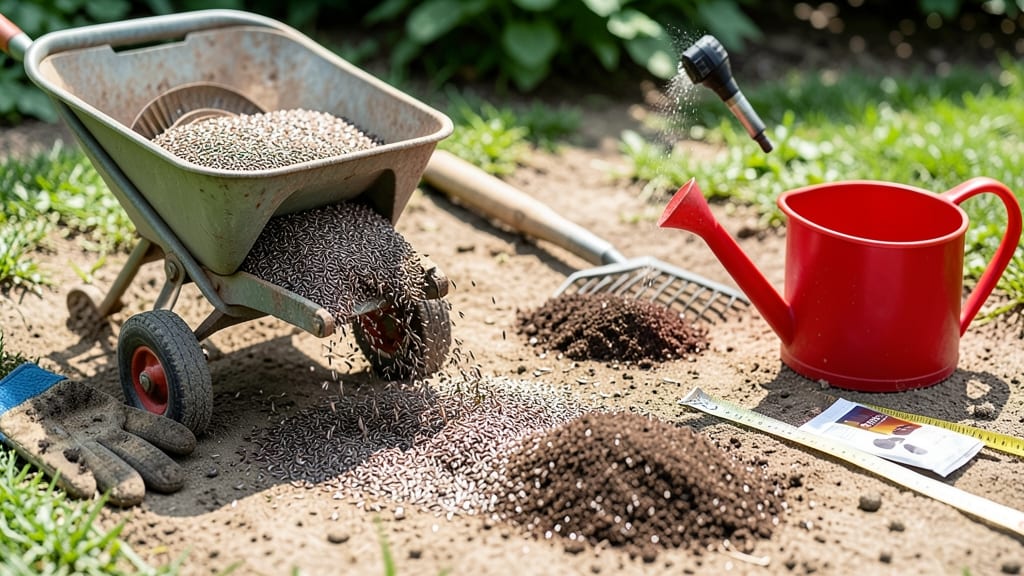
Planting grass seed in autumn gives you a head start on next year's lawn—cool weather means faster germination and stronger roots before winter sets in. 🌱 I've seen bare patches transform into thick, green carpets by spring simply by timing the planting right, and it all comes down to those crisp fall days when soil stays warm but air cools.
The secret isn't just throwing seed—it's prepping the soil just right, choosing the right seed for your zone, and keeping moisture consistent. Most people skip soil testing or water too much, both of which sabotage growth.
With the right approach, you'll see sprouts in 7-21 days, depending on your climate and seed type. By winter, those roots will be deep and established, ready to burst with growth as soon as spring warms up. The result?
A lawn that outshines neighbors who planted in spring, with fewer weeds and less maintenance long-term. This method works for zones 3-9, though timing shifts slightly north vs. south. Let’s get into the exact steps that make autumn planting foolproof—no guesswork, just results.
📚 In This Guide
- What you need
- Instructions
- Tips and common mistakes
- Wrapping up and next steps
What you need
- ● Grass seed: Choose a cool-season variety (e.g., Kentucky bluegrass, fescue, or ryegrass) suited to your climate. Quantity: 4–8 lbs per 1,000 sq ft (follow package instructions for mix ratios).
- ○ Lawn soil test kit: Check pH and nutrient levels (ideal pH: 6.0–7.0). Optional but highly recommended!
- ● Topsoil or compost: ¼–½ inch layer to improve soil quality. Quantity: ~1 cubic foot per 100 sq ft.
- ● Lawn rake: A bow rake (for leveling) and a garden rake (for seed-to-soil contact).
- ● Spreaders: Broadcast spreader: For large areas (calibrate for even coverage).
- ● Drop spreader: For precision (ideal for small patches).
- ● Watering supplies: Hose with adjustable nozzle (gentle spray setting).
- ● Sprinkler (soaker hose for frequent, light watering).
- ● Starter fertilizer: Low-nitrogen, high-phosphorus blend (e.g., 5-10-10 ratio) to boost root growth. Apply: ½ lb per 1,000 sq ft before seeding.
- ● Lawn roller: Lightweight (50–100 lbs) to press seed into soil after watering.
- ● Mulching straw/hay: Thin layer (¼ inch) to retain moisture and protect seed from birds.
- ● Weed barrier fabric: If overseeding an established lawn to block weeds.
- ● Garden gloves & knee pads: Because comfort matters! 😉
Step-by-Step instructions for planting grass seed in autumn
Autumn’s mild temperatures and steady rains create the perfect window for growing a thick, resilient lawn.
🌱 Step 1: Prepare the Soil for Optimal Seed Contact
Start by mowing your lawn shorter than usual—about ½ inch—to expose fresh soil and remove competing weeds. This isn’t just about height; it’s about giving seeds a clean slate to germinate against. After mowing, rake the area thoroughly with a stiff-bristle rake to break up any compacted soil and create a fine, crumbly texture.
Pay attention to the soil’s moisture level—it should feel like a damp sponge, not a soggy sponge. If it’s too dry, water lightly the night before to prepare it. If it’s too wet, wait a day or two for excess moisture to evaporate. The goal is soil that holds moisture but doesn’t puddle. This ensures seeds stay hydrated without risking rot.
💧 Step 2: Spread Grass Seed Evenly for Uniform Germination
Use a broadcast spreader to distribute the grass seed evenly across the prepared area. Walk in a crisscross pattern—first one direction, then perpendicular—to avoid missing spots or creating thick patches. For a 4,000-square-foot lawn, you’ll need about 8-12 pounds of seed, depending on the blend. Lightly overlap each pass to maintain consistency.
After spreading, go over the area again with the rake, this time gently dragging it to press seeds into the soil without burying them. Grass seeds need ¼ to ½ inch of soil contact to germinate properly. If you bury them too deeply, they’ll struggle to break through. Think of it like tucking them into a cozy blanket—just enough coverage to feel secure, not smothered.
☀️ Step 3: Water Gently and Consistently for Germination
Water the seeded area lightly but frequently—aim for ¼ inch of water per day, split into two applications. Morning is ideal because it allows moisture to penetrate the soil without evaporating quickly. Use a fine mist setting on your sprinkler to avoid dislodging seeds. You’ll know you’re doing it right when the top inch of soil stays damp but not waterlogged.
Keep this routine for 3-4 weeks, or until the new grass reaches about 2-3 inches tall. This is the critical phase where seeds need steady moisture to establish roots. If you see the soil drying out between waterings, adjust your schedule. The goal is to mimic autumn’s natural rainfall—gentle, persistent, and never overwhelming.
✂️ Step 4: Maintain and Protect New Growth
Once the grass reaches 3-4 inches tall, it’s time to mow—but don’t cut more than ⅓ of the blade at once. This keeps the grass strong without shocking the roots. Use a sharp mower blade to avoid tearing the grass, which can invite disease. Mowing also encourages the grass to thicken and fill in any bare spots.
Lightly fertilize with a slow-release, cool-season fertilizer after the first mowing to provide nutrients without burning the new growth. Avoid heavy foot traffic on the area for at least 4-6 weeks to give the roots time to establish. If birds or pets are a concern, cover the area with straw or netting until germination is complete—it’s a small sacrifice for a lush, even lawn.
🪴 Step 5: Adjust Care as Seasons Shift
As winter approaches, reduce watering to once a week unless there’s a prolonged dry spell. Grass goes dormant in cold weather, and overwatering can lead to rot. In early spring, resume watering as new growth appears, but avoid fertilizing until the soil warms to 50°F or above. This ensures the grass wakes up strong and ready to thrive.
By late spring, your lawn should be thick and uniform, with no visible gaps. If you notice thin patches, overseed again in autumn—the cycle continues. The key is patience and consistency. Autumn planting sets the foundation for a lawn that stays green, resilient, and low-maintenance year after year.
Tips & tricks for perfect autumn grass seed planting
Here's what nobody tells you about getting that flawless autumn lawn—these tricks will save you time and frustration.
Soil Prep Secret: After mowing to ½ inch in Step 1, test your soil's moisture by squeezing a handful. It should hold together but not drip water—this is your "damp sponge" sweet spot. If you're unsure, do the "footprint test": step on the soil and see how quickly it springs back. Slow recovery means it needs more water; no recovery means it's too wet. This prevents both under- and over-watering from the start.
Seed Distribution Technique: In Step 2, walk in your crisscross pattern but add this pro move: after the first pass, step back and look for any shadows or lighter patches where the seed might be thin. This visual check catches missed spots before they become bare patches later. For larger areas, consider dividing the lawn into sections and marking your progress with flags or spray paint to avoid overlap confusion.
Watering Timing Hack: The ¼ inch daily watering in Step 3 works best if you split it into morning and evening. Water in the morning to let moisture penetrate before evaporation, then give a light evening mist to keep the soil consistently damp. Use a rain gauge or tuna can to measure—eyeballing often leads to either too little or too much water. This mimics nature's gentle, persistent rainfall perfectly.
Early Protection Strategy: In Step 4, if you're dealing with birds or pets, use biodegradable netting instead of straw—it's easier to install and won't need removal later. For high-traffic areas, consider laying down temporary plywood walkways to protect the new growth while still allowing you to access the lawn. This keeps your lawn safe without sacrificing convenience.
Pro Tips for Planting Grass Seed In Autumn
- Here's what nobody tells you about getting that flawless autumn lawn—these tricks will save you time and frustration.
- Soil Prep Secret: After mowing to ½ inch in Step 1, test your soil's moisture by squeezing a handful. It should hold ...
- Seed Distribution Technique: In Step 2, walk in your crisscross pattern but add this pro move: after the first pass, ...
Frequently asked questions
Got questions about planting grass seed in autumn? You’re not alone! Here are some of the most common concerns—and their answers—to help you get started with confidence.
When is the exact best time to plant grass seed in autumn?
The ideal window is 4–6 weeks before your first hard frost, typically between late August and early October (varies by region). This gives seeds time to germinate and establish roots before winter dormancy. Check your local frost dates for precision!
How long does it take for grass seed to grow in autumn?
Most cool-season grasses sprout within 7–21 days in warm soil (60–75°F), but autumn’s cooler temps may slow germination to 3–4 weeks. Patience is key—consistent moisture and mild weather speed up the process.
Do I need to water grass seed every day in autumn?
Yes! Keep soil consistently moist (not soggy) for the first 2–3 weeks. Water lightly 2x daily (morning and evening) to prevent drying. Once seedlings are 2–3 inches tall, taper to 1 inch per week (including rain).
What if my lawn has weeds? Can I still plant grass seed in autumn?
Autumn is a great time to tackle weeds before seeding! Mow low, remove debris, and apply a pre-emergent herbicide (if needed) 2–3 weeks prior. For stubborn weeds, spot-treat with vinegar or manual removal—just avoid herbicides right before planting.Will frost or early snow kill new grass seed?
No—established seedlings (2+ inches tall) handle light frost well! But freshly planted seeds need warmth to germinate. If frost is forecast, cover seeds lightly with straw or mulch. Snow acts as insulation—just brush it off seedlings to prevent mold.
Can I overseed an existing lawn in autumn?
Autumn is perfect for overseeding. Mow low, dethatch if needed, and rake to loosen soil. Spread seed evenly, then water gently. This fills thin spots and boosts density—just avoid fertilizing right after seeding.
Wrapping up and next steps
Autumn is the perfect time to transform your lawn—cool temperatures and mild weather create ideal conditions for grass seed to thrive. By choosing the right seed, preparing your soil, and following a few key steps, you’ll soon enjoy a thick, vibrant lawn that’s the envy of the neighborhood. 🌱
Ready to take the next step? Grab your supplies, mark your calendar for early fall planting, and roll up your sleeves. Your future lawn will thank you—one seed at a time!