
Lawn
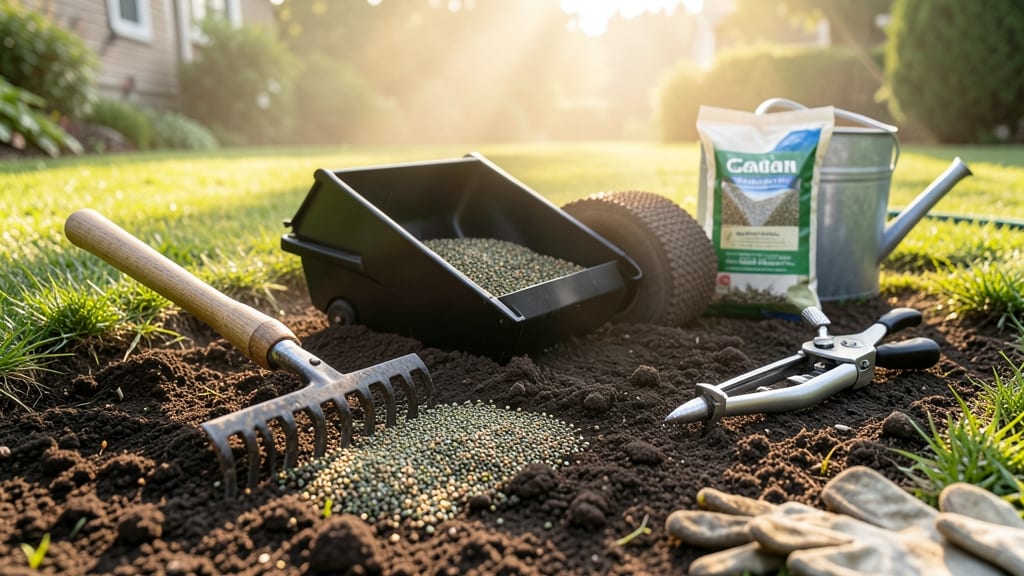
September is the best time to plant grass seed, when cooler temps and fewer weeds give your lawn a fighting chance. 🌱 I learned this the hard way—my spring planting struggled with heat and weeds, while my September patch filled in like a dream.
The key is timing: early enough for roots to establish, but late enough to avoid summer droughts.
Start with soil prep: rake out dead grass, loosen the top 2-3 inches, and mix in compost for nutrients. Choose a cool-season grass like fescue or ryegrass for your region—these thrive in fall.
Spread seed evenly (about 1 pound per 100 sq ft) and lightly rake it in so it touches bare soil.
Watering is critical: keep the soil moist (not soggy) for the first 2-3 weeks—daily light watering works best. You’ll see sprouts in 7-14 days, and by October, your lawn will be thick enough to handle winter. The result? A lush, weed-resistant lawn next spring, without the springtime rush.
Regional tweaks matter: Northern gardeners can plant through October, while Southern zones should finish by mid-September. Avoid planting too late—frost can damage young seedlings. Compare this to spring planting, where heat and weeds often sabotage results. September’s cooler weather gives grass the perfect head start.
📚 In This Guide
- What you need
- Instructions
- Tips and common mistakes
- Wrapping up and next steps
What you need
- ● Grass seed: Quantity: 5–10 lbs per 500 sq ft (varies by grass type—check seed bag for coverage rate).
- ● Type: Choose cool-season grasses (e.g., fescue, ryegrass, or bluegrass) for September planting.
- ● Soil testing kit: To check pH (ideal range: 6.0–7.0 for most grasses).
- ● Lime or sulfur: Adjust soil pH if needed (follow kit instructions).
- ● Lawn rake: Bow rake (for leveling) or dethatching rake (if thatch > ½ inch).
- ● Broadcast spreader: For even seed distribution (manual or drop-type).
- ● Water source: Garden hose with gentle sprinkler attachment (or soaker hose).
- ● Fertilizer: Starter fertilizer (high in phosphorus, e.g., 5-10-10 ratio).
- ○ Mulch (optional but recommended): Straw or peat moss (¼–½ inch layer) to retain moisture and protect seeds.
- ● Soil aerator: Core aerator (rent or buy) to improve seed-to-soil contact.
- ● Lawn roller: Lightweight (50–100 lbs) to press seed into soil gently.
- ● Weed fabric: If overseeding bare spots, lay down fabric before seeding to block weeds.
- ● Seed germination blanket: Biodegradable fabric to shield seeds from birds.
- ● pH test strips: Quick alternative to a full soil test.
Step-by-Step instructions for planting grass seed in September
September is prime time for a lush lawn—here’s how to transform bare spots into thick, green grass.
🌱 Step 1: Prepare the Soil for Optimal Seed Contact
Start by removing all debris, rocks, and weeds from your planting area. Use a rake to loosen the top 2-3 inches of soil—this creates a loose, crumbly bed that seeds can nestle into for strong root contact. I like to work the soil when it’s slightly damp; if it’s dry, lightly water the area first to help the soil soften.
For areas with compacted soil, rent a core aerator to pull small plugs of turf and soil. This opens up channels for roots to grow deeper and encourages better water absorption. After aerating, fill the holes with a thin layer of compost or topsoil—just enough to level the surface without burying seeds too deep.
🌿 Step 2: Spread Grass Seed Evenly for Uniform Growth
Divide your seed into two equal portions—this trick helps prevent clumping and ensures even coverage. Walk in opposite directions (first north-south, then east-west) while scattering the seed by hand. For larger areas, use a broadcast spreader set to the recommended rate for your grass type. Lightly rake the seeds into the soil with a stiff-bristled rake—just enough to cover them with ¼ inch of soil or compost.
Watch for bare spots as you work; if you see gaps, sprinkle a few extra seeds in those areas. Avoid over-seeding, though—too many seeds competing for space can lead to weak, patchy growth. A light misting with water will help settle the seeds into the soil without washing them away.
💧 Step 3: Water Gently and Consistently for Germination
Keep the soil evenly moist for the first 2-3 weeks—this is critical for germination. Water lightly twice daily (morning and evening) for the first week, using a gentle sprinkler or hose with a fine mist setting. The goal is to keep the top ½ inch of soil damp, not soggy. Overwatering can wash seeds away or cause them to rot before sprouting.
Once seedlings reach 1-2 inches tall, reduce watering to once daily but increase the duration slightly. You’ll know you’re doing it right when the soil stays moist but not puddled, and the grass blades stay upright instead of wilting. Avoid walking on the new grass—it’s delicate and can be easily damaged.
☀️ Step 4: Protect New Growth and Maintain Through Fall
If frost is forecast within 4-6 weeks, cover the seeded area with a lightweight frost blanket or straw to protect tender sprouts. Remove the cover during the day to allow sunlight. As temperatures drop, reduce watering slightly—new grass needs less moisture as growth slows, but the soil should never dry out completely.
By late fall, your new grass should be 3-4 inches tall and established enough to handle winter dormancy. Mow once with the blade set high (3-4 inches) to strengthen the roots before the first hard freeze. Avoid fertilizing in fall—let the grass focus on root development rather than top growth.
⏰ Step 5: Assess and Plan for Next Season
In early spring, check for thin spots or bare patches. If needed, overseed again in early September to maintain a thick, green lawn. Pay attention to how your grass performed—did it handle foot traffic well? Did certain areas stay greener longer? Use these observations to adjust your approach next year.
This is the moment you’ll see your hard work pay off: a lawn that’s thicker, greener, and more resilient than ever. September planting sets you up for success because cooler temps reduce stress on new grass, and regular fall rains do half the watering for you. Now go enjoy that freshly mowed turf!
Tips & tricks for perfect fall grass planting
September’s cooler weather gives grass seeds the perfect chance to thrive—here’s how to make the most of it.
Soil Prep Pro Tip: In Step 1, when loosening the top 2-3 inches of soil, focus on breaking up any hardpan layers. I’ve found that adding a thin layer of compost (about ¼ inch) after aerating gives seeds extra nutrients right where they need them. This small step makes a huge difference in root development during those critical first weeks!
Seed Spreading Strategy: For Step 2, if you’re using a broadcast spreader, calibrate it first on a scrap piece of cardboard to ensure you’re applying the right amount. Too much seed leads to competition, while too little creates patchy growth. I like to walk in a grid pattern—first north-south, then east-west—to catch every square inch without overlap.
Watering Wisdom: The twice-daily watering in Step 3 is non-negotiable for the first week, but timing matters just as much as frequency. Water in the early morning (before 8 AM) and late afternoon (after 4 PM) to minimize evaporation. A simple sprinkler timer can automate this—set it for 10-15 minutes per session and adjust based on how quickly the top ½ inch of soil dries.
Frost Protection Hack: When frost is forecast within 4-6 weeks (Step 4), I’ve had the best luck with lightweight frost blankets rather than straw. The blankets provide better insulation while still allowing sunlight through. Remove them during the day to prevent overheating—just check the forecast and adjust accordingly.
Pro Tips for Planting Grass Seed In September
- September’s cooler weather gives grass seeds the perfect chance to thrive—here’s how to make the most of it.
- Soil Prep Pro Tip: In Step 1, when loosening the top 2-3 inches of soil, focus on breaking up any hardpan layers. I’v...
- Seed Spreading Strategy: For Step 2, if you’re using a broadcast spreader, calibrate it first on a scrap piece of car...
Frequently asked questions
Got questions about nailing that September grass seed planting? You’re not alone! Here are the answers to the most common queries—so you can get started with confidence and avoid rookie mistakes.
Can I plant grass seed in September if I missed spring?
September is actually one of the best times to plant grass seed in many regions. Cooler temps and increased rainfall reduce stress on new seedlings, giving them a strong start before winter. Just check your USDA hardiness zone—some northern areas may prefer early September, while southern zones can extend into October.
How long does it take for grass seed to grow after September planting?
Most grass types sprout within 7–14 days, but full establishment takes 4–6 weeks. Cool-season grasses (like fescue or ryegrass) thrive in September’s mild weather, while warm-season grasses (like Bermuda) may struggle—stick to cool-season varieties for fall success. Light foot traffic for 4–6 weeks helps roots deepen!
Do I need to water grass seed every day in September?
Yes—but smartly! Keep soil consistently moist (like a damp sponge) for the first 2 weeks, watering lightly 2x daily (morning + evening). After germination, taper to 1–1.5 inches per week, including rain. Overwatering can wash away seed or cause fungal issues. A sprinkler timer saves time and ensures even coverage.
What if weeds pop up before my grass grows?
Weeds are normal early on, but don’t panic! Pre-emergent herbicides can harm new grass—opt for hand-pulling or a vinegar-based spray (1:1 vinegar/water) for stubborn weeds. Once your grass hits 3–4 inches, it’ll outcompete weeds naturally. For prevention, use mulch or straw (¼ inch thick) after seeding to block weed seeds.
Can I overseed an existing lawn in September?
Overseeding is a great idea in September! Mow your lawn short (1–1.5 inches), rake to loosen soil, and spread seed thinly. For thin spots, use a lawn spreader for even coverage. Focus on cool-season grasses like tall fescue or perennial ryegrass—they fill gaps beautifully before winter. Just avoid overseeding if your lawn has active weeds or thatch buildup.
Will frost or early winter kill newly planted September grass?
Not if you time it right! Plant 4–6 weeks before your first frost (check your local frost dates). Grass seed needs 4–6 weeks to establish roots, so aim for early-to-mid September in most zones. If frost hits early, cover seedlings with straw or burlap for protection—just remove it during the day for sunlight.
Wrapping up and next steps
September is your golden opportunity to grow a lush, resilient lawn—just follow these steps! With cooler temps, fewer weeds, and ideal moisture, your hard work will pay off in a vibrant green carpet. Don’t wait—soil and seeds are ready for action!
Now that you’re armed with the right tools, timing, and techniques, take the next step: schedule your planting day and watch your lawn transform. Happy gardening—your future lawn will thank you! 🌱✨