
Lawn
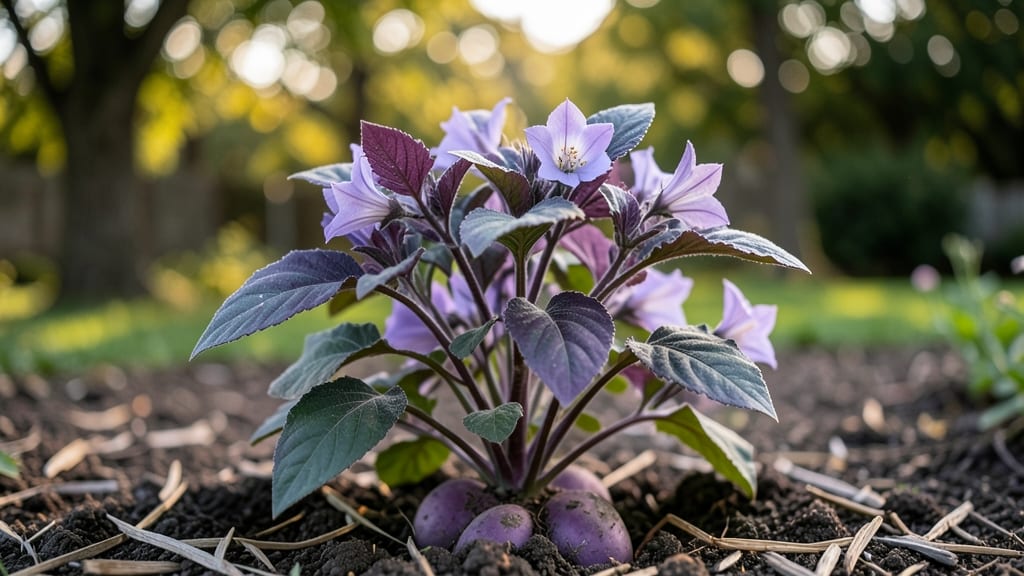
Growing purple seed potatoes unlocks a harvest that’s as stunning as it is delicious—deep violet skins hiding creamy, nutty flesh. 🌱 These cold-hardy tubers thrive where regular potatoes fail, producing earlier and more abundant yields even in cool climates.
Last spring, I planted mine in early March, and by May, I was harvesting dinner-worthy potatoes while neighbors were still waiting for their store-bought bags to sprout. The secret starts with soil: loosen it to 12 inches deep, mix in compost, and avoid fresh manure (it burns tender roots).
Plant cut seed potatoes 4 inches deep, spacing rows 30 inches apart—this gives plants room to sprawl without competing. They crave full sun (6+ hours daily) but tolerate partial shade better than most varieties, making them perfect for northern gardens or late-season planting.
Once established, keep soil consistently moist (not soggy) and watch for purple foliage—a sign of anthocyanins, the same antioxidants that make blueberries healthy. When flowers appear, hilling soil around stems boosts tuber production.
By late summer, you’ll dig up vibrant purple-skinned potatoes perfect for roasting, mashing, or even making colorful mashed potatoes that look as good as they taste.
They’re foolproof for beginners but reward experienced growers with year-round potential: plant in fall for a spring harvest, or grow in containers for patios. Just avoid storing them with regular potatoes—their skins bruise easily, and their flavor is too unique to hide!
📚 In This Guide
- What you need
- Instructions
- Tips and common mistakes
- Wrapping up and next steps
What you need
- ● Purple seed potatoes: 5–10 lbs (adjust based on planting area; 2–3 lbs per 100 sq ft is ideal). Choose certified disease-free tubers for best results!
- ● Well-draining soil: Loamy or sandy soil with a pH of 5.0–6.5. Amend with compost if your soil is heavy or clay-like.
- ● Organic matter: 2–3 inches of compost or aged manure per planting bed to enrich nutrients.
- ● Fertilizer: Balanced 10-10-10 or organic options like bone meal (for phosphorus) and kelp meal (for potassium).
- ● Garden fork or tiller: For loosening soil (1–2 feet deep).
- ○ Hand trowel or potato planter: For planting cut seed pieces (optional but helpful).
- ● Garden gloves: To protect hands while handling soil and tubers.
- ○ Hilling tool (optional): A hoe or small shovel for piling soil around stems as plants grow.
- ○ Row covers or frost cloth (optional): For early planting in cold climates.
- ● Watering can or hose with spray nozzle: For gentle, even watering.
- ● Sunlight: A sunny spot with at least 6–8 hours of direct sunlight daily.
- ● Spacing: Plant seed potatoes 12–15 inches apart in rows 30–36 inches apart.
- ● Climate awareness: Purple potatoes thrive in USDA zones 2–10. Start indoors 4–6 weeks before last frost if needed.
Step-by-Step guide to growing purple seed potatoes
Here's how I grow vibrant purple potatoes that thrive in cooler climates and deliver harvests well beyond the usual season.
🌱 Step 1: Select and Pre-Sprout Certified Seed Potatoes
Choose organic, certified seed potatoes—never grocery store potatoes, as they're treated to prevent sprouting. Purple varieties like Yukon Gold Purple or All Blue thrive in cooler climates. Cut larger seed potatoes into 2-3 ounce pieces, ensuring each has at least 2-3 eyes (the little dimples). Let the cut pieces heal for 1-2 days at room temperature to prevent rot.
Place the cut potatoes in a shallow tray with the cut side up. Store in a bright, cool location (55-60°F) where they'll receive indirect light. Within 2-3 weeks, you'll see 1-2 inch sprouts emerging—these are your indicators the potatoes are ready for planting. The stronger the sprouts, the faster and healthier your plants will grow.
🪴 Step 2: Prepare the Planting Site for Cold-Hardy Growth
Purple potatoes need well-draining soil with a pH of 5.0-6.5—test your soil first. Work in 3-4 inches of compost into the top 6-8 inches of soil to improve fertility and drainage. If your climate gets frost, plant in early spring (2-3 weeks before last frost) so tubers form before summer heat arrives. For year-round harvesting, plant successive batches every 2-3 weeks until 6 weeks before first frost.
Dig trenches 12 inches deep and 18 inches apart for rows. Space individual seed potatoes 12 inches apart within the row. This gives tubers room to grow large without competing. If planting in containers, use 5-gallon buckets with drainage holes—purple potatoes grow well in deep pots, making them perfect for small spaces or urban gardens.
☀️ Step 3: Plant and Maintain for Optimal Purple Potato Development
Plant sprouted potatoes with the sprouts facing up, 4 inches deep. Cover lightly with soil and water deeply to settle the soil around the tubers. As the stems grow 6 inches tall, mound 4-6 inches of soil around the base to encourage longer tubers and prevent greening (which makes potatoes toxic). Repeat this hilling process every 2-3 weeks until the plants flower—this protects tubers from sunlight and boosts purple pigmentation.
Water 1 inch per week, keeping soil evenly moist but not soggy. Purple potatoes are drought-tolerant once established, but consistent moisture prevents scab disease and ensures vibrant color. Mulch with straw or grass clippings to retain moisture and suppress weeds. When flowers appear, reduce water slightly to shift energy from foliage to tuber development.
⏰ Step 4: Harvest at Peak Maturity for Best Flavor and Color
For new potatoes, harvest when plants flower—dig carefully with a fork to avoid damaging tubers. For full-sized potatoes, wait until top leaves yellow and die back, usually 90-120 days after planting. Gently brush away soil to reveal deep purple skins—the more sunlight they receive during growth, the richer the color. Handle tubers carefully to prevent bruising, which speeds decay.
Cure harvested potatoes in a dark, cool (50-60°F) place for 1-2 weeks to toughen skins and improve storage life. Store in a dark, humid environment (35-40°F) where they'll keep for 4-6 months. Purple potatoes store better than white varieties because their thick skins resist rot. If you planted in containers, empty the entire bucket—you'll often find more potatoes than expected growing along the sides!
Tips & tricks for growing vibrant purple seed potatoes
These cold-hardy tubers reward patience with stunning color and superior storage—here's how to maximize your harvest.
Sprout Strength Matters: In Step 1, don't rush the 2-3 week sprouting period. Stronger sprouts (1-2 inches long) correlate directly with faster plant establishment and higher yields. I've found that placing trays near a bright window with indirect light speeds up sprouting while preventing leggy growth. If sprouts appear weak after 3 weeks, move to a slightly warmer spot (up to 65°F) to encourage growth without overheating.
Soil Science for Purple Pigmentation: The 5.0-6.5 pH requirement in Step 2 isn't just about nutrition—it directly affects anthocyanin development (the compound responsible for purple color). Test your soil before planting, and if needed, amend with sulfur to lower pH or lime to raise it. I've seen dramatic color differences between pH 5.5 (deep purple) and pH 6.5 (lighter lavender)—the lower end produces the most vibrant skins.
Container Gardening Secrets: For those using 5-gallon buckets in Step 2, add a 2-inch layer of gravel at the bottom for drainage, then fill with a 60/40 mix of compost and well-draining soil. The deep roots of purple potatoes will grow down the sides, so plant two potatoes per bucket (opposite sides) to maximize space. I've harvested 3-4 potatoes per bucket this way, compared to just 1-2 with single plants.
Hilling Technique Timing: In Step 3, time your hilling when stems reach 6 inches—this is when tubers begin forming just below the soil surface. The 2-3 week hilling interval prevents greening (which makes potatoes toxic) while maintaining that rich purple color. Watch for flowers to appear before your final hilling, as this signals tuber formation is nearly complete. I've noticed that plants hilled after flowering produce slightly smaller but more intensely colored potatoes.
Pro Tips for Purple Seed Potatoes
- These cold-hardy tubers reward patience with stunning color and superior storage—here's how to maximize your harvest.
- Sprout Strength Matters: In Step 1, don't rush the 2-3 week sprouting period. Stronger sprouts (1-2 inches long) corr...
- Soil Science for Purple Pigmentation: The 5.0-6.5 pH requirement in Step 2 isn't just about nutrition—it directly aff...
Frequently asked questions
Got questions about growing purple seed potatoes?
You’re not alone! Here are answers to the most common queries—from planting to harvest—so you can grow this cold-hardy variety with confidence.
Can purple seed potatoes survive frost?
Purple seed potatoes are exceptionally cold-hardy, often thriving in temperatures as low as 20°F (-6°C). Plant them early in spring or even in late fall for an overwintering crop. Just ensure they’re planted in well-draining soil to prevent rot during freeze-thaw cycles.
How long does it take for purple potatoes to mature?
Most purple seed potato varieties mature in 90–120 days from planting, depending on the specific type and growing conditions. Early varieties like ‘Yukon Gold’ (purple-skinned) can be ready in as little as 70 days, while heirlooms like ‘Purple Majesty’ may take closer to 110 days. Check seed packets for exact timelines!
Can I save and replant purple seed potatoes from store-bought potatoes?
Not recommended! Store-bought potatoes are often treated to prevent sprouting and may carry diseases. Instead, buy certified organic or seed potatoes labeled for planting. If you’re set on saving, choose disease-free, unsprouted potatoes from your own harvest and let them sprout in a cool, dark place before planting.
What pests or diseases should I watch for with purple potatoes?
Purple potatoes are generally resistant to many common issues, but keep an eye out for:
- Colorado potato beetles: Handpick adults or use row covers.
- Blight: Rotate crops and avoid overhead watering.
- Wireworms: Plant in well-drained soil and rotate planting spots.
Are purple potatoes good for cooking, and how do they taste?
Purple potatoes are a nutritional powerhouse! Their deep purple flesh is packed with antioxidants like anthocyanins. They’re versatile: roast for crispy edges, mash for vibrant dishes, or boil for salads. Flavor-wise, they’re slightly earthy and nutty, with a creamier texture than russets. Try them in purple mashed potatoes or as a colorful twist on loaded baked potatoes!
Can I grow purple potatoes in containers?
Yes! Purple potatoes thrive in containers if given enough space. Use a 5-gallon pot or larger (at least 12 inches deep) per plant, with well-draining soil and adequate sunlight (6+ hours daily). Avoid overcrowding—plant 1–2 seed potatoes per container and harvest when foliage yellows. Dwarf varieties like ‘Purple Viking’ work especially well!
Wrapping up and next steps
Growing purple seed potatoes is a game-changer for gardeners seeking cold-hardy, nutrient-rich yields—no matter the season! 🌱 Their vibrant color isn’t just eye-catching; it’s packed with antioxidants, and their resilience makes them perfect for early springs or late falls.
Whether you’re a beginner or a seasoned grower, these potatoes prove that delicious, healthy harvests are always within reach.
Ready to dig in? Start small with a patch in your garden or even containers—then expand as you gain confidence. Your next step? Grab some seeds, mark your calendar for planting, and enjoy the satisfaction of a thriving, year-round crop! 🌟