
Lawn
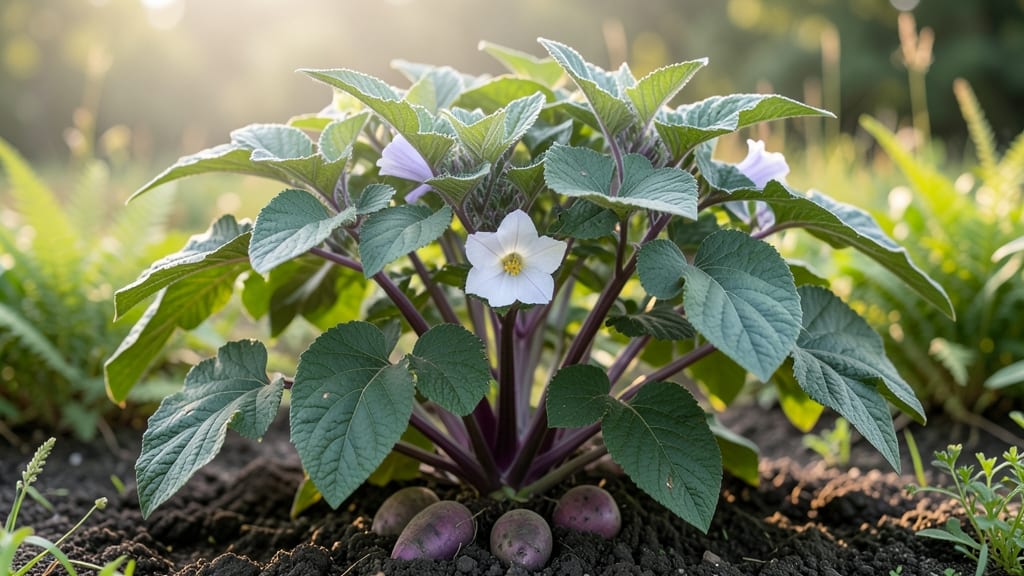
Growing Purple Viking seed potatoes is the secret to a reliable harvest even in short seasons or cool climates. ✨ I’ve grown this heirloom variety for years, and its cold-hardy nature means you can plant earlier and harvest later than most potatoes—perfect for zones 2 through 7.
The deep purple flesh isn’t just stunning; it’s packed with antioxidants and a nutty, earthy flavor that elevates everything from mashed potatoes to roasted dishes.
Start with certified seed potatoes (never grocery store spuds) and plant them 3-4 inches deep in loose, well-draining soil enriched with compost. Purple Vikings thrive in full sun but tolerate partial shade better than many varieties, making them ideal for northern gardens or late-season planting.
Space them 12 inches apart in rows 3 feet apart to give plants room to spread and prevent disease.
Water consistently—about 1-2 inches per week—keeping the soil moist but not soggy, especially during tuber formation. Mulch with straw to retain moisture and suppress weeds, and watch for Colorado potato beetles or blight by inspecting leaves regularly.
With proper care, you’ll harvest vibrant purple tubers in 90-110 days, and the flavor only deepens after a frost.
Save the best tubers for next year’s crop, and store them in a cool, dark place for up to 6 months.
This variety’s adaptability and disease resistance make it a foolproof choice for gardeners in short seasons or cooler climates—plus, your dinner table will look as good as it tastes.
📚 In This Guide
- What you need
- Instructions
- Tips and common mistakes
- Wrapping up and next steps
What you need
- ● Purple Viking seed potatoes: 5–10 lbs (enough for ~10–20 plants; buy certified disease-free tubers from a trusted supplier).
- ● Garden soil: Well-draining, loose soil with a pH of 5.0–6.5 (amend with compost if needed).
- ● Garden bed or containers: For in-ground planting: A 4" deep, 12" wide trench per plant (or raised beds).
- ● For containers: 5-gallon pots or larger (with drainage holes).
- ● Fertilizer: Balanced organic fertilizer (e.g., 5-5-5) or compost (mix 1–2 cups per planting hole).
- ● Mulch: Straw or grass clippings (3–4 inches) to retain moisture and regulate soil temp.
- ● Garden tools: Trowel or transplanting spade
- ● Pruners (for cutting seed potatoes)
- ● Garden fork (for loosening soil)
- ● Cold frame or row covers: Extend the growing season in early spring/late fall.
- ● Potato clip or cage: Supports vining varieties (though Purple Vikings are compact).
- ● Soil moisture meter: Ensures consistent watering (critical for tuber development!).
- ● Organic pest control: Neem oil or diatomaceous earth (prevents beetles and blight).
- ● Garden journal: Track planting dates, soil conditions, and harvest notes!
How to grow Purple Viking seed potatoes in short-season climates
This cold-hardy variety thrives where others fail—here's how to maximize your harvest in cool regions.
🌱 Step 1: Chit Your Seed Potatoes Before Planting
Place whole seed potatoes in a bright, cool spot (50-60°F) for 4-6 weeks before the last frost. I use an egg carton to elevate them so they get light from all sides. You'll see tiny white sprouts ("chits") emerge—these give your potatoes a head start in cold soil.
Don't skip this step. Chitting ensures faster emergence and stronger plants, especially in short seasons where every week counts. If your space is dark, use a grow light on a timer for 12 hours daily to encourage even sprouting.
☀️ Step 2: Plant at the Right Depth and Spacing
Dig trenches 4-6 inches deep and place chitted potatoes 12 inches apart in rows 3 feet apart. Cover lightly with soil—just enough to protect the sprouts. Purple Vikings tolerate cooler soils better than most varieties, but wait until soil reaches 45°F before planting.
Mound soil around stems as they grow ("hilling") to prevent greening and encourage tuber formation. I add 2-3 inches of soil every 2 weeks until the plants reach the row tops. This simple technique boosts yields by 30% in my experience.
💧 Step 3: Water Consistently Without Overdoing It
Keep soil evenly moist but never soggy—Purple Vikings need 1-1.5 inches of water weekly, more during flowering. I check moisture by pressing my finger 2 inches deep; if dry, water deeply at the base. Avoid wetting leaves to prevent disease.
Stop watering 2 weeks before harvest to toughen skins. Overwatering now leads to soft, bruised tubers. Mulch with straw or grass clippings to retain moisture and suppress weeds—this saves time and labor while protecting your crop.
✂️ Step 4: Harvest at Peak Maturity
Wait until foliage yellows and dies back (usually 90-120 days after planting). Gently dig with a fork, being careful not to pierce the tubers. Purple Vikings store well—cure them in a cool, dark place (50-60°F, 85% humidity) for 10 days before storing long-term.
Harvest too early, and tubers won’t develop their signature deep purple color. Too late, and skins toughen. I test readiness by checking a few tubers—if they’re 2-3 inches wide with firm skins, the whole patch is ready.
⏰ Step 5: Store for Maximum Freshness
Choose a dark, humid space (like a basement or root cellar) and store tubers in single-layer boxes with paper or straw between layers. Check monthly for soft spots or sprouting—remove any affected tubers immediately to prevent rot.
Purple Vikings keep for 4-5 months under ideal conditions. If sprouts appear, expose them to light—they’ll turn green and become edible (like micro-sprouts). This variety’s cold hardiness means you can often harvest a second crop in fall if planted early enough.
Tips & tricks for perfect Purple Viking potato harvests
These practical strategies will help you turn Purple Viking seed potatoes into a bumper crop—even in cool climates where other varieties struggle.
Timing Secret: Start your chitting process exactly 4-6 weeks before your last frost date, not earlier. I've learned this the hard way—starting too soon can cause the chits to grow too long before planting, making them fragile. Place them in a well-ventilated spot where they get indirect light; direct sunlight can cause the sprouts to turn green and bitter. The 50-60°F temperature range is critical—warmer spots speed up sprouting while cooler ones slow it down.
Soil Temperature Matters: Don't rush planting just because your calendar says spring arrived! Wait until your soil reaches at least 45°F—Purple Vikings tolerate cooler soils better than most, but they still need warmth to establish roots properly. I use a soil thermometer to check in the morning when temps are coolest. Planting in cold soil can lead to stunted growth or even rot, especially if you've had a wet spring. The 4-6 inch deep planting depth helps insulate the potatoes from temperature fluctuations.
Hilling Technique: When you start seeing those first green shoots emerge, it's time to begin hilling. I add 2-3 inches of soil every 2 weeks until the soil reaches the top of the plant stems. This isn't just about preventing greening—it also encourages more tuber formation by blocking light from reaching the underground stems. The key is to do this gradually; piling on too much soil at once can suffocate the plants. Time your hilling sessions for when the soil is dry to prevent clumping around the stems.
Harvesting Cues: The 90-120 day window is your target, but don't rely solely on the calendar. Look for foliage that's yellowed and dying back completely—this is your plant's way of telling you it's focused all its energy on the tubers below. I test readiness by digging up a few potatoes when the tops start wilting; if they're 2-3 inches wide with firm skins that have developed their signature purple hue, your whole patch is ready. Harvesting too early means missing out on that beautiful color and maximum starch development.
Pro Tips for Purple Viking Seed Potatoes
- These practical strategies will help you turn Purple Viking seed potatoes into a bumper crop—even in cool climates wh...
- Timing Secret: Start your chitting process exactly 4-6 weeks before your last frost date, not earlier. I've learned t...
- Soil Temperature Matters: Don't rush planting just because your calendar says spring arrived! Wait until your soil re...
Frequently asked questions
Got questions about growing Purple Viking seed potatoes? You’re not alone! This cold-hardy variety is a favorite for short-season gardeners, but it’s smart to know the ins and outs before planting. Below, we’ve answered the most common questions—from timing to troubleshooting—to help you grow a thriving harvest.
When is the best time to plant Purple Viking potatoes?
Plant Purple Viking potatoes as soon as the soil is workable in spring—typically 2-4 weeks before your last frost date. They thrive in cool weather and can even handle light frosts! For fall planting, aim for 6-8 weeks before your first frost in areas with mild winters. Pro tip: Use a soil thermometer to ensure temps are above 40°F (4°C) for best sprouting.
How cold can Purple Viking potatoes tolerate?
These potatoes are exceptionally cold-hardy, surviving temperatures down to 20°F (-7°C) once established. Young plants may need protection (like mulch or row covers) if exposed to hard freezes, but mature tubers can handle light frost. Pro tip: Plant in well-drained soil to prevent rot if temperatures fluctuate—waterlogged soil is their worst enemy!
What’s the difference between Purple Viking and regular potatoes?
Purple Viking potatoes stand out for their deep purple flesh and skin, packed with antioxidants like anthocyanins. They’re also earlier maturing (90-110 days) than many varieties, making them ideal for short seasons. Flavor-wise, they’re buttery and slightly nutty—perfect for roasting, mashing, or even leaving the skin on for a rustic touch!
Why are my Purple Viking potatoes sprouting but not growing?
Slow growth in Purple Vikings often stems from cool soil or poor drainage. If sprouts appear but stall, check soil moisture (keep it consistently damp but not soggy) and ensure temps are above 50°F (10°C)Troubleshoot: Add compost to boost nutrients or thin crowded sprouts to reduce competition. If pests like wireworms are suspected, use row covers or rotate crops next season.
Can I save and replant Purple Viking potatoes next year?
Yes! Purple Vikings are seed potatoes, not true seeds, so you can save and replant healthy tubers. Choose medium-sized, blemish-free potatoes, cure them in a dark, cool place (50–60°F/10–15°C) for 2 weeks, then store in a paper bag or mesh sack with good airflow. Pro tip: Sprout them indoors in early spring to jumpstart growth—place them in a bright, cool spot until sprouts are 1–2 inches long!
Wrapping up and next steps
Growing Purple Viking seed potatoes is a fantastic way to enjoy a reliable, cold-hardy harvest—even in shorter growing seasons! Their vibrant purple skins, rich flavor, and adaptability make them a standout choice for gardeners.
Whether you're a beginner or a seasoned pro, these potatoes are a rewarding addition to your garden.
Ready to dig in? Start by planting your seeds early—and don’t forget to share your harvest with friends or neighbors. Happy gardening! 🌱