
Lawn
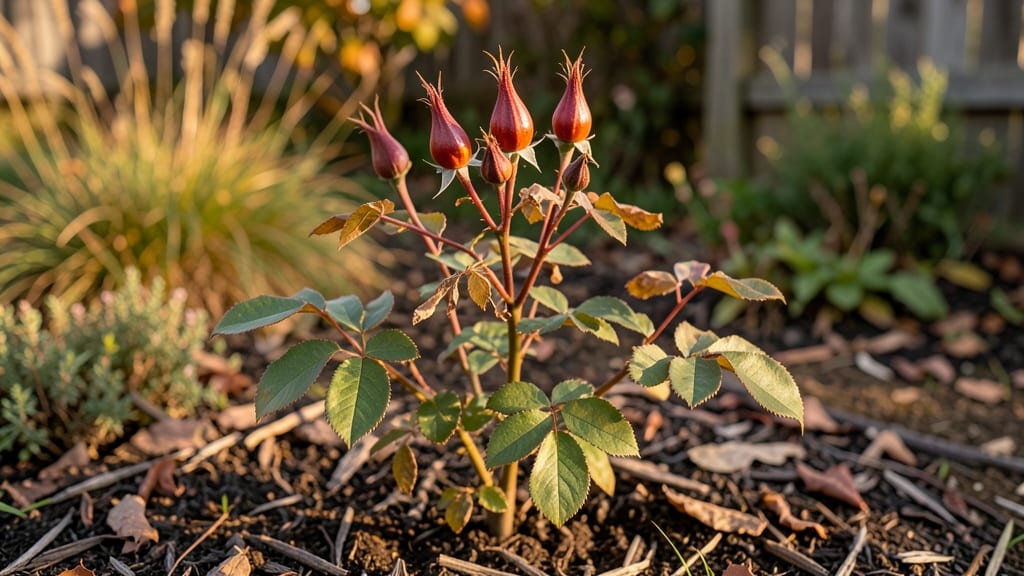
Those papery rose bush seed pods hold the secret to free plants next spring. 🌱 I used to toss them without thinking—until I realized they’re nature’s way of multiplying your favorite roses without spending a dime.
The trick is knowing exactly when to collect them before they burst open and scatter seeds everywhere.
You’ll need just a few things: a pair of clean pruners, a paper bag for drying, and a bit of patience. The best time to harvest is when the pods turn from green to brown but haven’t split open yet—usually late fall.
Each pod contains 5-10 tiny seeds, and with the right care, they’ll grow into healthy seedlings.
By spring, you’ll have strong young rose bushes ready to plant, all from seeds you collected for free. The process is simple but rewarding—no twisting, no mess, just a zero-waste way to expand your garden. Plus, these seedlings often outperform store-bought plants because they’re adapted to your local climate.
Works for hybrid teas, climbers, or shrub roses—just adjust timing based on your zone. Here’s how to do it right, step by step, without the usual headaches. Let’s get those seeds growing!
📚 In This Guide
- What you need
- Instructions
- Tips and common mistakes
- Wrapping up and next steps
What you need
- ● Pruning shears or sharp scissors – For clean cuts (sterilized with rubbing alcohol for hygiene)
- ● Gloves (gardening or nitrile) – 1 pair (to protect hands from thorns and sap)
- ● Brown paper bags or breathable mesh sacks – 2–3 medium-sized bags (for on-site collection)
- ● Newspaper or cardboard – 1–2 sheets (for drying seed pods indoors)
- ● Small paintbrush or soft toothbrush – 1 (for gently removing seeds from pods)
- ● Air-tight containers (glass jars or resealable bags) – 2–4 (quart-sized, for long-term storage)
- ● Labeling tape and markers – For tracking rose varieties (e.g., "Rosa 'Double Delight' – 2024")
- ● Knee pad or stool – For comfort during low harvesting
- ● Fine-mesh sieve – For separating seeds from chaff
- ● Desiccant packets – 1–2 (to absorb moisture in storage containers)
- ○ Digital scale (0.1g precision) – For tracking seed viability (optional for serious gardeners)
- ● Spray bottle with water – For humidifying pods if drying too quickly
Step-by-step guide to harvesting rose bush seed pods
Here's how to collect seeds from your rose bushes without damaging the plant—nature's way of recycling!
🌿 Step 1: Identify and Select Mature Seed Pods
Look for rose hips that have turned a deep red or orange color by late fall—these are your mature seed pods. They should feel firm but slightly soft when gently squeezed, not hard like a rock. Avoid green or shriveled pods; they won't contain viable seeds. I like to harvest on a dry morning after the dew has evaporated, as moisture can make the pods slippery and harder to handle.
Use clean, sharp pruning shears to snip the pods from the stem, leaving about ½ inch of stem attached. This prevents the plant from bleeding sap and ensures the seed pod stays intact. Place the harvested pods in a paper bag to keep them dry until you process them.
💧 Step 2: Clean and Dry the Seed Pods
Once you're home, gently rinse the pods under cool water to remove any dirt or debris. Pat them dry with a clean towel or let them air-dry on a wire rack for 24 hours. This step is crucial—moisture trapped inside the pods can cause mold, which ruins the seeds. I place a small fan nearby to speed up the drying process, especially if the weather was humid.
After drying, place the pods in a single layer on a baking sheet lined with parchment paper. Store them in a cool, dark place like a pantry or seed drawer for 2-3 weeks. This allows the pods to fully mature and soften, making it easier to extract the seeds later. You'll know they're ready when the outer skin splits open naturally.
✂️ Step 3: Extract Seeds Without Damaging Them
Once the pods are dry and slightly cracked, carefully slice them open lengthwise with a small, sharp knife. Avoid crushing the seeds inside—gently scrape out the pulp and seeds with a spoon or your fingers. Place the seeds and pulp in a bowl of cool water and let them sit for 10-15 minutes. The viable seeds will sink to the bottom, while the pulp and non-viable seeds will float.
Use a fine mesh strainer to scoop out the floating debris, leaving only the sunken seeds behind. Spread the seeds on a clean paper towel to dry completely for 1-2 days. Once dry, store them in a labeled envelope or small jar in a cool, dark place. Properly stored, these seeds can remain viable for up to 2 years.
🌱 Step 4: Plant the Seeds for Future Roses
Fill small seed trays or biodegradable pots with a light, well-draining seed-starting mix. Moisten the soil until it's damp but not soggy, then scatter the seeds evenly on the surface. Press them lightly into the soil—rose seeds need light to germinate, so don’t bury them. Mist the soil gently with a spray bottle to keep it moist.
Cover the trays with plastic wrap or a humidity dome to retain moisture and place them in a warm spot, ideally at 65-75°F. Germination can take 2-4 weeks, so be patient. Once the seedlings sprout, remove the cover and place them under a grow light or in a sunny window. Thin the seedlings to the strongest 2-3 per pot once they have their first true leaves.
⏰ Step 5: Care for Seedlings Through the First Year
Keep the soil consistently moist but not waterlogged—rose seedlings are delicate and prone to damping-off if overwatered. When the seedlings are about 4 inches tall, transplant them into individual pots filled with a mix of potting soil and compost. Harden them off by gradually exposing them to outdoor conditions over 1-2 weeks before planting in the garden.
Here's the thing—rose seedlings grown from seed may not match the parent plant's characteristics. They could bloom in a different color or take longer to mature. But the reward of watching a rose bush grow from a tiny seed is worth the wait. Plant them in well-draining soil with full sun, and give them time to establish before expecting blooms.
Tips & tricks for perfect rose seed pod harvesting
These little-known tricks will help you maximize your seed yield while keeping your rose bushes healthy and happy.
Harvest Timing: The 24-hour drying period after rinsing is non-negotiable—this prevents mold that can ruin your seeds. I've learned the hard way that skipping this step leads to slimy, unusable pods. If you're in a humid climate, consider using a small fan to circulate air around your drying pods for that full 24 hours.
Seed Viability Check: That 10-15 minute water float test is your quality control step. Discard any seeds that float immediately—they're not viable. The good seeds will sink quickly, but give them the full time to be sure. I've found that seeds from hybrid roses often float longer than heirloom varieties, so don't rush this step even if most have sunk.
Storage Wisdom: Once your seeds are completely dry (after that 1-2 day drying period), store them in a sealed container with a moisture absorber like silica gel packets. I keep mine in the refrigerator for maximum longevity—the cool temperatures slow down any potential seed degradation. Label your containers with the rose variety and harvest date for future reference.
Pro Tips for Rose Bush Seed Pods
- These little-known tricks will help you maximize your seed yield while keeping your rose bushes healthy and happy.
- Harvest Timing: The 24-hour drying period after rinsing is non-negotiable—this prevents mold that can ruin your seeds.
- Seed Viability Check: That 10-15 minute water float test is your quality control step.
Frequently asked questions
Got questions about harvesting rose bush seed pods? You’re not alone! Here are some of the most common queries—and their answers—to help you master zero-waste collection like a pro.
When is the best time to collect rose bush seed pods?
Timing is everything! Harvest seed pods when they’re fully dry and brown—usually late fall or winter. Avoid collecting them too early (when green) or too late (if they’ve split open and scattered seeds). Pro tip: A gentle tap should release seeds easily if they’re ready!
How do I know if the seed pods are mature enough to harvest?
Mature pods are hard, papery, and brown (not green or soft). If they crack open with a light squeeze, they’re past prime! Look for pods that’ve lost their glossy sheen—this signals they’re ready. Bonus: Mature pods often have a musty scent when dry.
Can I use seed pods from hybrid roses for planting?
Probably not! Hybrid roses (like Knock Outs or Floribundas) often produce sterile or weak seeds that won’t grow true to the parent plant. Stick to heirloom or species roses (e.g., Rosa rugosa) for reliable seeds. Need a backup? Buy certified seeds from nurseries!
What should I do if my seed pods are covered in bugs or mold?
Don’t panic! Bugs (like aphids) or mold are common on stressed pods. First, shake off debris and let pods dry in a well-ventilated area. For mold, sprinkle with food-grade diatomaceous earth or store pods in a paper bag to air-dry. Discard any pods with black fuzzy growth.
Are there eco-friendly ways to dispose of unused seed pods?
Crush empty pods and mix them into compost (they break down easily). Or, use them as natural mulch around other plants. Need a creative twist? Dry pods in bundles for rustic decor—just avoid damp areas to prevent mold!
Wrapping up and next steps
Discovering the beauty—and usefulness—of rose bush seed pods turns gardening into a sustainable adventure! These little pods aren’t just nature’s art; they’re a zero-waste treasure waiting to be harvested.
Whether you’re saving seeds for next season, crafting eco-friendly decor, or simply embracing a mindful garden, every twist-free pod is a step toward a greener future. 🌱
Ready to dive deeper? Grab your gloves and start collecting! Share your harvest with fellow gardeners or experiment with creative upcycling—your garden (and the planet) will thank you.