
Lawn
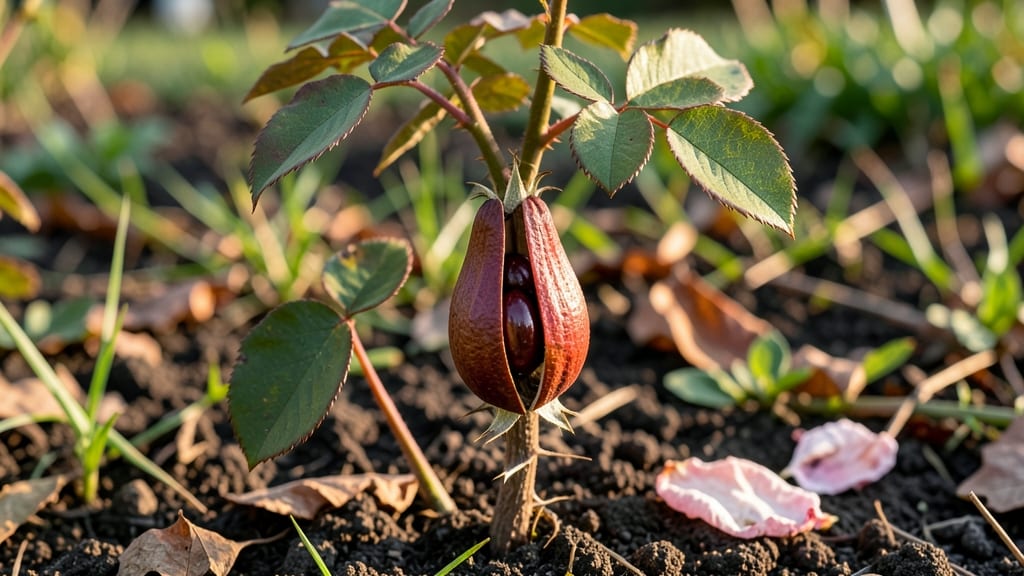
Harvesting rose seed pods means unlocking free, heirloom-quality roses from your yard. 🌹 These papery pods hide the future of your garden—if you collect them right.
I’ve turned my grandmother’s old rose bush into a whole new variety by saving seeds, and you can too, with just a few simple steps.
The key is patience: wait until pods turn brown and split open naturally, then scoop out the seeds inside. Clean them gently with water, then let them dry completely before storing in an envelope. This method keeps seeds viable for years, ready to grow when you are.
Germination takes time—think 4-6 weeks in the fridge for stratification—but the payoff is worth it. You’ll watch tiny seedlings emerge that grow into roses with the same character as their parent plants, only with your own unique twist.
Even if germination rates feel low at first, keep trying. The best roses often come from the most unexpected seed pods. Start with one bush this season, and you might just discover your garden’s next star performer.
📚 In This Guide
- What you need
- Instructions
- Tips and common mistakes
- Wrapping up and next steps
What you need
- ● Mature rose seed pods – Collect 10-15 fully dried, brown pods (ensure they’re crispy to the touch and open slightly).
- ● Sharp pruning shears or scissors – A pair with clean, sharp blades to avoid crushing the pods.
- ● Paper bags or brown lunch bags – 2-3 bags (1 per pod or a few pods per bag for airflow).
- ● Newspaper or dry paper towels – For drying and separating seeds.
- ● Small bowls or shallow containers – 1-2 for sorting seeds.
- ○ Fine-mesh strainer or sieve – To sift out debris (optional but helpful).
- ● Air-tight storage containers – Small jars or resealable bags with silica gel packets (to prevent moisture).
- ● Pencil or chopstick – For gently prying open stubborn pods.
- ● Labeling supplies – Masking tape + marker (to label pods by variety/date).
- ● Glove – A lightweight gardening glove to protect hands from thorns.
- ● Hairspray or rubbing alcohol – Lightly mist pods to deter mold (use sparingly!).
- ● Humidity pack – For long-term storage (if your climate is very dry).
- ● Planting tray + seed-starting mix – If you plan to germinate seeds immediately.
How to harvest and store rose seed pods without twisting
Here’s my foolproof method for collecting rose hips at their peak—no stubborn twisting required.
🌿 Step 1: Identify and Wait for Perfect Ripeness
Look for rose hips that have turned a deep, glossy red or orange—this signals full maturity and maximum seed viability. I wait until the pods are firm to the touch but still slightly soft, like a ripe tomato. Avoid harvesting when they’re still green or starting to wrinkle, as the seeds inside won’t be fully developed.
Harvest on a dry morning after the dew has evaporated. Wet pods can mold quickly, and damp conditions make them harder to open cleanly. If you’re working with hybrid roses, note that some varieties produce hips that stay green or turn brown—these are often sterile, so focus on the vibrant, plump ones.
✂️ Step 2: Cut Stems Cleanly for Easy Removal
Use clean, sharp pruning shears to snip the stems about ½ inch below the hip. This prevents damage to the plant and makes the pods easier to handle. I like to lay a tarp or tray beneath the bush to catch fallen hips—this saves time and keeps the workspace tidy.
Gently twist the hips free from the stem by rolling them between your palms. If they resist, don’t force it—this often means they’re not fully ripe yet. Instead, leave them on the bush for another week and try again. The goal is to remove the entire hip intact, not break it open prematurely.
🪴 Step 3: Dry and Prepare Pods for Storage
Spread the harvested hips in a single layer on a wire rack or paper towel in a well-ventilated area out of direct sunlight. I place mine on a screen or mesh tray to allow airflow on all sides. Let them dry for 7-10 days until the outer skin feels papery and cracks slightly when squeezed gently.
Once dry, crack open each hip by pressing firmly with your thumb—you’ll hear a satisfying pop as the seeds release. Remove any remaining pulp or debris by rubbing the seeds between your fingers under running water. Pat them dry thoroughly before storing to prevent mold.
⏰ Step 4: Store Seeds for Long-Term Viability
Place the dried seeds in a paper envelope or small mesh bag—paper breathes better than plastic and helps prevent moisture buildup. Label each with the rose variety and harvest date. Store in a cool, dark place like a pantry or seed fridge, where temperatures stay between 35-45°F.
Seeds stored this way remain viable for 1-2 years, though germination rates drop slightly after the first year. Check periodically for signs of mold or dampness—if you notice any, transfer the seeds to a new container immediately. This method keeps them fresh until you’re ready to sow in spring.
Tips & tricks for perfect rose seed pod harvesting
Here's what I learned after years of trial and error with stubborn rose hips.
Ripeness Check: The color test is your best friend—look for that deep, glossy red or orange hue. I've learned to press gently with my thumb; if it feels firm but slightly soft (like a ripe tomato), it's ready. Green or wrinkled pods mean the seeds won't be viable, no matter how hard you twist.
Harvest Timing Secret: Early morning is ideal after dew evaporates, but if you're working with wet pods, lay them on a paper towel first to dry for 10-15 minutes. This prevents mold during storage and makes the twisting process much easier. I've ruined entire batches by ignoring this simple step.
Drying Strategy: The 7-10 day drying period is crucial—don't rush it! Place your pods on a screen or mesh tray to allow airflow on all sides. I've found that a well-ventilated area like a garage with open windows works perfectly. If you're in a humid climate, consider using a small fan to circulate air.
Storage Wisdom: Paper envelopes or mesh bags are your best bet for long-term storage. The key is maintaining that cool, dark environment (35-45°F). I store mine in the back of my pantry where the temperature stays consistently cool. Check your seeds every few months for any signs of mold or dampness—early detection is everything!
Pro Tips for Rose Seed Pod
- Here's what I learned after years of trial and error with stubborn rose hips.
- Ripeness Check: The color test is your best friend—look for that deep, glossy red or orange hue.
- Harvest Timing Secret: Early morning is ideal after dew evaporates, but if you're working with wet pods, lay them on a paper towel first to dry for 10-15 minutes.
Frequently asked questions
about rose seed pods can help clear up common curiosities—whether you're a gardener or just admiring nature's design. Here are answers to the most asked questions to ensure your harvest is smooth and successful!When is the best time to harvest rose seed pods?
Harvest rose seed pods when they turn deep brown and papery, usually in late fall or early winter (after the first frost). This signals they’re fully mature and ready for collection. Avoid harvesting too early—the seeds won’t be viable, and the pods may still be sticky or green.
How long do rose seeds stay viable inside the pod?
Once harvested, rose seeds remain viable for 1–2 years if stored properly in a cool, dry place (like a sealed container with silica gel). After that, germination rates drop significantly. For best results, sow seeds fresh or refrigerate them for stratification (cold treatment) to mimic winter conditions.
Can I plant rose seeds directly from the pod, or do I need to extract them?
You can plant seeds directly inside the pod, but extracting them first improves germination success. Gently split open the pod to release seeds, then remove the fleshy coating (called aril) by rinsing. This reduces fungal risks and encourages faster sprouting.
What if my rose seed pods won’t open naturally?
If pods stay closed, they may need help! Place them in a paper bag and store them in the fridge for 4–6 weeks to simulate winter. Alternatively, soak them in warm water for 24 hours to soften the pod—then gently pry it open. Avoid forcing open dry pods, as they can crack and damage seeds.
Are there alternatives to harvesting rose seed pods?
Yes! If you prefer not to harvest pods, you can buy rose seeds from nurseries or propagate roses via cuttings (a faster, more reliable method). For heirloom varieties, seed pods are the only way to preserve true-to-type plants, but modern hybrids may not grow identically to the parent rose.
Wrapping up and next steps
Harvesting rose seed pods the twist-free way isn’t just a clever trick—it’s your ticket to year-round success with fresh, viable seeds! By mastering this simple technique, you unlock the potential to grow new roses from scratch, ensuring your garden stays vibrant and unique. 🌹
Ready to put your skills to the test? Start by gathering a few seed pods from your garden and practice the method—soon, you’ll be stocking your seed stash like a pro! Share your progress or tag us in your gardening adventures for a chance to inspire others.