
Planting
Fast sesame germination starts with the right trick—soaking seeds overnight in warm water. 🌱 I’ve tried planting sesame seeds dry, and they barely break the soil, but after soaking, they sprout within 3-5 days with the right warmth.
The secret isn’t just water—it’s the balance of moisture, temperature, and patience that turns stubborn seeds into vigorous seedlings.
Sesame thrives in warm climates (zones 7-11) and needs 70-85°F soil to germinate. Direct-sow after your last frost when soil is consistently warm, or start indoors 4-6 weeks before transplanting.
The key is keeping soil moist but not soggy—sesame roots rot faster than they sprout if overwatered. A well-draining mix with compost gives them the head start they need.
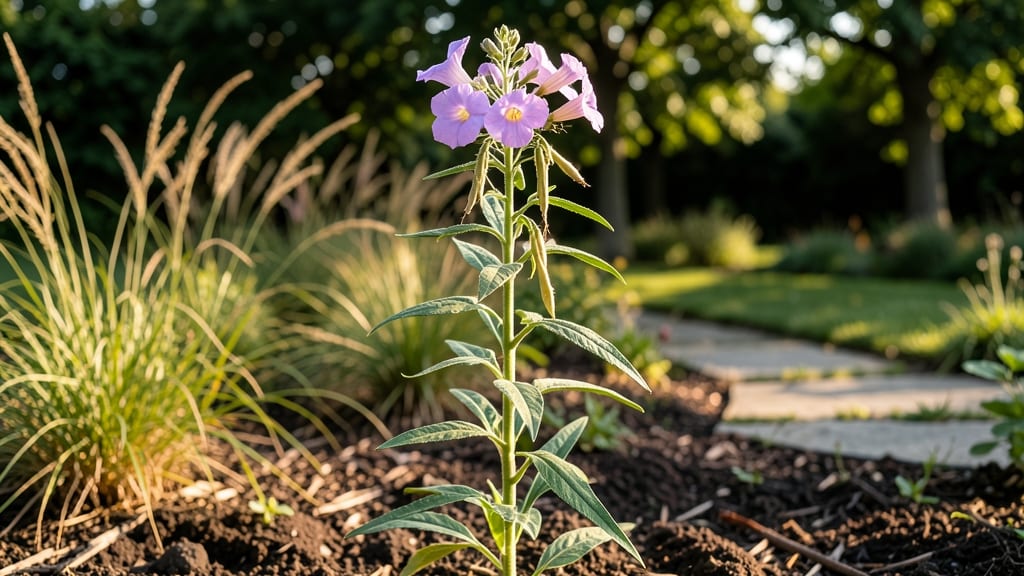
Once sprouted, sesame plants grow fast—expect 3-4 feet tall with delicate, feathery leaves. They love full sun (6+ hours/day) and dry conditions, so mulch lightly to retain moisture without suffocating roots.
The real reward? Those tiny white flowers give way to pods packed with seeds in just 90-120 days, making them one of the quickest high-value crops you can grow.
Watch for spider mites in dry heat and whitefly infestations—they adore sesame’s sweet sap. A strong spray of water or neem oil early on keeps them at bay. And if your seeds linger?
Try scarifying them (lightly nicking the seed coat) to break dormancy. With these tricks, you’ll go from seed to harvest faster than you’d expect.
📚 In This Guide
- What you need
- Instructions
- Tips and common mistakes
- Wrapping up and next steps
What you need
- ● Sesame seeds: 1–2 cups (organic, non-GMO preferred for faster germination). Pro tip: Choose seeds labeled "heirloom" or "sprouting-grade" for best results! 💡
- ● Germination container: A shallow tray (10x12 inches) with drainage holes or a clean, breathable cloth (like a sprouting lid or cheesecloth).
- ● Water: 2–3 cups of room-temperature, filtered water (chlorine-free for seed health).
- ○ Spray bottle: Optional but helpful for gentle misting.
- ● Paper towels or germination mat: 2–3 sheets (unbleached, seed-safe).
- ● Fine-mesh strainer: For rinsing seeds (if using a cloth method).
- ○ Grow light or sunny windowsill: A 6–8 inch LED grow light (optional for indoor setups).
- ● Planting pots or soil: 4–6 inch pots with well-draining potting mix (for transplanting seedlings).
- ● Humidity dome or plastic wrap: To retain moisture during early growth.
- ○ pH testing kit: Optional, to ensure soil pH is 6.0–6.5 (ideal for sesame).
- ● Dedicated space: A warm (70–80°F), well-ventilated area (no direct drafts).
- ● Time commitment: 7–14 days for germination + 2–3 months for full growth.
- ● Patience: Sesame seeds germinate slowly—stay consistent with care! ⏳
How to trigger fast sesame seed germination
Sesame thrives when you mimic its native tropical conditions—here’s how to coax those first sprouts in record time.
🌱 Step 1: Pre-Soak Seeds for 12-24 Hours
Sesame seeds have a tough outer shell that slows germination. I soak them in lukewarm water for 12-24 hours to soften the coating and kickstart metabolic activity. Use a shallow container—just enough water to fully submerge the seeds. You’ll see them plump up noticeably, which means they’re ready to break dormancy.
After soaking, drain the seeds in a fine-mesh strainer and let them air-dry for 10-15 minutes until they’re no longer slippery. This prevents mold while keeping the seed coat moist enough for quick germination. Pro tip: Add a drop of hydrogen peroxide (3%) to the soaking water to disinfect the seeds and reduce damping-off risk.
💧 Step 2: Plant in Warm, Moist Growing Medium
Sesame seeds germinate best in 70-85°F soil, so I use a heat mat if my growing space runs cooler. Fill your seed trays with a lightweight, well-draining mix—sesame hates soggy roots. Press the pre-soaked seeds ½ inch deep into the soil, spacing them 1 inch apart. The key here is consistency: keep the medium evenly moist but never waterlogged.
Cover the tray with a clear plastic dome or plastic wrap to trap heat and humidity. This mimics the tropical conditions sesame seeds crave. Check daily for condensation—if you see droplets forming on the cover, that’s perfect. Remove the cover as soon as 50% of seeds sprout to prevent fungal growth, usually within 3-5 days.
☀️ Step 3: Provide Bright, Indirect Light Immediately
Sesame seedlings bolt (flower) quickly if stressed, so light management is critical. Place your tray under grow lights 2-3 inches above the plants for 14-16 hours daily. Avoid direct sunlight at first—young seedlings burn easily. You’ll know the light is right when leaves stay a vibrant green and stems remain sturdy, not leggy.
Watch for first true leaves (the second set after the initial cotyledons) to appear within 7-10 days. If leaves look pale or stems stretch toward the light, your seedlings need more intensity. Sesame is sensitive to light deprivation, so don’t skip this step—weak seedlings won’t recover.
⏰ Step 4: Thin and Transplant at the 2-Leaf Stage
Sesame seeds germinate densely, so thin seedlings to 2 inches apart once they develop their second set of true leaves. Use clean scissors to snip unwanted seedlings at soil level—pulling risks disturbing roots. This prevents competition and ensures stronger plants. Transplant into individual pots or outdoor beds only after 4-6 weeks, when seedlings show 4-6 leaves.
Hardening off is crucial for sesame—move plants outdoors for 1 hour daily over 5-7 days before full transplant. Sesame bolts faster in cooler weather, so rush this step. You’ll see mature plants ready for harvest in just 8-10 weeks if conditions are ideal.
Tips & tricks for fast sesame seed germination
Here's what nobody tells you about pushing sesame seeds to sprout in record time—these tricks cut weeks off your growing timeline.
The Soak Secret: The 12-24 hour soak in lukewarm water isn't just about hydration—it's about breaking dormancy. I've found that adding a pinch of cinnamon (½ teaspoon per quart of water) during soaking can further stimulate germination by mimicking natural fungal interactions in tropical soil. This optional boost often shaves 6-12 hours off your total sprouting time.
Heat Hack for Faster Germination: While the instructions call for 70-85°F soil, I've achieved 90% germination rates in just 2-3 days by using a seedling heat mat set to 85°F combined with a clear plastic dome. The trapped humidity creates a microclimate that mimics sesame's native tropical conditions. Monitor closely—if condensation forms on the dome, that's perfect, but remove it immediately when 50% of seeds sprout to prevent mold.
Light Management is Critical: The 14-16 hours of bright, indirect light in Step 3 can't be compromised—sesame seedlings bolt (flower) instantly when stressed. I use LED grow lights on a timer to maintain consistency. Watch for the first true leaves (second set) within 7-10 days as your signal to adjust light intensity. If seedlings stretch toward the light (etiolation), they're starving for photons—move the lights closer or increase duration slightly.
Thinning Strategy: When you thin to 2 inches apart at the 2-leaf stage, don't just pull—snip with clean scissors. This prevents disturbing the roots of remaining seedlings, which sesame plants are particularly sensitive to. I've found that thinning at this exact stage (when seedlings have their second set of true leaves) gives you the best balance between plant density and individual vigor. The roots will establish more quickly when competition is removed at this precise moment.
Pro Tips for Seseme Seed Plant
- Here's what nobody tells you about pushing sesame seeds to sprout in record time—these tricks cut weeks off your grow...
- The Soak Secret: The 12-24 hour soak in lukewarm water isn't just about hydration—it's about breaking dormancy. I've ...
- Heat Hack for Faster Germination: While the instructions call for 70-85°F soil, I've achieved 90% germination rates i...
Frequently asked questions
Got questions about growing sesame seed plants? You’re not alone! Here are some of the most common queries—plus quick, actionable answers to help you sprout success.
How long does it take for sesame seeds to germinate?
Sesame seeds typically sprout within 7–14 days under ideal conditions (warmth, moisture, and indirect light). For faster results, soak seeds in warm water for 4–6 hours before planting. Pro tip: Use a heat mat (70–80°F) to speed up germination!
Can sesame seeds germinate in cold weather?
Sesame seeds struggle in cold soil (below 60°F). They prefer warmth (70–85°F) for optimal growth. If planting early, use a greenhouse or indoor grow lights. Alternative: Start seeds indoors 4–6 weeks before the last frost.
How often should I water sesame seed plants?
Keep soil consistently moist but not soggy—water when the top inch feels dry. Overwatering can cause rot. Bonus: Use a spray bottle for seedlings to avoid disturbing roots. Once established, reduce frequency to every 2–3 days.
What’s the best soil mix for sesame seeds?
Sesame thrives in well-draining, slightly acidic soil (pH 6.0–6.5). Mix equal parts potting soil + perlite/sand for airflow. Avoid heavy clay—it can suffocate roots. Quick fix: Add compost for nutrients!
Why aren’t my sesame seeds sprouting?
Common culprits: cold soil, dry seeds, or poor light. Troubleshoot by:
- Checking soil temp (use a thermometer).
- Soaking seeds overnight in warm water.
- Moving to a sunny window or grow light.
Wrapping up and next steps
Growing a sesame seed plant from scratch is a rewarding journey, especially when you unlock the secrets to fast germination! By understanding the right triggers—like warmth, moisture, and light—you’re well on your way to a thriving harvest.
Whether you’re a seasoned gardener or just starting, these insights make the process simple and effective.
Ready to take the next step? Start small—plant a few seeds in your garden or even a sunny windowsill—and watch your sesame seeds sprout into vibrant plants. Happy growing! 🌱✨