
Lawn
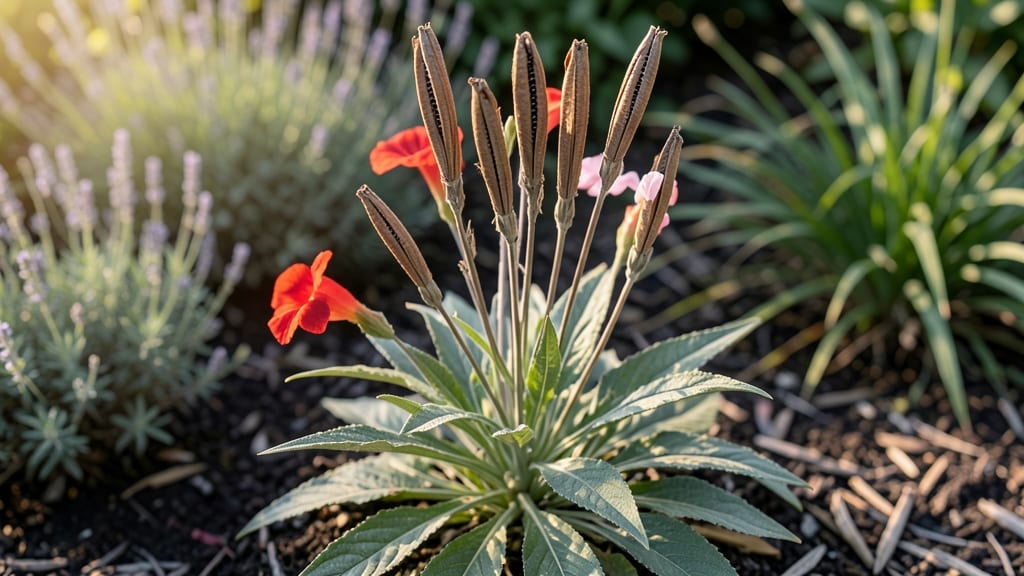
Harvesting snapdragon seed pods before they twist is the secret to saving seeds that sprout reliably next spring. 🌿 I've learned the hard way—twisted pods mean wasted seeds, but with the right timing and technique, you can collect hundreds of viable seeds from a single plant.
The key is watching for those distinctive elongated pods turning from green to brown, usually in late summer. Once they're dry but still intact, gently twist them off by hand (no tools needed) and lay them out in a paper bag for a few weeks.
This slow drying preserves seed quality better than rushing the process.
What you'll end up with is a collection of tiny, papery seeds that store beautifully for years. Plant them in early spring, and you'll get those same vibrant blooms—reds, oranges, and yellows—without paying nursery prices. The satisfaction of growing from your own saved seeds is unbeatable.
This method works for all snapdragon varieties, whether you're growing them in garden beds or containers. The only real mistake is harvesting too early—wait until the pods are completely brown and dry before collecting.
📚 In This Guide
- What you need
- Instructions
- Tips and common mistakes
- Wrapping up and next steps
What you need
- ● Snapdragon plants: Mature plants with fully developed seed pods (typically in late summer or early fall). Aim for at least 5–10 healthy plants for a good yield.
- ● Pruning shears or sharp scissors: Clean, sterilized tools to avoid damaging the pods or spreading disease.
- ● Brown paper bags or breathable fabric sacks: 2–3 medium-sized bags (12" x 15") to collect pods and allow airflow.
- ○ Newspaper or cardboard: A flat surface for drying pods (optional but helpful for organization).
- ● Rubbing alcohol (70% isopropyl) and a clean cloth: For sterilizing tools before use.
- ● Small paper envelopes or airtight containers: For long-term storage (e.g., 3–4 oz resealable bags or labeled envelopes).
- ● Permanent marker or labels: To mark varieties and harvest dates.
- ○ Drying rack or mesh screen: Optional but ideal for elevating pods to prevent mold.
- ● Desiccant packets: For storing seeds in airtight containers to absorb excess moisture.
- ● Magnifying glass: To inspect pods for pests or damage before storage.
- ● Humidity pack or hygrometer: To monitor storage conditions (ideal humidity: <30%).
- ● Seed catalog or journal: To log varieties, harvest dates, and germination notes.
How to harvest snapdragon seed pods without damaging viability
Snapdragons are generous seed producers—here's how to collect them properly for next year's garden.
🌿 Step 1: Identify Mature Seed Pods
Wait until the seed pods turn a uniform tan or light brown color and begin to split open naturally. You'll notice the pods dry out and develop a papery texture—this is your cue they're ready. If you harvest too early, the seeds won't be fully mature and won't germinate well. I always check pods on dry, sunny days when humidity is low; this prevents moisture from causing premature splitting.
Gently squeeze a pod between your fingers—if it crumbles easily, it's ready. Avoid harvesting pods that are still green or have any remaining moisture inside. The seeds inside these will be underdeveloped and won't store well. I like to harvest in the morning when dew has evaporated but before the afternoon heat dries out the pods too much.
🌱 Step 2: Collect Pods Without Twisting
Snapdragons have a unique seed pod structure, and twisting them off can damage the seeds inside. Instead, use a pair of clean scissors or pruning shears to snip the stem just above the pod. Hold the pod gently but firmly, and cut at a 45-degree angle to prevent water from pooling on the cut surface. This method preserves the seed's viability while keeping the plant looking tidy.
Place the freshly cut pods in a paper bag (not plastic—plastic traps moisture and encourages mold). I label each bag with the snapdragon variety and the harvest date. This helps me track which seeds are freshest when planting time rolls around. Avoid shaking the pods into the bag—this can cause seeds to break open prematurely and lose viability.
💧 Step 3: Dry the Pods Completely
Spread the pods out in a single layer on a clean, dry surface in a well-ventilated area away from direct sunlight. A mesh screen or a piece of unbleached muslin cloth works perfectly. The goal is to dry them slowly to prevent cracking. You'll know they're dry when the pods feel lightweight and brittle to the touch—this usually takes 7-10 days depending on your climate.
Check the pods daily for any signs of mold or moisture. If you notice any dampness, spread them out again or move them to a drier location. Once fully dry, the pods will open on their own, releasing seeds. I like to place the drying pods in a cool, dark corner of my garage where airflow is good but there's no risk of them getting wet.
⏰ Step 4: Store Seeds for Long-Term Viability
Once the pods have fully dried and opened, shake them gently over a clean, white piece of paper to collect the seeds. Snapdragons produce tiny, winged seeds that are easy to lose, so I use a fine-mesh strainer to capture any that might fall through cracks. Store the seeds in a paper envelope or a small glass jar with a tight-sealing lid—paper allows for better airflow and prevents moisture buildup, which is key for long-term storage.
Label the storage container with the variety name and the harvest year. Place the sealed container in a cool, dark place—such as a refrigerator or a basement—where the temperature stays consistent between 35-45°F. Properly stored snapdragon seeds remain viable for 2-3 years, though I've found they germinate best if used within the first year. Check the seeds annually to ensure they haven't lost moisture or developed mold.
Tips & tricks for perfect snapdragon seed pod harvesting
Here's what nobody tells you about harvesting snapdragon seed pods without ruining next year's garden.
Mature Pod Identification: The tan or light brown color is your first clue, but the real test is the crumble—gently squeeze a pod between your fingers. If it falls apart easily, it's ready. I've learned the hard way that green pods hide underdeveloped seeds that won't germinate. Harvesting in the morning after dew has evaporated but before afternoon heat sets in gives me the perfect window for this test.
Cutting Technique: That 45-degree angle when snipping the stem isn't just for looks—it prevents water pooling that could damage seeds. I use sharp pruning shears because dull blades crush pods during cutting. And here's a pro move: always cut just above the pod where the stem meets the flower head. This leaves the plant looking tidier and preserves more seed viability.
Drying Strategy: The 7-10 day drying time can feel long, but patience pays off. I spread mine on unbleached muslin cloth because it breathes better than paper towels. Watch for that lightweight, brittle feel—it's your signal the seeds are ready. If you notice any pods developing moisture spots, immediately move them to a drier location. I keep mine in a cool garage corner where airflow circulates but humidity stays low.
Pro Tips for Snapdragon Seed Pods
- Here's what nobody tells you about harvesting snapdragon seed pods without ruining next year's garden.
- Mature Pod Identification: The tan or light brown color is your first clue, but the real test is the crumble—gently s...
- Cutting Technique: That 45-degree angle when snipping the stem isn't just for looks—it prevents water pooling that co...
Frequently asked questions
Got questions about harvesting, storing, or using snapdragon seed pods? You’re in the right place! Here are answers to the most common queries—from timing to troubleshooting—to help you make the most of your garden’s bounty.
When is the best time to harvest snapdragon seed pods?
Harvest seed pods when they’re dry and papery but before they split open—usually 4–6 weeks after flowering. Wait too long, and seeds scatter! Morning harvests prevent humidity issues. Pro tip: Gently twist pods with your fingers (no tools needed!) for a clean, intact pod.
How long can I store snapdragon seeds from dried pods?
Store seeds in a cool, dry place (like a sealed envelope or jar) for 1–2 years while maintaining viability. For longer storage, refrigerate or freeze them! Label pods with the harvest date to track freshness. Warning: Avoid moisture—it causes mold.
Can I save seeds from hybrid snapdragons?
Hybrid snapdragons (like ‘Black Knight’ or ‘Matrix’) won’t breed true—their seeds may produce offspring with mixed traits. For consistent results, buy seeds from reputable growers or save seeds from heirloom varieties (e.g., ‘Allegro’ or ‘Jewel Mix’).
What should I do if my seed pods are eaten by pests?
Common culprits include aphids, slugs, or birds. Prevent damage with row covers or neem oil. If pods are already compromised, harvest seeds only from undamaged pods—discard the rest. For heavy infestations, handpick pests early in the day.
Are there alternatives to harvesting seed pods?
Yes! If you miss the pod stage, try cutting flowers (like snapdragons) and letting them dry indoors in paper bags. Alternatively, buy fresh seeds annually—many nurseries sell organic, untreated options. For year-round blooms, pair seed-saving with succession planting!
Still stumped? Drop your question in the comments—we’re happy to help your snapdragons thrive!
Wrapping up and next steps
Harvesting snapdragon seed pods with care ensures a steady supply of vibrant blooms year after year—no twists or fuss required! 🌸 By following the right timing, tools, and storage techniques, you’ll unlock a garden full of color and life.
Whether you’re a seasoned gardener or just starting, this twist-free method makes seed saving simple and rewarding.
Ready to level up your garden game? Try harvesting a few pods this season, store them properly, and watch your snapdragons thrive next year. Happy gardening! 🌱