
Planting
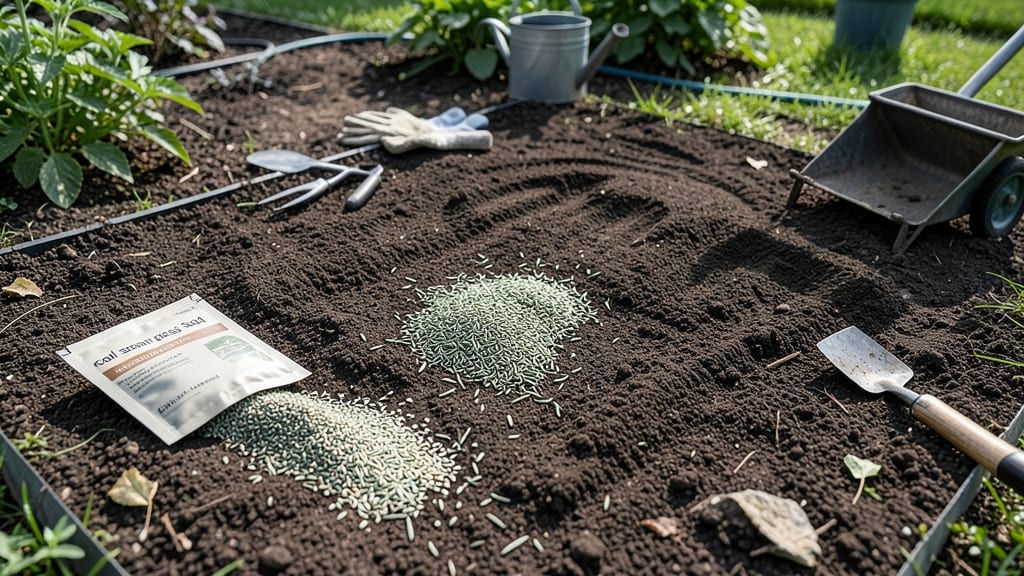
Sowing lawn seed in autumn produces roots three times deeper than spring plantings—because cooler temps and steady rain create perfect conditions. 🌱 I’ve seen my own patch go from patchy to plush by spring, all because I planted in October instead of March. The secret isn’t just timing; it’s how you prep the soil and protect those tender seedlings when winter arrives.
First, clear debris and test your soil—pH between 6.0 and 7.0 is ideal for most grasses. Choose cool-season seed blends (like fescue or ryegrass) that thrive in fall’s mild weather.
Spread seed lightly but evenly (about ½ pound per 100 square feet), then rake it in just enough to cover—no deeper than ¼ inch. This keeps it close to moisture while letting sunlight reach the soil.
Watering is critical: keep the soil consistently moist (not soggy) for the first 2-3 weeks—that’s when roots establish. After germination, back off to 1 inch per week to avoid washing out seedlings.
A thin layer of straw mulch helps retain moisture and insulates against early frosts, but remove it before spring growth kicks in.
Regional tweaks matter: In temperate zones, aim for 4-6 weeks before first frost; in colder climates, sow 6-8 weeks out to avoid winterkill. The key is balance—seedlings need time to root but shouldn’t face hard freezes.
With this method, you’ll wake up next spring to a lawn that’s already stronger and greener than neighbors who planted in spring.
📚 In This Guide
- What you need
- Instructions
- Tips and common mistakes
- Wrapping up and next steps
What you need
- ● High-quality lawn seed: Choose a cool-season grass blend (e.g., Kentucky bluegrass, fescue, or ryegrass) suited to your climate. Aim for 5–10 lbs per 1,000 sq ft, depending on seed type.
- ● Garden rake: A bendable-tine rake (8–12 inches wide) to loosen soil and level the area.
- ● Lawn roller: A 50–100 lb roller (filled with water or sand) to press seed into the soil.
- ● Spreaders: Broadcast spreader (for large areas) or
- ● Drop spreader (for precision, especially edges).
- ● Soil amendment: Compost or peat moss (2–3 inches spread evenly) to improve soil texture and fertility.
- ● Water source: A hose with a sprinkler head or garden hose (50+ feet long) for consistent watering.
- ● Straw or erosion control blanket: 1 bale per 100 sq ft to protect seed from birds and wind.
- ● Soil test kit: Check pH and nutrient levels (ideal range: 6.0–7.0) before planting.
- ● Starter fertilizer: A low-nitrogen, high-phosphorus blend (e.g., 5-10-10 ratio) to boost root growth.
- ● Kneeling pad: For comfort during prep work on hands and knees.
- ● Garden gloves: Heavy-duty nitrile or leather to protect your hands from thorns or rough soil.
- ● Weed barrier fabric: If your lawn has persistent weeds, lay down landscape fabric before seeding.
Step-by-step instructions for sowing lawn seed in autumn
Autumn’s mild temperatures and consistent moisture create perfect conditions for establishing a thick, resilient lawn.
🌱 Step 1: Prepare the Soil for Optimal Seed Germination
Start by removing all debris, rocks, and weeds from your lawn area. Use a rake to loosen the top 2-3 inches of soil—this helps seeds make direct contact with the earth, which is critical for strong root development. I like to work the soil when it's slightly damp; it tilts more easily and won’t clump when raked.
For compacted or heavy clay soil, rent a core aerator to create small holes 2-3 inches deep and 3-4 inches apart. This allows water, air, and nutrients to reach the seed roots more effectively. If your soil is sandy, skip aeration—just focus on leveling the surface with a rake. The goal is a fine, crumbly texture that feels like damp sand when squeezed.
💧 Step 2: Spread Seed Evenly for Uniform Growth
Divide your lawn seed into two equal portions—this makes it easier to spread evenly without overlapping. Start by walking in one direction, scattering the first half of the seed at a light, consistent rate. I use a broadcast spreader set to the recommended setting for your seed type, moving in straight lines about 1 foot apart to avoid gaps.
After the first pass, walk perpendicular to your initial direction and spread the second half. This cross-hatching technique ensures seeds are spaced 1-2 inches apart, reducing competition for nutrients. For slopes, spread seed uphill to prevent runoff from washing seeds away. Lightly rake the area with a stiff-bristled rake to press seeds into the soil—just enough to cover them with ¼ inch of fine topsoil or compost.
☀️ Step 3: Water Gently and Consistently for Germination
Water immediately after sowing to settle seeds into the soil. Use a fine mist setting on your sprinkler or watering can to avoid displacing seeds. The top ½ inch of soil should stay moist but never soggy—overwatering can cause seeds to rot before they sprout. I set a timer for 10-15 minutes twice daily (morning and evening) to maintain even moisture.
Once seeds germinate (usually 7-14 days), reduce watering to ½ inch per week, allowing the soil to dry slightly between waterings. You’ll know you’re doing it right when new grass blades appear uniformly green and stand upright. Avoid walking on the lawn until the grass reaches 3 inches tall—this prevents seedling damage and ensures roots establish firmly.
✂️ Step 4: Maintain and Encourage Strong Root Development
After 4-6 weeks, when grass reaches 2-3 inches, mow with a sharp blade set to 3 inches to encourage deeper root growth. Never remove more than ⅓ of the blade height at once—this stresses young plants. I mow in the late afternoon to reduce heat stress on freshly cut grass, and always collect clippings to prevent thatch buildup.
Continue watering deeply 2-3 times per week until the lawn is fully established (typically by late fall or early spring). Fertilize with a low-nitrogen, high-phosphorus blend (like 5-10-10) to promote root development, but avoid heavy nitrogen applications until the lawn is mature. By winter, your grass should have a dense, fibrous root system ready to handle spring’s challenges.
Tips & tricks for perfect autumn lawn establishment
Autumn’s cooler temperatures and reliable moisture are your secret weapons—here’s how to make the most of them for a lawn that thrives.
Soil Prep Precision: The 2-3 inch depth for loosening soil isn’t just about breaking up clumps—it’s about creating a porous environment where roots can breathe. For clay soils, those 2-3 inch deep aeration holes should feel like tiny tunnels when you run your finger through them. Sandy soils need no aeration, but you can still improve seed contact by lightly raking to create a rough surface texture that holds seeds in place.
Seed Spreading Strategy: That cross-hatching technique with two equal portions isn’t just for even coverage—it’s about creating a natural pattern that mimics how grass would grow in the wild. Walk in straight lines about 1 foot apart, then turn perpendicular for the second pass. This ensures seeds are never more than 1-2 inches apart, which prevents bare spots while allowing each seedling enough room to develop strong roots.
Watering Wisdom: The 10-15 minute watering sessions twice daily might seem excessive, but this is how you maintain that critical ½ inch of consistent moisture at the soil surface. Use a rain gauge or tuna can to measure—when filled with water, it represents exactly ½ inch. This precision prevents both underwatering (which causes seeds to dry out) and overwatering (which can suffocate them).
Timing Your First Mow: Waiting until grass reaches 2-3 inches before that first mow at 3 inches height is crucial—it gives roots time to establish before you start stressing the plants. The ⅓ rule (never removing more than ⅓ of the blade height) applies here too: if your grass is 3 inches tall, you’re only cutting 1 inch off at a time. This might mean waiting an extra week or two, but those roots will thank you by growing deeper and stronger.
Pro Tips for Sowing Lawn Seed In Autumn
- Autumn’s cooler temperatures and reliable moisture are your secret weapons—here’s how to make the most of them for a ...
- Soil Prep Precision: The 2-3 inch depth for loosening soil isn’t just about breaking up clumps—it’s about creating a ...
- Seed Spreading Strategy: That cross-hatching technique with two equal portions isn’t just for even coverage—it’s abou...
Frequently asked questions
Got questions about autumn lawn seeding?
You’re not alone! Here are answers to the most common concerns—helping you grow a lush, resilient lawn without the guesswork.
When is the exact best time to sow lawn seed in autumn?
For most regions, aim for late summer to early fall—typically 4–6 weeks before your first hard frost (usually September–October in the U.S.). Cooler temps (60–75°F) and frequent rain create ideal conditions for germination. Check your USDA Plant Hardiness Zone for local timing!
What if frost hits before my grass germinates?
Don’t panic! Most cool-season grasses (like fescue or ryegrass) can handle light frost after sprouting. If seeds haven’t germinated yet, wait until spring to reseed. For warm-season grasses (like Bermuda), frost means it’s too late—plant in early spring instead.
Is autumn seeding cheaper than spring?
Yes! Seed costs are often lower in autumn, and you’ll save on watering (natural rainfall does the work). Plus, fewer weeds compete with your grass. Pro tip: Buy seed in bulk now—prices may rise as spring approaches!
How do I prepare soil if it’s too wet or muddy?
Wait for 24–48 hours after rain to work the soil. If it’s too wet, spread a thin layer of compost to improve drainage, then lightly rake. Avoid compacting the soil—step gently or use a garden roller only if needed. Patience pays off!
Will squirrels or birds steal my seed?
Cover seeds with ¼ inch of soil and use a lightweight straw mulch to deter critters. For stubborn pests, try bird netting over large areas. Bonus: A light watering (not soaking) after sowing helps lock seeds in place.
Can I overseed an existing lawn in autumn?
Yes! Autumn is perfect for overseeding. Mow your lawn short (1–1.5 inches), rake to remove debris, and spread seed evenly. Water gently daily (or twice daily if dry). Thin spots will fill in beautifully—just avoid heavy foot traffic until new grass is 2–3 inches tall.
Wrapping up and next steps
Autumn is your golden opportunity to grow a lush, resilient lawn—cool temperatures and gentle rain create the perfect conditions for strong roots and vibrant growth.
By choosing the right seed, preparing the soil, and following a few pro tips, you’ll set your lawn up for success before winter even arrives. 🌱
Ready to take the next step? Grab your supplies, mark your calendar for those crisp fall days, and get sowing! Before you know it, you’ll be admiring a thick, green carpet of grass that’s the envy of the neighborhood. Happy planting! ✨