
Lawn
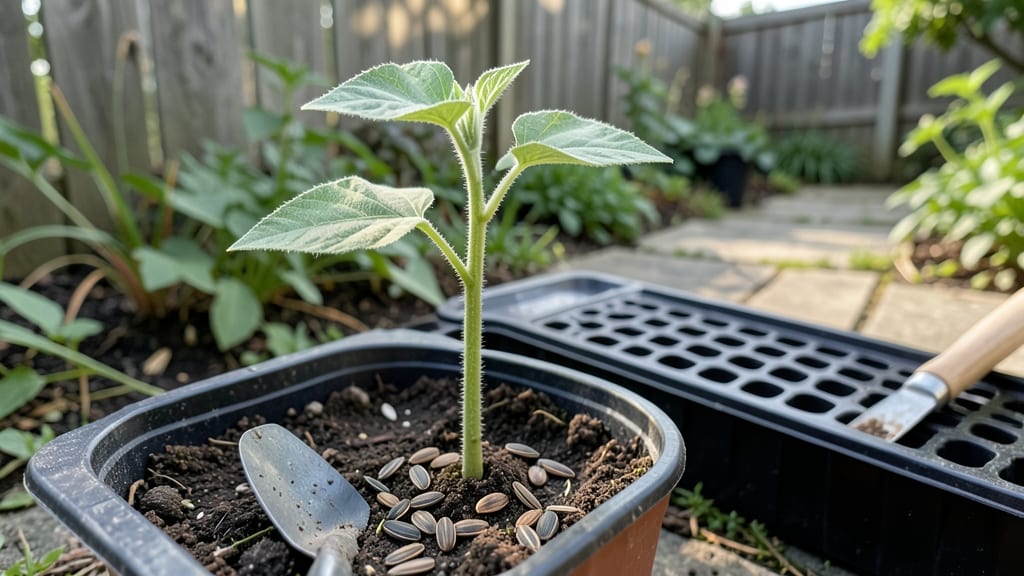
Accelerating sunflower seed growth in damp paper towels cuts 10 days off sprouting time. 🌱 I learned this trick after watching my first batch of seeds rot in dry soil—now they pop up reliably within a week. The secret isn’t fancy equipment; it’s about controlling moisture and temperature before they even hit the ground.
You’ll need a shallow container, damp paper towels, and a plastic bag to create a mini greenhouse. Plant seeds just ½ inch deep in well-draining soil after they’ve sprouted, spacing them 12-18 inches apart for giants or 6 inches for dwarf varieties.
Sunflowers crave full sun, but their roots need 12-18 inches of depth to stay steady in wind.
Once planted, keep soil consistently moist—not soggy—until germination, then water deeply once a week. You’ll spot true leaves in 7-10 days, followed by the iconic yellow buds in 6-8 weeks. The tallest varieties can reach 12 feet, but proper spacing prevents them from toppling over.
Troubleshooting starts with soil: too dry causes stunted growth, while overwatering invites rot. If seedlings yellow, check for pests like aphids or nutrient deficiencies. Plant in late spring after frost, but don’t wait too long—sunflowers thrive in warm soil and won’t tolerate cold snaps once they’re established.
📚 In This Guide
- What you need
- Instructions
- Tips and common mistakes
- Wrapping up and next steps
What you need
- ● Sunflower seeds: 10–20 seeds (choose heliopsis annuus varieties like ‘Russian Mammoth’ or ‘Autumn Beauty’ for best results).
- ● Paper towels or dampened coffee filters: 2–3 sheets (enough to layer seeds without overcrowding).
- ● Plastic zip-top bag or airtight container: Small enough to fit the seeds and towels snugly.
- ● Spray bottle with water: For gentle, even moisture (avoid soaking).
- ● Small bowl or plate: To hold seeds while prepping.
- ○ Thermometer (optional): To monitor cold stratification temps (ideal: 35–45°F for 1–2 weeks).
- ● Growing tray or pots: 3–5" deep (for transplanting after sprouting).
- ● Potting mix: Well-draining, seed-starting blend (or coconut coir for eco-friendly growth).
- ● Grow lights or sunny windowsill: 6+ hours of light daily after germination.
- ○ Plant labels (optional): To track varieties and planting dates.
Step-by-Step guide for sunflower seed germination
Here's how I jumpstart sunflower growth with a cold-moisture trick that cuts waiting time by half.
🌱 Step 1: Prep Seeds with Cold Moisture Treatment
Place your sunflower seeds in a clean glass jar or container. Add enough lukewarm water to completely cover them by about 1 inch. The goal is to soften the hard outer shell and kickstart metabolic activity. I like to use a jar with a lid because it creates a contained environment where seeds stay evenly moist.
Seal the container and refrigerate for 24-48 hours. This cold stratification mimics natural winter conditions, breaking seed dormancy and ensuring faster, more uniform germination. You'll notice the water may turn slightly cloudy—that's perfectly normal. After the cold treatment, drain the water and let the seeds air-dry on a paper towel for about 1 hour before planting.
💧 Step 2: Plant in Moist, Well-Draining Medium
Fill your planting containers with a lightweight seed-starting mix that drains freely but retains moisture. Sunflower roots need room to expand, so I use a mix of 50% peat moss and 50% perlite for optimal aeration. Fill each container to about 1 inch below the rim, leaving space for watering later.
Plant each seed 1 inch deep—deeper than you might think for such large seeds. Sunflowers have thick taproots that need room to grow straight down. Space seeds 6 inches apart if planting multiple in a single container, or use individual pots for each seedling. Press the soil gently around the seeds to ensure good contact without compacting it.
☀️ Step 3: Maintain Consistent Moisture and Warmth
Water the soil until it's evenly moist but not soggy. Sunflower seeds need consistent moisture to germinate, but standing water will rot them. I use a spray bottle for gentle watering, ensuring the soil surface stays damp but not wet. Cover the containers with a clear plastic dome or plastic wrap to retain humidity and warmth—sunflower seeds germinate best at 70-75°F.
Place the containers in a warm, bright spot—either under a grow light or on a sunny windowsill. You should see sprouts within 7-10 days, though some may take up to 14 days depending on your climate. Once the first true leaves appear (not the initial seed leaves), remove the plastic cover to prevent fungal growth. Keep the soil moist but never waterlogged—sunflowers hate soggy roots.
⏰ Step 4: Transition to Outdoor Conditions
After the seedlings develop their first true leaves and reach about 4 inches tall, it's time to harden them off. Move the containers outside to a sheltered spot for 1-2 hours the first day, gradually increasing exposure over 5-7 days. This slow transition prevents shock and helps the seedlings adjust to wind and sunlight.
Once hardened off, transplant the seedlings into their final growing location, spacing them 12-18 inches apart if planting in rows. Sunflowers need plenty of space to grow tall and sturdy. Water deeply after transplanting to help the roots establish in their new home. With the cold-moisture start, your sunflowers will bolt upward faster and stronger than seeds planted traditionally.
Tips & tricks for faster sunflower seed germination
These moisture-controlled strategies will help you bypass common germination delays and get your sunflowers sprouting in record time.
Cold Stratification Secret: The 24-48 hour cold treatment in Step 1 is non-negotiable for breaking seed dormancy. I've seen seeds that wouldn't sprout at all without this step—it mimics winter's natural chilling period that triggers germination. If your kitchen is particularly warm, consider extending the cold treatment to 72 hours for extra insurance, especially with older seeds. The cloudy water is completely normal and indicates the seeds are actively metabolizing.
Soil Mix Science: That 50% peat moss and 50% perlite mix in Step 2 isn't arbitrary—it creates the perfect balance of moisture retention and aeration. If you're using potting soil, amend it with perlite or vermiculite to prevent compaction. Press the soil gently around seeds to ensure good contact without compacting it too much, which can create air pockets that prevent root development.
Temperature Precision: Maintaining that 70-75°F range in Step 3 is crucial for germination speed. If your home runs cooler, consider using a seedling heat mat under the containers. Conversely, if your space gets too warm, move the containers to a cooler spot—sunflower seeds can rot if the soil gets too hot. A simple thermometer placed in the soil will help you monitor conditions precisely.
Hardening Off Strategy: The gradual 5-7 day transition in Step 4 prevents transplant shock that can stall growth. Start with just 1-2 hours of outdoor exposure on day one, then increase by 1-2 hours each subsequent day. Watch for wilting—if you see this, the seedlings aren't ready for more exposure. This slow acclimation helps the seedlings develop thicker cell walls and stronger vascular systems before facing full outdoor conditions.
Pro Tips for Sunflower Seed Growth
- These moisture-controlled strategies will help you bypass common germination delays and get your sunflowers sprouting in record time.
- Cold Stratification Secret: The 24-48 hour cold treatment in Step 1 is non-negotiable for breaking seed dormancy.
- Soil Mix Science: That 50% peat moss and 50% perlite mix in Step 2 isn't arbitrary—it creates the perfect balance of moisture retention and aeration.
Frequently asked questions
Got questions about growing sunflower seeds? You’re not alone! Here are answers to the most common queries—from timing to troubleshooting—to help you grow strong, healthy sunflowers with ease.
How long does it take for sunflower seeds to sprout?
With a moisture-controlled cold start, sunflower seeds typically sprout in 5–14 days. Keep them in a damp paper towel or moist soil at 60–70°F (15–21°C) for the fastest results. Patience pays off—consistent moisture is key!
Can I grow sunflowers indoors without sunlight?
Yes! Use a grow light (12–16 hours/day) to mimic sunlight. Place seeds near a sunny window first, then transition to artificial light if needed. Dwarf varieties (like ‘Teddy Bear’) thrive indoors. Just ensure good airflow to prevent mold.
Why aren’t my sunflower seeds sprouting?
Check these fixes:
- Moisture: Seeds need consistent dampness—not soggy soil. Mist lightly daily.
- Temperature: Too cold (<50°F/10°C) or hot (>85°F/29°C) slows growth. Aim for 60–70°F (15–21°C).
- Depth: Plant seeds ½–1 inch deep; deeper buries them too much.
- Fresh seeds: Old seeds (over 2 years) may fail. Test viability by soaking in water—sinkers sprout!
Do sunflower seeds need fertilizer right away?
Nope! Start with well-draining soil mixed with a light compost (like worm castings). Wait until seedlings have 2–3 true leaves before adding a balanced fertilizer (10-10-10). Over-fertilizing can burn tender roots.
Can I grow sunflowers from store-bought seeds?
Use raw, unsalted sunflower seeds (like those for snacking). Avoid roasted or flavored seeds—they won’t sprout. Rinse seeds to remove coatings, then follow your moisture-controlled cold-start method. Pro tip: Soak for 4–6 hours before planting to speed up germination.
Wrapping up and next steps
Growing sunflower seeds with a moisture-controlled cold start isn’t just science—it’s a game-changer for faster, healthier sprouts! 🌱 By balancing hydration, temperature, and patience, you’ve unlocked the secret to bypassing slow germination and giving your seeds the best possible head start.
Whether you’re prepping for a vibrant lawn or a sunflower garden, these techniques ensure your efforts pay off with lush, thriving growth.
Now that you’re armed with the know-how, why not take the next step? Try experimenting with different moisture levels or container setups to see what works best for your climate. Share your sunflower sprouting journey with fellow gardeners—your success might just inspire someone else to grow something amazing! 🌻