Lawn
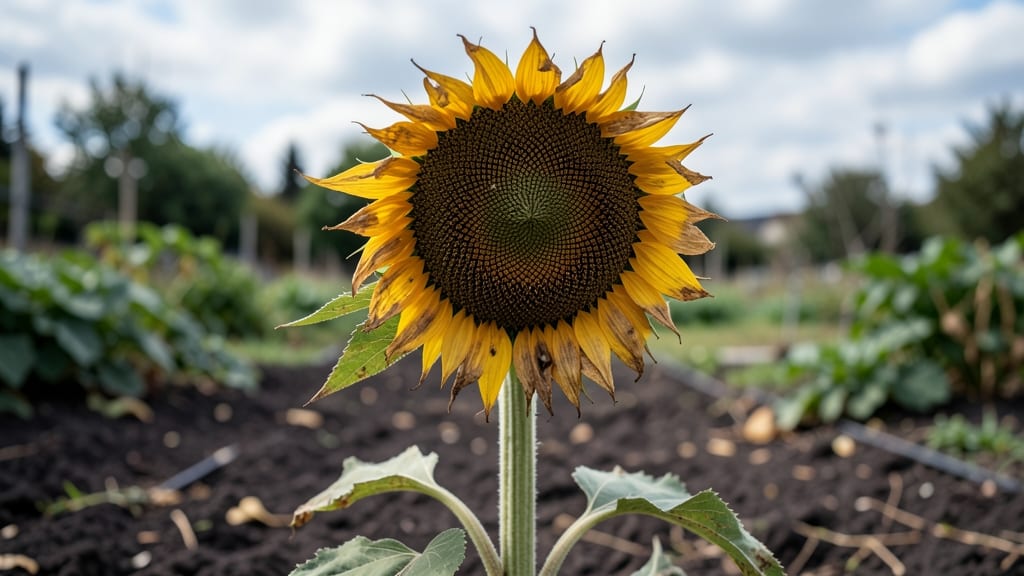
Sunflower seed heads turn golden and crispy in 60 days—and that's when the real fun begins. 🌻 I've learned that patience pays off: let those dried blooms stand tall through frost, and you'll unlock a treasure trove of seeds for next year's garden or bird feeders.
The key? Harvesting at the right moment and storing them properly to avoid mold or hungry critters stealing your stash.
You'll need just a few simple tools: sharp pruners, breathable paper bags, and a dry, dark storage spot. Most gardeners miss the two-week window when seed heads are fully brown but still intact—too early and seeds won't germinate, too late and they'll scatter.
I've lost seeds to squirrels and wind more times than I'd like to admit, but this method works every time.
Once properly dried, these seeds become versatile: plant them for next year's sunflowers, turn them into bird feeders, or even use them in craft projects. The process transforms a summer garden's end into a winter project with tangible rewards.
You'll end up with seeds that germinate faster and stronger than store-bought varieties.
Works for all sunflower varieties, from towering giants to compact dwarfs. The same techniques apply whether you're growing for beauty, food, or wildlife. Here's how to make the most of your sunflower harvest before winter sets in.
📚 In This Guide
- What you need
- Instructions
- Tips and common mistakes
- Wrapping up and next steps
What you need
- ● Sunflower seeds: 50–100 seeds (choose a variety like Helianthus annuus for seed heads, such as 'Russian Giant' or 'Autumn Beauty').
- ● Cold stratification supplies: 1 quart-sized resealable plastic bag (or a small container with a lid).
- ● Moistened paper towels or peat moss (enough to cover seeds).
- ● Water (just enough to dampen, not soak).
- ● Growing medium: 2–3 gallons of well-draining potting soil or a seed-starting mix.
- ● Containers: 2–3 small pots (4–6 inches deep) or a seed tray with drainage holes.
- ○ Grow lights or sunny windowsill: A south-facing window or a 12–16 inch LED grow light (optional but helpful for indoor starts).
- ● Plant labels: Small tags or markers to track varieties.
- ● Spray bottle (for gentle watering).
- ○ Heat mat (optional, to speed up germination after stratification).
- ● Fertilizer: Balanced liquid fertilizer (5-5-5 NPK) or compost for transplanting.
- ● Pruning shears (for trimming dead foliage post-harvest).
- ● Drying rack or paper towels (to air-dry seed heads for storage).
- ● Gloves (if handling large seed heads or thorny varieties).
How to grow sunflower seed heads from cold-stratified seeds
Skip the store-bought blooms and grow your own stunning sunflower seed heads with this foolproof method.
🌱 Step 1: Collect and Prepare Sunflower Seeds
Grab mature sunflower seeds from fully dried seed heads—look for plump, intact seeds that feel heavy in your palm. I like to harvest them in late fall when the back of the head turns brown and papery. Remove any seeds with visible cracks or damage, as they won’t germinate well. Store them in a cool, dry place until stratification.
Before cold-stratifying, give the seeds a quick soak in warm water for 12 hours to soften the outer shell. This step mimics natural winter moisture and helps break dormancy. Drain them well afterward—you don’t want soggy seeds sitting in the fridge. I use a fine mesh bag to keep them contained while soaking.
❄️ Step 2: Cold-Stratify for 60 Days
Place the soaked seeds in a sealed container with a moist paper towel—just damp enough to feel slightly damp when squeezed, like a wrung-out sponge. I use a small plastic bag with holes poked in the lid for airflow. Store the container in your refrigerator’s crisper drawer where temperatures stay around 35-40°F.
Check the seeds every 10-14 days to ensure the towel stays moist but not wet. If mold appears (fuzzy white or black spots), discard the batch immediately—this is a common pitfall. After 60 days, the seeds will be ready for planting. You’ll notice they look slightly plump and firm, a clear sign stratification worked.
🌿 Step 3: Plant Stratified Seeds Outdoors
Wait until the soil temperature reaches at least 50°F—use a soil thermometer to check, as cold soil slows germination. Plant seeds ½ inch deep in loose, well-draining soil, spacing them 6-12 inches apart depending on the variety. I like to plant in early spring for summer blooms or late summer for fall color.
Water gently right after planting to settle the soil around the seeds. Avoid overwatering—sunflowers hate soggy roots. You’ll see first sprouts in 7-14 days, but don’t be surprised if germination takes longer in cooler soil. Thin seedlings to 1 strong plant per spot once they’re 4 inches tall, using clean scissors to avoid disturbing roots.
☀️ Step 4: Provide Sun and Support for Towering Blooms
Sunflowers need full sun (6+ hours daily) to reach their full height and produce those iconic seed heads. If your garden gets partial shade, choose dwarf varieties like ‘Teddy Bear’ instead of giant types. I stake my tall varieties with 3-foot bamboo stakes tied loosely at the base to prevent wind damage—sunflowers can grow 10+ feet tall!
Water at the base of the plant (not the leaves) every 2-3 days once blooms appear, as the seed heads are heavy and can snap stems. You’ll know you’re watering right when the soil feels dry 1-2 inches down but not bone-dry. Fertilize lightly with a balanced 10-10-10 mix when plants are 6 inches tall to encourage strong stems.
⏰ Step 5: Harvest and Preserve Seed Heads
Cut stems at a 45-degree angle when the back of the seed head turns brown and the petals start dropping—this usually happens in late summer to early fall. Hang the heads upside down in a dry, dark, well-ventilated space (like a garage or shed) for 2-3 weeks to fully dry. You’ll hear seeds rattling inside when they’re ready!
Once dry, gently rub the seed head to release seeds for next year’s garden. Store them in a paper bag in a cool, dark place for up to 2 years. The dried petals will fade to a golden straw color, making them perfect for dried arrangements or crafts. I love using them in winter centerpieces—they last for months!
Tips & tricks for perfect sunflower seed heads
These simple strategies will help you grow stunning sunflower blooms that rival store-bought arrangements.
Seed Selection: Look for seeds that are plump, intact, and feel heavy in your palm—these are the most likely to germinate successfully. I always harvest seeds in late fall when the seed head's back turns brown and papery. Avoid seeds with cracks or damage, as they won't break dormancy properly. This careful selection makes all the difference in your 60-day stratification process.
Stratification Setup: When creating your moist paper towel environment, aim for dampness similar to a wrung-out sponge—not too wet, not too dry. I use a small plastic bag with holes poked in the lid for airflow, which prevents mold while maintaining humidity. Place this in your refrigerator's crisper drawer where temperatures stay consistently around 40°F—this stable environment is crucial for successful stratification.
Planting Timing: Use a soil thermometer to confirm soil temperatures have reached at least 50°F before planting. Cold soil slows germination significantly, which can extend your 7-14 day sprout window. I've found that planting in early spring for summer blooms or late summer for fall color gives the best results. The ½-inch planting depth and 6-12 inch spacing provide optimal growing conditions for your sunflowers.
Growth Support: For tall varieties, install 3-foot bamboo stakes at planting time to prevent wind damage. The loose tying at the base allows the plant to grow while providing support. Sunflowers need full sun (6+ hours daily) to develop properly—if your garden gets partial shade, choose dwarf varieties like 'Teddy Bear' instead. This attention to growth requirements ensures you'll get those iconic seed heads you're after.
Pro Tips for Sunflower Seed Head
- These simple strategies will help you grow stunning sunflower blooms that rival store-bought arrangements.
- Seed Selection: Look for seeds that are plump, intact, and feel heavy in your palm—these are the most likely to germi...
- Stratification Setup: When creating your moist paper towel environment, aim for dampness similar to a wrung-out spong...
Frequently asked questions
Got questions about growing sunflower seed heads? You’re not alone! Here are some of the most common queries—plus quick, practical answers to help you cultivate stunning blooms in just 60 days.
How do I know when sunflower seeds are ready to plant?
Sunflower seeds are ready to plant when they’re firm and dry (no moisture inside when cracked open). For cold stratification, plant them in late fall or early winter in well-draining soil. If using store-bought seeds, check the packet for planting instructions—most are pre-treated for germination.
What’s the best way to cold-stratify sunflower seeds?
Cold stratification mimics winter conditions to break seed dormancy. Place seeds in a damp paper towel, seal them in a plastic bag with a few air holes, and refrigerate for 4–6 weeks. Keep them moist but not soggy. Once sprouted (or after stratification), plant them outdoors in full sun for optimal growth.
How long does it take for sunflower seed heads to bloom after planting?
With cold stratification, sunflowers typically bloom in 60–90 days after planting. Factors like soil quality, sunlight (6+ hours/day), and temperature (60–75°F) speed up the process. Watch for tall stems and bud formation—your reward will be vibrant, pollinator-friendly blooms!
Can I grow sunflowers from seed heads I harvest myself?
After the sunflower blooms fade, let the seed head dry on the plant until the back turns brown. Rub the head to release seeds, then store them in a cool, dry place. These seeds can be cold-stratified for next year’s garden—or roasted for snacks! Just ensure they’re fully mature to avoid poor germination.
Why aren’t my sunflower seed heads opening or blooming?
Several factors can delay blooms:
- Insufficient sunlight: Sunflowers need full sun (6+ hours/day). Move them to a sunnier spot if growth stalls.
- Overcrowding: Thin seedlings to 12–18 inches apart for better airflow and nutrient access.
- Nutrient deficiency: Yellow leaves? Amend soil with compost or use a balanced fertilizer (10-10-10).
- Pests/disease: Check for aphids or fungal spots. Treat with neem oil or fungicide if needed.
Are there sunflower varieties that thrive in colder climates?
Yes! For cooler regions, try ‘Autumn Beauty’ or ‘Russian Giant’—both tolerate shorter growing seasons and cold stratification. Dwarf varieties like ‘Teddy Bear’ also work well in containers or small gardens. Always choose varieties suited to your hardiness zone (check seed packets for details).
Wrapping up and next steps
The sunflower seed head is a rewarding project—packed with beauty, simplicity, and the joy of watching nature unfold right on your porch! With just a few supplies and a little patience, you’ve got the power to coax vibrant blooms in just 60 days using cold stratification.
Whether you’re a gardening newbie or a seasoned green thumb, this method proves that growing sunflowers is as easy as it is satisfying.
Ready to plant your seeds and enjoy the magic? Grab your supplies, follow the steps, and get ready to bask in the sunshine of your very own sunflower blooms! 🌻✨ Now’s the time—start your seeds today!