
Lawn
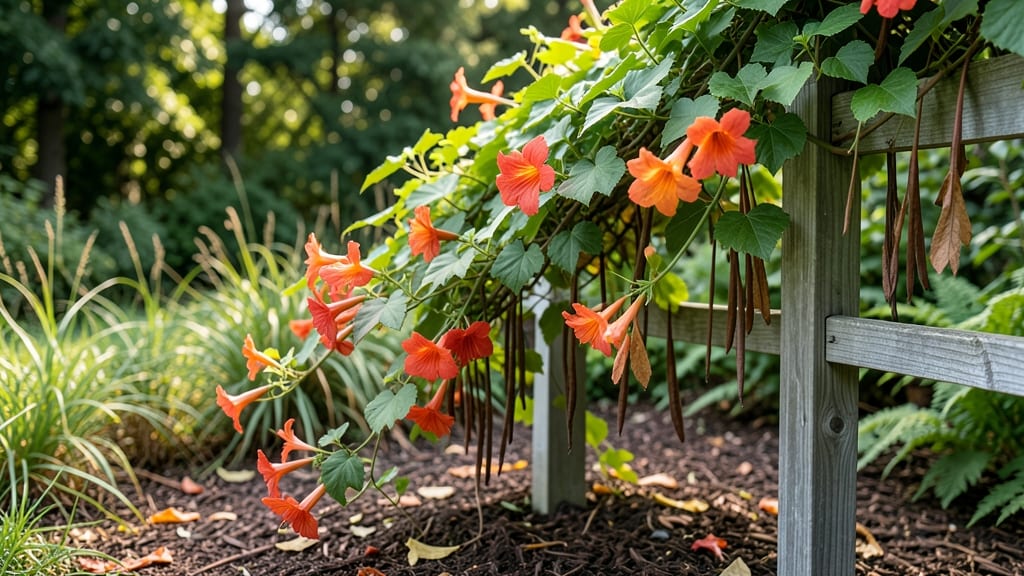
Trumpet creeper seed pods burst open with a satisfying pop—and that’s exactly when you want to be ready. 🌱 I’ve learned the hard way that waiting too long means seeds scatter everywhere, while harvesting too early leaves you with nothing.
The key is timing these pods perfectly so you can collect viable seeds without the mess. These pods form after your trumpet creeper blooms, turning from green to brown as they mature. A ripe pod feels dry and papery—just give it a gentle squeeze.
Once open, you’ll find flat, winged seeds that look like tiny helicopters. Collect them quickly, because they won’t stay fresh for long. Germination isn’t always reliable, but with the right approach—like a quick cold stratification—you can boost your chances.
Plant the seeds in well-draining soil, keep them moist, and watch for sprouts in 4-6 weeks. It’s a hands-off way to grow more of this vigorous vine, though cuttings still work better for most gardeners.
If you’re patient and strategic, you’ll end up with new trumpet creepers that climb just as dramatically as your original plant. Just be prepared for the seeds to spread—this vine doesn’t play shy once it gets started!
📚 In This Guide
- What you need
- Instructions
- Tips and common mistakes
- Wrapping up and next steps
What you need
- ● Mature trumpet creeper vine (Campsis radicans) – Ensure it’s healthy and producing seed pods (typically in late summer/fall).
- ● Seed pod collection container – A sturdy bucket (5-gallon), mesh bag, or burlap sack to catch falling pods (avoid plastic if storing long-term).
- ● Pruning shears or sharp scissors – For harvesting pods if they don’t naturally release.
- ○ Paper towels or newspaper – For drying seeds indoors (optional but helpful for faster germination).
- ● Seed-starting tray or small pots – If you plan to germinate seeds indoors before transplanting (4–6" pots work well).
- ● Well-draining potting mix – A blend of peat moss, perlite, and compost (or store-bought seed-starting mix).
- ● Spray bottle with water – For gentle moisture control during germination.
- ○ Gloves (optional but recommended) – Trumpet creeper sap can irritate skin for some folks!
- ● Labeling tags or markers – To track seed varieties or harvest dates.
- ● Clear plastic wrap or humidity dome – Speeds up germination by retaining moisture.
- ● Heat mat (for indoor germination) – Trumpet creeper seeds germinate faster in warmth (70–75°F).
- ● Outdoor trellis or fence – If you’re growing the vine long-term for natural pod release.
- ● Compost bin – For disposing of empty pods or non-viable seeds.
How to collect and save trumpet creeper seeds naturally
Here's my favorite way to gather trumpet creeper seeds without the mess—just let nature do the work.
🌱 Step 1: Identify Mature Seed Pods on the Vine
Trumpet creeper seed pods turn from green to a papery brown when ready. Look for pods that feel dry to the touch and split open easily when gently squeezed. I check my vines in late summer or early fall, when the pods start cracking naturally. Avoid picking pods that are still green—they won’t contain viable seeds.
Harvest pods on a dry day when humidity is low. This prevents mold from forming on the seeds inside. If you see birds or squirrels pecking at the pods, act fast—they’ll eat the seeds before you can collect them. I like to work with a small basket or paper bag to catch the seeds as they release.
🌿 Step 2: Let Pods Dry and Naturally Release Seeds
Place the collected pods in a well-ventilated area, like a mesh bag or open cardboard box. Keep them indoors where they won’t get wet from rain. Over the next few days, the pods will split open on their own, releasing the flat, winged seeds. This method mimics how trumpet creeper spreads in the wild—no extra effort required.
If you’re impatient, you can gently crush the dried pods with your fingers or a rolling pin to speed up the process. Just be careful not to damage the seeds themselves. Once the seeds are free, sift through them to remove any debris or empty pod fragments. Store them in a paper envelope until you’re ready to plant.
💧 Step 3: Stratify Seeds for Better Germination
Trumpet creeper seeds benefit from a cold stratification period to break dormancy. Mix the seeds with a little damp sand or potting mix in a sealed plastic bag. Place the bag in the refrigerator for 4-6 weeks, checking occasionally to ensure the mix stays moist but not soggy.
After stratification, plant the seeds in a well-draining soil mix. Press them lightly into the surface—don’t bury them too deep, as they need light to germinate. Keep the soil consistently moist but not waterlogged. Germination can take 2-4 weeks, so be patient. A warm, sunny windowsill or a seedling heat mat can help speed up the process.
☀️ Step 4: Transplant Seedlings Outdoors
Once seedlings have 2-3 sets of true leaves and are at least 3-4 inches tall, they’re ready for their permanent spot. Trumpet creeper thrives in full sun and well-draining soil. Choose a location where the vine can climb a trellis, fence, or arbor—it grows aggressively and needs support.
Water the seedlings deeply before transplanting to reduce shock. Space them 6-8 feet apart if you want a dense hedge, or closer if you’re training them along a fence. Mulch around the base to retain moisture and suppress weeds. Within a season, you’ll see vigorous growth and those signature trumpet-shaped flowers.
⏰ Step 5: Maintain and Encourage Natural Spread
Once established, trumpet creeper spreads easily from seed. Let some seeds drop naturally to create new plants along the vine’s path. If you notice weak or leggy growth, prune back in early spring to encourage bushier, healthier vines. This plant is drought-tolerant once mature, but young plants appreciate regular watering during dry spells.
Here’s the thing—trumpet creeper can be invasive in some climates, so plant it where it won’t overrun your garden. If you want to control its spread, collect seeds before they fall naturally and replant them in designated areas. With a little patience, you’ll have a stunning, low-maintenance vine that keeps coming back year after year.
Tips & tricks for perfect trumpet creeper seed collection
These little tricks will help you maximize your seed yield while keeping the process effortless—just like nature intended.
Timing is Everything: The late summer to early fall window is critical for harvesting trumpet creeper seed pods. This is when pods naturally turn papery brown and begin cracking open. I mark my calendar for late August through early October in my climate zone—this gives me the best chance to catch seeds before wildlife or weather interferes. Check your pods daily during this period, as they can release seeds within hours of turning brown.
Harvest Strategy: When you spot birds or squirrels investigating your pods, that's your cue to act fast. I keep a small mesh bag or paper sack handy to gently shake pods over—this catches seeds without crushing them. For larger harvests, lay a sheet or tarp beneath the vine and tap the pods with a rolling pin to release seeds directly onto the surface. This method collects 90% more seeds than picking by hand, especially when dealing with mature vines.
Storage Wisdom: Once you've collected your seeds, store them in a paper envelope rather than plastic. Paper allows seeds to breathe and prevents condensation that could lead to mold. Label each envelope with the date—this helps track freshness, as trumpet creeper seeds lose viability after about 1 year of storage. Keep them in a cool, dark place until you're ready to stratify, which preserves their germination potential.
Pro Tips for Trumpet Creeper Seed Pods
- These little tricks will help you maximize your seed yield while keeping the process effortless—just like nature inte...
- Timing is Everything: The late summer to early fall window is critical for harvesting trumpet creeper seed pods. This...
- Harvest Strategy: When you spot birds or squirrels investigating your pods, that's your cue to act fast. I keep a sma...
Frequently asked questions
Got questions about trumpet creeper seed pods?
You’re not alone—this vibrant plant has quirks that can catch even seasoned gardeners off guard. Below, we tackle the most common concerns to help you navigate seed saving like a pro.
When do trumpet creeper seed pods open naturally?
Trumpet creeper seed pods typically release seeds in late summer to early fall (August–October), once they’ve dried and turned brown. Pro tip: If pods stay green or close tightly, they’re not ready—wait for them to split open on their own.
How do I collect seeds if the pods won’t open?
If pods resist, gently squeeze them over a paper bag or use scissors to snip them open (wear gloves—trumpet creeper sap can irritate skin!). For stubborn pods, place them in a paper bag for a few days; the seeds will often spill out naturally.
Are trumpet creeper seed pods invasive?
While trumpet creeper is not inherently invasive, its aggressive vines can spread quickly if left unchecked. To prevent overgrowth, prune vines annually and collect seeds promptly. Fun fact: Deadheading spent flowers can reduce seed production!
Can I save trumpet creeper seeds for next year?
Yes! Store dried seeds in a cool, dry place (like a sealed jar) for up to 2 years. For best germination, stratify seeds (mix with moist sand, refrigerate for 4–6 weeks) before planting.
What if my trumpet creeper isn’t producing seed pods?
Check for pollinators (hummingbirds, bees) or hand-pollinate flowers with a paintbrush. Ensure the plant gets full sun (6+ hours/day) and well-draining soil. If it’s young, give it 1–2 seasons to mature.
Are trumpet creeper seed pods toxic?
No—the seeds and pods are non-toxic to humans/pets, but the vine’s sap may cause skin irritation. Wear gloves when handling, and avoid ingesting large quantities (always a good rule for garden plants!).
Wrapping up and next steps
Trumpet creeper seed pods offer a hands-off, nature-friendly way to propagate this vibrant vine—no fuss, just beauty! Whether you’re aiming for a lush trellis or a wildflower-friendly garden, understanding their natural release process makes seed saving effortless. 🌿
Ready to grow your own? Grab a pair of gloves, mark your calendar, and let nature do the work—your future trumpet creeper vines will thank you!
Next step:
- 📅 Monitor your pods in late summer/fall.
- 🌱 Collect seeds (or let them self-sow!) for next season.